Thinking about buying a Chevy Colorado but worried about getting stuck with a lemon? You’re right to do your homework. With some model years boasting impressive reliability scores and others plagued with serious problems, the Colorado’s track record is anything but consistent. I’ve dug through reliability data, owner experiences, and expert reviews to give you the unfiltered truth about Colorado reliability across all generations.
The Colorado’s Overall Reliability Score: Above Average (But With Caveats)
The Chevy Colorado earns a respectable 4.0 out of 5.0 reliability rating from RepairPal, ranking it 4th out of 7 midsize trucks. That’s better than average, but the devil’s in the details.
Here’s what the data tells us:
- Repair frequency: Colorado owners visit repair shops about 0.2 times annually (industry average is 0.4)
- Annual repair costs: $599 on average (slightly higher than the $548 midsize truck average)
- Major repair probability: Only 13% chance of serious issues (that’s good news)
- Expected lifespan: 163,119 miles or roughly 13.2 years, with a 26.4% chance of reaching 200,000 miles
But these numbers only tell part of the story. Let’s break down reliability by generation to get the complete picture.
First Generation (2004-2012): Rough Start, Strong Finish
The original Colorado had a bit of a rocky beginning but eventually found its footing.
Years to Avoid: 2004-2005
The debut models suffered from:
- Persistent AC/heater failures
- Check engine light problems
- Various engine issues
- Electrical gremlins
Years to Buy: 2006-2012
GM worked out most of the kinks after those first two years, making the 2006-2012 Colorados some of the most reliable in the truck’s history. These models benefit from:
- Resolved production problems
- Fewer reported issues
- More consistent performance
- Lower-than-average repair frequency
If you’re shopping for an older Colorado, these later first-gen models offer excellent reliability for the money. They’ve proven themselves over time with fewer major repairs compared to newer generations.
Second Generation (2015-2022): The Transmission Trouble Era
The redesigned second-gen Colorado hit showrooms with significant issues that took GM several years to sort out.
Years to Avoid: 2015-2016
The 2015 Colorado is widely considered the worst model year ever produced, with:
- Severe transmission failures at low mileage
- Significant engine problems
- High repair costs
- Poor reliability ratings
The 2016 model showed improvement but still suffered from transmission issues.
Approach With Caution: 2018
The 2018 model deserves special mention. While better than earlier second-gen models, it still exhibited:
- Transmission shuddering
- Vibration issues at low mileage
- Higher-than-average complaints
Years to Buy: 2017, 2019-2022
These later second-generation trucks show substantial reliability improvements:
- The 2021 model earned an 81/100 reliability score from J.D. Power
- Ranked second among six midsize trucks in its class
- Fewer transmission complaints
- More consistent performance
Despite these improvements, common second-gen issues include:
| System | Common Problems |
|---|---|
| Transmission | Shuddering, delayed shifting, rough engagement, premature failure |
| Brakes | Phantom braking, premature pad wear, grinding noises |
| Electrical | Malfunctioning gauges, start/stop system failures, infotainment glitches |
Third Generation (2023-Present): Serious Reliability Red Flags
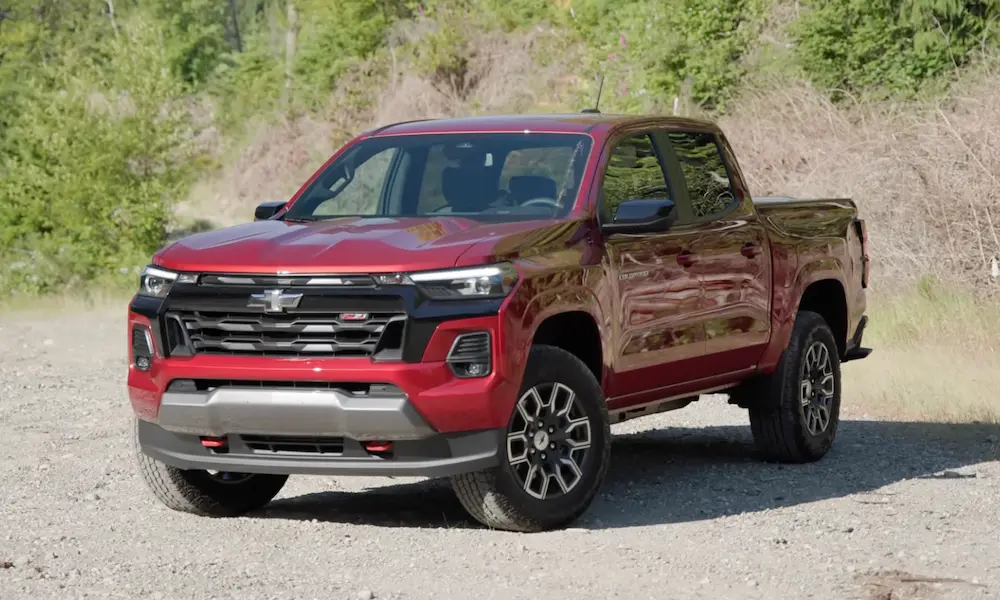
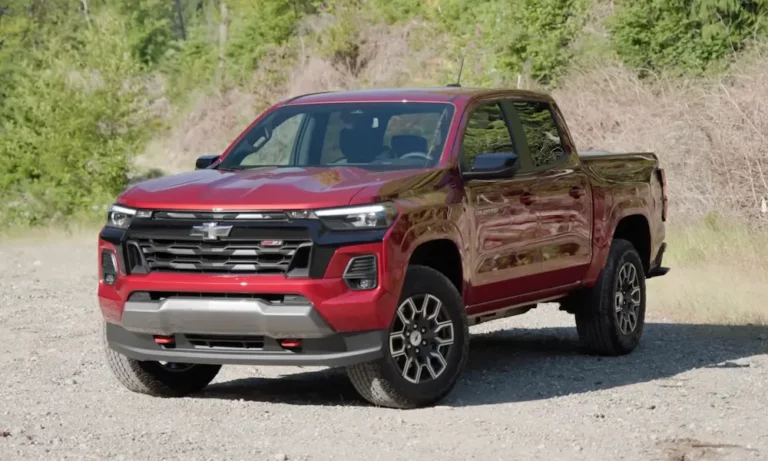
The completely redesigned third-generation Colorado presents significant reliability concerns that should give buyers pause.
Years to Avoid: 2023-2024
The newest Colorado generation has been plagued with issues, leading Consumer Reports to name it the second least reliable car of 2025. Problems include:
- Catastrophic transmission failures: Some occurring as early as 93 miles
- Multiple stop-sale orders issued by GM for software defects
- Widespread transmission valve body failures requiring complete replacement
- Electrical system failures causing total vehicle shutdowns
- Infotainment system problems requiring battery disconnection to reset
Many owners report spending 30+ days without their trucks while waiting for transmission replacements on vehicles with fewer than 10,000 miles. Parts shortages have made repairs even more challenging.
| Problem Area | 2023-2024 Colorado Issues |
|---|---|
| Transmission | Complete failures, valve body issues, improperly torqued solenoid bolts |
| Electrical | System shutdowns, software glitches, infotainment failures |
| Build Quality | Paint defects, poor panel alignment, interior quality issues |
How Colorado Reliability Compares to Competitors
When shopping for a midsize truck, it helps to see how the Colorado stacks up against its rivals.
Colorado vs. Toyota Tacoma
While the Colorado scores higher in RepairPal’s rating system (4.0 vs. Tacoma’s 3.5), the Tacoma consistently shows better long-term reliability:
- Tacoma owners experience fewer major engine and transmission failures
- Tacomas retain superior resale value (offsetting higher maintenance costs)
- The Tacoma has a better chance of reaching 200,000+ miles
Colorado vs. Ford Ranger
The Ranger and Colorado show similar reliability metrics for repair frequency and costs, but with different problem patterns:
- Rangers tend to have more engine misfires and cooling system issues
- Colorados suffer more from transmission problems
- Both trucks have comparable expected lifespans
Most independent mechanics rank reliability in this order: 1) Toyota Tacoma, 2) Chevrolet Colorado, 3) Ford Ranger based on long-term dependability and resale considerations.
Colorado’s Most Problematic Areas
Transmission Issues: The #1 Concern
The 8-speed automatic transmission represents the Colorado’s Achilles’ heel across multiple generations:
- “Chevy Shake”: Vibration and shuddering during light acceleration (25-80 mph)
- Harsh shifting: Particularly rough first gear engagement on cold starts
- Delayed engagement: Poor response when shifting from park to drive
- Complete failures: Premature transmission replacement in many cases
GM has addressed many second-gen transmission issues through software updates and fluid changes, but third-generation models continue experiencing catastrophic failures.
Electrical System Problems
Modern Colorados suffer from increasingly complex electrical problems:
- Infotainment system failures (screen blackouts, frozen displays)
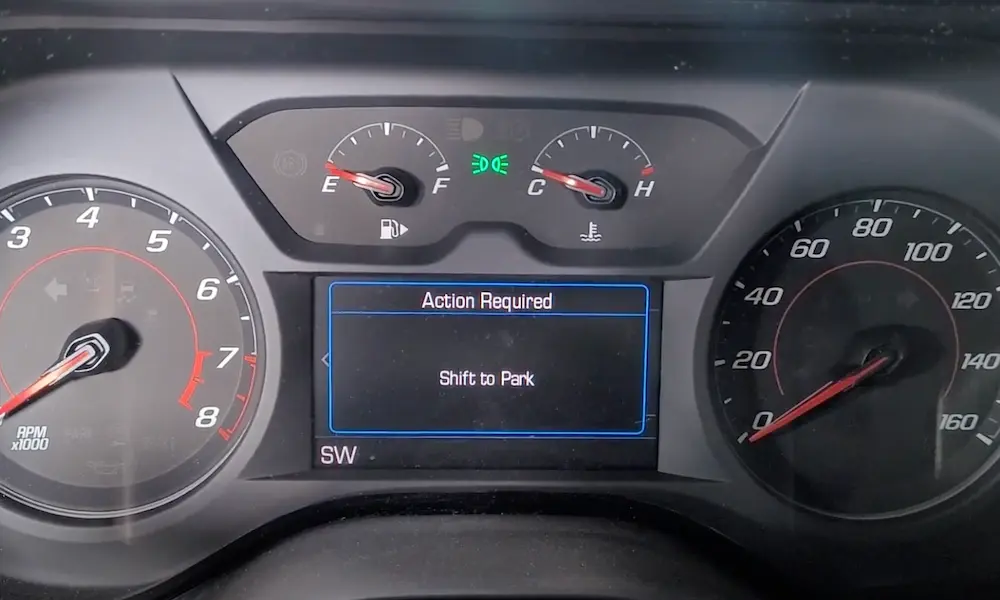
- Complete instrument panel malfunctions
- Battery drain issues from software problems
- Safety system malfunctions (including phantom braking)
Build Quality Issues
Third-generation Colorados show concerning build quality problems:
- Paint defects (dirt contamination, blemishes)
- Poor panel alignment causing wind noise and water leaks
- Cheap interior materials and assembly issues
Long-Term Ownership Considerations
If you’re planning to keep your Colorado for the long haul, factor in these considerations:
- Maintenance costs remain reasonable for reliable model years
- Depreciation is significant (29% in the first year)
- Warranty coverage (3-year/36,000-mile basic, 5-year/60,000-mile powertrain) is essential for newer models given recent reliability issues
- Parts availability is generally good, though third-gen transmission parts have faced shortages
The Best and Worst Colorado Years to Buy
Based on comprehensive reliability data, here are the clear winners and losers:
Best Colorado Model Years
- 2006-2012: Most reliable generation with minimal issues
- 2017, 2019-2022: Strong second-generation years after transmission issues were resolved
- 2021-2022: Peak reliability with above-average J.D. Power scores
Colorado Model Years to Avoid
- 2004-2005: Early production problems
- 2015-2016: Severe transmission and engine problems
- 2023-2024: Catastrophic transmission failures and stop-sale orders
What Owners Are Saying
Owner satisfaction varies dramatically by model year:
- 2021-2022 owners generally report high satisfaction
- 2024 owners frequently express buyer’s remorse
- Multiple new Colorado owners report considering lemon law claims due to repeated transmission failures
One 2024 Colorado owner shared: “Transmission failed completely at 3,217 miles. Dealer has had my truck for 46 days with no replacement parts in sight. Considering legal action.”
Is the Chevy Colorado Reliable? The Verdict
So, are Chevy Colorados reliable? The answer depends entirely on which model year and generation you choose.
If you select a 2006-2012 first-gen or a 2017/2019-2022 second-gen Colorado, you’ll likely enjoy above-average reliability with reasonable repair costs. These represent the sweet spots in Colorado’s reliability history.
However, if you’re considering a 2015-2016 model or any third-generation (2023+) Colorado, proceed with extreme caution. These years have demonstrated serious reliability issues that could lead to significant headaches and expenses.
Recommendations for Colorado Buyers
- Research specific model years carefully using reliability data
- Get a pre-purchase inspection from a mechanic familiar with Colorados
- Secure comprehensive warranty coverage for any third-generation purchase
- Consider certified pre-owned programs for additional protection
- Budget for potential transmission repairs on problematic model years
For used truck shoppers, focus on 2017 and 2019-2022 model years for the best balance of features, reliability, and value. Avoid 2015-2016 and 2024 model years entirely.
For new truck buyers, consider waiting for GM to resolve third-generation issues or explore competitors like the Toyota Tacoma or Ford Ranger until Colorado reliability improves.
The Colorado can be a reliable midsize truck when properly selected by model year, but recent reliability challenges demand significant caution with the newest generations until GM demonstrates consistent quality improvements.