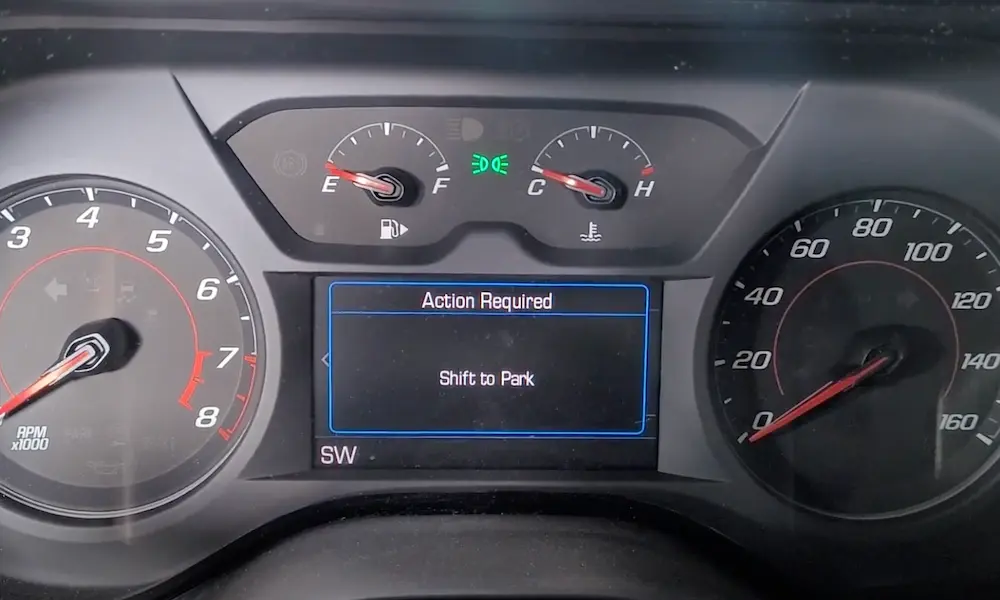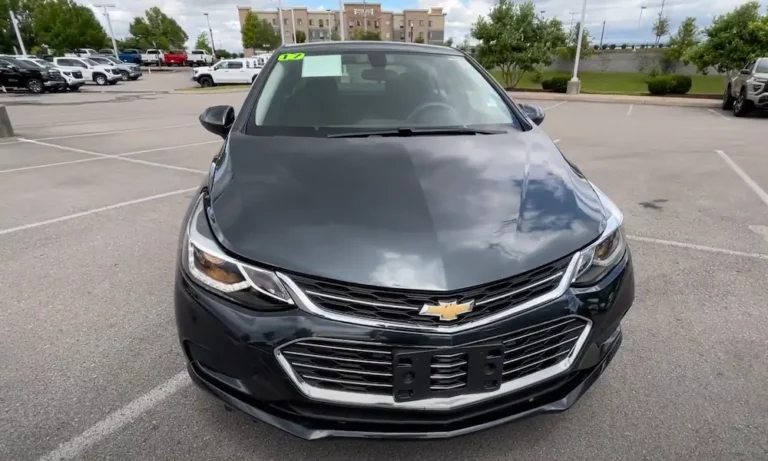
Thinking about getting a Chevy Cruze but worried about reliability? You’re smart to do your homework. The Cruze was Chevrolet’s compact car offering from 2011 to 2019, and like any vehicle, some model years shine while others… well, let’s just say they’ve caused headaches for owners.
I’ve analyzed reliability data, owner experiences, and expert ratings to give you the full picture of Cruze reliability. Whether you’re shopping for a used model or trying to determine how long your current Cruze might last, this guide will help you make informed decisions without the marketing fluff.
Chevy Cruze Reliability Ratings: The Big Picture
The Chevy Cruze scores a respectable 4.0 out of 5.0 on RepairPal’s reliability scale, ranking 26th out of 36 compact cars. While this puts it in the “above average” category overall, it’s middle-of-the-pack within its segment.
What does this mean in practical terms?
- Annual maintenance costs average $545 (slightly higher than the $526 compact car average)
- Repair frequency is about 0.4 visits per year (matching the industry average)
- Serious repair probability is 12% (on par with industry averages)
J.D. Power ratings tell an interesting story of improvement over time. Second-generation Cruze models (2016-2019) scored significantly better than earlier versions, with the 2016 and 2017 models achieving impressive 88-point scores out of 100.
Best and Worst Chevy Cruze Years for Reliability
First Generation (2011-2015): The Rough Start
The early Cruze years were plagued with problems that damaged the model’s reputation:
- 2011 models are widely considered the worst, with numerous engine, transmission, and cooling system issues
- 2012 models didn’t fare much better, continuing many of the same problems
- 2013-2014 showed some improvement but still suffered from reliability concerns
If you’re shopping used, the 2015 model year represents a turning point. As the final year of the first generation, it incorporated numerous fixes and refinements. It’s generally considered the most reliable of the first-generation models.
Second Generation (2016-2019): The Reliability Sweet Spot
The second-generation Cruze models demonstrated dramatically improved reliability:
- 2016-2017 models achieved exceptional J.D. Power scores of 88 points
- 2017 particularly stands out, earning the second-best rating in its class
- 2018-2019 models maintained strong reliability with scores of 86 and 84 points
If reliability is your primary concern, aim for a 2017-2019 Cruze. These later models benefit from GM’s extensive refinements to address earlier problems and represent the most dependable versions ever produced.
Common Chevy Cruze Problems You Should Know About
Engine Issues: The Trouble Spots
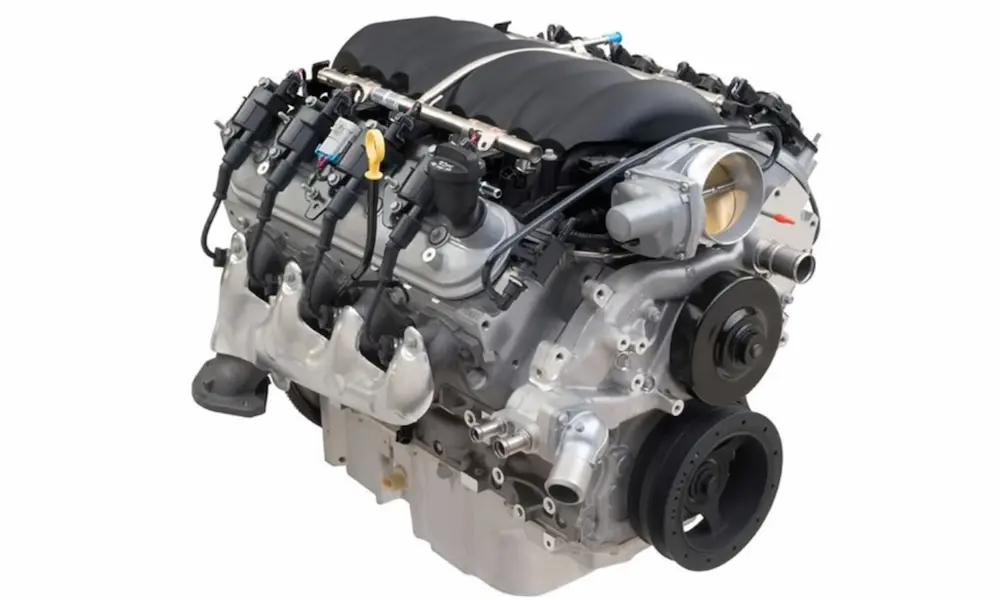
The 1.4L turbocharged engine (common in most Cruze models) has several known issues:
- Turbocharger failures typically occur after 90,000 miles, costing $2,000-$3,000 to repair. Warning signs include power loss, unusual whistling noises, oil leaks, and excessive exhaust smoke.
- PCV system failures affect virtually all first-generation 1.4L turbo engines. The PCV valve is integrated into the valve cover, requiring complete replacement when it fails. Symptoms include rough idling, power loss, hissing sounds, and increased oil consumption.
- Head gasket failures, while less common, can lead to catastrophic engine damage. The cooling system inefficiency makes the 1.4L Ecotec engine susceptible to overheating.
Cooling System: A Persistent Weakness
Water pump failures occur frequently in Cruze models, particularly at higher mileage. The cooling system relies on plastic components that deteriorate over time:
- Plastic thermostat housing tends to crack
- Coolant reservoirs develop leaks
- Water pumps fail prematurely
Signs of cooling system problems include coolant pools under the vehicle, engine overheating, and sudden coolant loss. Replacement costs typically range from $300-$900.
Transmission Problems: Shifting Concerns
First-generation models (especially 2011-2012) experienced significant transmission issues:
- Harsh shifting
- Gear slippage
- Complete transmission failure in some cases
The 2018 Cruze has a 28% chance of requiring expensive engine repairs according to industry data. Transmission fluid leaks and electronic control problems also affect reliability.
Maintenance Costs: What to Expect
The Chevy Cruze requires moderate maintenance spending compared to competitors:
| Maintenance Item | Interval | Approximate Cost |
|---|---|---|
| Oil & filter change | Every 7,500 miles | $40-75 |
| Engine air filter | Every 45,000 miles | $20-40 |
| Cabin air filter | Every 22,500 miles | $30-50 |
| Spark plugs | Every 97,500 miles | $100-200 |
| Brake fluid | Every 45,000 miles | $80-120 |
| Coolant | Every 150,000 miles | $100-150 |
Annual maintenance costs start around $417 in year one and increase to approximately $1,429 by year ten. The probability of major repairs grows from 2.86% in the first year to 28.96% by the tenth year.
How Long Do Chevy Cruzes Last?
With proper maintenance, a Chevy Cruze typically achieves 200,000-250,000 miles before requiring major repairs or becoming uneconomical to maintain. Based on average annual driving of 15,000 miles, owners can expect 13-17 years of service.
Component longevity expectations:
- Brake components: 40,000-50,000 miles ($212-$227 for replacement)
- Original tires: 40,000-50,000 miles or 3-5 years
- 1.4L turbocharged engine: Up to 200,000 miles with proper maintenance
The first 100,000 miles are generally reliable for properly maintained vehicles (except for problematic 2011-2012 models). Most serious reliability issues emerge after this milestone, particularly in first-generation models.
Cruze vs. Competitors: How Does It Stack Up?
Chevy Cruze vs. Honda Civic
The Honda Civic consistently outperforms the Cruze in reliability metrics:
- Requires less frequent maintenance as it ages
- Typically achieves higher resale values
- Experiences fewer component failures over its lifespan
Cost considerations initially favor the Cruze (lower purchase price and insurance), but the Civic’s superior reliability may offset these advantages through reduced maintenance expenses over time.
Chevy Cruze vs. Toyota Corolla
The Toyota Corolla maintains superior reliability ratings compared to the Cruze:
- TrueCar users rate the Corolla at 4.73/5 vs. the Cruze’s 4.09/5
- Better fuel economy (32 city/41 highway MPG vs. Cruze’s 28 city/38 highway)
- Typically requires fewer repairs throughout ownership
The Cruze does offer a lower starting MSRP and larger cargo capacity, making it appealing to budget-conscious buyers who prioritize space.
Safety and Recalls: The Risk Factors
The Chevy Cruze has been subject to 25 known recalls addressing various safety and reliability concerns:
- A major recall affected 194,105 vehicles in the 2019 model year for missing bolts on start-stop accumulator endcaps
- Another significant recall addressed insufficient coating on rear brake caliper pistons (210,628 vehicles)
- Transmission-related recalls affected multiple model years, including a 2014 recall for broken transmission adjuster cables
Most Cruze model years achieve respectable safety ratings from NHTSA, with many earning 5-star overall ratings, though some model years receive 4-star side crash ratings.
What Owners Say: Real-World Experiences
The Good
Many Cruze owners praise:
- Excellent fuel economy, particularly in diesel variants
- Comfortable ride quality and spacious cabin
- Solid technology features and infotainment system
- Good performance through 100,000+ miles when properly maintained
The Bad
Common complaints include:
- High-mileage reliability issues, especially after 100,000 miles
- Engine failures requiring expensive repairs
- Cooling system problems that recur despite fixes
- Transmission issues, particularly in first-generation models
One owner reported complete engine failure after just two years, requiring a $13,000+ engine replacement. Many owners express disappointment that GM discontinued the Cruze in North America, as they would have considered purchasing another.
Making the Smart Choice: Which Cruze to Buy
If you’re set on a Chevy Cruze, here’s how to make the smartest choice:
- Target 2017-2019 models for the best reliability
- Consider a 2015 model if budget constraints make second-generation models too expensive
- Avoid 2011-2012 models entirely unless the price reflects the high repair risk
- Prioritize maintenance records when buying used
- Budget for cooling system repairs regardless of model year
For maximum long-term reliability, the Honda Civic and Toyota Corolla remain safer bets, but a well-maintained second-generation Cruze can provide satisfactory service at a lower initial cost.
Remember that proper maintenance is critical for Cruze longevity, particularly for the 1.4L turbocharged models. Regular oil changes, prompt attention to cooling system issues, and early intervention for PCV problems can significantly extend your vehicle’s lifespan and prevent catastrophic failures.