Thinking about buying a Chevy Equinox but worried about getting stuck with a lemon? You’re right to do your homework. The Equinox has become one of Chevrolet’s best-selling vehicles, but its reliability reputation tells a complicated story. I’ve dug into years of data, owner experiences, and expert analyses to give you the straight facts about Equinox reliability—both the good and the not-so-good.
Chevy Equinox Reliability: The Big Picture
The Chevrolet Equinox presents a mixed reliability picture that has improved significantly in recent years. While the current generation (2018-2024) shows promising reliability metrics, the model’s overall dependability history contains both highlights and concerning trends.
Consumer Reports has awarded the current generation an above-average reliability rating, with 2018-2024 models achieving a notable second-place ranking among compact SUVs—surprisingly surpassing traditionally reliable competitors like the Honda CR-V and Mazda CX-5.
J.D. Power’s data further supports this improvement, naming the Chevrolet Equinox as the highest-ranked vehicle in the Compact SUV segment in its 2024 Initial Quality Study.
However, there’s an important distinction between initial quality and long-term dependability. The Equinox has an average life expectancy of 9.9 years compared to the 10.9-year category average for compact SUVs. Even more telling, the Honda CR-V achieves 13.4 years of average life expectancy, highlighting a substantial durability gap.
Reliability By Generation: What’s Changed
The Equinox’s reliability story varies dramatically depending on which generation you’re considering:
First Generation (2005-2009)
The inaugural Equinox models were plagued with reliability issues, particularly:
- Severe head gasket failures
- Excessive oil consumption
- Numerous safety recalls
The 2005 model received over 1,000 NHTSA complaints, primarily related to blown head gaskets affecting the 3.4L V6 engine. If you’re shopping used, the 2009 model year represents the best of this generation, as many initial design flaws had been corrected by then.
Second Generation (2010-2017)
This generation started rough but improved over time:
- 2010-2013 models are known for significant engine oil consumption issues
- Transmission failures became more common
- The 2017 model year stands out as exceptionally reliable, earning a perfect 5 out of 5 rating from Consumer Reports
Third Generation (2018-Present)
The current generation shows marked improvement:
- Redesigned turbocharged engines have addressed many previous issues
- Build quality and electronic systems are much improved
- 2019-2021 model years offer the best combination of reliability and features
- The 2018 model year had some initial software issues causing unnecessary check engine light activation
Common Equinox Problems You Should Know About
Despite improvements, certain issues continue to affect Equinox models across multiple generations. Here are the most significant trouble spots:
Engine Problems
Excessive oil consumption remains one of the most persistent and costly issues affecting Chevrolet Equinox models. This problem particularly affects vehicles equipped with four-cylinder engines and can lead to severe engine damage if not properly monitored.
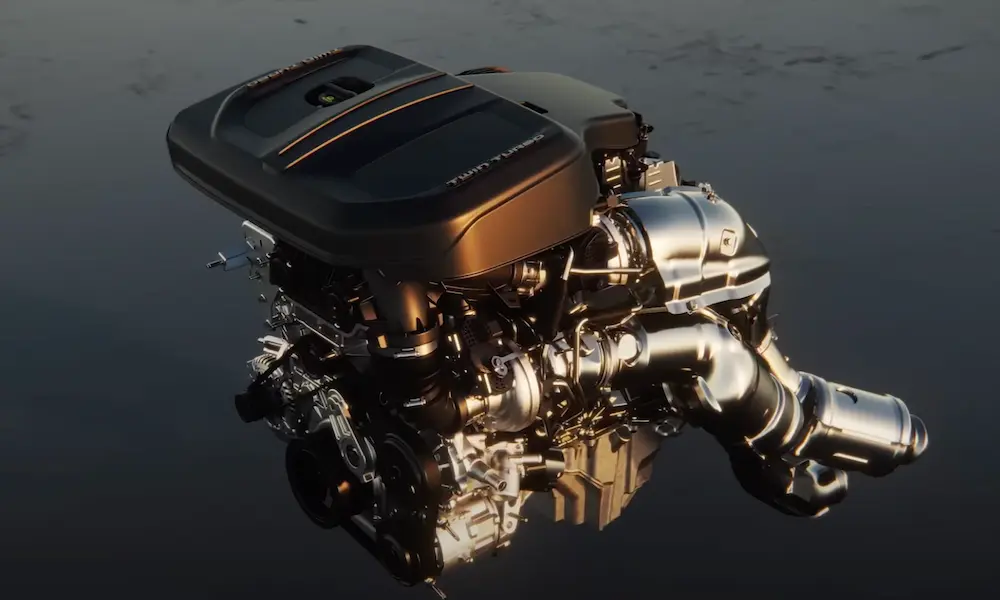
The 1.5-liter turbocharged four-cylinder engine used in current models, while more reliable than previous designs, still experiences notable issues, including:
- Engine stalling
- Timing chain premature wear
- Blown head gaskets ($1,000-$2,000 repair costs)
- Engine performance concerns with diagnostic codes like “Engine Underboost” and “Turbocharger Boost Sensor Performance”
Transmission Issues
Transmission problems represent another significant reliability concern. The six-speed automatic transmission used in many models is prone to premature failure, often occurring before the 50,000-mile mark. Common symptoms include:
- Shuddering during acceleration
- Delayed shifting
- Hard shifting between gears
- Complete transmission failure requiring replacement ($3,000-$5,000)
Many owners report transmission problems that develop gradually, with early symptoms that dealerships often dismiss as “normal” operation until the issues become more severe.
Electrical System Problems
Electrical system malfunctions plague many Chevrolet Equinox models, particularly those from 2021-2024. Common issues include:
- “Service Restraint System” warnings
- Random electrical malfunctions affecting safety features
- Infotainment system failures
- Auto stop/start functionality problems
These intermittent problems are often difficult to diagnose and resolve, leading to frustrating ownership experiences.
Ownership Costs: What to Budget For
The financial aspect of Equinox ownership extends beyond the purchase price. Here’s what you should prepare for:
Maintenance and Repair Costs
Over the first 10 years of ownership, maintenance and repair costs for an Equinox total approximately $9,207, which is $999 more than the industry average for popular SUV models. The probability of requiring a major repair reaches 26.91% during the first decade.
Annual maintenance costs escalate substantially as the vehicle ages:
- Year 1: $370
- Year 5: $841
- Year 10: $1,385
The most significant cost increases occur after the five-year powertrain warranty expires, when owners become responsible for expensive engine and transmission repairs.
| Year | Annual Maintenance Cost | Probability of Major Repair |
|---|---|---|
| 1 | $370 | 0.15% |
| 3 | $582 | 4.08% |
| 5 | $841 | 12.56% |
| 7 | $1,143 | 18.87% |
| 10 | $1,385 | 26.91% |
Depreciation and Resale Value
Depreciation represents a significant concern for Equinox ownership. The vehicle loses 51% of its value after five years compared to just 31.1% for the Honda CR-V. A new Equinox typically sells for $35,162 but retains only $17,370 in resale value after five years.
Current models show continued depreciation challenges:
- 2023 models: 20% depreciation in just two years
- 2022 models: 36% depreciation over three years
While this rapid depreciation hurts original owners, it creates opportunities for used car buyers seeking affordable options.
How Does the Equinox Compare to Competitors?
When compared to established compact SUV leaders, the Chevrolet Equinox demonstrates competitive but not exceptional reliability.
Equinox vs. Honda CR-V
The Honda CR-V achieves a 9.0 out of 10 reliability rating compared to the Equinox’s 8.0 rating. More importantly, the CR-V demonstrates superior long-term durability with a 57% chance of reaching 200,000 miles compared to just 9.2% for the Equinox.
However, the Equinox typically costs $2,000-5,000 less than comparable CR-V models, potentially offsetting some reliability concerns through reduced initial investment.
Equinox vs. Toyota RAV4
Toyota RAV4 also outperforms the Equinox in multiple reliability metrics. The RAV4 offers:
- Superior fuel economy (28-35 mpg vs. 26-31 mpg)
- More powerful standard engine output (203 hp vs. 175 hp)
- Historically better resale value retention
Consumer Reports consistently ranks both the CR-V and RAV4 higher than the Equinox in predicted reliability scores.
How Long Do Chevy Equinox Last?
Well-maintained Chevrolet Equinox models typically last 200,000-220,000 miles, translating to approximately 13-15 years of ownership with average driving patterns. However, this projection assumes diligent maintenance and prompt repair of known issues.
Many owners report satisfactory performance through 100,000 miles, with increased maintenance requirements becoming more common afterward. After 100,000 miles, owners should anticipate increased attention to:
- Engine monitoring
- Transmission maintenance
- Cooling system checks
- Electrical component diagnostics
The probability of major repairs increases significantly during years 6-10 of ownership, when annual maintenance costs can exceed $1,200-1,400.
Essential Maintenance Tips for Equinox Owners
Proper maintenance proves crucial for Equinox longevity, particularly given the vehicle’s susceptibility to oil consumption and transmission issues:
- Monitor oil levels frequently – Check every 1,000 miles to detect excessive consumption early
- Follow manufacturer maintenance schedules precisely – Don’t skip or delay recommended services
- Perform regular transmission service – Fluid changes can potentially extend transmission life beyond the typical 50,000-mile failure point
- Address unusual noises or driving behavior immediately – Early intervention can prevent costlier repairs
- Consider an extended warranty – Given the Equinox’s propensity for expensive repairs after the factory warranty expires
Is the Chevy Equinox Right for You?
The Chevrolet Equinox offers moderate reliability suitable for buyers prioritizing affordability over long-term dependability. Current-generation models (2018-2024) demonstrate meaningful improvements over previous generations.
The Equinox makes sense for:
- Budget-conscious buyers seeking a spacious, well-equipped compact SUV
- Shoppers who prioritize features and comfort over maximum reliability
- Those planning to keep the vehicle for 5-7 years maximum
- Drivers who maintain their vehicles meticulously
- People who have trusted local mechanics for non-warranty repairs
You might want to consider alternatives if:
- Long-term dependability is your top priority
- You plan to keep your vehicle for 10+ years
- You drive significantly more than average (15,000+ miles annually)
- You live in remote areas where service might be limited
- You’ve had negative experiences with General Motors vehicles previously
Best Equinox Model Years to Buy
If you’re set on an Equinox, focus on these model years for the best reliability:
Best Current-Generation Models:
- 2019-2021: These years offer the best combination of reliability and features in the current generation
- 2023: Receives favorable ratings with updated technology and improved fuel economy
Best Previous-Generation Model:
- 2017: The final year of the second generation achieved a perfect 5/5 reliability rating from Consumer Reports
Model Years to Avoid:
- 2005-2008: Severe head gasket failures and excessive oil consumption
- 2010-2013: Significant engine oil consumption and transmission issues
- 2018: First-year third-generation with software and check engine light issues
Making Your Equinox Purchase Decision
The Chevrolet Equinox can be a reliable vehicle—particularly newer models—but requires informed buying decisions and committed maintenance:
- Research the specific model year you’re considering, as reliability varies dramatically between generations
- Get a pre-purchase inspection from a trusted mechanic for any used Equinox
- Check service records carefully to verify proper maintenance history
- Consider certified pre-owned options with extended warranty coverage
- Budget for higher-than-average maintenance costs, especially after the 5-year mark
- Test drive thoroughly, paying special attention to transmission behavior and engine performance
The Equinox offers excellent value with its competitive pricing, spacious interior, and generous feature set. The substantial cost savings compared to Honda and Toyota alternatives can offset potential reliability concerns for many buyers. However, those seeking maximum reliability and lowest long-term ownership costs should carefully weigh these tradeoffs against the Equinox’s strengths.