Looking for a roomy American sedan but wondering about its dependability? The Chevy Impala has been a staple on American roads for decades, but its reliability record is more complicated than you might think. I’ve dug into the data to help you figure out if an Impala belongs in your driveway or if you should steer clear.
The Quick Answer: It Depends on the Year
Not all Impalas are created equal. The newer tenth-generation models (2014-2020) are significantly more reliable than their predecessors. According to RepairPal, the Impala earns a respectable 4.0 out of 5.0 reliability score overall, ranking 5th out of 12 full-size cars.
But here’s the catch—only 3.3% of Impalas reach 200,000 miles, compared to Toyota Camry’s impressive 37.8% according to iSeeCars. Let’s break down which years shine and which you should avoid at all costs.
Impala Reliability by Generation
Eighth Generation (2000-2005): The Trouble Years
If you’re shopping used, one rule stands above all: avoid eighth-generation Impalas completely. These models represent the dark ages of Impala reliability.
The 2002 model year stands as particularly notorious, with over 1,000 NHTSA complaints and 10 recalls. It’s earned the dreaded “Beware of the Clunker” designation from CarComplaints.
Major problems include:
- Transmission failures requiring complete replacement
- Intake manifold gasket leaks causing engine overheating
- PassLock system failures that leave you stranded
- Electrical gremlins affecting multiple systems
- Interior parts that break far too soon
These issues aren’t just annoying—they’re expensive. Repair costs often exceed what these cars are worth, making them money pits rather than transportation.
Ninth Generation (2006-2013): A Mixed Bag
The ninth-generation shows improvement, but reliability varies dramatically by year:
Early Years (2006-2008): Still Problematic
These early ninth-gen models continued many reliability issues, including:
- Transmission failures (especially 2006-2007)
- Torque converter problems causing shuddering
- ABS sensor failures
- Door lock actuators that fail (sometimes trapping occupants)
- A/C blend door actuator failures
A forum member described their 2006 Impala experience: “Three transmissions in four years. I’ll never buy another Chevy.”
Later Years (2010-2013): Getting Better
The 2010-2013 models show marked improvement, with the 2013 standing out as particularly solid. These cars typically provide 150,000-180,000 miles of service with proper maintenance.
The late ninth-generation Impalas benefit from:
- More reliable transmissions
- Better build quality
- Fewer electrical issues
- More refined powertrains
Tenth Generation (2014-2020): The Golden Years
Here’s where Impala reliability takes a major leap forward. The tenth and final generation represents GM’s best effort with this nameplate.
All tenth-generation Impalas (especially 2015-2020) are recommended for used car buyers. The 2014 model had some first-year quirks, but GM quickly ironed these out.
Key improvements include:
- Redesigned platform with better engineering
- More reliable transmissions
- Enhanced build quality
- Refined engine options (especially the 3.6L V6)
- Modern safety and technology features
Minor issues still exist:
- Some water leaks in the trunk
- Interior trim quality concerns
- Occasional electrical problems with infotainment
- Brake system issues addressed through service bulletins
The Heart of Reliability: Engines and Transmissions
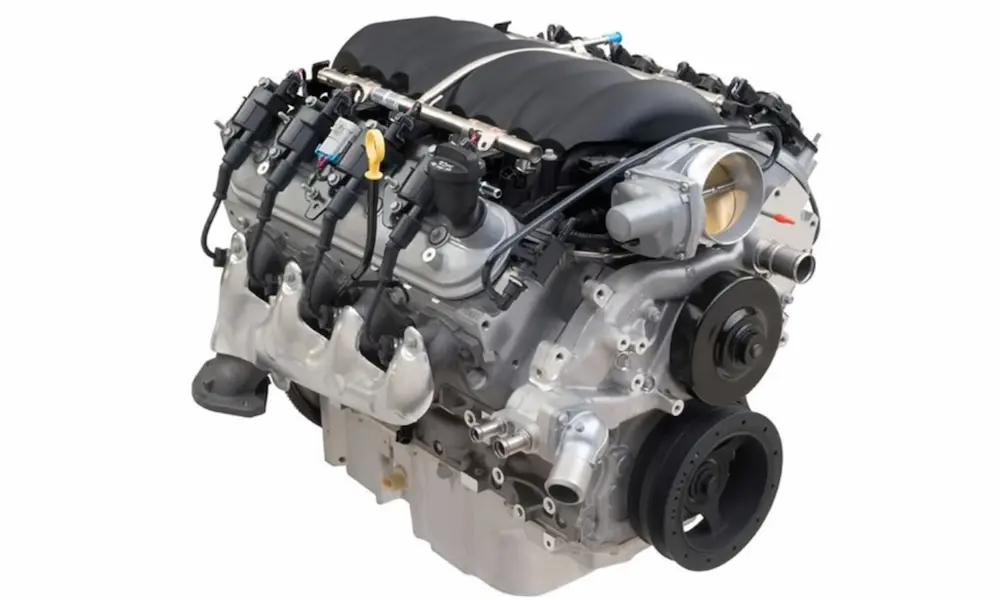
The 3.6L V6 Engine (LFX)
Most tenth-generation Impalas came equipped with the 3.6L V6 (LFX) engine, which shows good reliability after some early issues were resolved.
This engine typically experiences:
- Timing chain problems in early versions (largely fixed)
- Some oil consumption requiring monitoring
- Carbon buildup on intake valves
- Water pump failures at higher miles
Despite these issues, the LFX generally delivers reliable service when properly maintained. One key tip from owner forums: change oil every 5,000 miles instead of the manufacturer’s suggested 10,000-mile intervals.
Transmission Troubles
Transmissions represent the Impala’s Achilles’ heel across all generations. The 4T65E transmission in eighth and early ninth-generation models proved particularly problematic, while newer transmissions show improved durability.
Years to be especially wary of:
- 2000-2008: High failure rates with expensive repairs
- 2006-2007: Particularly troublesome with torque converter issues
- 2011: Some reports of failures around 100,000 miles
What It Costs to Keep an Impala Running
Annual maintenance costs vary by generation but generally fall within reasonable ranges:
| Generation | Years | Average Annual Cost |
|---|---|---|
| Eighth | 2000-2005 | $650-800 |
| Ninth | 2006-2013 | $550-650 |
| Tenth | 2014-2020 | $500-600 |
The overall average repair cost sits at $568 according to RepairPal data, with a 13% probability of major repairs compared to 12% for all vehicle models.
How Long Do Impalas Last?
Expected lifespan varies dramatically by generation:
- Eighth Generation: 100,000-130,000 miles
- Ninth Generation: 140,000-180,000 miles
- Tenth Generation: 150,000-200,000+ miles
With proper maintenance, tenth-generation Impalas can potentially reach 200,000+ miles, though this probability remains lower than competitors like Toyota and Honda. Many owners report trouble-free operation through 150,000+ miles with routine maintenance.
How Impalas Stack Up Against Competitors
When compared to other mid-size and full-size sedans, the Impala ranks behind Toyota and Honda offerings in reliability:
iSeeCars Reliability Ratings:
- Toyota Camry: 8.9/10
- Honda Accord: 8.7/10
- Chevrolet Impala: 8.5/10
The Impala’s disadvantages include:
- Lower long-term durability (only 3.3% reaching 200,000 miles)
- Higher maintenance costs ($568 vs $388-400 for competitors)
- Weaker resale value with 51.3% depreciation over 5 years
- Shorter average lifespan
However, the Impala offers some advantages:
- More spacious interior than mid-size competitors
- Stronger base engine performance (305 HP vs 203 HP in Camry)
- Lower used car prices due to depreciation
- Exceptionally comfortable ride quality
What Impala Owners Actually Experience
The Good
Many tenth-generation Impala owners report high satisfaction with reliability, particularly in 2015-2020 models. Common positive feedback includes:
- Smooth, quiet operation with minimal unexpected repairs
- Exceptional comfort on long road trips
- Strong powertrain performance with the 3.6L V6 engine
- Good fuel economy achieving 28-30+ MPG on highways
- Minimal routine maintenance requirements
As one owner on Cars.com put it: “I’ve had my 2018 Impala for three years and 52,000 miles with zero problems. Just routine maintenance.”
The Not-So-Good
However, some owners report persistent issues even in newer models:
- Interior quality concerns with cheap materials and loose-fitting panels
- Electrical glitches affecting infotainment and climate systems
- Transmission concerns emerging in higher-mileage examples
- Water intrusion in trunk areas of some models
A forum member on ImpalaForums noted: “Love my 2016 but the infotainment system freezes occasionally, and there’s a rattle in the dash I can’t locate.”
The Best and Worst Impala Years
Based on comprehensive reliability data, owner reports, and industry ratings:
Highly Recommended:
- 2015-2020: Excellent reliability with modern features
- 2018-2020: Peak reliability with refined systems
- 2013: Best ninth-generation option
Acceptable with Caution:
- 2010-2012: Decent reliability but aging platform
- 2016-2017: Good choices but watch for specific issues
Never Purchase:
- 2000-2005: Extensive, expensive problems throughout range
- 2006-2008: Major transmission and reliability issues
- 2002: Worst single model year with numerous problems
Smart Shopping Tips by Budget
Budget Under $15,000: Consider 2013-2015 models with maintenance records
Budget $15,000-25,000: Focus on 2016-2018 models with moderate mileage
Budget Over $25,000: Target 2019-2020 models for maximum reliability
Making the Impala Last: Maintenance Tips
If you own or plan to buy an Impala, follow these maintenance tips to maximize reliability:
- Oil changes every 5,000 miles instead of the recommended 10,000
- Transmission fluid changes every 60,000 miles (don’t wait for 100,000)
- Use only Dexcool coolant as specified by GM
- Listen for timing chain noise in the 3.6L V6 (rattling on startup)
- Check for water in the trunk regularly, especially after rain
- Address small issues promptly before they become major problems
The Impala Reliability Verdict
Chevrolet Impalas can be reliable vehicles when choosing the right model year. The 2015-2020 tenth-generation models offer good to excellent reliability that approaches but doesn’t quite match Toyota and Honda standards. These newer Impalas provide spacious, comfortable transportation with reasonable maintenance costs and potential for 150,000+ mile service life.
However, buyers must carefully avoid problematic model years (2000-2008) that suffer from expensive, recurring problems. The dramatic improvement in tenth-generation models makes them viable alternatives to competitors, particularly for buyers prioritizing interior space and ride comfort over maximum long-term durability.
For reliable Impala ownership: Choose 2015-2020 models, maintain them properly with regular oil changes, and budget for slightly higher maintenance costs compared to Toyota or Honda alternatives. Avoid all eighth-generation models and early ninth-generation examples to prevent costly reliability problems.