Looking for a three-row SUV with plenty of space for the family? The Chevy Traverse might be on your radar. But before you sign on the dotted line, you’re probably wondering about reliability. With prices for new vehicles at all-time highs, nobody wants to drive off the lot in something that’ll become a money pit. I’ve dug into the data to help you figure out if a Traverse deserves your hard-earned cash.
The Traverse Reliability Picture: Mixed Results
The Chevy Traverse has a complicated reliability story that varies dramatically by model year. According to RepairPal, the Traverse earns a modest 3.0 out of 5.0 reliability score, ranking it 22nd out of 26 midsize SUVs. That’s not exactly bragging territory.
A few key stats paint the picture:
- Average annual repair cost: $656 (slightly above the segment average of $573)
- Probability of severe issues: 18% (compared to 13% for other midsize SUVs)
- Annual repair frequency: 0.4 visits per year (on par with industry standards)
The good news? The completely redesigned 2024-2025 third-generation Traverse shows much more promise. J.D. Power awarded the 2025 model an impressive 88 out of 100 for quality and reliability, rating it as “Great” based on early projections.
Traverse Model Years to Avoid at All Costs
If you’re shopping for a used Traverse, certain model years should raise immediate red flags. The most problematic years include:
2009-2012: The Nightmare Years
These early models were plagued with serious issues that could leave you stranded or facing repair bills in the thousands. Major problems included:
- Transmission failures: Owners reported hard shifting, slipping gears, transmission fluid leaks, and complete transmission failure typically happening around 80,000-100,000 miles. The 2009 model was particularly bad, with documented cases of transmissions needing total replacement.
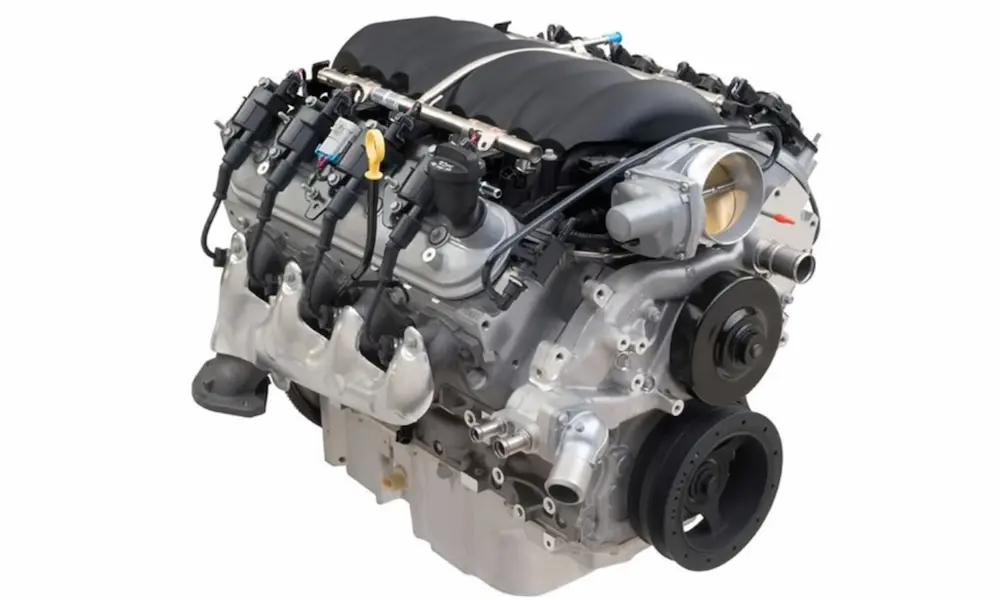
- Timing chain failures: The 3.6-liter V6 engine in these years experienced timing chain issues, causing engine rattling, reduced power, and sometimes complete stalling while driving. When the chain stretches or guides fail, the repair often involves expensive valve replacements.
- Steering problems: 2009-2011 models developed steering difficulties that made vehicles hard to turn and created genuinely dangerous driving situations.
2015: AC Nightmares
The 2015 model year had its own set of issues, with HVAC system failures being particularly common. Some owners reported completely melted compressors around the 100,000-mile mark.
2018: First-Year Redesign Blues
As the first year of a redesigned generation, the 2018 Traverse experienced typical “first model year” problems. While better than the earliest Traverses, it still had more than its share of issues that were addressed in subsequent model years.
The Best Traverse Years for Reliability
Not all Traverse model years are problematic. If you’re set on this Chevy SUV, focus your search on these more dependable options:
2019-2023: Significant Improvements
The second-generation Traverse hit its stride after the 2018 redesign kinks were worked out. These models feature:
- A more reliable nine-speed transmission that resolved many previous shifting issues
- Improved driving dynamics
- Fewer major problems reported by owners
- Better long-term durability
2024-2025: The Most Promising Generation
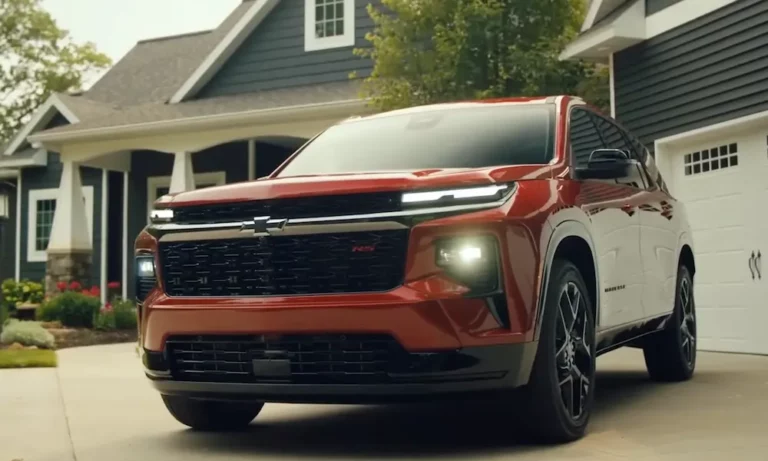
The completely redesigned third-generation models represent the most promising Traverse to date. Built on GM’s new VSS-S platform, these models feature:
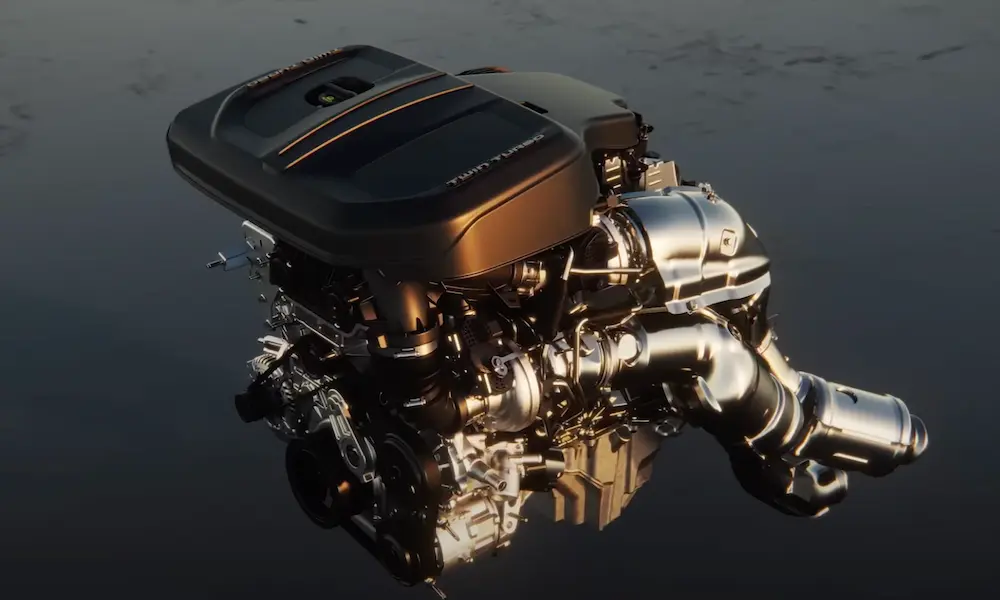
- A 2.5-liter turbocharged four-cylinder engine producing 328 horsepower
- Early projections suggesting only a 5% chance of major repairs in the first five years
- Improved build quality and advanced technology
- A 60-month/60,000-mile powertrain warranty
Ownership Costs: What to Expect Long-Term
Over ten years, a Chevrolet Traverse will cost approximately $9,594 for maintenance and repairs, which exceeds the industry average by $1,386. The first five years typically cost around $3,073, with expenses gradually increasing as the vehicle ages.
| Maintenance Item | Typical Cost | Frequency |
|---|---|---|
| Oil changes | $50-100 | Every 7,500 miles |
| Air filters | $20-50 | Every 15,000-30,000 miles |
| Cabin filters | $30-60 | Every 15,000-30,000 miles |
| Transmission fluid | $100-200 | Every 30,000 miles (crucial!) |
| Timing chain inspection | $100-150 | Every 60,000 miles |
According to CarEdge data, the probability of needing major repairs increases significantly after five years:
- 27% chance during the first five years
- Over 40% chance by year eleven
Common expensive repairs include:
- Transmission rebuilds: $3,000-5,000
- Timing chain replacements: $2,000-3,500
- HVAC system overhauls: $1,500-2,500
How the Traverse Stacks Up Against Competitors
When comparing the Traverse to its rivals, the reliability picture becomes even clearer:
Honda Pilot
The Honda Pilot earns a 3.5 out of 5.0 RepairPal rating, significantly outperforming the Traverse’s 3.0 rating. Honda owners typically spend about $100 less annually on repairs while enjoying similar reliability in terms of shop visit frequency.
Toyota Highlander
The Toyota Highlander dominates with a 4.2 out of 5.0 reliability rating, representing the gold standard for midsize SUV dependability. Consumer Reports consistently ranks Toyota models among the most reliable vehicles available.
Value Proposition
Where the Traverse shines is value and space. It typically costs about 10% less than comparable Honda Pilot models while providing more interior room. The Traverse’s maximum cargo space of 98 cubic feet with seats folded exceeds most competitors, and even adults can comfortably sit in the third row.
Technical Issues to Watch For
Engine Concerns
The transition from naturally aspirated V6 to turbocharged four-cylinder engines presents both opportunities and challenges. While the new 2.5-liter LK0 turbo engine in 2024+ models produces more power (328 hp vs. 310 hp) and better fuel economy, Consumer Reports testing revealed significant noise and refinement issues. Testers noted the engine becomes “unrefined and loud” during acceleration.
Electrical System Problems
Electrical issues have plagued multiple model years, including:
- Malfunctioning infotainment systems
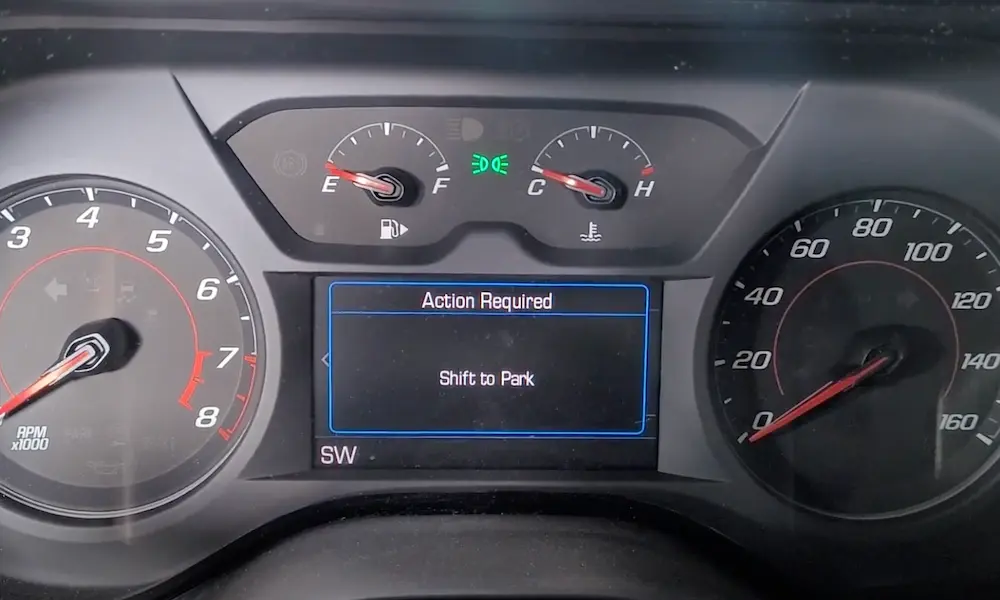
- Random dashboard warning messages like “Service StabiliTrak”
- Battery drain issues
These problems are particularly frustrating as they often require multiple diagnostic visits and software updates to resolve.
Fuel Management System
The Active Fuel Management system in various Traverse engines has shown problematic behavior, though the new Dynamic Fuel Management system in 2024+ models aims to address these concerns with more sophisticated cylinder deactivation patterns.
Real Owner Experiences
Real-world owner experiences vary dramatically based on model year and maintenance practices:
- Owners of newer 2019+ models generally report positive experiences with improved reliability and fewer mechanical issues
- Early adopters of the 2024 model have reported some concerning problems, including transmission failures at low mileage
- Professional mechanics often advise caution with 2009-2014 models, with many recommending Toyota or Honda alternatives for buyers prioritizing reliability
- Proper maintenance emerges as crucial for Traverse longevity, with owners who follow recommended service intervals reporting much better outcomes
One consistent theme across owner forums is the importance of transmission maintenance. Neglecting transmission fluid changes frequently leads to premature failures, especially in older models.
Is the 2024-2025 Traverse Finally Reliable?
The 2024-2025 Traverse represents Chevrolet’s most comprehensive attempt to address historical reliability concerns. The new VSS-S platform shares components with other GM vehicles, potentially improving parts availability and service familiarity.
Early reliability projections appear promising, with J.D. Power’s high 88/100 rating reflecting optimistic predictions based on improved manufacturing processes. However, these projections haven’t been tested by real-world ownership patterns yet.
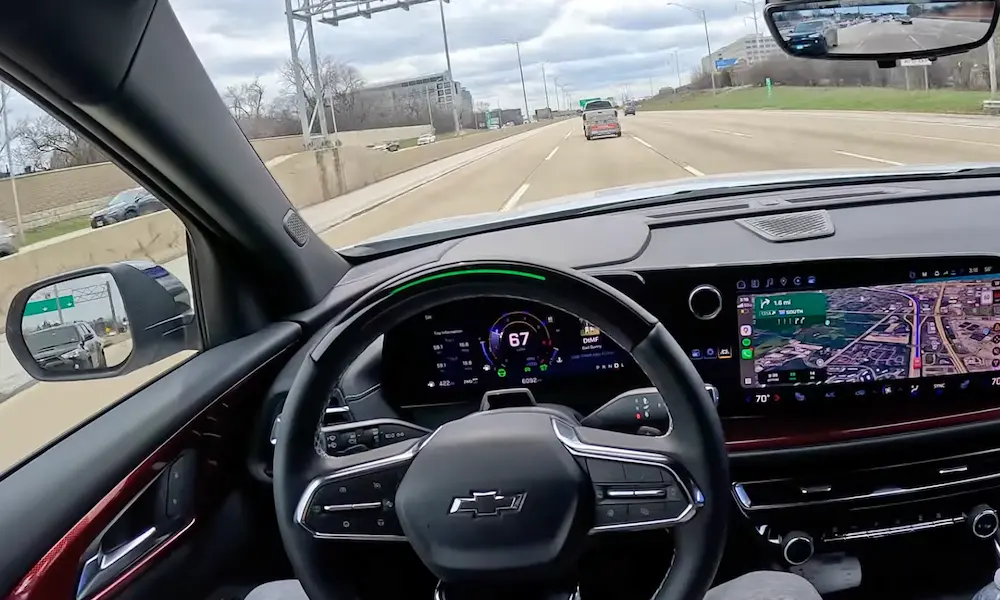
The technology integration in the current generation may introduce new variables. While the massive 17.7-inch touchscreen and Google-based infotainment system offer advanced functionality, the long-term reliability of these complex electronic systems remains uncertain.
Should You Buy a Chevy Traverse?
If you’re set on a Traverse, here’s how to approach it:
Choose the Right Model Year
Focus on 2019 or newer models while completely avoiding 2009-2018 variants. The significant improvements beginning with the 2019 model make newer models substantially more dependable.
Get a Pre-Purchase Inspection
For any used Traverse, a comprehensive pre-purchase inspection is essential. Have mechanics specifically examine:
- Transmission behavior
- Timing chain operation
- Electrical system functionality
Look for service records proving regular maintenance, particularly transmission fluid changes, as these indicate better-maintained examples.
Consider Extended Warranty Coverage
Given the higher-than-average probability of major repairs and the significant cost of transmission or engine work, extended coverage can provide valuable financial protection. Data suggests a 26.91% chance of major repairs over ten years, making warranty protection worth considering.
The Bottom Line on Traverse Reliability
The Chevrolet Traverse offers compelling space and value but requires careful model year selection and diligent maintenance to achieve satisfactory reliability. While the newest generation shows promise, the brand’s historical reliability challenges suggest buyers should carefully weigh the Traverse’s strengths against more proven competitors.
If maximum space at a lower price point is your priority, a well-maintained 2019+ Traverse can serve you well. Just be prepared to follow maintenance schedules religiously and set aside a repair fund for potential issues as the vehicle ages.
For buyers prioritizing hassle-free ownership above all else, competing models from Honda and Toyota still offer more proven reliability records, even if they come with higher price tags and slightly less interior space.