Thinking about buying a Chevy Trax but wondering if it’ll leave you stranded or serve you faithfully for years? You’re smart to question reliability before signing on the dotted line. I’ve dug deep into reliability data, owner experiences, and expert opinions to give you the straight facts about where the Trax shines and where it falls short. By the end, you’ll know exactly which model years to target and which to avoid like the plague.
Chevy Trax Reliability Ratings: The Big Picture
The Chevy Trax presents a mixed reliability story that varies dramatically by model year. Looking at industry ratings:
RepairPal gives the Trax a solid 4.0 out of 5.0 reliability score, ranking it 6th out of 7 in the subcompact SUV category. This puts it above average compared to all vehicles but near the bottom of its class.
J.D. Power’s 2025 assessment is more optimistic, awarding the Trax an impressive 84/100 reliability score – firmly in their “Great” category.
Meanwhile, Consumer Reports offers a more cautious view, rating the 2024 Trax just 43/100 for predicted reliability and actually recommending buyers avoid it.
Why such different perspectives? The answer lies in the Trax’s uneven history.
Best and Worst Chevy Trax Model Years
The Trax’s reliability story is a rollercoaster with clear winners and losers:
Best Chevy Trax Years
- 2020 Model Year: The undisputed reliability champion, earning a perfect 5.0/5.0 from Consumer Reports
- 2021-2022 Models: Benefited from improvements made to the 2020 model
- 2025 Model: Early data suggests significant improvements over the redesigned 2024 version
Worst Chevy Trax Years to Avoid
- 2016 Model Year: The absolute low point with over 150 NHTSA complaints and 5 recalls
- 2015 Model: Nearly as problematic with 154 NHTSA complaints and 7 recalls
- 2017-2019 Models: Gradual improvement but still plagued with issues
- 2024 Model: First year of redesign with typical new-generation problems
The 2015-2016 models were particularly dangerous, with reports of vehicles rolling backward on inclines even when properly parked. Not exactly the kind of “surprise feature” you want in your family SUV!
Common Chevy Trax Problems by System
Engine Issues
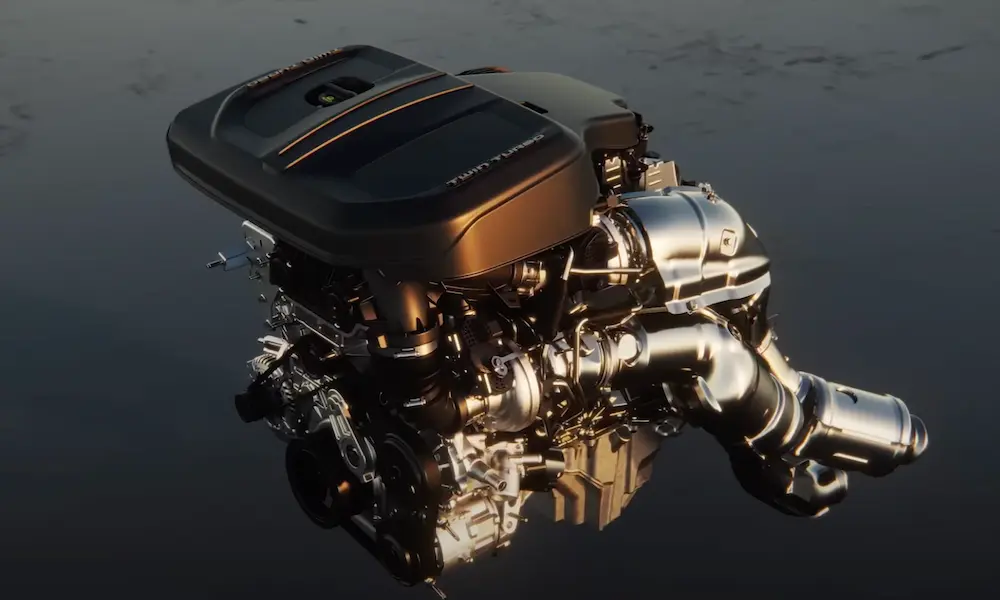
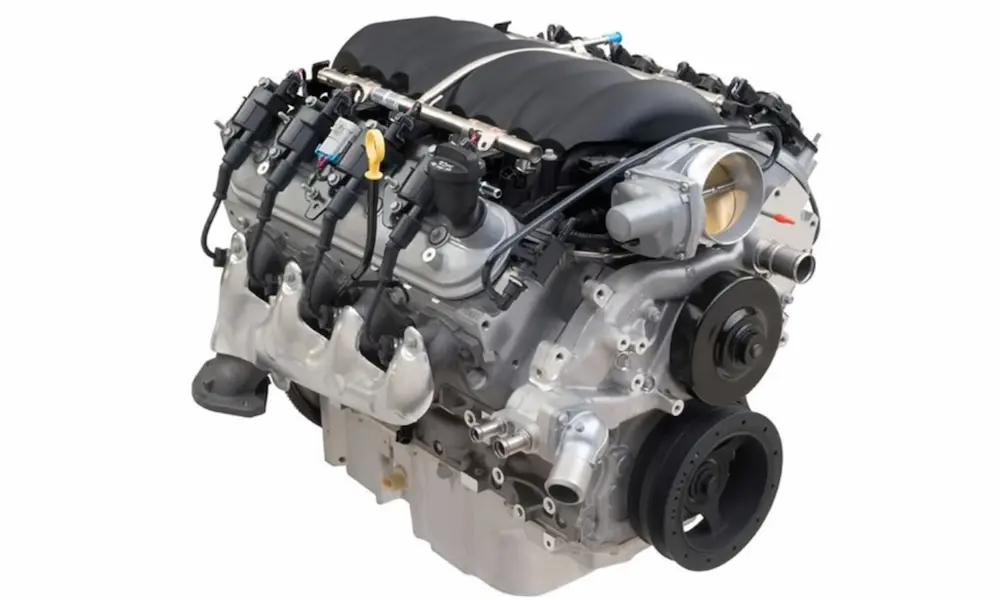
The Trax’s turbocharged engines have been its Achilles’ heel:
- First-Generation (1.4L Turbo): Suffered from oil consumption issues due to carbon buildup on intake valves
- Second-Generation (1.2L Turbo): Some 2024 models experienced catastrophic engine failures requiring complete replacement
- Turbocharger Failures: Common in earlier models, often requiring expensive repairs
One dealership technician reported seeing multiple 2024 Trax vehicles requiring complete engine replacements under warranty – not exactly confidence-inspiring for a brand-new design.
Transmission Problems
The six-speed automatic transmission has shown several consistent issues:
- Jerky shifting, particularly noticeable at low speeds
- Hesitation when accelerating from a stop
- Occasional failure to engage reverse gear
- Reluctance to downshift during highway passing maneuvers
These problems appear most frequently in 2015-2019 models but have improved in later years.
Electrical System Glitches
Both generations struggle with electrical gremlins:
- Dashboard displays going completely blank while driving
- Infotainment system freezes and audio issues
- Headlight flickering and premature failure
- Wireless connectivity problems requiring frequent system resets
One owner described their 2018 Trax’s electrical system as “having a mind of its own” – not what you want to hear about a vehicle you depend on daily.
Maintenance Costs and Longevity
Despite reliability concerns, the Trax won’t break the bank for repairs:
- Average Annual Repair Cost: $488 (slightly higher than subcompact SUV average of $466)
- Unscheduled Repair Frequency: 0.2 visits per year (matching class average)
- Probability of Major Repairs: 12% (higher than the 9% subcompact SUV average)
When it comes to longevity, iSeeCars data shows:
- Average Lifespan: 131,080 miles over approximately 10.1 years
- Percentage Reaching 200,000+ Miles: Only 2.1% (lower than many competitors)
This suggests most Trax vehicles don’t achieve exceptional longevity compared to more reliable competitors. The shorter lifespan reflects the cumulative impact of the problematic 2015-2019 model years.
How the Trax Compares to Competitors
| Vehicle | iSeeCars Reliability Score | % Reaching 200K Miles | Avg. Annual Repair Cost |
|---|---|---|---|
| Chevy Trax | 6.1/10 | 2.1% | $488 |
| Honda HR-V | 5.6/10 | 3.7% | $428 |
| Subaru Crosstrek | 7.4/10 | 4.1% | $492 |
| Class Average | 6.3/10 | 3.0% | $466 |
The Trax scores surprisingly well against the HR-V in iSeeCars’ reliability rating but falls short in long-term durability and repair costs. The Subaru Crosstrek outperforms both in reliability ratings and long-term durability, though at a higher purchase price.
The Trax’s main advantages remain its:
- Lower initial purchase price
- Modern features at a budget price point
- Surprisingly spacious interior for its size
Owner Experiences: The Real-World Test
Recent owner feedback reveals a split personality:
What Owners Love
- Exceptional value proposition
- Strong fuel economy (averaging 30+ mpg)
- Surprisingly spacious interior
- Modern infotainment features
- Attractive styling that exceeds expectations for the price
As one 2024 Trax owner put it on the Trax Forum: “I’ve been averaging 32 mpg in mixed driving, which is actually better than advertised. The interior feels way more premium than I expected at this price point.”
What Frustrates Owners
- Hesitation from the three-cylinder turbo engine
- Traction control system issues in adverse conditions
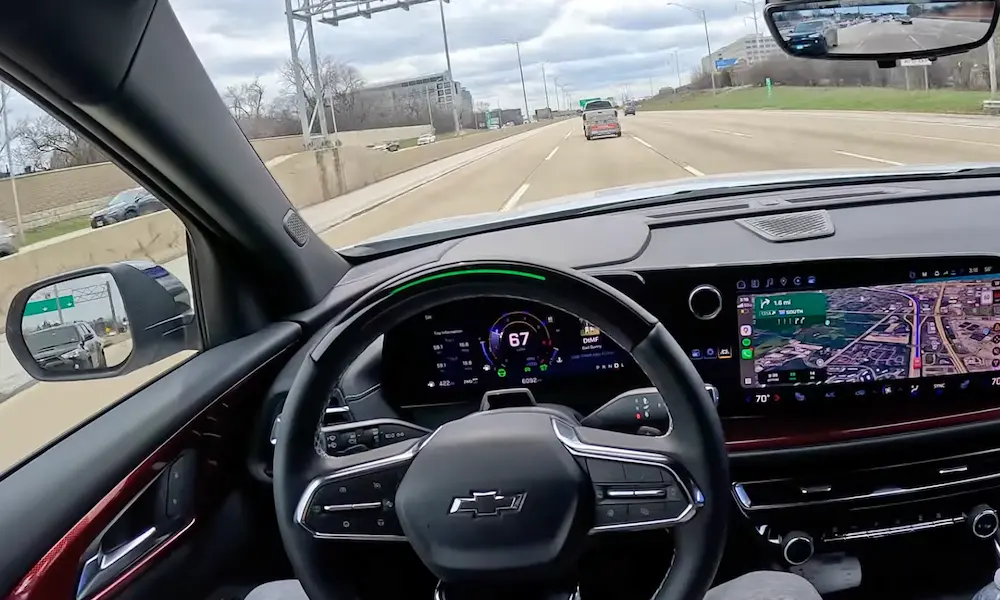
- Digital gauge clusters that respond slowly
- Excessive engine noise under acceleration
- Lack of all-wheel drive option
A 2024 owner described their experience: “When you need quick acceleration to merge onto the highway, there’s a noticeable lag before the turbo kicks in. Not dangerous, but definitely annoying.”
Reliability Improvements in the New Generation
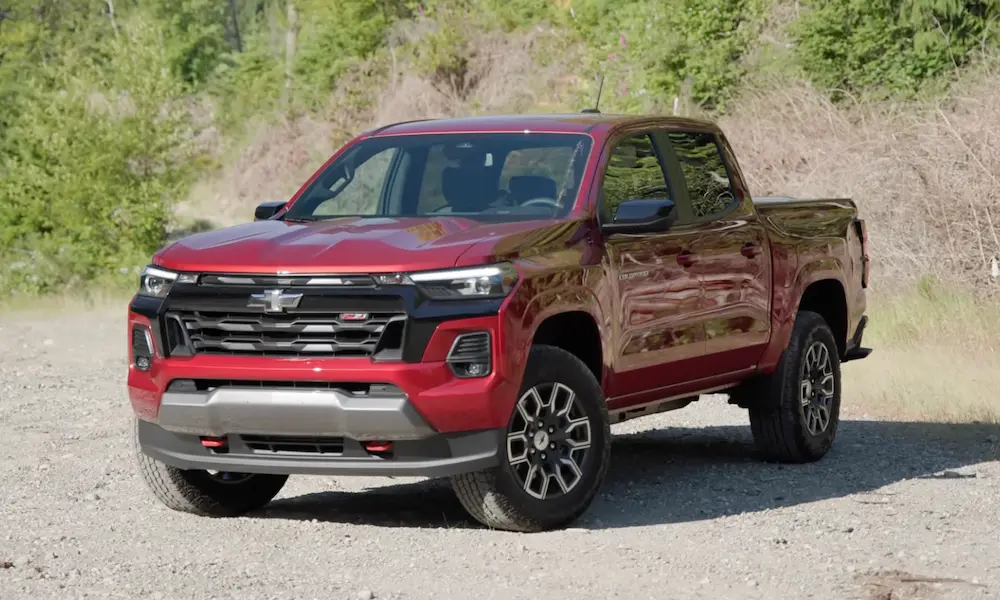
The second-generation Trax (2024-present) shows promising improvements:
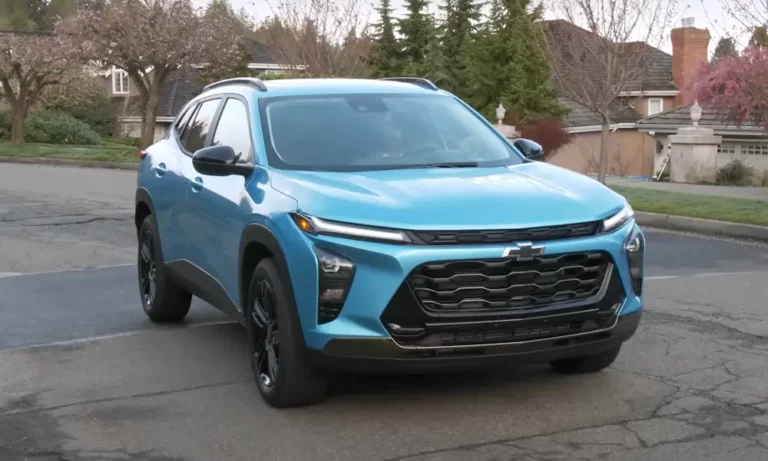
- Completely redesigned platform shared with the Trailblazer
- Updated 1.2L turbocharged three-cylinder engine with improved reliability
- More robust electrical system with fewer reported glitches
- Improved build quality with better fit and finish
However, as with most first-year redesigns, the 2024 model experienced some teething problems. The 2025 model appears to have addressed many of these issues, earning better reliability scores and owner satisfaction ratings.
Maximizing Your Chevy Trax Reliability
If you’re set on a Trax, here’s how to get the most reliable experience:
- Choose the right model year: Target 2020-2022 first-generation models or wait for the 2025+ second-generation models
- Avoid the problem years: Stay away from 2015-2019 models, especially the 2016
- Follow maintenance religiously: These turbocharged engines demand regular oil changes with the correct specification
- Consider an extended warranty: Especially important for the new generation until long-term reliability is established
- Check for outstanding recalls: Use the NHTSA website to verify all recalls have been addressed
One particularly important maintenance item: these turbocharged engines are sensitive to oil quality and change intervals. Using anything less than the manufacturer-recommended synthetic oil can lead to premature turbo failure.
Is the Chevy Trax Reliable? The Final Verdict
The Chevy Trax can be reliable – but that reliability depends heavily on choosing the right model year and maintaining it properly.
If you’re buying used, the 2020-2022 models represent the sweet spot of the first generation with most issues ironed out. For new purchases, the 2025 model shows promise as Chevrolet addresses the teething problems of the redesigned 2024 version.
The Trax will likely never match the bulletproof reputation of some Japanese competitors, but it offers a compelling value proposition with reasonable reliability when you choose wisely. For budget-conscious buyers who prioritize features and space over ultimate reliability, a carefully selected Trax can be a smart choice – just do your homework on the specific model year you’re considering.
Remember: in the automotive world, when something seems too good a deal to be true, there’s often a reason. With the Trax, that reason is its inconsistent reliability history – but with smart shopping, you can find a diamond in the rough.