Looking for a muscle car that won’t break down on you? The Chevy Camaro might be on your radar, but you’re wondering if it’s reliable enough for daily driving or weekend thrills. With so many model years and variations, figuring out which Camaros deliver dependability can feel overwhelming.
I’ve dug through the data, analyzed owner experiences, and compared expert ratings to give you the straight facts on Camaro reliability—from the fifth generation to today’s models.
Camaro Reliability: The Big Picture
When looking at the overall reliability of the Chevy Camaro, you’ll find it sits slightly above average in the sports car segment. RepairPal gives the Camaro a 3.5 out of 5.0 reliability rating, ranking it 21st out of 24 midsize cars. While that might not sound impressive at first, there’s more to the story.
The Camaro shines in repair frequency—owners visit repair shops only about 0.2 times per year for unscheduled repairs. That’s better than both the midsize car average (0.3) and the all-vehicle average (0.4). In simple terms: Camaros break down less often than many other cars.
Annual repair costs average $585, which is:
- Higher than the $526 average for midsize cars
- Lower than the $652 average for all vehicles
When problems do occur, they tend to be more serious. The probability of a severe repair is 17% for the Camaro, compared to 12% for both midsize cars and all vehicles generally.
Camaro Reliability by Generation
The Camaro’s reliability story changes dramatically depending on which generation you’re looking at. Let’s break it down:
Fifth Generation (2010-2015): Proceed with Caution
The fifth-gen Camaro represents a classic “avoid the early years” scenario. The 2010-2014 models suffered from several significant issues:
- Timing chain failures in the 3.6-liter V6 engines, typically around 100,000 miles
- Electrical gremlins including flashing instrument clusters and radio problems
- Ignition switch recalls that could cause engines to shut off while driving
- Premature soft-top wear in convertible models
The 2015 model year marked a turning point, with most early issues addressed through redesigns and updates. If you’re set on a fifth-gen Camaro, the 2015 model year is your best bet for reliability.
Sixth Generation (2016-Present): The Reliability Sweet Spot
The sixth-generation Camaro shows a clear upward trend in reliability:
2016-2017: Early Adopter Issues
These early sixth-gen models came with some significant problems:
- 8-speed automatic transmission problems including shuddering, jerky shifts, and harsh downshifts
- Power steering assist failures requiring more effort to turn the wheel
- Transmission control valve issues leading to inconsistent fluid pressure
2018-2024: The Golden Years
Starting with the 2018 model year, Camaro reliability took a major leap forward. J.D. Power ratings show impressive scores for recent years:
- 2023 Camaro: 86/100
- 2022 Camaro: 83/100
- 2020-2021 models: 86/100
These recent models benefit from:
- Refined transmission systems with improved 8-speeds and new 10-speed automatics
- Enhanced electrical systems with fewer reported issues
- Better overall build quality across all trim levels
- More advanced safety features and technology
Engine Reliability Breakdown
Your Camaro’s reliability also depends heavily on which engine is under the hood.
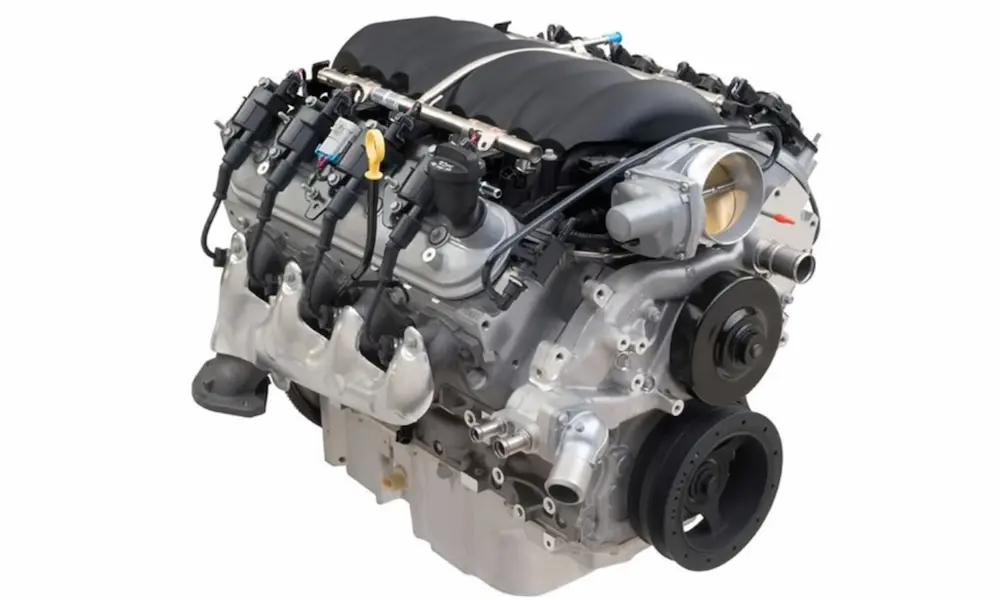
LS3 V8 Engine (2010-2015 SS Models)
The LS3 V8 found in fifth-gen SS models is widely considered highly reliable with minimal serious issues. Common minor problems include:
- Water pump leaks (most frequent issue but relatively inexpensive to fix)
- Bent push rods (rare and affordable to replace)
- AFM (Active Fuel Management) lifter issues in the L99 variant used in automatic transmission SS models
LT1 V8 Engine (2016-Present SS Models)
The LT1 V8 in sixth-gen SS models shows excellent reliability, building on GM’s decades of small-block V8 development. While the direct injection system adds complexity, it hasn’t resulted in widespread reliability issues in real-world use.
Four-Cylinder and V6 Options
The base turbocharged four-cylinder and V6 engines in modern Camaros are generally reliable, though the V6 in early fifth-gen models (2010-2012) had timing chain issues that were largely resolved in later years.
Transmission Reliability
Your choice of transmission significantly impacts your Camaro’s reliability:
Manual Transmissions: These are consistently reliable across all generations with minimal reported problems. If you can drive a stick, this is often the most dependable choice.
8-Speed Automatics (2016-2018): These are known for shuddering issues due to moisture contamination in the transmission fluid. GM addressed this with Technical Service Bulletin 18-NA-355, and a fluid flush typically resolves the problem.
10-Speed Automatics (2019-Present): Generally reliable, though subject to a recent recall for transmission control valve wear affecting 2020-2022 models. The National Highway Traffic Safety Administration estimates only about 1% of affected vehicles will experience the issue.
Comparing Camaro Reliability to Competitors
How does the Camaro stack up against its muscle car rivals?
Camaro vs. Ford Mustang:
- RepairPal ratings: Camaro 3.5/5.0 vs. Mustang 3.0/5.0
- iSeeCars ratings: Camaro 7.3/10 vs. Mustang 7.8/10
- Average lifespan: Camaro 10.8 years vs. Mustang 8.9 years
In the sports car segment, the Camaro ranks 7th out of 14 cars in reliability according to recent analysis. While not leading the pack, it performs respectably among performance-oriented vehicles.
Ownership Costs and Longevity
Owning a Camaro isn’t just about the purchase price—ongoing costs affect the overall ownership experience:
Annual Ownership Costs:
- Edmunds estimates 5-year ownership costs between $44,791 and $74,869 depending on trim level
- Base turbocharged four-cylinder models are most economical to maintain
- KBB projects a 5-year cost to own at $71,758 for base models
Lifespan Expectations:
A properly maintained Camaro can easily reach 100,000 miles with minimal issues, particularly in the 2018+ model years. iSeeCars analysis indicates an average lifespan of 106,026 miles or about 10.4 years.
Insurance Costs:
Expect to pay between $1,600-$2,000 annually for base models and up to $3,000 for high-performance ZL1 variants.
Recent Recalls and Safety Concerns
Recent recalls highlight ongoing attention to Camaro reliability and safety:
2025 Transmission Recall: Affects 90,081 vehicles (2020-2022 Camaros with 10-speed transmissions) for potential wheel lock-up issues. Car and Driver reports GM estimates only 1% of affected vehicles will experience the problem.
2025 Security Recall: Addresses Body Control Module security vulnerabilities in some 2020-2024 models to improve theft resistance.
Power Steering Recall: Covers 2017-2018 models for potential electric power steering assist failure.
What Owners Are Saying
Real-world owner experiences often tell a more complete story than statistics alone:
Reddit discussions reveal generally positive experiences with 2018+ models. Many owners report minimal issues beyond routine maintenance, with plenty using their Camaros as daily drivers without significant reliability concerns.
Camaro forums like Camaro6 show a clear consensus: the 2018 and newer models represent a significant reliability improvement over earlier years.
Best and Worst Camaro Years for Reliability
Based on comprehensive analysis, here are the Camaro model years to seek out or avoid:
Best Years for Reliability
- 2018-2024 (Sixth Generation): These represent the pinnacle of Camaro reliability with refined systems and proven dependability
- 2015 (Fifth Generation): The final and most reliable year of the fifth generation
Years to Approach with Caution
- 2010-2014 (Early Fifth Generation): Timing chain issues, electrical problems, and ignition switch recalls make these years problematic
- 2016-2017 (Early Sixth Generation): Transmission issues and power steering problems make these less desirable than later sixth-gen models
Maximizing Your Camaro’s Reliability
If you already own a Camaro or plan to buy one, these tips will help maximize reliability:
- Follow the maintenance schedule religiously: This is especially crucial for high-performance SS and ZL1 variants
- Address minor issues promptly: Small problems can escalate into major repairs if ignored
- Consider fluid changes more frequently than recommended: Particularly for transmission fluid in models with the 8-speed automatic
- Find a specialist: A mechanic experienced with Camaros will better diagnose and fix issues
The Verdict: Are Chevy Camaros Reliable?
The answer is nuanced but generally positive: Yes, modern Chevy Camaros (especially 2018 and newer) are reliable vehicles when properly maintained. While they may not match the bulletproof reputation of some Japanese competitors, they offer above-average reliability for the sports car segment.
The 2018-2024 Camaros stand out as particularly dependable options, benefiting from years of refinement and problem-solving. With proper maintenance, these models can provide the thrilling Camaro experience without excessive reliability concerns.
If you’re shopping for a used Camaro, prioritize 2018 or newer models for the best reliability, or a 2015 if you prefer the fifth generation’s styling. Avoid 2010-2014 and 2016-2017 models unless the vehicle has documented proof of addressing the common issues for those years.
When properly selected and maintained, a Chevy Camaro can deliver the perfect blend of performance thrills and dependable transportation for many years to come.