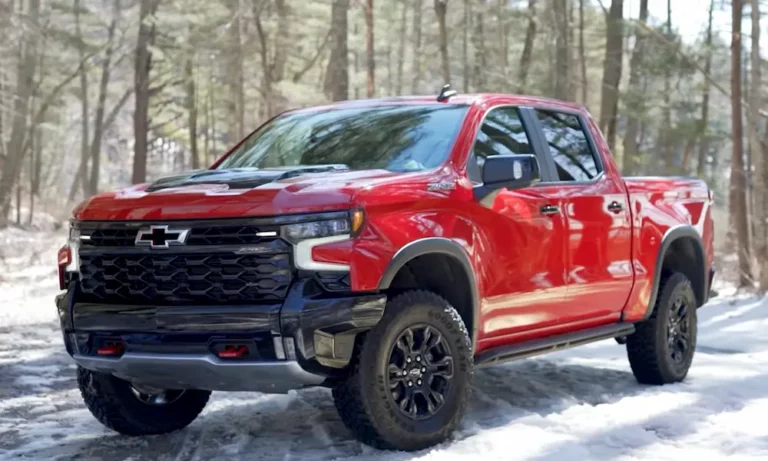
Is your Chevy Silverado part of the massive brake pressure recall affecting thousands of trucks? This crucial safety issue could put your vehicle at risk of fire. Read on to discover if your truck is affected, what warning signs to watch for, and exactly what steps you need to take to protect yourself and your vehicle.
The Scope of the Chevy Silverado Brake Pressure Recall
General Motors has issued a significant recall affecting 62,468 Chevrolet Silverado Medium Duty trucks spanning model years 2019-2024. This recall, formally identified as NHTSA Recall 25V390 and GM Recall N242482680, was announced on June 25, 2025.
The recall specifically targets:
- 2019-2024 Chevrolet Silverado 4500HD trucks
- 2019-2024 Chevrolet Silverado 5500HD trucks
- 2019-2024 Chevrolet Silverado 6500HD trucks
The largest segment of affected vehicles includes 10,097 units of the 2023 Chevrolet Silverado 5500HD manufactured between January 20, 2023, and March 19, 2024. While the recall covers over 62,000 trucks, GM estimates only about 1% of these vehicles actually contain the defect.
What’s Causing the Problem?
The issue stems from a manufacturing defect in the brake pressure sensor assembly. An unauthorized chemical used by the supplier (Kodiak Controls Inc.) during production has compromised the rubber diaphragm in the sensor.
Here’s what happens:
- The defective diaphragm degrades when exposed to brake fluid
- Brake fluid leaks beyond the seal into the brake pressure switch
- The fluid contacts electrical components in the switch
- This creates the potential for electrical shorts and excessive heat
- The resulting heat can trigger a fire
What makes this recall particularly concerning is that fires can occur whether your truck is being driven or parked. One confirmed fire incident has already been linked to this defect out of 160 potentially related reports.
Warning Signs Your Silverado Might Be Affected
If you own a Chevy Silverado Heavy Duty truck, be on the lookout for these warning signs:
- Dashboard warning lights: The “Service brake system” warning illuminated on your dash is the most common indicator
- Fluid leaks: Brake fluid leaking near the brake pedal or under your vehicle
- Unusual odors: An overheating smell or burning odor, especially around the brake components
- Changes in brake performance: Any noticeable difference in how your brakes feel or respond
Don’t ignore these warning signs. They could be the early indicators of a serious safety issue that needs immediate attention.
The Repair Solution
General Motors has developed a straightforward fix for this problem. Dealers will replace the brake pressure switch wire harness with an improved version containing silicone sealant that prevents brake fluid from flowing through the harness.
This repair will be provided completely free of charge to all owners of affected vehicles. However, until your truck is repaired, GM strongly advises parking your vehicle outdoors and away from structures to minimize fire risk.
| Recall Timeline | Key Dates |
|---|---|
| Recall Announcement | June 25, 2025 |
| Dealer Notification | June 12, 2025 |
| First Owner Notifications Mailed | July 28, 2025 |
| Second Notifications (when parts available) | Date TBD |
Not The First Brake Issue for These Trucks
Interestingly, this isn’t the first brake-related recall for these Silverado models. A previous recall (23V266) was issued in April 2023 for over 40,000 vehicles with a similar but different brake pressure sensor issue. That recall involved zinc sealant fragmentation problems.
If your truck was previously repaired under the 2023 recall, you’ll still need this new fix as well. The earlier repair doesn’t address the current diaphragm degradation issue.
Which Silverados Aren’t Affected?
Not all Silverados are included in this recall. Here’s who’s in the clear:
- Silverado models manufactured before 2019
- Some 2024 model year vehicles already equipped with the updated silicone-sealed brake switch wire harness
- Standard Silverado 1500, 2500HD, and 3500HD models (this recall specifically targets Medium Duty trucks)
These vehicles either use a completely different brake system design or already have the updated components that prevent this specific issue.
Immediate Steps for Silverado Owners
If you think your truck might be affected, here’s what you should do right away:
- Verify if your vehicle is included by visiting nhtsa.gov or calling the NHTSA safety hotline at 1-888-327-4236
- Contact GM Customer Service at 1-866-467-9700 with recall number N242482680
- Move your truck outdoors and away from buildings until repairs are completed
- Watch for notification letters which began mailing on July 28, 2025
- Schedule service with an authorized Chevrolet dealer as soon as parts are available
Why This Recall Matters
While only about 1% of the recalled vehicles are expected to have the actual defect, the potential consequences are serious enough to warrant immediate action. A vehicle fire can quickly spread to surrounding structures, putting property and lives at risk.
The fire risk from this brake pressure issue is present whether your truck is being driven or parked. This means your vehicle could potentially catch fire while sitting in your garage overnight – a particularly dangerous scenario.
Broader Impact on Chevy Truck Owners
This recall adds to a growing list of brake-related issues affecting General Motors trucks in recent years. While the current recall specifically targets Medium Duty Silverados, it highlights the importance of responding promptly to recall notices for all vehicle owners.
For commercial fleet operators who rely heavily on these trucks, the recall presents additional logistical challenges. Finding alternative parking for multiple large trucks and coordinating repairs across a fleet requires careful planning.
Getting Back on the Road Safely
Once your truck has received the necessary repairs, you can return to normal operation with confidence. The updated brake pressure switch wire harness with silicone sealant effectively addresses the risk of fluid leakage and electrical shorts.
Regular maintenance remains important even after the recall repair. Having your brake system inspected during routine service appointments can help catch any potential issues early. Pay particular attention to brake fluid levels and be alert for any warning lights on your dashboard.
Understanding Your Rights as a Vehicle Owner
Manufacturers are legally required to remedy safety defects at no cost to owners, regardless of whether your vehicle is under warranty. This recall repair falls under this obligation.
If you’ve already paid for repairs related to this specific issue before the recall was announced, you may be eligible for reimbursement from GM. Save all your repair documentation and contact GM customer service for information on the reimbursement process.
The Technical Details Behind the Recall
For those interested in the more technical aspects, the problem occurs because the rubber diaphragm in the brake pressure sensor was manufactured using an unauthorized chemical that makes it susceptible to degradation when exposed to brake fluid.
When the diaphragm fails, brake fluid can leak into the electrical components of the brake pressure switch. Brake fluid is conductive enough to cause electrical shorts, which generate heat. If this heat becomes excessive, it can ignite surrounding materials and potentially cause a vehicle fire.
The new wire harness design incorporates silicone sealant specifically chosen for its resistance to brake fluid, effectively preventing fluid from reaching sensitive electrical components even if the diaphragm fails.
| Component | Original Design | Updated Design |
|---|---|---|
| Sensor Diaphragm | Rubber with unauthorized chemical | Same physical component |
| Wire Harness | Standard design | Enhanced with silicone sealant |
| Protection Mechanism | None | Prevents fluid migration to electrical components |
Staying Informed About Vehicle Safety
This recall serves as an important reminder to stay vigilant about vehicle safety notices. Manufacturers and safety agencies work continuously to identify and address potential safety issues, but their effectiveness depends on owner participation.
To ensure you’re always informed about potential safety issues with your vehicle:
- Keep your contact information updated with your vehicle’s manufacturer
- Regularly check for recalls by visiting nhtsa.gov/recalls and entering your VIN
- Don’t ignore recall notices when they arrive in the mail
- Act promptly when you learn about a recall affecting your vehicle
Vehicle safety is a shared responsibility between manufacturers and owners. By staying informed and taking prompt action when recalls are issued, you help protect yourself, your passengers, and others on the road.