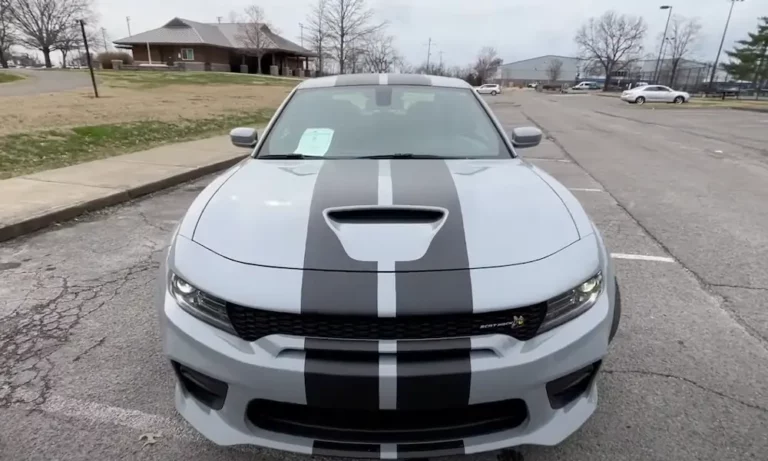
Thinking about getting a Dodge Charger but worried about reliability? You’re smart to do your homework. The Charger’s muscular looks and powerful performance make it tempting, but knowing what you’re getting into maintenance-wise can save you headaches (and money) down the road.
Dodge Charger Reliability: The Quick Answer
Dodge Chargers from 2015 and newer are moderately reliable vehicles, scoring 3.5 out of 5 according to RepairPal. They cost about $652 annually to maintain, slightly higher than the typical full-size sedan. With proper care, many Chargers can reach 150,000+ miles, with some V6 models exceeding 200,000 miles.
How Reliability Has Changed Across Charger Generations
The Dodge Charger’s reliability story is one of steady improvement. Let’s break it down by generation:
2006-2010 Models: Approach With Caution
The sixth-generation Chargers had significant growing pains:
- The 2.7L V6 engine developed oil sludge problems
- Transmission failures were common
- Electrical system issues plagued many vehicles
- DodgeProblems.com shows these models ranked 48th out of 54 vehicles for reliability
Bottom line: These early models are best avoided unless heavily discounted and thoroughly inspected.
2011-2014: The Transition Years
The seventh generation brought improvements:
- Introduction of the more reliable 3.6L Pentastar V6
- Enhanced structural integrity with 18% more high-strength steel
- Better interior quality and technology
However, these models still had issues:
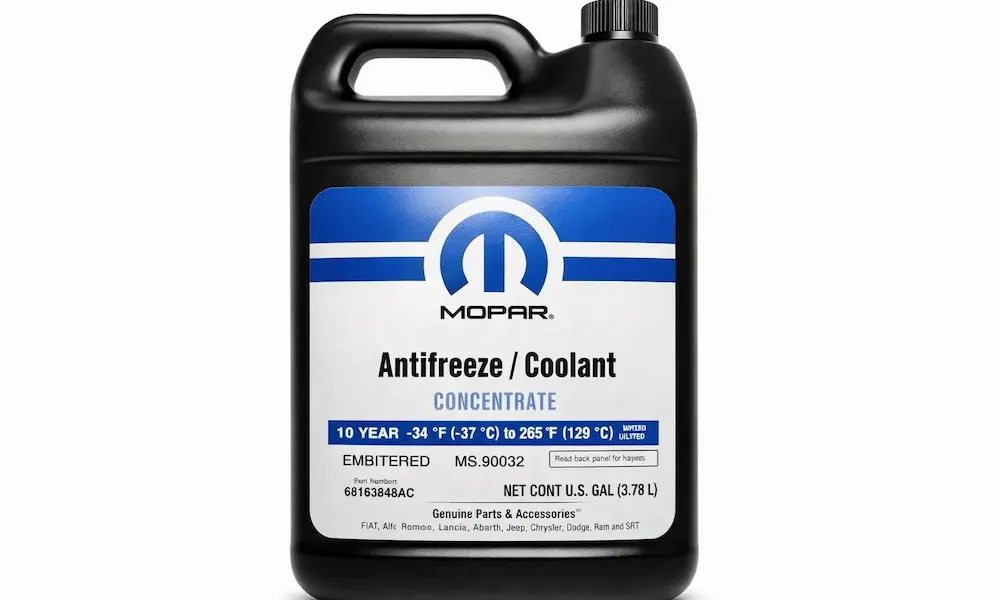
- Plastic oil coolers prone to failure (mixing oil and coolant)
- Timing chain stretch in early Pentastar engines
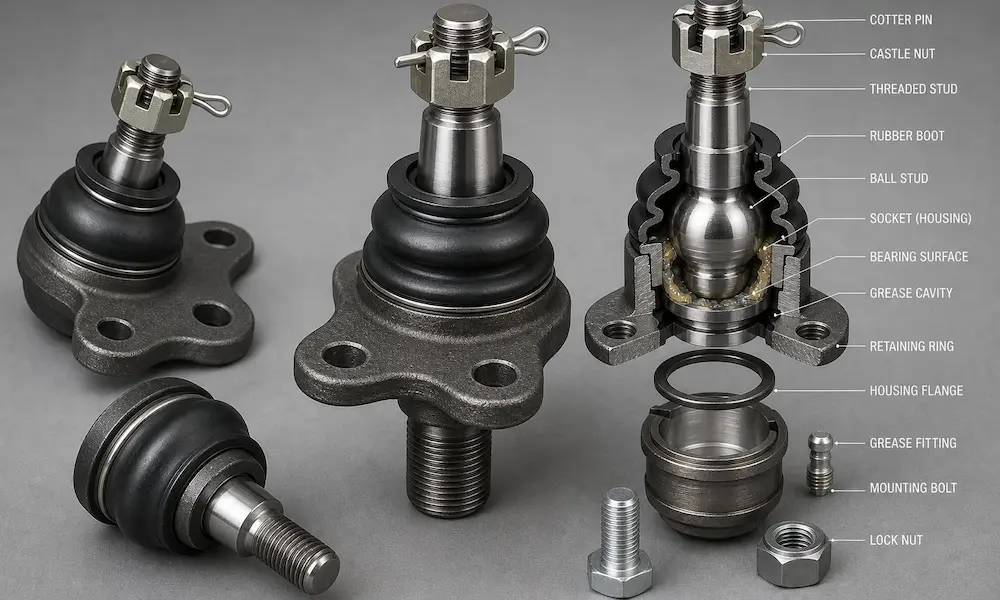
- Suspension problems, especially with control arm bushings
2015-2023: The Sweet Spot
The mid-cycle refresh in 2015 marked a turning point:
- ZF 8-speed automatic transmission improved shift quality and durability
- Updated electronics with fewer glitches
- Refined Pentastar V6 with longer service intervals
- Lower control arm issues persisted but were less common
These later models show significant reliability improvements, with properly maintained V6 models regularly exceeding 200,000 miles.
Reliability by Engine Type
Your choice of engine significantly impacts Charger reliability:
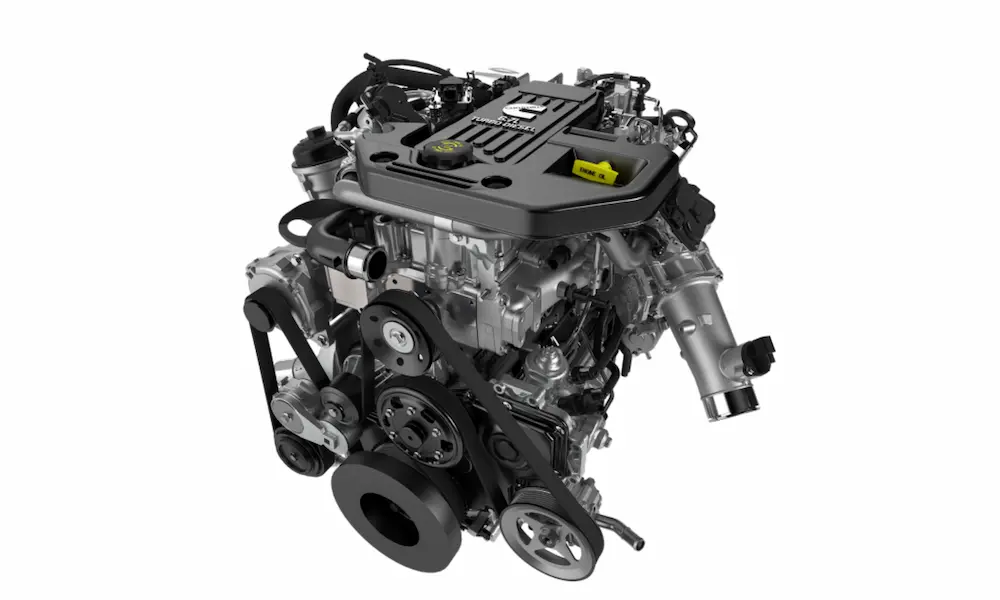
3.6L Pentastar V6: The Reliable Option
- 285-300 horsepower with 20-28 MPG highway
- Most reliable engine option in the lineup
- Post-2012 models addressed timing chain and water pump issues
- Spark plug service intervals extended to 100,000 miles
- Phoenix Police reported fleet units averaging 180,000 miles before major service
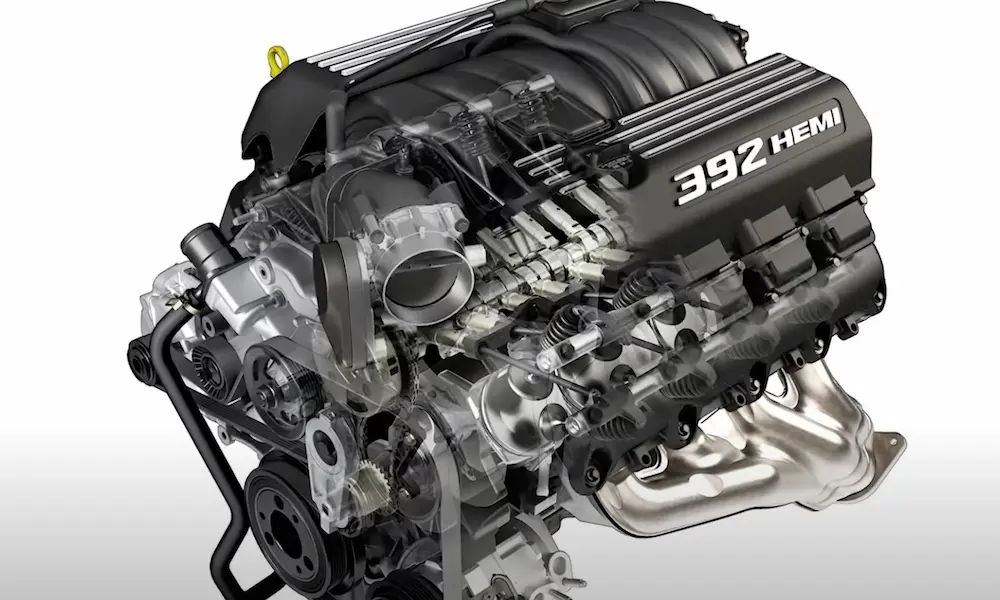
5.7L/6.4L Hemi V8: Performance With Compromise
- 370-485 horsepower, impressive acceleration
- Higher maintenance demands than V6 models
- Common issues include:
- MDS (Multi-Displacement System) lifter failure around 100k miles ($2,500-$4,000 repair)
- Exhaust manifold bolts shearing due to heat cycles
- Higher oil consumption than V6 models
Pro tip: V8 Chargers benefit from more frequent oil changes (every 5,000 miles) using quality synthetic oil.
Electric Charger Daytona (2024+): The Unknown
The newest electric Charger Daytona introduces:
- 496-670 horsepower with 241-308 mile ranges
- Completely new technology with no long-term reliability data
- Early Edmunds reviews suggest solid build quality but note:
- Limited charging speed (183 kW) compared to competitors
- Fratzonic speaker system (artificial engine noise) prone to software glitches
- Expected battery degradation of approximately 1.8% annually
Common Dodge Charger Problems to Watch For
Even the most reliable Chargers can develop these issues:
Suspension Issues
- Lower control arm bushings wear prematurely, causing:
- Front-end squeaking and rattling
- Alignment problems
- Uneven tire wear
- Replacement cost: $320-$480 depending on labor rates
- YouTube diagnosticians consistently rank this as the most common Charger complaint
Electrical Gremlins
- Uconnect infotainment system freezes or reboots randomly
- Power steering faults in 5-7% of 2015-2018 models
- Dashboard electrical issues more common in humid climates
- Window regulators failing prematurely
Transmission Problems
- 5-speed units in 2006-2014 models prone to harsh shifting and premature failure
- 8-speed transmissions (2015+) generally reliable but require fluid changes at 60,000 miles
- Transmission computer reprogramming sometimes needed to address shifting quirks
HEMI-Specific Issues
V8 engines are prone to:
- Cylinder deactivation system failures
- Oil consumption increasing with age
- Exhaust manifold leaks due to warping
- Cooling system strain in heavy traffic or extreme heat
Maintenance Costs: What to Budget
According to iSeeCars and RepairPal, expect to spend:
| Maintenance Item | Interval | Typical Cost |
|---|---|---|
| Oil Change (V6) | 8,000 miles | $65-95 |
| Oil Change (V8) | 6,000 miles | $75-110 |
| Transmission Service | 60,000 miles | $280-400 |
| Brake Pads/Rotors | 40,000-60,000 miles | $350-600 |
| Differential Fluid | 30,000 miles (AWD) | $120-180 |
| Lower Control Arms | 80,000-100,000 miles | $320-480 per side |
The average annual maintenance cost of $652 is about 10% higher than the typical full-size sedan, but lower than many luxury performance vehicles.
How Charger Reliability Compares to Competitors
| Vehicle | RepairPal Rating | Annual Cost | Major Repair Probability | 200k Mile Potential |
|---|---|---|---|---|
| Dodge Charger | 3.5/5 | $652 | 12% | 15.5% |
| Chevrolet Impala | 3.8/5 | $568 | 9% | 16.8% |
| Ford Taurus | 3.5/5 | $697 | 11% | 14.2% |
| Toyota Avalon | 4.0/5 | $463 | 8% | 22.7% |
Data compiled from RepairPal and iSeeCars reliability studies.
Owner Experiences and Long-Term Reliability
Consumer reviews show a mixed but generally positive picture:
- V6 owners report fewer issues and greater satisfaction with reliability
- V8 owners accept higher maintenance costs as a trade-off for performance
- Many owners exceed 150,000 miles with proper maintenance
- Police fleet Chargers regularly see 150,000+ miles of hard use
One owner on Reddit noted: “My 2016 Charger SXT (V6) just hit 130k miles. Other than routine maintenance and one wheel bearing, it’s been completely trouble-free.”
Best and Worst Years for Dodge Charger Reliability
Best Years
- 2019-2023 models show the fewest reported problems
- 2015-2018 models offer good reliability after initial bugs were worked out
- V6 models generally outperform V8s for long-term dependability
Worst Years
- 2006-2008 models had significant engine, transmission, and electrical issues
- 2011-2012 early Pentastar engines had timing chain and cooler problems
- DodgeProblems.com indicates 2006-2007 models had the highest complaint rates
Buying a Used Charger: What to Look For
If you’re shopping for a pre-owned Charger:
- Target sweet spot years: 2015-2023 models offer the best reliability-to-value ratio
- Prioritize maintenance records: A well-maintained V8 can outperform a neglected V6
- Check for these issues during inspection:
- Suspension noises during test drive
- Oil leaks around cooler connections
- Transmission shift quality (should be smooth)
- Engine error codes, even if check engine light is off
- Consider a pre-purchase inspection from a mechanic familiar with Dodge vehicles
Final Verdict: Are Dodge Chargers Reliable?
The Dodge Charger’s reliability depends heavily on model year, engine choice, and maintenance history:
- 2015-2023 V6 models: Good reliability, comparable to most mainstream sedans
- 2015-2023 V8 models: Moderate reliability with higher maintenance demands
- 2006-2014 models: Below average reliability, approach with caution
- 2024+ Electric models: Too new to assess long-term reliability
While not as trouble-free as some Japanese competitors, modern Chargers offer reasonable reliability when properly maintained. Their muscular styling and performance characteristics come with trade-offs in maintenance costs and potential repair frequency.
For the best balance of performance and reliability, a 2015 or newer Charger with the 3.6L Pentastar V6 represents the sweet spot in the lineup. V8 enthusiasts should budget for additional maintenance and consider extended warranty coverage for peace of mind.
Remember that individual maintenance habits impact reliability more than model statistics – a well-cared-for Charger can provide years of dependable service and driving enjoyment.