The Ford Bronco looks tough. But does it hold up? If you’re shopping for one—or already own one—you want the truth, not a sales pitch. This post breaks down real reliability data, common problems, engine longevity, and how the Bronco stacks up against the Wrangler and 4Runner. Stick around, because the answer changes a lot depending on which model year you’re looking at.
The Short Answer: It Depends on the Year
Are Ford Broncos reliable? Real-world data and owner feedback say yes—but with a caveat. The 2021 launch was rough. The 2023 and newer models? Much better. By 2025 and 2026, the Bronco has genuinely hit its stride.
The modern Bronco went through the classic “new platform” growing pains. Launching a ground-up redesign during a global supply chain crisis in 2021 didn’t help. But Ford didn’t ignore the problems—they fixed them, year after year.
Here’s the full reliability picture by model year:
| Model Year | Reliability Rating | Key Issues |
|---|---|---|
| 2021 | Below Average | Hardtop delamination, 2.7L valve failures, SYNC bugs |
| 2022 | Average | MIC 2.0 hardtop introduced, manual trans synchro updates |
| 2023 | Above Average | Improved door seals, HOSS 3.0 steering expanded |
| 2024 | Above Average | Better electrical grounding, G.O.A.T. software stability |
| 2025 | Recommended | 12-inch digital cluster, 2.3L port injection added |
| 2026 | Recommended | SYNC 5, 60th Anniversary editions, HOSS 4.0 |
Bottom line: Skip the 2021 and 2022 if you can. Buy 2023 or newer and you’re getting a much more sorted vehicle.
What Went Wrong With Early Broncos
The Hardtop Disaster
The molded-in-color (MIC) hardtops on 2021 models were a genuine mess. Owners reported delamination, ugly “honeycombing” patterns, and water leaks. Ford eventually replaced them under warranty and released the improved MIC 2.0 version in late 2022.
If you’re buying a used 2021, check whether the hardtop has already been replaced.
The 2.7L Valve Failure
A specific batch of early 2021 2.7-liter EcoBoost engines had brittle exhaust valves that could snap without warning. Ford issued a recall, and engineering revisions eliminated the problem for 2022 and beyond.
SYNC 4 Gremlins
Early software was buggy—frozen screens, Bluetooth drops, and checkerboard displays showed up regularly. Ford’s SYNC 4 technical service bulletin addressed many of these concerns through software updates pushed over-the-air.
Engine Reliability: 2.3L vs. 2.7L EcoBoost
2.3-Liter EcoBoost: The Smarter Long-Term Pick
The 2.3-liter four-cylinder is the workhorse of the Bronco lineup. It makes 300 horsepower and 325 lb-ft of torque, and it shares its DNA with the Ford Ranger—a platform with a massive reliability track record.
The biggest upgrade? Starting in 2025, the 2.3-liter switched to a Port Fuel and Direct Injection (PFDI) system. Older direct-injection-only engines can build carbon deposits on intake valves over time. The PFDI system eliminates that problem, making 2025+ models significantly better for high-mileage ownership.
2.7-Liter EcoBoost V6: More Power, More Complexity
The 2.7-liter puts out 330 hp and 415 lb-ft of torque. It uses a compacted graphite iron block—the same material found in diesel engines—which is fantastic for structural durability.
The downsides? It has a “wet” oil pump belt and a composite oil pan. These aren’t deal-breakers, but they’re worth knowing about if you’re a DIY mechanic. The good news: multiple owners have crossed the 100,000-mile and 200,000-mile marks without major engine issues when they stay on top of oil changes.
| Engine | Power | Torque | Expected Life | Best For |
|---|---|---|---|---|
| 2.3L EcoBoost I-4 | 300 hp | 325 lb-ft | 150k–200k+ mi | Daily driving + light off-road |
| 2.7L EcoBoost V6 | 330 hp | 415 lb-ft | 200k+ mi | Towing + heavy off-road |
| 3.0L EcoBoost V6 (Raptor) | 418 hp | 440 lb-ft | 200k+ mi | Extreme performance |
Transmission: Automatic vs. Manual
10-Speed Automatic (10R60)
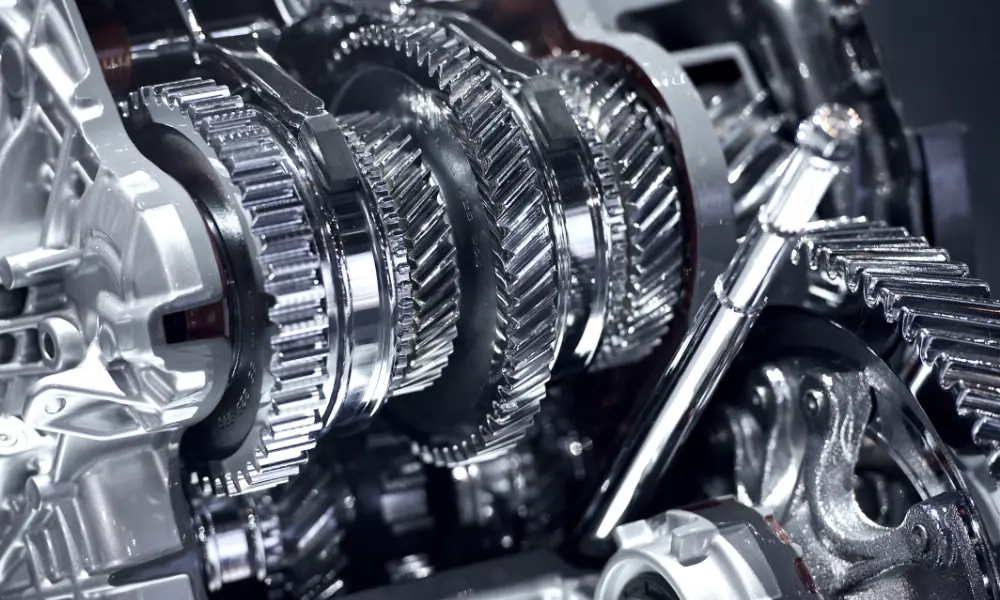
The 10-speed auto keeps the EcoBoost engines in their sweet spot, but early versions had a known issue with the CDF drum bushing. It could migrate out of position, damage a Teflon seal, and cause harsh or delayed shifts.
Ford redesigned the CDF drum in August 2022 with a retaining lip to lock the bushing in place. Broncos built after late 2022 have this fix from the factory. For earlier models, TSB 22-2428 outlines the fix.
7-Speed Manual (Getrag MT88)
The 7-speed manual is a fan favorite because of its dedicated crawler gear. However, early units made a scraping or grinding noise in cold weather—specifically when in neutral or first and second gear.
Ford’s TSB 22-2371 traced the noise to the 5th and 6th gear synchronizer rings. The “AB” revision introduced in 2023 fixed it on newer builds. The noise sounds alarming, but it’s a nuisance—not a sign of impending failure.
Known Problem Areas Worth Knowing About
Tie Rods: The “Adventure Fuse”
The Bronco’s factory tie rods can snap during aggressive rock crawling, especially with larger aftermarket tires. Many analysts believe Ford engineered them as a sacrificial weak point—they break before the far more expensive electric steering rack does.
If you’re running 35-inch or 37-inch tires and hitting serious trails, upgrade to the Ford Performance Severe-Duty steering rack or add tie rod braces. It’s not optional for serious wheeling.
Water Leaks
Water intrusion has been a recurring complaint, especially on 2021 and 2022 models. The most common source is the A-pillars and windshield header. Ford’s TSB 21-2403 covers the fix: resealing factory gaps and replacing the header seal.
Hardtop panels also need clean, properly aligned seals. Dirt or debris on the rubber gaskets causes leaks. Many owners keep the seals conditioned with a silicone-based protectant.
Windshield Chips and Cracks
The Bronco’s upright windshield is a magnet for rock chips. Long-term owners report needing multiple windshield replacements by 100,000 miles. A hood deflector helps somewhat. Budget for this if you drive highways regularly.
12-Volt Battery Drain
Early 2021–2023 Broncos had documented 12-volt battery issues. Premature failures were common, often linked to parasitic draw from multiple connected modules. Many high-mileage owners recommend upgrading to a higher-capacity AGM battery for peace of mind. Also worth noting: OTA software updates can fail or trigger fault codes if the 12-volt battery is weak.
How Does the Bronco Compare to Its Rivals?
Ford Bronco vs. Jeep Wrangler
The Wrangler is the Bronco’s closest competitor, but Consumer Reports and J.D. Power consistently rank the Bronco’s reliability higher. Common Wrangler problems include the infamous “death wobble,” steering gear failures, and electrical issues in the 4xe hybrid versions. The Bronco’s independent front suspension also gives it a smoother, more reliable on-road experience—which matters when you’re driving to the trailhead, not just on it.
Ford Bronco vs. Toyota 4Runner
The 4Runner is the reliability king of the segment—full stop. Its 1GR-FE V6 and 5-speed automatic regularly hit 300,000 miles with minimal drama. But the 4Runner is also technologically outdated, thirsty at the pump, and less capable in technical terrain.
The tradeoff is real. The 4Runner offers peace of mind. The Bronco offers modern power, better off-road tech, and a more engaging drive—at the cost of slightly more maintenance attention.
| Metric | Ford Bronco | Jeep Wrangler | Toyota 4Runner |
|---|---|---|---|
| Reliability Rating | Above Average (2023+) | Below Average | Excellent |
| 10-Year Maintenance Cost | ~$10,313 | ~$11,605 | ~$5,470 |
| Off-Road Capability | Excellent | Excellent | Good |
| On-Road Comfort | Good | Poor | Good |
| Modern Tech | Yes | Moderate | No |
Maintenance cost data sourced from CarEdge’s 10-year rankings.
What High-Mileage Owners Actually Report
Real-world data is starting to roll in. Multiple 2021 Bronco owners have now crossed 100,000 miles—some are approaching 200,000.
One owner at 107,000 miles reported original brakes and rotors still intact, with the engine and transmission running without issues. The catches? Three windshield replacements and a new battery at year two. Another owner at 80,000 miles noted a flawless engine but had dealt with a cracked washer bottle and a failed A/C pressure sensor.
The pattern is clear: the core mechanicals are holding up well. The peripheral components—sensors, glass, small plastic parts—need more attention as the miles stack up.
What About the Bronco Sport?
The Bronco Sport is a different vehicle entirely. It’s built on the Ford Escape’s unibody platform, uses smaller EcoBoost engines (1.5L and 2.0L), and has a continuous AWD system instead of the full-size Bronco’s selectable 4×4 setup.
Early 2021 Sports had serious problems—loose suspension bolts, fuel injector failures, and brake issues. But Consumer Reports gave the Bronco Sport a reliability recommendation by 2024 after substantial improvement. If you want a Bronco Sport, the 2.0-liter four-cylinder (Badlands trim) is the better engine choice.
Annual maintenance for the Sport runs about $500—slightly less than the full-size Bronco’s $500–$775 range.
Maintenance Costs: What to Budget
For the average Bronco owner, annual maintenance runs between $500 and $775. That covers oil changes, tire rotations, and inspections.
Off-road use accelerates some services:
- Air filter: Replace more often after dusty trails
- Differential fluids: Change every 30,000–50,000 miles if you’re wheeling regularly (not the factory 150,000-mile interval)
- Transfer case fluid: Same schedule as differentials
- 12-volt battery: Consider upgrading to a high-capacity AGM unit proactively
The Ford Bronco maintenance schedule shifts significantly if you use the vehicle for what it was designed to do. Plan accordingly.
The 2025 and 2026 Bronco: The Safest Bets
If you’re buying new, the 2025 and 2026 models represent the most refined versions of the platform yet.
2025 highlights:
- 12-inch digital instrument cluster as standard equipment
- 2.3L engine gets PFDI (port + direct injection)—huge for long-term reliability
- Better cabin sound insulation
2026 highlights:
- SYNC 5 infotainment for faster, more stable performance
- 60th Anniversary editions bundle HOSS 3.0 steering and Sasquatch package equipment
- Benefit from five years of real-world problem-solving baked into the design
The 2026 Bronco changes aren’t dramatic on paper, but they represent the compounded result of Ford listening to owners and fixing what needed fixing.
The Verdict on Ford Bronco Reliability
The Ford Bronco is reliable—as long as you buy the right model year and maintain it properly.
- Avoid: 2021 and early 2022 unless you’ve verified the known issues are already resolved
- Safe bet: 2023 or newer
- Best bet: 2025 or 2026 with the 2.3L PFDI engine
The Bronco isn’t a “set it and forget it” vehicle like a 4Runner. It rewards attentive owners who change their oil regularly, keep the battery healthy, and respect the tie rods on tough trails. Do that, and this thing can go well past 200,000 miles without drama.
It’s not perfect. But it’s a genuinely capable, modern off-roader that’s gotten dramatically better with each passing year—and that trajectory is worth something.