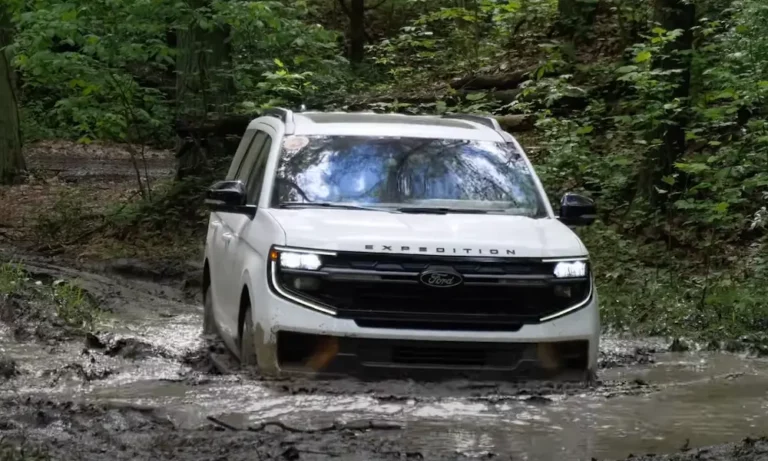
Thinking about buying a Ford Expedition but worried about reliability? You’re smart to do your homework. The Expedition has been a mainstay in Ford’s lineup since 1997, but its dependability has varied significantly across generations. Let’s dive into what you need to know before committing to this full-size family hauler.
What Reliability Ratings Say About the Ford Expedition
The Ford Expedition currently holds a middle-of-the-pack 3.0 out of 5 reliability rating from RepairPal, ranking 7th out of 14 full-size SUVs. While not class-leading, this score suggests acceptable dependability for most owners.
Recent improvements are worth noting. In the J.D. Power 2025 U.S. Vehicle Dependability Study, Ford climbed 10 positions to 13th place overall, showing the brand’s commitment to addressing previous issues.
The Cost of Owning an Expedition
When considering reliability, costs matter. Here’s what you can expect:
| Expense Category | Ford Expedition | Full-Size SUV Average |
|---|---|---|
| Annual Repair Cost | $861 | $784 |
| Repair Frequency | 0.2 visits/year | 0.4 visits/year |
| Major Repair Probability | 15% | 15% |
Data from RepairPal shows that while Expedition owners pay more per year for maintenance, they visit the repair shop less frequently than owners of comparable SUVs.
How Long Do Ford Expeditions Last?
Longevity is a key component of reliability. According to iSeeCars, the average Expedition reaches around 148,200 miles, with 18% exceeding the 200,000-mile mark.
Modern Expeditions (2018 and newer) with the 3.5L EcoBoost engine paired with the 10-speed automatic transmission are showing promising durability, with many owners reporting trouble-free operation well beyond 100,000 miles.
The Good and Bad: Expedition Reliability By Generation
Not all Expedition model years are created equal. Here’s a breakdown of the best and worst years:
Problem Years to Avoid
The 2003-2006 Expeditions have earned a notorious reputation for:
- Spark plug ejection issues (costing $1,500+ to repair)
- Transmission failures (averaging $2,700 for replacement)
- Paint delamination problems
These issues are well-documented on Car Complaints, making these years risky purchases on the used market.
The 2015-2017 models also faced:
- Throttle body failures
- Coolant leaks requiring dealer intervention
Early fourth-generation models (2018-2020) worked through:
- 10-speed transmission shudder issues
- Electrical gremlins requiring software updates
Most Reliable Expedition Years
The 2021-2024 models show significant improvement. The 2024 model scores 75/100 for quality from J.D. Power, with Edmunds users praising its refined powertrain and infotainment system.
If buying used, consider:
- Late-model (2010-2014) third-generation Expeditions with the proven 5.4L V8
- 2021 and newer fourth-generation models with updated electronics and transmission programming
Common Ford Expedition Problems and Solutions
Understanding typical issues can help you budget for potential repairs and know what to watch for.
Electrical System Issues
Post-2018 Expeditions can experience battery drain problems. Some owners report vehicles failing to start after sitting for more than 2 weeks due to parasitic draws from electronic systems.
Solution: Many owners recommend installing a battery tender if your Expedition will sit unused for extended periods.
Transmission Concerns
The 10-speed automatic transmission in 2018-2020 models sometimes exhibits hard shifts or shuddering.
Solution: Most transmission issues can be resolved with software updates from Ford dealerships. Transmission performance has improved significantly in 2021+ models.
EcoBoost Engine Maintenance
The twin-turbo EcoBoost engines are powerful but require diligent oil change schedules.
Solution: Stick to Ford’s recommended 7,500-mile oil change interval to prevent turbocharger wear. Using high-quality synthetic oil is crucial for these engines.
How the Expedition Compares to Competitors
To put the Expedition’s reliability in context, here’s how it stacks up against key rivals:
| SUV Model | RepairPal Reliability Rating | Annual Repair Cost | Repair Frequency |
|---|---|---|---|
| Ford Expedition | 3.0/5 | $861 | 0.2 visits/year |
| Chevrolet Tahoe | 3.5/5 | $775 | 0.3 visits/year |
| Toyota Sequoia | 4.5/5 | $642 | 0.2 visits/year |
| Nissan Armada | 3.5/5 | $759 | 0.3 visits/year |
The Toyota Sequoia leads the pack for reliability but lacks some of the Expedition’s towing capacity and technology features. The Chevrolet Tahoe offers lower repair costs but slightly higher repair frequency.
What Owners Are Saying
Expedition owners consistently praise:
- Exceptional towing capability (up to 9,300 pounds)
- Spacious interior comfort, especially in Platinum trim
- Advanced technology features like the SYNC 4 system
Common complaints center around:
- Battery drain issues in newer models
- Ride stiffness, particularly in the off-road oriented Timberline trim
- Higher-than-average fuel consumption
Smart Buying Tips for the Ford Expedition
If you’re shopping for an Expedition, these tips will help you find a reliable example:
- Target the sweet spots: Focus on 2021-2024 models to avoid early fourth-gen issues, or well-maintained 2010-2014 models for budget-conscious buyers.
- Consider certified pre-owned: Ford’s CPO program offers a 7-year/100,000-mile powertrain warranty, giving you extra peace of mind.
- Check for software updates: Ensure any used Expedition has received all available software updates, especially for the transmission and infotainment system.
- Verify maintenance history: Look for vehicles with comprehensive service records showing regular oil changes and scheduled maintenance.
- Budget realistically: Plan for the higher-than-average annual maintenance costs ($861) when calculating your total cost of ownership.
Maintaining Your Expedition for Maximum Reliability
Once you own an Expedition, these maintenance practices will help maximize reliability:
- Follow the maintenance schedule: The owner’s manual outlines Ford’s recommended service intervals—stick to them religiously.
- Address warning lights immediately: Don’t ignore check engine lights or other warnings, as small issues can develop into major problems.
- Use OEM or high-quality parts: Especially for critical components like brake pads, filters, and fluids.
- Find a specialist: A Ford-focused independent mechanic can provide expert service at lower costs than dealerships for out-of-warranty vehicles.
The Expedition’s Most Reliable Features
While we’ve covered problem areas, it’s worth highlighting systems that rarely give owners trouble:
- Seating and interior components: The Expedition’s seats, interior trim, and cargo management features prove durable even after years of family use.
- Four-wheel drive system: The optional 4WD rarely causes issues when maintained properly.
- Body and frame integrity: As a traditional body-on-frame SUV, the Expedition resists structural problems common in unibody vehicles.
Should You Buy a Ford Expedition?
The Ford Expedition makes sense for buyers who:
- Need genuine three-row space and cargo capacity
- Require serious towing capability
- Want modern tech features in a full-size package
However, if maximum reliability is your top priority, the Toyota Sequoia might be a better fit, albeit with some compromise on features and capability.
For most buyers, a 2021 or newer Expedition strikes a good balance between reliability, features, and capability. Just remember to budget appropriately for its premium maintenance costs, and you’ll likely enjoy years of dependable service from this capable family hauler.
With proper maintenance and by choosing the right model year, a Ford Expedition can be a reliable companion for family adventures, daily commutes, and everything in between. The latest models show Ford’s commitment to improving quality, making them increasingly competitive options in the full-size SUV market.