
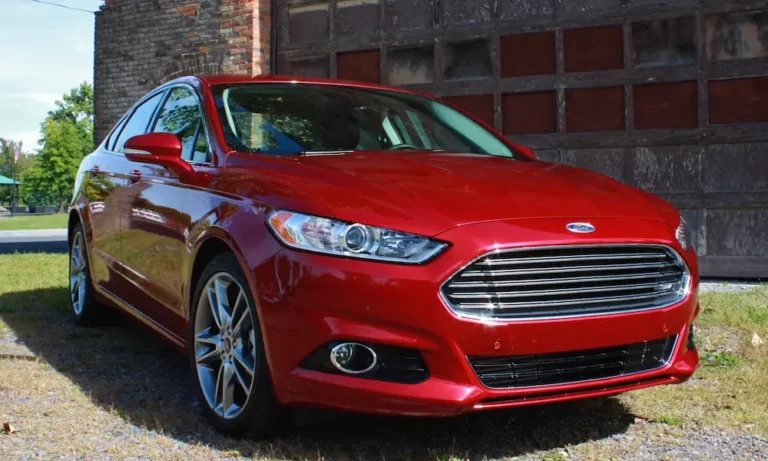
Thinking about buying a Ford Fusion but concerned about reliability? You’re right to ask questions before investing in this popular midsize sedan. This comprehensive guide examines the Fusion’s track record across all model years, highlights common issues, and helps you determine if this discontinued Ford model deserves a spot in your driveway.
Ford Fusion Reliability: The Quick Answer
Ford Fusions have average to above-average reliability, scoring 4 out of 5 from RepairPal with annual maintenance costs averaging $581. However, dependability varies dramatically by model year. The 2016-2020 models are highly reliable with fewer issues, while the 2006-2007 and 2013-2015 models should generally be avoided due to transmission and engine problems.
Best and Worst Ford Fusion Years for Reliability
Not all Ford Fusions were created equal. Let’s break down which model years shine and which ones might leave you stranded.
Most Reliable Ford Fusion Years
Based on owner surveys and diagnostic data, these Fusion model years have proven most dependable:
- 2008: Solid first-generation reliability after initial issues were resolved
- 2012: Peak reliability for the first generation
- 2016-2017: Major improvements in the refreshed second generation
- 2019-2020: The final years saw nearly perfect reliability scores (9/10)
These models typically experience fewer severe diagnostic trouble codes and have higher owner satisfaction ratings. The 2019-2020 models in particular benefit from Ford’s refinements over the Fusion’s 14-year production run.
Fusion Years to Avoid
Several model years have developed reputations for problematic reliability:
- 2006-2007: Early first-generation models suffered from powertrain failures and subpar safety ratings
- 2009: Regression in reliability compared to the 2008 model
- 2013-2015: Second-generation launch years faced significant transmission and engine issues
The 2013-2015 models are particularly concerning, as they introduced a new design with the troublesome 6F35 automatic transmission. A CarBuzz analysis confirms these years had the highest rates of owner complaints and mechanical failures.
Common Ford Fusion Problems
Even reliable vehicles have their weak spots. Here are the issues most frequently reported across Fusion models:
Transmission Issues
Transmission problems plague certain Fusion generations:
- Rough shifting: Especially common in 2013-2015 models
- Premature wear: The 6F35 automatic transmission often requires repair before 100,000 miles
- Differential bearing wear: Hybrid models (2013-2020) may experience this after 130,000 miles
According to mechanic reports, many transmission problems stem from Ford’s original recommendation of 150,000-mile transmission fluid change intervals—far too infrequent for optimal performance. Experts now recommend changing the fluid every 30,000 miles instead.
Steering Problems
The Fusion’s electric power steering (EPS) system has caused headaches for some owners:
- Sudden EPS failure: First-generation models (2010-2012) experienced complete loss of steering assist
- Warning messages: “Power Steering Assist Fault” alerts often precede failures
- Safety concerns: These failures prompted an NHTSA investigation
Door Latch Defects
A widespread issue affecting 2012-2016 Fusions involved door latches that could fail, potentially allowing doors to open while driving. The NHTSA issued a consumer advisory and Ford recalled affected vehicles to replace the faulty components for free.
Ford Fusion Engine Reliability
Engine reliability varies by powertrain option and model year. Here’s how they stack up:
2.5L Duratec (2010-2020)
This naturally-aspirated four-cylinder is widely considered the most reliable Fusion engine:
- Fewer components: Simple design with no turbochargers to fail
- Proven technology: Long production history with refinements over time
- Longevity: Commonly reaches 200,000+ miles with proper maintenance
1.5L and 2.0L EcoBoost
These turbocharged engines offer more power but less reliability:
- Carbon buildup: Direct injection leads to intake valve deposits
- Coolant leaks: Some models suffer from internal coolant consumption
- Turbocharger failures: Can occur around 100,000 miles in poorly maintained vehicles
Hybrid Powertrains
The Fusion Hybrid (2010-2020) and Energi plug-in hybrid (2013-2020) are generally more reliable than their EcoBoost counterparts:
- HF35 eCVT transmission: More durable than conventional automatics
- Battery durability: Most hybrid batteries last 150,000-200,000 miles
- Fewer friction components: Less wear on brakes due to regenerative braking
The hybrid variants do require specialized maintenance but typically deliver superior longevity when properly cared for.
How Long Do Ford Fusions Last?
With proper maintenance, a Ford Fusion can deliver impressive longevity. Let’s look at what owners can expect:
Expected Mileage
Well-maintained Ford Fusions typically last:
- Standard models: 200,000-250,000 miles
- Hybrid models: Often exceeding 250,000 miles
- 2016-2020 models: Projected to reach 250,000+ miles with routine maintenance
The 2019 Fusion in particular has proven especially durable, with many examples likely to reach mileage figures competitive with the Toyota Camry and Honda Accord.
Factors Affecting Longevity
Several key factors determine how long your Fusion will last:
- Maintenance consistency: Following the recommended service schedule is crucial
- Driving habits: Gentle acceleration and braking reduce wear
- Climate conditions: Extreme heat or cold accelerates component degradation
- Transmission care: More frequent fluid changes than Ford recommends (every 30,000 miles instead of 150,000)
- Rust prevention: Particularly important in northern regions with road salt
Ford Fusion Maintenance Costs
How much should you budget for Fusion maintenance? According to RepairPal, the average annual maintenance cost is $581—slightly above the midsize sedan average of $526.
Common Repair Costs
Based on owner reports and repair shop data, here are typical expenses:
| Repair | Average Cost | Typical Mileage |
|---|---|---|
| Brake pad replacement | $250-400 | 40,000-60,000 miles |
| Transmission valve body repair | $800-1,200 | 80,000-120,000 miles |
| Water pump replacement | $350-500 | 90,000-120,000 miles |
| Hybrid battery replacement | $2,500-4,500 | 150,000-200,000 miles |
| Steering rack replacement | $800-1,200 | 100,000-150,000 miles |
Maintenance Schedule
Following this enhanced maintenance schedule can significantly improve reliability:
| Service | Recommended Interval | Factory Interval | Why It Matters |
|---|---|---|---|
| Oil change (conventional) | Every 5,000 miles | Every 7,500-10,000 miles | Prevents engine wear |
| Oil change (synthetic) | Every 7,000 miles | Every 10,000 miles | Cleaner engine operation |
| Transmission fluid | Every 30,000 miles | Every 150,000 miles | Prevents premature failure |
| Spark plugs | Every 60,000 miles | Every 100,000 miles | Better fuel economy |
| Coolant flush | Every 50,000 miles | Every 100,000 miles | Prevents corrosion |
Ford Fusion Safety and Recall History
Safety is another important reliability consideration. The Fusion has a mixed history with recalls and safety issues.
Major Recalls
The Fusion has been subject to 44 recalls over its production run, with notable issues including:
- Door latch failures (2014-2016): Addressed through free replacements
- ABS hydraulic control unit defects (2006-2010): Required brake fluid flushes
- Takata airbag inflators (2010-2012): Part of the widespread recall due to rupture risks
Crash Test Performance
Later Fusion models (2017-2020) performed exceptionally well in crash tests, earning 5-star NHTSA ratings. These models came equipped with advanced safety features like:
- Automatic emergency braking
- Lane-keep assist
- Blind spot monitoring
- Rear cross-traffic alert
Ford Fusion vs. Competitors: Reliability Comparison
How does the Fusion stack up against other midsize sedans? Let’s compare:
Ford Fusion vs. Toyota Camry
- Overall reliability: Camry rates slightly higher (4.5/5 vs. 4/5 on RepairPal)
- Annual maintenance cost: Camry costs less ($388 vs. $581)
- Longevity: Both can exceed 200,000 miles with proper care
- Repair frequency: Camry owners report fewer shop visits
Ford Fusion vs. Honda Accord
- Reliability rating: Accord scores higher (4.5/5 vs. 4/5)
- Maintenance costs: Accord is more affordable ($400 vs. $581 annually)
- Major repairs: Accord has fewer severe issues after 100,000 miles
- Transmission durability: Honda’s transmissions generally outlast Ford’s
Ford Fusion vs. Chevrolet Malibu
- Overall reliability: Nearly identical (both around 4/5)
- Maintenance costs: Similar ($545 for Malibu vs. $581 for Fusion)
- Common issues: Both have transmission concerns
- Longevity: Fusion typically lasts longer by 20,000-50,000 miles
Should You Buy a Used Ford Fusion?
Based on comprehensive reliability data, here are our recommendations for used Fusion buyers:
Best Models to Consider
- 2019-2020 Fusion SE or SEL: The most refined and reliable years with modern features
- 2016-2017 Fusion Titanium: Luxury features with improved reliability
- 2012 Fusion SEL: The most dependable first-generation model
- 2017-2020 Fusion Hybrid: Excellent fuel economy with proven durability
Pre-Purchase Tips
Before buying any used Fusion:
- Check for unresolved recalls: Use the NHTSA VIN lookup tool
- Verify transmission fluid condition: Dark or burnt-smelling fluid indicates problems
- Test drive thoroughly: Pay attention to shifting quality and steering feel
- Look for service records: Consistent maintenance history is crucial
- Check for software updates: Many infotainment issues can be resolved with updates
Maintaining Your Ford Fusion for Maximum Reliability
If you already own a Fusion or plan to buy one, follow these tips to maximize reliability:
- Change transmission fluid early and often: Every 30,000 miles instead of Ford’s recommended 150,000 miles
- Use quality synthetic oil: Especially important for EcoBoost engines
- Address minor issues promptly: Small problems can cascade into major failures
- Clean intake valves: Direct-injection engines benefit from carbon cleaning every 60,000 miles
- Check for recalls regularly: New recalls can be issued years after purchase
Real Ford Fusion Owner Experiences
Owner feedback provides valuable insights into long-term reliability. According to Reddit discussions, Consumer Reports data, and Kelley Blue Book reviews:
Positive Owner Feedback
- “My 2017 Fusion Hybrid just hit 180,000 miles with only routine maintenance.”
- “The 2.5L engine is bulletproof—mine has 220,000 miles and still runs perfectly.”
- “Ride comfort and quietness rival luxury cars costing twice as much.”
Negative Owner Feedback
- “Transmission failed at 95,000 miles on my 2013 model—$2,800 repair bill.”
- “Sync 3 infotainment regularly freezes and requires restarts.”
- “Power steering completely failed without warning at 60,000 miles.”
Ford Fusion Hybrid Reliability
The Fusion Hybrid deserves special attention as it often outperforms conventional models in reliability:
- Transmission durability: The eCVT design has fewer failure points
- Brake longevity: Regenerative braking reduces wear on friction components
- Engine stress: The electric motor assistance reduces strain on the gasoline engine
- Fuel system: Less carbon buildup due to more consistent engine operation
For maximum hybrid reliability, experts recommend:
- 30,000-mile transmission fluid changes: Using the correct fluid specification
- Engine coolant monitoring: The hybrid cooling system is more complex
- Battery cooling system maintenance: Ensures optimal battery temperature and longevity
- Software updates: Hybrid control modules benefit from the latest calibrations
The Verdict: Are Ford Fusions Reliable Cars?
After analyzing mountains of data, maintenance records, and owner experiences, we can confidently say:
Ford Fusions from 2016-2020 are reliably above average, while earlier models (especially 2013-2015) fall below average in dependability. Hybrid variants generally outperform their conventional counterparts in longevity across all model years.
With proper maintenance—particularly more frequent transmission fluid changes than Ford recommends—a carefully selected Fusion can provide 200,000+ miles of dependable service. The final production years (2019-2020) represent the peak of Fusion reliability and make excellent used car choices.
While not quite reaching the gold standard set by the Toyota Camry, well-maintained later-model Fusions offer a compelling blend of driving enjoyment, features, and reasonable reliability at a lower price point than many competitors.













