Looking for a compact car that won’t let you down? The Honda Civic has built a reputation for reliability over its 50+ years on the market, but does it truly deserve its dependable status? Whether you’re considering buying a new Civic or a used model, understanding its true reliability record will help you make a smarter purchase decision and avoid potential headaches down the road.
Honda Civic Reliability: The Big Picture
Honda Civics consistently rank among the most reliable compact cars on the market. According to RepairPal’s data, the Civic earned an impressive 4.5 out of 5 reliability rating, placing it third in the compact car segment. This isn’t just marketing hype – the statistics back it up.
The average Honda Civic owner spends just $368 annually on maintenance and repairs, significantly lower than the $526 average for compact cars. Even more telling, Civics visit repair shops less frequently (0.3 visits per year versus the 0.4 average), and when problems do occur, they’re less likely to be severe (10% probability versus 14% for competitors).
| Reliability Metric | Honda Civic | Compact Car Average |
|---|---|---|
| RepairPal Rating | 4.5/5 | 4.0/5 |
| Annual Repair Cost | $368 | $526 |
| Repair Frequency | 0.3 visits/year | 0.4 visits/year |
| Severe Issue Probability | 10% | 14% |
Honda Civic Longevity: How Many Miles Can You Expect?
One of the most impressive aspects of Civic reliability is its lasting power. With proper maintenance, many Honda Civics easily surpass 200,000 miles – and some even reach 300,000+ miles without major mechanical overhauls.
According to reliability data, about 15% of Honda Civics exceed 200,000 miles, outperforming competitors like the Ford Focus (8%) and even rivaling the Toyota Corolla (12%). This exceptional longevity is a key reason why Civics hold their value so well, retaining approximately 63% of their value after five years – significantly better than many competitors.
The Civic’s engine durability deserves special mention. The naturally aspirated engines found in older models (particularly the D16 and K-series engines) have earned legendary status for reliability, frequently running strong well beyond 250,000 miles with just basic maintenance.
Most Reliable Honda Civic Years
Not all Civic model years are created equal. Based on repair records and owner feedback, these model years stand out for exceptional reliability:
8th Generation (2006-2011)
This generation represents a sweet spot in the Civic’s reliability history. The 2006-2011 Civics feature simple, proven engineering without the complex electronics and turbocharged engines of newer models. The naturally aspirated 1.8L engine is particularly bulletproof when maintained properly.
9th Generation (2012-2015)
The 2015 model year specifically earned a “Top Pick” designation from Consumer Reports for its balanced reliability and safety. These models improved on the previous generation’s foundation while maintaining exceptional dependability.
11th Generation (2022-Present)
After working through some issues with the 10th generation’s turbocharged engines, Honda has addressed many concerns in the current generation. The 2024-2025 models show promising reliability improvements, especially regarding engine and transmission performance.
Honda Civic Problem Years to Avoid
While Civics are generally reliable, certain model years have documented issues you might want to avoid:
2001 Civic
This model year stands as perhaps the most problematic in Civic history. It received 317 NHTSA complaints for transmission failures alone, with an average repair cost of $2,800. It was also affected by the Takata airbag recall, creating a perfect storm of reliability problems.
2016-2018 Civic (1.5L Turbo)
The introduction of Honda’s 1.5L turbocharged engine created a significant issue: oil dilution. In colder climates, fuel would mix with engine oil, potentially causing accelerated engine wear and requiring more frequent oil changes. Honda eventually addressed this through software updates, but early adopters faced considerable frustration. These models prompted class-action lawsuits regarding this specific issue.
2022-2023 Civic (Steering Issues)
These recent model years are currently under NHTSA investigation for “sticky steering” problems linked to potential manufacturing defects in the steering gear unit. Over 1,300 complaints cite increased steering effort, with 14 crashes attributed to sudden resistance, particularly in cold weather.
Common Honda Civic Problems Across Generations
Even the most reliable vehicles have their weak points. Here are the most common issues that affect Honda Civics:
Transmission Issues
While manual Civics are incredibly robust, automatic transmissions have had occasional reliability concerns. The early 2000s models suffered the most with complete transmission failures, while the newer CVT (Continuously Variable Transmission) models can experience premature wear, particularly in hot climates. Replacement costs for a failing CVT can reach $3,500.
Air Conditioning Problems
About 15.3% of 2017-2022 Civic owners report AC compressor failures and refrigerant leaks, which typically cost between $1,200-$1,800 to repair. This remains one of the more common complaints in newer models.
Paint and Exterior Quality
Thin clear coats on 2016-2021 models can result in rapid fading and peeling, especially in sunny regions. This cosmetic issue doesn’t affect mechanical reliability but impacts resale value and appearance.
Infotainment Glitches
About 12% of 2020-2023 owners report unresponsive touchscreens and Bluetooth connectivity issues. While these problems don’t leave you stranded, they can be frustrating daily annoyances.
Honda Civic Engine Reliability: Naturally Aspirated vs. Turbo
The Honda Civic’s engine has evolved significantly over the generations, with a major shift occurring in 2016 with the introduction of turbocharged options.
Naturally Aspirated Engines (Pre-2016 and Base Models)
The Civic’s naturally aspirated engines have earned a legendary reputation for reliability. The D-series (1990s-early 2000s), K-series (mid-2000s to 2015), and R-series engines are known for their ability to run seemingly forever with basic maintenance. These engines are simple, overbuilt, and extremely forgiving.
The 2.0L naturally aspirated K20C2 engine, still offered in lower trims of newer models, maintains this bulletproof reliability tradition.
Turbocharged Engines (2016-Present)
The 1.5L turbocharged L15B7 engine delivers impressive performance (174-180 hp) and fuel economy (up to 42 MPG highway), but reliability has been more mixed. Early versions (2016-2018) suffered from the aforementioned oil dilution issues, particularly in cold climates.
Recent model years (2022-2025) have addressed many of these concerns through revised piston rings and fuel-injection timing. While the turbocharged engines require more careful maintenance (more frequent oil changes with the right synthetic oil), they’ve shown improving reliability trends in newer models.
Honda Civic Reliability by Trim Level
Interestingly, your choice of Civic trim level can impact reliability:
Base Models (LX, Sport)
Base trims with fewer features and simpler equipment generally experience fewer problems. The LX models with the 2.0L naturally aspirated engine are particularly robust, offering the best reliability profile in the modern lineup.
Mid-Range Models (EX, EX-L)
These models balance features with reliability. They typically include the turbocharged engine, which requires more attentive maintenance but delivers better performance and efficiency.
Premium Models (Touring, Si, Type R)
Higher-end Civics pack more technology and performance features, which means more components that could potentially fail. The Si and Type R performance models feature high-strung engines that deliver exceptional performance but may require more careful maintenance to maintain reliability.
Maintaining Your Honda Civic for Maximum Reliability
The remarkable durability of Honda Civics isn’t magic – it’s the result of proper maintenance. Follow these guidelines to maximize your Civic’s lifespan:
Oil Change Schedule
- Naturally aspirated engines: Change oil every 7,500-10,000 miles using conventional or synthetic oil as specified.
- Turbocharged engines: Change oil every 5,000 miles with 0W-20 synthetic oil to mitigate dilution risks.
Transmission Care
For CVT-equipped Civics, replace transmission fluid every 30,000 miles instead of following Honda’s longer service intervals. This preventive measure significantly extends transmission life.
Cooling System Maintenance
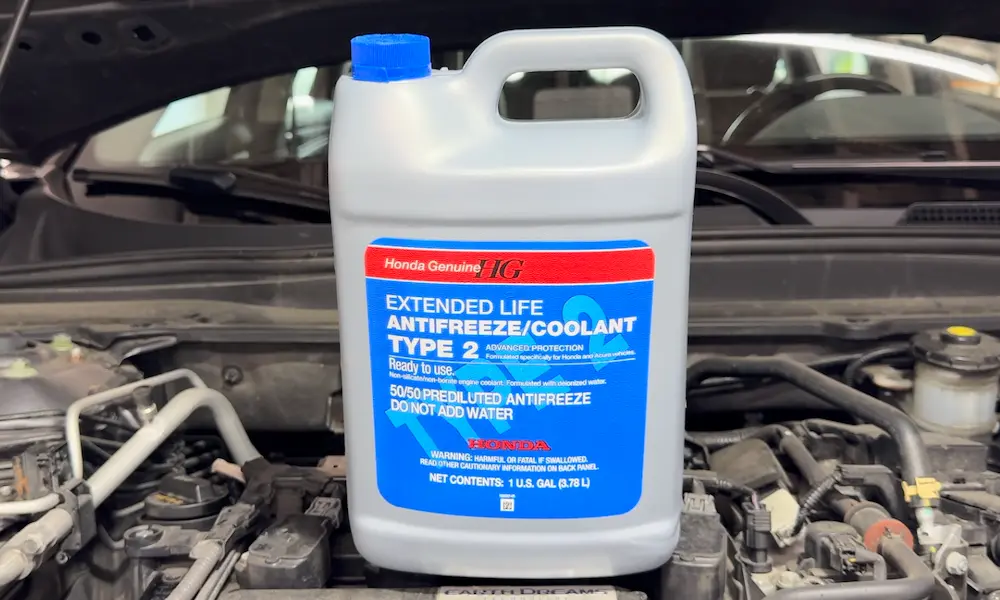
Replace coolant every 60,000 miles and inspect the system for leaks regularly. Overheating is the enemy of engine longevity.
Timing Belt/Chain Service
Most modern Civics use timing chains that theoretically last the life of the engine, but older models with timing belts require replacement every 90,000-105,000 miles to prevent catastrophic failure.
Honda Civic vs. Competitors: Reliability Comparison
How does the Civic stack up against its main rivals in terms of reliability?
Honda Civic vs. Toyota Corolla
The Corolla slightly edges out the Civic in long-term reliability metrics, with fewer reported issues at high mileage. However, the Civic offers better performance and driving dynamics while maintaining very strong reliability.
Honda Civic vs. Mazda3
The Mazda3 matches the Civic in initial quality but tends to develop more issues as mileage accumulates. The Civic generally costs less to maintain over a 10-year period.
Honda Civic vs. Hyundai Elantra
While the Elantra offers a longer warranty (10-year/100,000-mile powertrain vs. the Civic’s 5-year/60,000-mile), actual reliability data shows more frequent repairs for the Elantra. The Civic retains 63% of its value after five years compared to the Elantra’s 55%, reflecting market perception of its superior reliability.
Is the Honda Civic Actually Reliable?
Based on comprehensive analysis of repair statistics, owner experiences, and longevity data, the Honda Civic deserves its reputation as one of the most reliable compact cars on the market. With lower-than-average repair costs, less frequent shop visits, and exceptional longevity, the Civic represents a smart choice for budget-conscious buyers seeking dependable transportation.
This reliability isn’t universal across all models and years, however. The naturally aspirated engines generally outperform the turbocharged variants in long-term reliability, and certain model years (particularly 2001 and 2016-2018) have documented issues that prospective buyers should consider.
For maximum reliability, focus on the 2006-2011 or 2015 model years if buying used, or consider a new 2024-2025 model with the 2.0L naturally aspirated engine if your budget allows. With proper maintenance, your Honda Civic will likely provide hundreds of thousands of miles of dependable service – living up to its well-earned reputation for reliability.