Your Subaru won’t start—again. You’ve replaced the battery twice this year, but it keeps dying. You’re not dealing with a bad battery. You’re likely caught in the Subaru DCM recall nightmare that’s been draining wallets and batteries across the country since 2022. Here’s everything you need to know about getting it fixed for free.
What Is the Subaru DCM Recall?
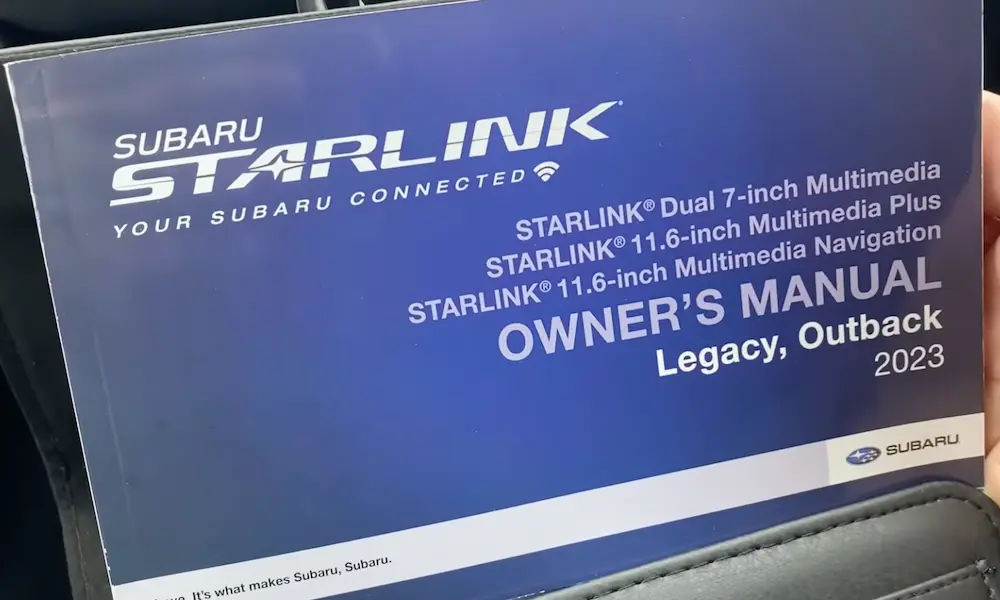
The Subaru DCM recall isn’t technically a recall—it’s a massive warranty extension covering a faulty Data Communication Module. This module powers your STARLINK features, but when it fails, it drains your battery dead in days.
The DCM sits behind your dashboard and handles all your connected car features. When AT&T shut down its 3G network in February 2022, older DCMs went into an endless loop trying to connect. Newer DCMs? They just broke on their own thanks to memory corruption.
Here’s what makes this frustrating: the module draws 120-150 milliamps continuously. That’s double what your car’s designed to handle. Within 72 hours of parking, your battery’s toast.
Which Subaru Models Are Affected?
The Subaru DCM recall hits two groups of vehicles differently.
Generation 1 (3G Network Victims)
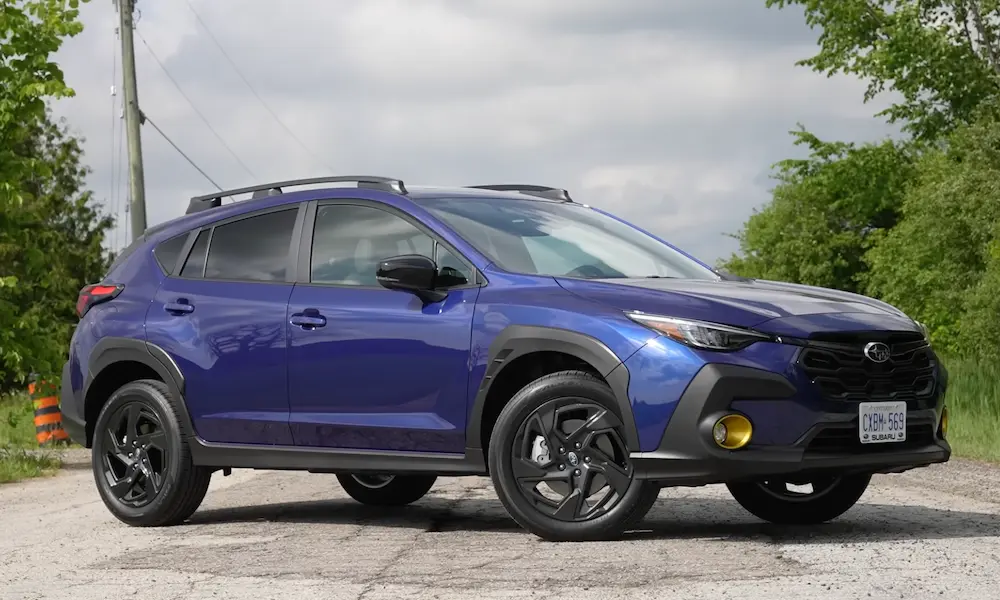
- 2016-2018 Crosstrek
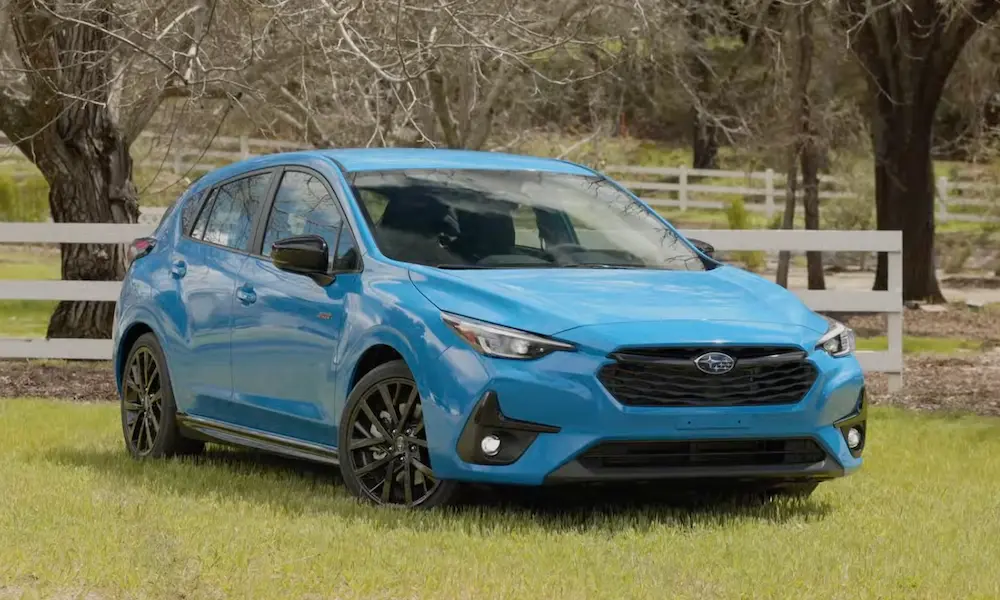
- 2016-2018 Impreza
- 2016-2018 Forester
- 2016-2018 Legacy
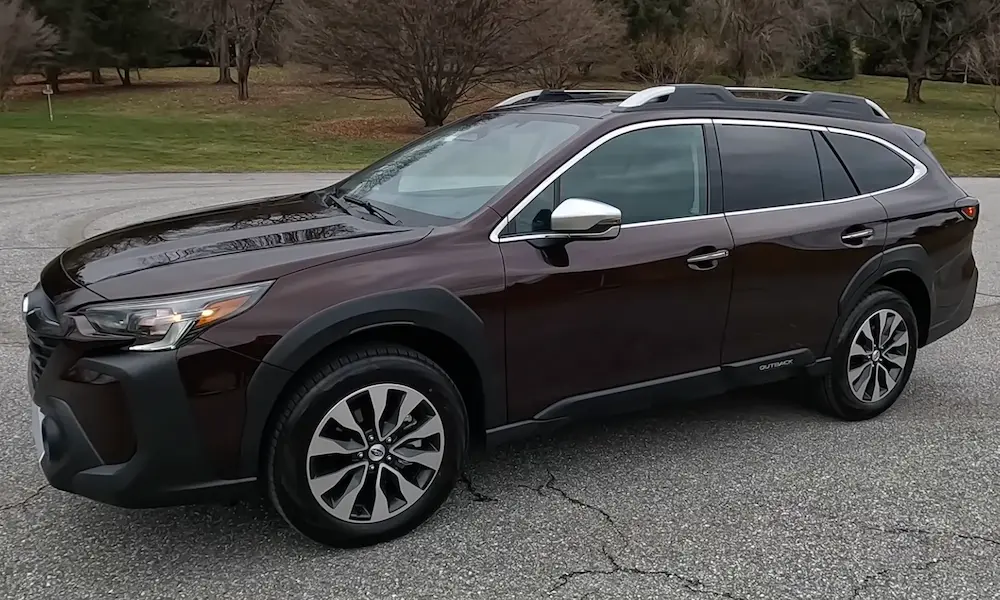
- 2016-2018 Outback
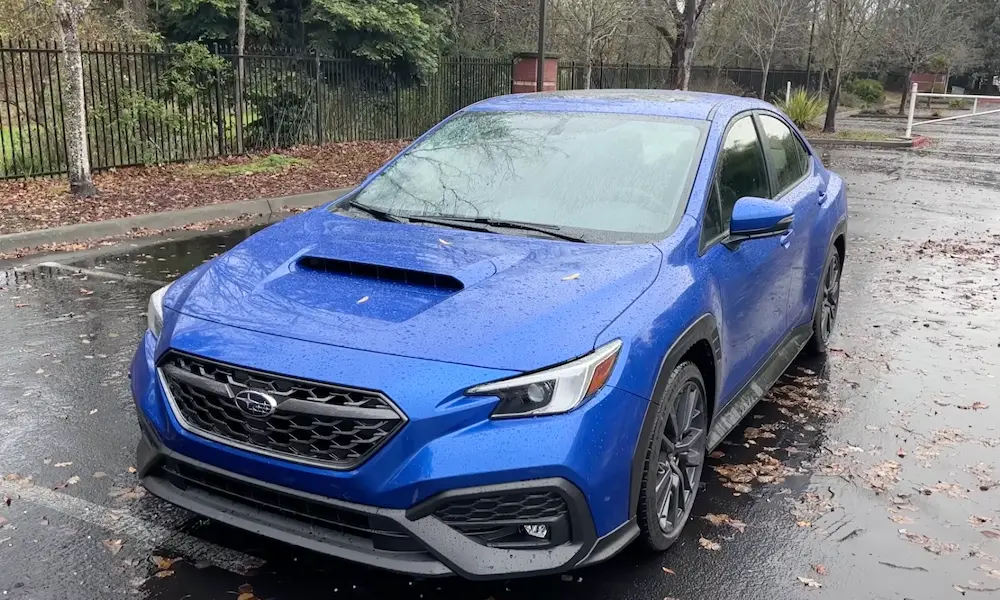
- 2017-2018 WRX
These models got killed by the 3G network shutdown. Their DCMs kept searching for a network that no longer exists.
Generation 2 (Internal Failure)
- 2019 Legacy
- 2019 Outback
- 2019-2021 WRX
- 2019-2021 WRX STI
- 2019-2022 Ascent (limited years)
These newer models have 4G capability but suffer from internal memory corruption. The timer system fails, the processor freezes, and your battery drains anyway.
| Generation | Years | Network Type | Main Problem | Coverage Period |
|---|---|---|---|---|
| Gen 1 | 2016-2018 | 3G | Network sunset loop | 8 years/100,000 miles |
| Gen 2 | 2019-2021 | 4G LTE | Memory corruption | 8 years/150,000 miles |
How to Tell If Your DCM Is Draining Your Battery
You’ll know you’ve got a DCM problem if you’re living this pattern:
The Dead Battery Cycle
- Your car starts fine after driving
- Park it for 2-3 days
- Battery’s completely dead
- Jump it, and it works perfectly
- Dies again within a week
The dealer might tell you “no trouble found” because the DCM’s drain pulses. When they disconnect your battery to test it, the DCM resets and behaves normally. This pulsing behavior has frustrated thousands of owners who got charged for diagnostics that found nothing.
Check Engine Light Code
If your dealer scans for codes, they’re looking for B2A0C (“DCM Communication”). That’s the smoking gun for Gen 2 failures.
The AAA Trap
You’ve called roadside assistance multiple times. You’ve bought three batteries from AutoZone. Each new battery dies within months. That’s because the new battery just masks the drain temporarily—it doesn’t fix the parasitic draw killing it.
The Official Subaru DCM Recall Fix (It’s Free)
Subaru issued two warranty extensions in 2024 that cover the fix completely. No deductible, no arguing.
Gen 1 Fix: Factory Mode (TSB 15-317-24R)
For 2016-2018 vehicles, the dealer solution is software-based:
What They Do:
- Use a special tool to force your DCM into “factory mode”
- This puts the module to sleep permanently
- Stops the 3G search loop
- Battery drain stops immediately
The Catch:
Factory mode can wake up if your battery dies completely or if you press certain buttons. Some owners report the drain returning after the fix.
Gen 2 Fix: The Bypass Box (TSB 15-318-24R)
For 2019-2021 vehicles, Subaru installs a DCM bypass box (Part #86229AL400):
What It Does:
- Replaces the faulty DCM entirely
- Restores your Bluetooth microphone function
- Eliminates all battery drain from the telematics system
- Permanent fix with zero power draw
What You Lose:
- All STARLINK features (SOS, remote start via app, stolen vehicle recovery)
- Automatic collision notification
- Future ability to subscribe without buying a new DCM
The bypass box is basically a wire connector that completes your audio circuit without the smart features. Think of it as a lobotomy for your car’s connectivity—but your battery will actually work.
How to Get the Subaru DCM Recall Fix
Here’s your action plan to get this handled:
Step 1: Check Your Coverage
Call your Subaru dealer with your VIN. Ask specifically about:
- TSB 15-317-24R (if you have a 2016-2018)
- TSB 15-318-24R (if you have a 2019-2021)
Step 2: Schedule the Appointment
Tell them you’re experiencing battery drain and want the DCM warranty extension service. Don’t let them brush you off with a battery test.
Step 3: Decide on Your Features
If you don’t use STARLINK (most people don’t after the free trial), get the bypass box or factory mode. It’s the only guaranteed permanent fix.
If you actively pay for STARLINK, they’ll replace your DCM with an updated unit. Be warned: parts are backordered for months. They might pull your DCM fuse while you wait, which kills your Bluetooth microphone.
Step 4: Get Reimbursed for Past Repairs
If you already paid to replace your DCM or had multiple batteries replaced, you can get money back. Gather your receipts and submit them to Subaru of America through your dealer. The warranty extension is retroactive.
The Class Action Settlement vs. The Warranty Extension
Don’t confuse these two separate programs. They cover different things.
The Battery Drain Class Action Settlement
- Covered 2015-2020 models
- Paid for battery replacements (5 years/60,000 miles)
- Claim deadline passed in May 2023
- Did NOT fix the DCM itself
The DCM Warranty Extension
- Covers 2016-2021 models
- Fixes the actual DCM causing the drain
- Still active through 8 years/100,000-150,000 miles
- This is what you want
Thousands of owners got their batteries replaced under the class action settlement but kept having drain problems because the DCM never got fixed. The warranty extension finally addresses the root cause.
Why Your Bluetooth Mic Stops Working (And How to Fix It)
Here’s a quirk that drives people crazy: your Bluetooth mic runs through the DCM.
The DCM controls your front speakers and microphone. It’s wired in series so that in an emergency, it can mute your music and connect you to help. Smart design—until the DCM breaks.
What Happens When You Pull the Fuse
Many owners, tired of dead batteries, just pull fuse #9 in the engine bay. This kills power to the DCM and stops the drain immediately. But it also kills:
- Your Bluetooth microphone for hands-free calls
- Voice commands
- The factory remote start fob (if you have one)
The Right Fix
The bypass box (Part #86229AL400) solves this. It maintains the electrical continuity of your audio circuit while removing the problematic DCM. You get your microphone back without the battery drain.
Some DIY enthusiasts have created custom fuse tap solutions that power the DCM only when the car’s running. These work but aren’t official Subaru repairs and could cause electrical problems.
What If the Dealer Says “No Trouble Found”?
This happens constantly with the Subaru DCM recall. Here’s why and how to fight it.
Why Dealers Miss It
The DCM’s current draw pulses. It cycles between low and high drain as it attempts to connect. A standard 5-minute multimeter test might catch it during a low phase and show normal readings.
Worse, disconnecting your battery to hook up test equipment resets the DCM. It behaves normally for hours or even days before the logic error kicks back in. The tech tests it, sees 40 milliamps, and sends you home.
How to Get the Fix Anyway
- Reference the TSB by number: “I need service under TSB 15-318-24R for DCM parasitic drain.”
- Request the extended test: TSB 15-308-23R specifically tells techs to test for longer periods to catch the pulse.
- Document your pattern: “Battery dies every 3 days. Replaced 4 times in 12 months.”
- Ask for the code scan: If you have a 2019+, they should find code B2A0C.
If your dealer refuses service that’s covered under the warranty extension, escalate to Subaru of America at 1-800-SUBARU3.
The 3G Sunset: Why This Started in 2022
The Subaru DCM recall explosion traces directly to AT&T’s 3G network shutdown in February 2022.
What Happened
AT&T repurposed its 3G spectrum for 5G. This was announced years in advance. But Subaru’s Gen 1 DCMs were programmed assuming the network would always exist.
When the towers went dark, the DCMs went into search mode. They’d scan for a signal, fail to connect, wait, and retry. Forever. This continuous scanning drew 120-150 milliamps—enough to kill a battery in 2-3 days.
The Engineering Oversight
A properly designed system would recognize a permanent network loss after X attempts and go to sleep. Subaru’s didn’t have this failsafe. The firmware assumed all signal loss was temporary (like driving through a tunnel).
The 3G sunset was predictable. Subaru offered free 4G upgrades—but only to customers with active 3-year subscriptions. Everyone else got left with a ticking time bomb.
Gen 2 Memory Corruption: The Newer Cars Failed Too
You’d think 2019+ models with 4G would be safe. Nope. They have a completely different problem with the same symptom.
The Internal Failure
Gen 2 DCMs suffer from what Subaru calls “internal memory corruption”. The module’s processor freezes or its internal timer fails to execute the sleep command.
Some units failed at exactly 388 days after activation—a suspiciously specific timer bug. Others just gradually corrupted over time.
Why the Higher Mileage Coverage
Notice that Gen 2 vehicles get coverage to 150,000 miles versus 100,000 for Gen 1. That’s Subaru acknowledging that the hardware defect in newer models is more severe and longer-lasting than the 3G issue.
How Much This Costs (If You’re Out of Warranty)
If your vehicle falls outside the 8-year window or exceeds the mileage cap, here’s what you’re looking at:
DCM Replacement: $600-$1,100 (part only)
Labor: 1-2 hours at $150-$200/hour
Total: $900-$1,500
Battery Replacements: $150-$300 each (and you’ll need several)
The average owner in the class action lawsuit reported spending $500-$1,200 on batteries and diagnostics before discovering the DCM issue.
Your Alternative
Buy the bypass box yourself from third-party suppliers for about $50-$80 and install it. This requires dashboard disassembly, but it’s a permanent fix that costs a fraction of dealer replacement.
Special Notes for Specific Models
2019 Outback and Legacy
These transition-year models can be tricky. Some early-2019 units have Gen 1 hardware; later ones have Gen 2. The bypass procedure differs between the two. Make sure your dealer identifies which hardware you have before starting the fix.
WRX and STI (2019-2021)
The performance community has been hit hard. Many WRX owners rely on Bluetooth for track apps and communication. The microphone loss from fuse pulling has driven serious DIY workaround development. If you’re in this camp, insist on the bypass box to keep your mic functional.
Forester (2019-2021)
Built on the Subaru Global Platform, these models show particularly high failure rates. The 150,000-mile coverage extension specifically targets this popular SUV line because the memory corruption issue hits these units hard.
What to Do Right Now
If you own a 2016-2021 Subaru and you’re dealing with battery drain, here’s your immediate action plan:
- Stop replacing batteries. You’re treating the symptom, not the cause.
- Look up your VIN on NHTSA’s database to confirm coverage.
- Call your dealer and schedule service under the specific TSB number for your model year.
- Gather receipts for any batteries, towing, or DCM work you’ve already paid for.
- Choose the bypass if you don’t use STARLINK. It’s the only guaranteed permanent solution.
The Subaru DCM recall—technically warranty extension program—runs through 8 years from your original purchase date. Don’t wait until you’re stranded in a parking lot with a dead battery for the fifth time. Get it fixed now, and get your money back for the batteries you’ve already replaced.
Your Subaru’s supposed to be reliable. Make Subaru honor that reputation by fixing this design flaw on their dime.