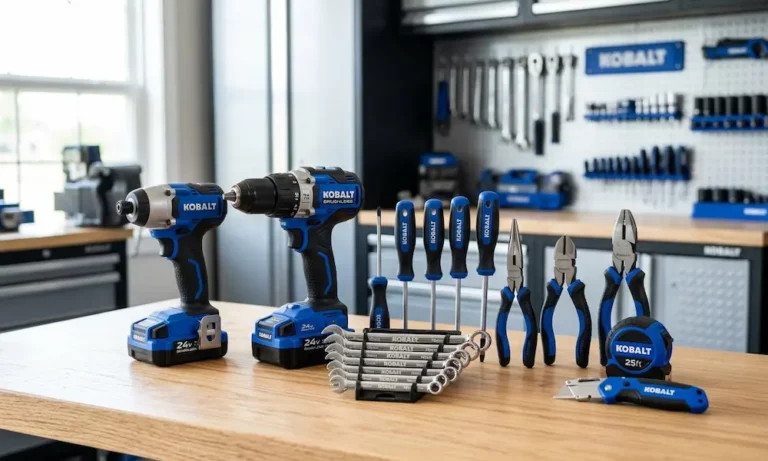
Thinking about buying Kobalt tools but not sure if they’re worth it? You’re in the right place. This post breaks down everything from build quality and battery platforms to warranties and how Kobalt stacks up against the competition. Stick around to the end — the answer might surprise you.
What Is Kobalt, Exactly?
Kobalt is Lowe’s in-house tool brand, launched back in 1998 as a direct response to Craftsman at Sears and Husky at Home Depot. What started as a basic mechanics’ hand tool line has grown into a massive ecosystem of over 1,700 products — drills, impact drivers, lawn mowers, outdoor power gear, and more.
Lowe’s owns the Kobalt name, but they don’t build the tools themselves. They work with manufacturing partners to produce everything. That setup matters more than you’d think — and we’ll get into it shortly.
Who Actually Makes Kobalt Tools?
The brand’s manufacturing history reads like a who’s who of the tool industry.
| Era | Manufacturing Partner | Focus |
|---|---|---|
| 1998–2003 | J.H. Williams (Snap-on division) | Mechanics’ hand tools |
| 2003–2011 | Danaher Corporation | Expanded hand tool line |
| 2011–2019 | Chervon Group / JS Products | Cordless power tools |
| 2020–Present | Chervon / Greenworks | Brushless motors, outdoor power |
Today, Chervon Group handles most of the 24V power tool production. Chervon also makes tools for Skil, EGO, and Flex — so when you buy a Kobalt brushless drill, you’re getting tech that shares DNA with brands that cost a lot more.
Where Are Kobalt Tools Made?
Most Kobalt tools come from China, Taiwan, and Vietnam. Lowe’s doesn’t shout this from the rooftops, so you’ll need to check the product label if country of origin matters to you. Some hand tools still get sourced from US manufacturers like Great Neck, but that’s the exception, not the rule.
Are Kobalt Tools Any Good? The Real Answer
Yes — but it depends on what you need them for.
For the serious DIYer, weekend warrior, or even a general contractor who doesn’t need hyper-specialized gear, Kobalt tools punch well above their price point. For a full-time professional who needs every last bit of torque and specialized tool for every niche job? You’ll probably want Milwaukee or Hilti.
The brand targets the “prosumer” sweet spot — users who want real performance without paying professional brand premiums.
The 24-Volt Battery System: Kobalt’s Secret Weapon
The 24V Max platform is where Kobalt gets interesting. Most competitors run 18V or 20V tools on a five-cell battery. Kobalt uses a six-cell configuration, which pushes more voltage to the motor. The result? Less heat buildup, more efficiency, and longer tool life.
By 2026, the 24V system supports over 100 tools.
| Battery Capacity | Energy Storage | Best For |
|---|---|---|
| 1.5–2.0 Ah | 32–43 Wh | Drills, LED lighting, small drivers |
| 4.0–5.0 Ah | 86–108 Wh | Circular saws, hammer drills, trimmers |
| 6.0–8.0 Ah | 130–173 Wh | Impact wrenches, leaf blowers, mowers |
The 2026 USB-C batteries take this further — they work as a power bank for your phone and can recharge via any USB-C charger. That’s a direct shot at the proprietary charger model that’s dominated this industry for two decades.
The Big 2026 Update: 48-Volt Changes Everything
Here’s the most exciting development for new buyers. In 2026, Kobalt introduced a 48V (2x24V) platform that lets two 24V batteries work together in series to power heavy-duty outdoor equipment.
Why does this matter? Before this, your workshop batteries couldn’t power your lawn mower. Now they can. Pull the batteries from your drill, drop them into your mower — done.
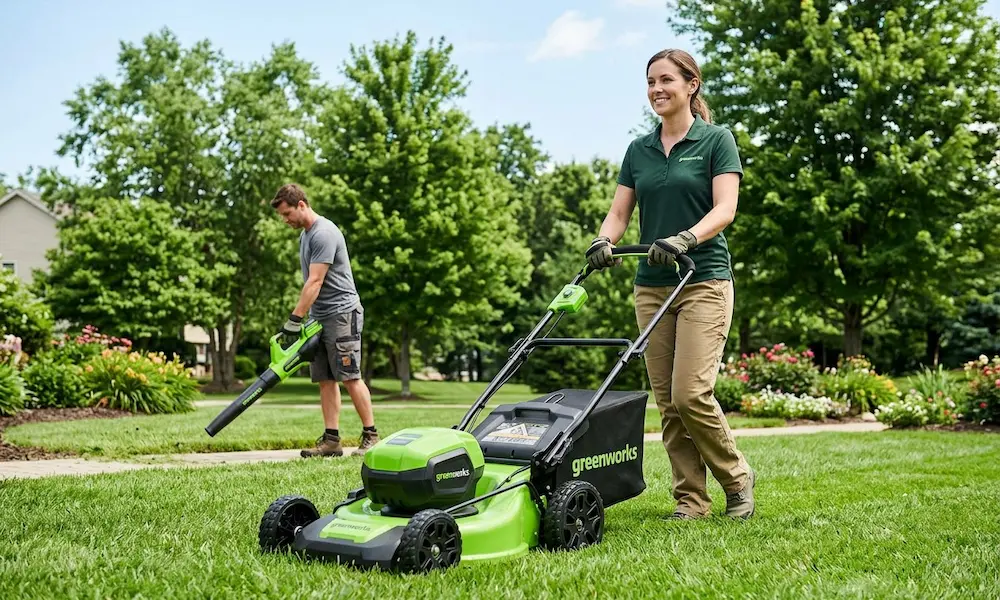
The 48V self-propelled mower (KLMS2524A03) runs up to 60 minutes on two 5.0 Ah batteries and covers up to half an acre. It also has LED headlights and a polycarbonate deck. That’s not beginner-brand stuff.
What About the 40V and 80V Outdoor Lines?
The 80V mower was genuinely impressive — it cut through 36 feet of thick, wet grass in testing, beating out Snapper and Ryobi. But here’s the problem: the 80V platform is fading from shelves. If you already own 80V tools, finding replacement batteries gets harder every year.
New buyers should skip the 80V system entirely and go straight to 24V or 48V.
How Does Kobalt Perform Against the Competition?
Let’s cut straight to the numbers.
| Test Category | Kobalt 24V | Comparison |
|---|---|---|
| Hammer drill torque | ~650 in-lbs | ~750 in-lbs (Ryobi HP) |
| Oscillating multi-tool score | 74/100 | 96/100 (Ridgid 18V) |
| 48V mower runtime | 60 minutes | 121 minutes (Kobalt 80V) |
| Impact wrench output | Comparable to shop air | Milwaukee M18 Fuel benchmark |
Sources: YouTube hammer drill comparison, Pro Tool Reviews OMT test
Kobalt vs. Ryobi
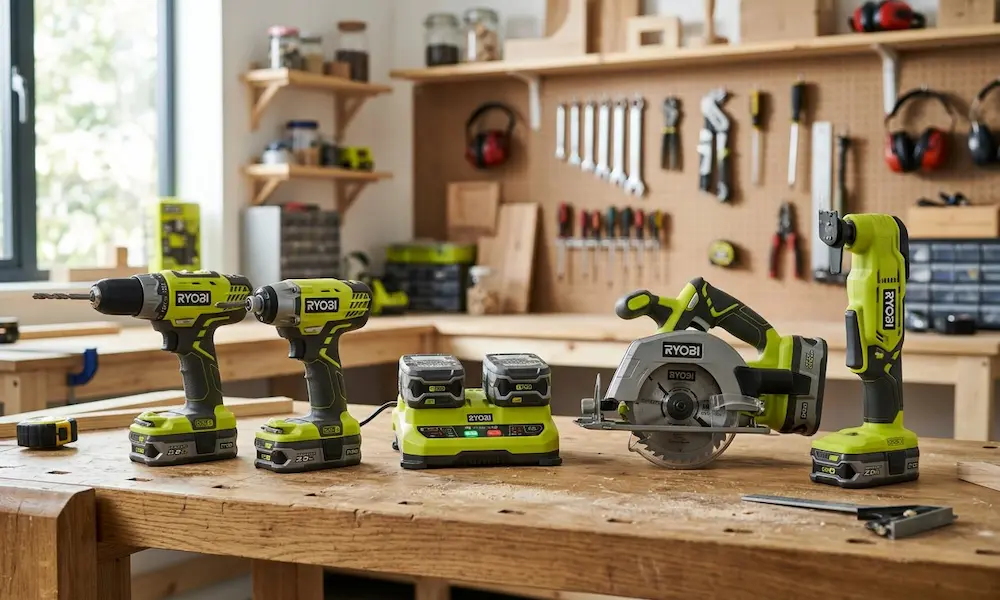
Ryobi’s 18V ecosystem covers over 280 tools — more variety than Kobalt by a wide margin. But Kobalt’s 24V brushless tools consistently outperform Ryobi in core categories like impact drivers and hammer drills. If you want lifestyle tools and hobby gadgets, Ryobi wins on selection. If you want raw performance per dollar, Kobalt edges ahead.
Kobalt vs. Ridgid
Ridgid’s big play is its Lifetime Service Agreement — free battery replacements for life if you register correctly. That’s powerful. But Kobalt’s USB-C charging and competitive battery pricing make it a strong alternative for anyone who doesn’t want to deal with Ridgid’s registration process.
Kobalt vs. Craftsman
Both brands sell at Lowe’s now. Craftsman targets entry-level DIYers and leans on its legacy name. Kobalt is Lowe’s performance brand — broader brushless technology, higher voltage options, and more innovation. Kobalt consistently outperforms Craftsman’s V20 line in the categories that matter most.
How Durable Are Kobalt Tools, Really?
Hand Tools
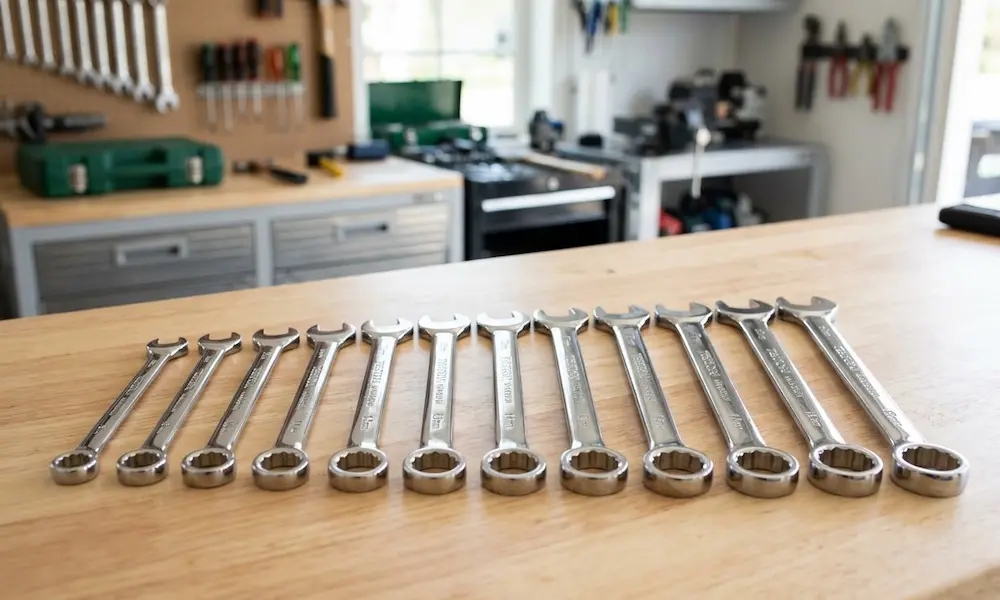
Kobalt’s socket sets, wrenches, and screwdrivers get consistent praise for their substantial feel and long-term integrity. The early Snap-on and Danaher-era tools built a strong reputation, and modern mechanics’ tools continue that tradition. Screwdriver tips resist rounding, and the storage cases hold up to workshop abuse without falling apart.
Power Tools
Kobalt’s lithium-ion batteries typically last three to five years under normal use, with some users reporting up to seven years when stored and maintained properly. Earlier models had weak points around battery latching and trigger switches, but the newer XTR (Extreme Torque and Runtime) models address those issues with tougher housings.
Battery Maintenance Tips
Keep your batteries healthy with these habits:
- Never drain below 20% — deep discharges shorten cell life fast
- Store in a cool, dry spot away from direct sunlight
- For long-term storage, keep charge near 50% to prevent unrecoverable voltage drops
Understanding the Kobalt Warranty
Kobalt markets a “Hassle-Free” guarantee — and for most buyers, it holds up. Here’s what you actually get:
| Tool Type | Warranty Length | Coverage |
|---|---|---|
| Hand tools | Lifetime | Satisfaction guarantee; repair or replace |
| 24V / 48V power tools | 5 years | Repair warranty for original purchaser |
| 40V / 80V outdoor tools | 5 years | Repair warranty on tool body |
| Lithium-ion batteries | 3 years | Defects in materials or workmanship |
How to Make a Warranty Claim Without the Headache
Many users who just walk in with a broken tool get the runaround. Do this instead:
- Call 1-888-3KOBALT first to get a Return Authorization (RA) number
- Use a MyLowe’s account so your purchase history lives on your phone
- Bring the RA number and defective tool to customer service for an immediate swap
The warranty doesn’t cover misuse, normal wear, or discontinued-line replacements. If you own an 80V tool and the line gets phased out, Lowe’s may offer store credit instead of a direct replacement.
Should You Buy Kobalt Tools?
Here’s the straight answer:
Buy Kobalt if you:
- Want brushless performance without paying professional brand prices
- Plan to build out the 24V ecosystem for both workshop and outdoor tools
- Value a retail-backed warranty over a third-party brand’s support
- Want batteries that double as USB-C power banks in 2026
Think twice if you:
- Are a full-time tradesperson who needs maximum torque and specialized tools daily
- Already invested heavily in another brand’s battery system
- Were considering the 80V outdoor line — it’s fading fast
The 24V brushless platform is legitimately excellent, the mechanics’ tools remain benchmark-level for the mid-tier market, and the 2026 48V updates show a brand innovating faster than most of its budget-range competitors. For serious DIYers and prosumers, Kobalt tools are absolutely worth your money.