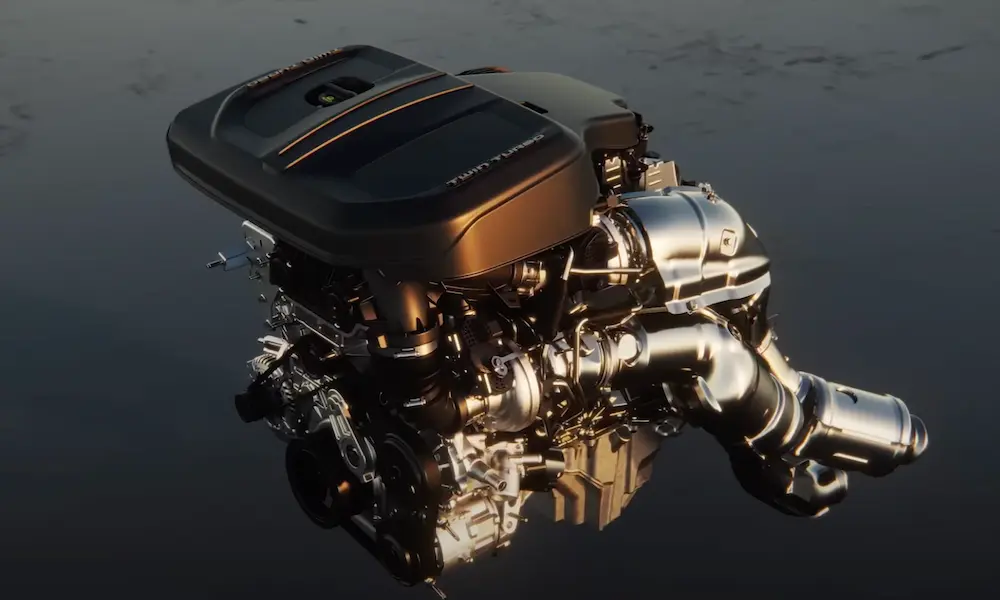
Thinking about buying a car with a turbo engine but worried about reliability? You’re not wrong to question it. Turbocharged engines have a complicated reputation – they deliver impressive power and efficiency, but historically came with reliability concerns. Today’s landscape has changed dramatically, and understanding the real-world reliability of modern turbo engines could save you thousands in unexpected repairs or help you enjoy years of trouble-free driving.
The Evolution of Turbo Engine Reliability
Remember those temperamental turbo cars from the ’80s and ’90s? They were exciting but often problematic. Today’s turbocharged engines tell a different story.
Modern turbos typically last between 150,000 to 200,000 miles with proper maintenance, with some well-maintained examples reaching beyond 250,000 miles. That’s a massive improvement over earlier generations, though naturally aspirated engines still maintain a slight edge in ultimate longevity potential.
The reliability gap has narrowed significantly. For average drivers who keep their cars for 5-10 years, you might never experience the difference between a turbo and non-turbo engine’s reliability.
Why Turbo Engines Can Be Less Reliable
Turbochargers add complexity to engines, and complexity often translates to more potential failure points.
Heat and Pressure Concerns
Turbo engines operate under significantly higher temperatures and pressures than their naturally aspirated counterparts. This additional stress particularly affects:
- Engine seals and gaskets
- Internal engine components
- Oil degradation rates
- Cooling system components
The intense heat generated by turbochargers can accelerate wear on critical engine parts, potentially shortening their lifespan without proper management.
Common Turbocharger Problems
Most reliability issues stem from the turbocharger itself rather than the base engine. The most frequent problems include:
- Oil leaks from cracked housings or worn seals
- Carbon buildup in direct-injection systems
- Turbocharger bearing wear and failure
- Oil feed line blockages or restrictions
- Wastegate and actuator issues
These problems typically develop gradually, with warning signs like unusual noises, decreased performance, or increased oil consumption.
Maintenance Sensitivity
If you’re considering a turbo engine, be aware they’re significantly more sensitive to maintenance neglect than naturally aspirated engines.
They require:
- More frequent oil changes (every 5,000 miles is often recommended)
- Higher-quality synthetic oils
- Proper warm-up and cool-down procedures
- Regular cooling system maintenance
Skipping these maintenance items can quickly lead to expensive repairs. Turbo engines punish neglect more severely than their simpler counterparts.
Most Reliable Turbo Engines on the Market
Not all turbo engines are created equal. Some manufacturers have established outstanding reputations for turbo reliability.
Honda’s Turbo Success
Honda entered the mainstream turbo market relatively late, applying their legendary reliability engineering to forced induction:
- Honda K20C1 (Civic Type R): Widely regarded as one of the most reliable turbocharged four-cylinder engines in production
- Honda L15B/L15C (1.5L turbo): Generally reliable with proper maintenance, though some earlier models experienced oil dilution issues in cold climates
Other Standout Performers
- Toyota’s 2JZ-GTE: Though an older design, this inline-six turbo engine has achieved legendary status for reliability while handling enormous power increases
- BMW B58: This modern inline-six turbo has established a strong reliability record, addressing many issues from previous BMW turbo designs
- Mazda’s SKYACTIV-G 2.5T: Shows promising reliability with relatively few reported issues
Problematic Turbo Engines to Be Wary Of
Some turbo engines have earned poor reliability reputations:
- Ford EcoBoost engines (especially 1.0L and 1.5L variants): Known for coolant leaks, timing chain issues, and cylinder head problems
- Volkswagen/Audi EA888 engines: History of carbon buildup, coolant leaks, and various seal failures
- Some BMW twin-turbo V8s: Overheating issues due to turbos mounted within the engine bay in tight spaces
These engines often require expensive repairs before reaching 100,000 miles, significantly impacting their total cost of ownership.
The Real Cost of Turbo Maintenance
Expect to pay more for maintaining a turbocharged engine. Annual maintenance costs typically run 20-30% higher than comparable naturally aspirated engines, or roughly $200-$400 more per year.
Essential Maintenance Practices
To maximize turbo engine lifespan:
- Change oil frequently using manufacturer-recommended synthetic oils
- Allow proper warm-up before driving hard (30-60 seconds at minimum)
- Cool down after hard driving by idling for 30-60 seconds or driving gently
- Use recommended fuel grades (premium is often required for optimal performance)
- Address warning signs immediately (unusual noises, smoke, power loss)
Following these practices can dramatically extend your turbo engine’s life.
Turbo vs. Non-Turbo: A Real-World Comparison
| Factor | Turbocharged Engine | Naturally Aspirated Engine |
|---|---|---|
| Typical Lifespan | 150,000-200,000 miles | 200,000-300,000 miles |
| Oil Change Frequency | Every 5,000 miles (recommended) | Every 7,500-10,000 miles |
| Annual Maintenance Cost | $800-1,200 | $600-900 |
| Fuel Requirements | Often premium (91+ octane) | Regular (87 octane) typically sufficient |
| Sensitivity to Maintenance | High | Moderate |
| Cold Weather Sensitivity | Higher | Lower |
Modern Improvements in Turbo Technology
Today’s turbo engines benefit from significant technological advances:
- Water-cooled turbochargers reduce heat stress
- Advanced synthetic oils provide better lubrication under extreme conditions
- Improved materials and manufacturing tolerances enhance durability
- Sophisticated engine management systems protect components
- Twin-scroll designs reduce lag and improve efficiency
These improvements have dramatically closed the reliability gap. Toyota and Honda have applied their reliability expertise to newer turbo designs, typically using conservative approaches that prioritize longevity over maximum performance.
Driving Habits and Turbo Longevity
Your driving style significantly impacts turbo engine reliability:
Driving Patterns That Harm Turbo Engines
- Short trips without reaching full operating temperature
- Cold weather operation without proper warm-up
- Aggressive driving immediately after cold starts
- Immediate shutdown after hard driving
Ideal Driving for Turbo Longevity
- Regular highway drives that fully warm the engine
- Gentle acceleration until the engine reaches operating temperature
- Moderate driving for the last minute before shutting down
- Regular maintenance intervals strictly followed
Is a Turbo Engine Right for You?
Consider these factors when deciding if a turbo engine fits your needs:
You Might Want a Turbo If:
- You value performance and efficiency in one package
- You’re willing to follow maintenance schedules religiously
- You typically drive longer distances rather than short trips
- You plan to keep the vehicle less than 10 years/150,000 miles
- You don’t mind paying more for maintenance
A Non-Turbo Might Be Better If:
- Maximum long-term reliability is your priority
- You often make very short trips
- You prefer minimal maintenance requirements
- You plan to keep your vehicle beyond 10 years/150,000 miles
- You want the lowest possible ownership costs
The Final Verdict on Turbo Engine Reliability
For most drivers, modern turbocharged engines offer acceptable reliability when properly maintained. The key factors for turbo engine longevity are:
- Following maintenance schedules religiously
- Using recommended oils and parts
- Allowing adequate warm-up and cool-down time
- Avoiding excessive short-distance driving
While naturally aspirated engines remain the gold standard for pure reliability and simplicity, well-maintained turbocharged engines from reputable manufacturers can provide 200,000+ miles of dependable service. The choice often comes down to balancing the performance and efficiency benefits of turbocharging against the modest increase in complexity and maintenance requirements.
Remember that individual models vary widely, so research specific engines rather than making blanket judgments about all turbo technology. The best approach is to identify models with proven track records and commit to proper maintenance from day one.