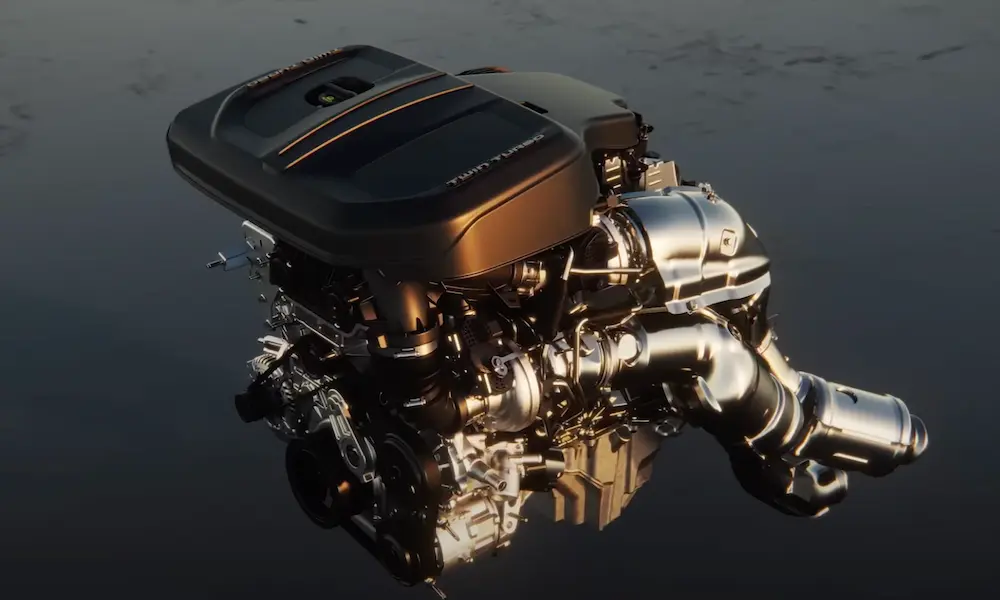
Wondering if that 3-cylinder engine can go the distance? You’re not alone. With automakers increasingly putting these compact engines in everything from economy cars to performance vehicles, reliability concerns are top of mind for many buyers. I’ve researched what makes these engines tick (sometimes literally) and compiled the facts you need before making your next vehicle purchase.
What Makes a 3-Cylinder Engine Different?
Three-cylinder engines have a fundamental difference from their more common 4-cylinder cousins: they fire every 240 degrees of crankshaft rotation instead of every 180 degrees. This creates an inherently unbalanced power delivery that engineers must address.
The good news? Cylinder count itself doesn’t determine reliability. What matters more is how the engine is designed, built, and maintained. Modern 3-cylinder engines undergo the same rigorous testing as any other configuration, with manufacturers applying sophisticated engineering to overcome their inherent challenges.
The Reliability Verdict: Can 3-Cylinders Go the Distance?
A well-maintained 3-cylinder engine should last 170,000-180,000 miles with proper care. Some examples have even pushed beyond 200,000+ miles when properly maintained. This lifespan is comparable to many 4-cylinder engines.
But not all 3-cylinder engines are created equal. Let’s look at what can make or break their reliability:
Strengths of 3-Cylinder Engines
- Fewer moving parts: Less complexity can mean fewer things to break
- Lighter weight: Reduced mass means less stress on supporting components
- Modern technology: Today’s designs benefit from advanced materials and engineering
Inherent Challenges
- Vibration issues: The uneven firing order creates a rocking motion that requires balancing
- Higher stress levels: Many are turbocharged to deliver adequate power, creating additional heat and pressure
- More complex cooling needs: The compact design can create hot spots requiring sophisticated cooling systems
Most Reliable 3-Cylinder Engines on the Market
Some manufacturers have created particularly dependable 3-cylinder powerplants:
General Motors 1.2L and 1.3L Ecotec
Found in the Buick Encore GX and Chevrolet Trailblazer, these engines have earned excellent reliability scores. The Encore GX achieves 87 out of 100 for quality and reliability, with many owners reporting trouble-free operation beyond 100,000 miles.
Toyota G16E-GTS (GR Corolla/GR Yaris)
Despite being a high-performance turbocharged engine, Toyota’s reputation for reliability extends to this powerplant. It features robust internals designed to handle significant power. Owners report excellent durability when properly maintained.
Mitsubishi 3A9 (Mirage)
Sometimes described as “bulletproof” when maintained properly, this naturally-aspirated engine trades excitement for dependability. Many examples exceed 150,000 miles without major issues despite the car’s budget-friendly positioning.
Problem-Prone 3-Cylinder Engines to Avoid
Not all 3-cylinder engines deliver on reliability promises. These models have shown consistent issues:
Ford 1.0L EcoBoost
Despite winning engine of the year awards, this powerplant has significant reliability concerns including:
- Wet timing belt failures
- Carbon buildup issues
- Coolant leaks into cylinders
- Low oil pressure problems
Ford has acknowledged these problems, and repair costs can be substantial. Many owners report failures around 60,000-80,000 miles.
BMW B38
While better than the Ford, BMW’s 3-cylinder still suffers from:
- Timing chain stretch
- Coolant leaks from the water pump
- Turbocharger failures
- Resonance problems at certain RPMs
These typically occur around 50,000-70,000 miles and can be expensive to repair due to the complex packaging.
The Maintenance Factor: Keeping Your 3-Cylinder Healthy
The reliability gap between 3-cylinder and 4-cylinder engines narrows significantly with proper maintenance. Here’s what these compact engines need to stay healthy:
Critical Maintenance Requirements
- Premium fuel: Many turbocharged 3-cylinder engines require high-octane fuel to prevent knock and injection system damage. Using lower-grade fuel can significantly reduce reliability.
- Regular oil changes: The high thermal loads and (often) turbocharging mean frequent oil changes with the correct viscosity are crucial. Don’t extend intervals beyond manufacturer recommendations.
- Cooling system care: Due to high thermal loads in a compact space, cooling system maintenance is critical. Many failures stem from cooling-related issues including hose deterioration and thermostat problems.
- Timing components: Whether belt or chain-driven, the timing system requires special attention. Some designs have shown premature wear.
Driving Habits That Affect Reliability
Your driving style significantly impacts 3-cylinder engine longevity:
- Warm-up period: These engines benefit from a brief warm-up before demanding full power.
- Full-throttle operation: Frequent hard acceleration puts additional stress on turbochargers and supporting systems.
- Short trips: Constant cold starts without reaching operating temperature can cause carbon buildup and oil degradation.
3-Cylinder vs. 4-Cylinder: The Reliability Comparison
| Factor | 3-Cylinder | 4-Cylinder |
|---|---|---|
| Typical Lifespan | 170,000-200,000 miles | 180,000-220,000 miles |
| Inherent Balance | Less balanced, requires counterweights | Naturally balanced design |
| Vibration | More pronounced at idle and low RPM | Generally smoother operation |
| Maintenance Costs | Often higher due to turbocharging | Usually more affordable |
| Thermal Management | More challenging | Less concentrated heat |
4-cylinder engines generally offer slightly better long-term durability due to better inherent balance and lower specific output requirements. However, the difference is often marginal when comparing properly designed examples from reputable manufacturers.
Reliability By Vehicle Class
The reliability of 3-cylinder engines varies significantly depending on the vehicle class and how the engine is utilized:
Economy Cars (Mitsubishi Mirage, Chevrolet Spark)
In lightweight economy applications, 3-cylinder engines typically show excellent reliability. The modest power demands and lower stress levels contribute to longevity, with many examples exceeding 150,000 miles without major issues.
Compact Crossovers (Ford EcoSport, Buick Encore GX)
Results are mixed in this category. Properly sized engines like GM’s 1.3L show good reliability, while undersized options struggle with the additional weight and aerodynamic demands.
Performance Applications (Toyota GR Corolla, BMW i8)
High-output 3-cylinder engines face the greatest reliability challenges. Toyota’s robust design has proven relatively reliable, while others show more stress-related issues. Proper maintenance becomes absolutely critical in these applications.
Making the Smart Choice: Should You Buy a 3-Cylinder?
If you’re considering a vehicle with a 3-cylinder engine, follow these guidelines to maximize reliability:
When a 3-Cylinder Makes Sense
- You primarily drive in urban environments with lighter loads
- You prioritize fuel efficiency over maximum power
- You’re committed to following maintenance schedules precisely
- You’re purchasing from a manufacturer with a proven reliability record
When to Consider Alternatives
- You frequently drive in mountainous terrain requiring sustained power
- You regularly carry heavy loads or tow
- You tend to extend maintenance intervals beyond recommendations
- The specific engine model has documented reliability issues
Real-World Longevity Examples
For perspective, here are real-world examples of 3-cylinder engine longevity:
- Mitsubishi Mirage owners regularly report 150,000+ miles without major engine repairs
- GM’s 1.0L Ecotec used in European models has examples exceeding 200,000 miles with routine maintenance
- Toyota’s 1.0L used in global markets has proven exceptionally durable, with many taxi applications reaching high mileage
Conversely, some Ford EcoBoost owners report major failures before reaching 100,000 miles, highlighting the variation between manufacturers.
Looking to the Future: Are 3-Cylinder Engines Here to Stay?
The 3-cylinder engine configuration is likely to remain popular as manufacturers balance performance, efficiency, and emissions requirements. Engineering advancements continue to address inherent challenges:
- Advanced balance shaft technology reducing vibration
- Improved turbocharger durability and thermal management
- Better materials allowing for higher thermal tolerances
- More sophisticated ECU programming optimizing performance and longevity
These improvements suggest future 3-cylinder engines may close the remaining reliability gap with their 4-cylinder counterparts.
Bottom Line: Reliable With the Right Care
Modern 3-cylinder engines can be just as reliable as their 4-cylinder counterparts when properly designed, maintained, and operated within their intended parameters. The key factors influencing reliability are:
- Manufacturer reputation and engineering quality
- Specific engine design and stress levels
- Maintenance adherence and quality
- Driving habits and vehicle usage patterns
With proper research before purchase and diligent care afterward, a 3-cylinder engine can provide many years of dependable service. Choose wisely, maintain regularly, and drive sensibly for the best results.