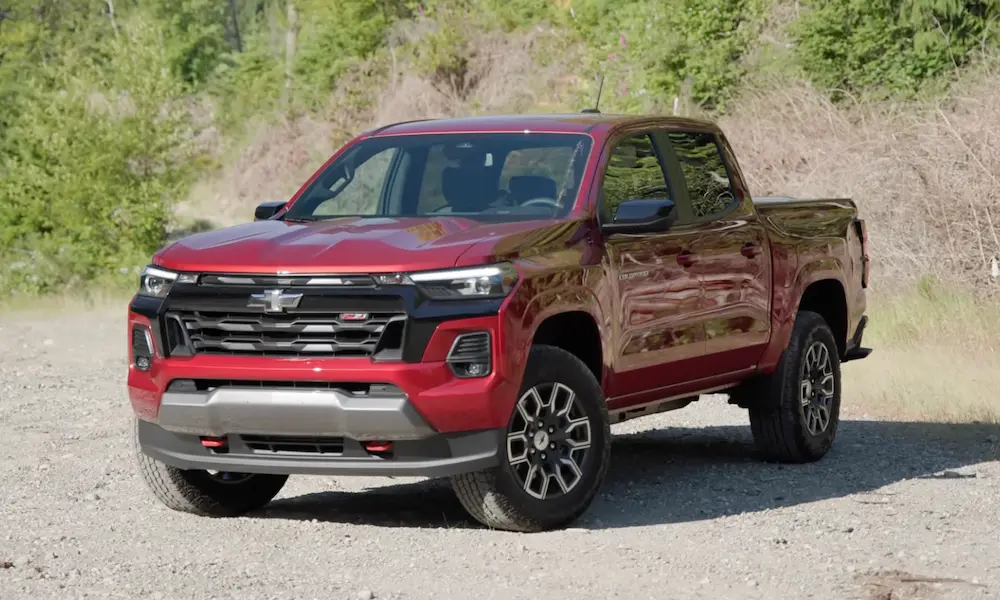
You’ve heard the horror stories. Your buddy’s Silverado ate its lifters at 40,000 miles. Now you’re wondering if you should delete Active Fuel Management before it happens to you. The decision isn’t simple—it involves money, warranties, and federal law. Let’s break down whether an AFM delete makes sense for your situation and your wallet.
What Is Active Fuel Management and Why Does GM Use It?
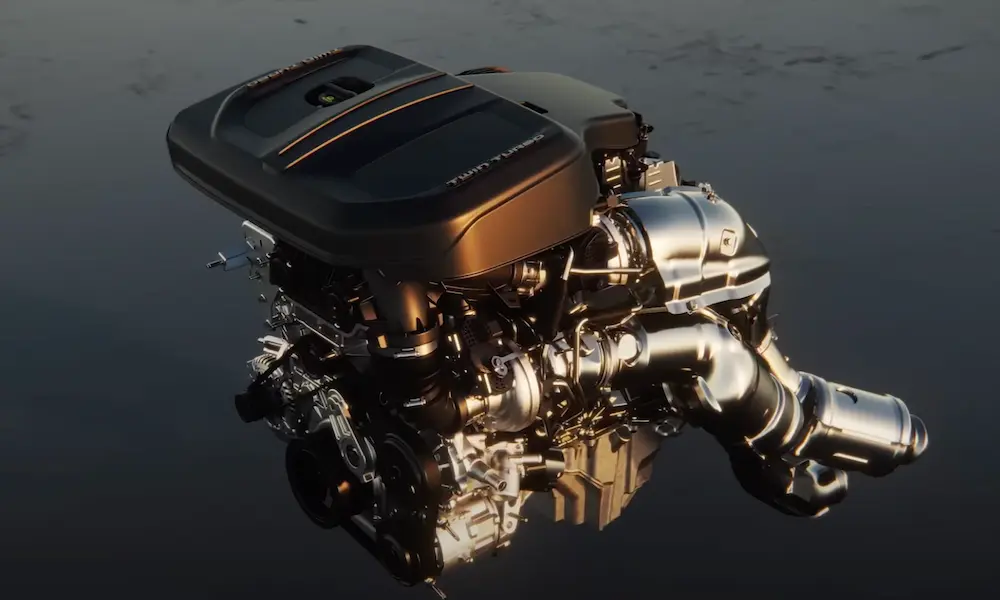
Active Fuel Management is GM’s fuel-saving system that shuts off half your engine’s cylinders when you’re cruising. Your V8 becomes a V4 to meet Corporate Average Fuel Economy standards without sacrificing the power you need for towing.
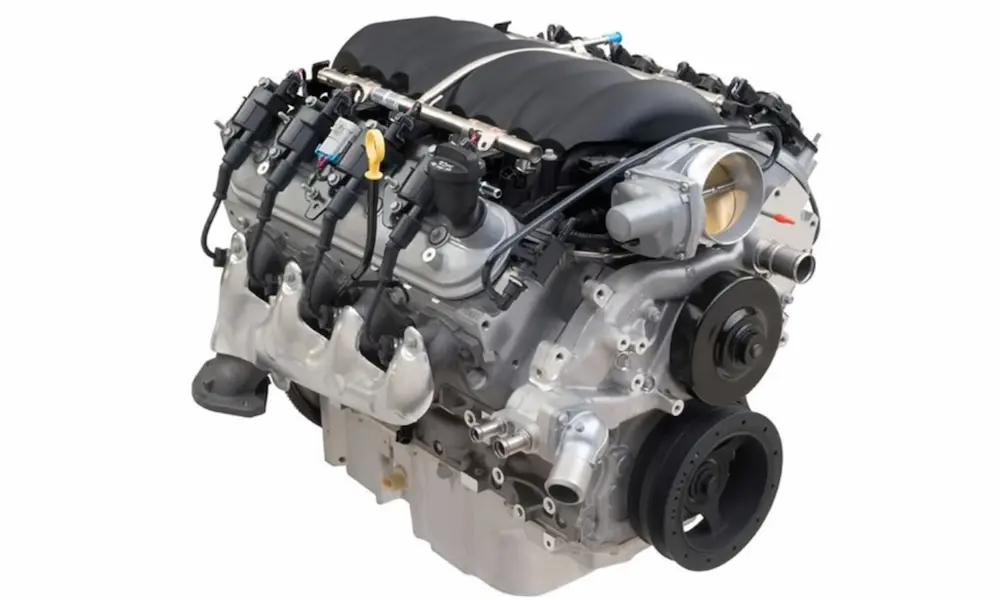
The system works through special collapsible lifters and a Valve Lifter Oil Manifold (VLOM) that sits under your intake manifold. When you’re driving at light throttle—think highway cruising—the computer signals oil solenoids in the VLOM to collapse lifters on cylinders 1, 4, 6, and 7. Those cylinders stop breathing while the other four keep firing.
Dynamic Fuel Management is AFM’s smarter cousin, introduced in 2019. Instead of just V8 or V4 mode, DFM can run 17 different cylinder combinations. It’s active over 60% of your drive time compared to AFM’s 52%. More complexity means more potential problems.
The Real Problems AFM Creates in Your Engine
Lifter Failures That Destroy Engines
The most common failure happens when an AFM lifter collapses but won’t re-latch into solid mode. You’ll hear a loud ticking noise—owners describe it as a typewriter or sewing machine sound. Your check engine light will flash, and you’ve got a serious misfire on your hands.
Worse yet, the internal locking pins can shear off completely. When that happens, hardened steel debris circulates through your oil system, wiping out cam lobes, scoring your oil pump, and potentially damaging bearings. What started as a $500 lifter issue becomes a $7,000 engine rebuild.
The 2020-2021 model years got hit particularly hard. Many trucks experienced lifter failure below 10,000 miles due to what GM attributed to a “bad batch” of parts.
Oil Consumption Gets Out of Hand
AFM engines are notorious for burning oil. Early systems sprayed excess oil directly onto cylinder walls. Without combustion pressure pushing the rings outward in V4 mode, that oil slips past and gets burned when the cylinder reactivates.
The high vacuum during deceleration sucks oil mist through your PCV system into the intake manifold. This fouls spark plugs and coats intake valves with carbon on direct-injection engines. Don’t be surprised if plugs on cylinders 1 and 7 foul prematurely.
The “Chevy Shake” Ruins Your Transmission
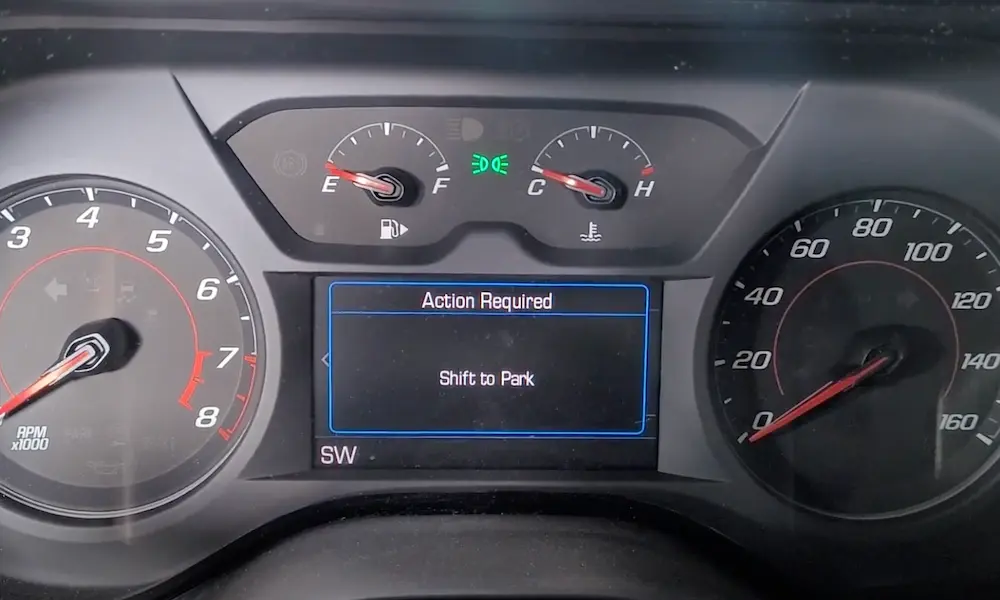
To hide the vibration of running a V4, GM uses a slip-controlled torque converter. The torque converter clutch constantly micro-slips to absorb torsional vibration. Over time, this wears out the friction material in your 6L80 or 8L90 transmission.
The result? A violent shudder through the chassis that requires a transmission rebuild to fix.
Your Three Options for Dealing With AFM
Option 1: Electronic Disabler
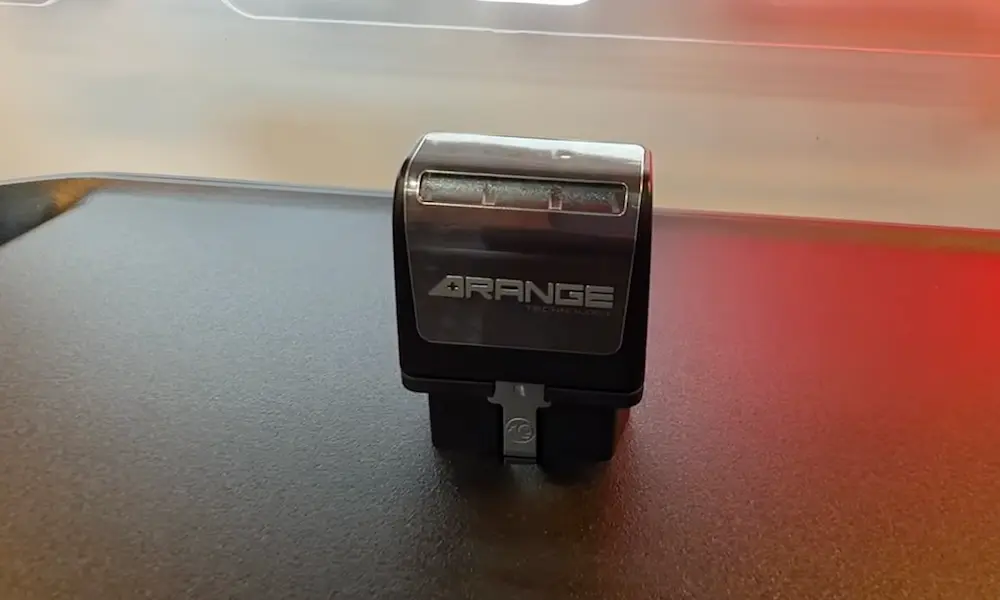
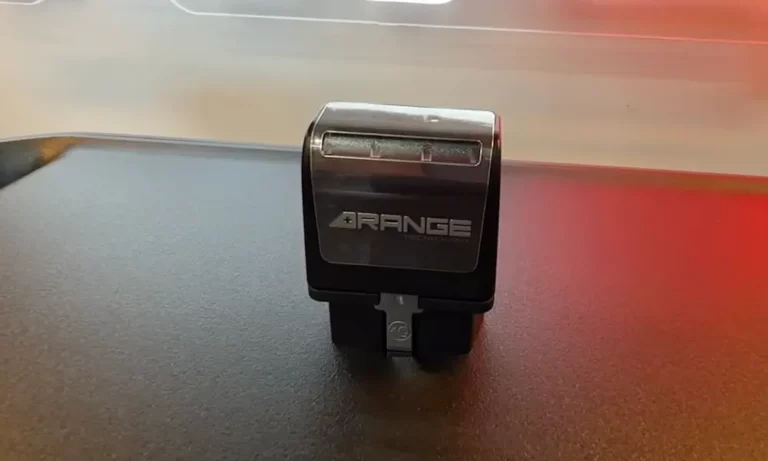
An OBD-II plug-in device from companies like Range Technology intercepts the signal when your ECU tries to enter V4 mode. It forces the engine to stay in V8 mode without touching your computer’s programming.
No products found.
The Good:
- Your warranty stays intact because the Calibration Verification Number remains stock
- Eliminates the V4 shudder immediately
- Affordable entry point
- Unplug it before dealer visits and they can’t detect it
The Bad:
- Battery drain is a persistent issue—newer versions draw 2-3mA in sleep mode, but leaving your truck parked for a week can still kill the battery
- The physical lifters are still in your engine and can fail even if they never cycle
- You’re reducing wear, not eliminating risk
Option 2: ECU Tuning ($1,500-$2,000)
Reprogramming your Engine Control Module permanently disables AFM in software. Sounds simple, but there’s a catch.
For 2019+ Silverado/Sierra and 2021+ SUVs with Global B architecture, GM implemented military-grade encryption. Your ECU must be physically removed and shipped to specialists like HP Tuners for board-level modification. That service costs $500-$1,500. Then you’ll need to purchase tuning credits—another $400.
The bigger issue? Flashing your ECU changes the CVN. Dealers use GDS2 diagnostic software that automatically checks your CVN against factory specs. A mismatch gets flagged instantly, likely resulting in a powertrain warranty denial.
Option 3: Mechanical Delete ($4,500-$7,000)
This is the only method that achieves 100% reliability. It’s major engine surgery—essentially a cam swap.
You’re replacing:
- The camshaft (AFM cylinders have different lobe profiles)
- All collapsible lifters with standard LS7 or solid hydraulic rollers
- The VLOM with a standard valley cover
- Often the oil pump or its pressure springs
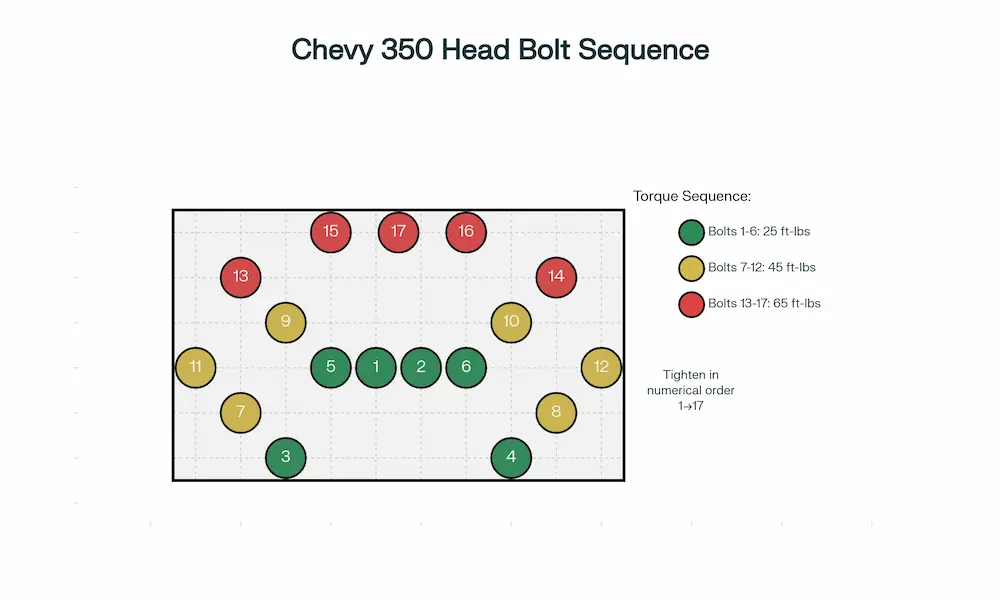
- Head gaskets and torque-to-yield head bolts
Parts run $1,000-$1,500. Labor is the killer—20-30 hours of book time at $125-$150/hour equals $3,000-$4,500 in labor alone.
When Does Each Option Make Financial Sense?
| Your Situation | Best Choice | Why |
|---|---|---|
| New truck under warranty | Electronic disabler | Preserves warranty, prevents shudder, minimal cost |
| High-mileage healthy engine (100k+) | Electronic disabler + quality oil | Spending $5k on prevention for a $20k truck is poor ROI |
| Lifter failure already occurred | Mechanical delete | Labor to repair stock = labor to delete; guarantee it won’t happen again |
| Performance build planned | Mechanical delete | AFM lifters can’t handle high-lift cams or high RPM |
The Fuel Economy Math Doesn’t Support Keeping AFM
GM claims AFM improves fuel economy by 5.5-7.5%. Real-world owner reports tell a different story.
Most see a loss of 1-2 MPG on the highway—dropping from 18 to 16 MPG. Some report no change at all because V8 mode provides more torque, preventing downshifts on hills.
Let’s do the math:
- 15,000 miles/year at $3.50/gallon
- 18 MPG = $2,916/year
- 16 MPG = $3,281/year
- Difference = $365/year
It would take 19 years of fuel savings to cover a $7,000 engine replacement caused by lifter failure. The risk premium isn’t worth the minor fuel savings.
Legal Issues You Can’t Ignore
Federal EPA Tampering Laws
Under Clean Air Act Section 203(a)(3), removing or disabling emissions-related components is a federal violation. The EPA considers fuel consumption linked to CO2 emissions.
The EPA’s National Compliance Initiative has levied millions in fines against tuner shops. Many reputable shops now refuse to perform AFM deletes or install delete tunes.
State Inspection Headaches
If you live in California, New York, Virginia, or Massachusetts, AFM deletes create inspection problems.
Electronic disablers often prevent “Readiness Monitors” from completing. Your vehicle’s computer must run self-tests for catalyst efficiency, EVAP system, O2 sensors, and EGR. When a disabler constantly interrupts the ECU’s logic, it may block the drive cycle routines required to set monitors to “Ready.”
Show up to inspection with a Range device plugged in? The inspector sees “Not Ready” status on multiple monitors and fails your vehicle.
California takes it further with CVN verification. The smog computer compares your ECU’s calibration ID against the factory database. A tuned truck with a non-matching CVN fails immediately and can’t be registered until you flash it back to stock.
The GM Drive Cycle Workaround
If you remove your disabler for inspection, you’ll need to complete the GM Drive Cycle to reset monitors. This isn’t just “drive around”—it requires specific conditions:
- Cold start with coolant below 122°F
- Idle for 2.5 minutes with A/C and rear defroster on
- Half-throttle acceleration to 55 MPH
- Hold 55 MPH steady for 3 minutes
- Coast down to 20 MPH without touching the brake
- Repeat 3-5 times to set the catalyst monitor
What About Resale Value?
The impact splits two ways.
Traditional dealerships view deleted trucks as “tampered with” and offer lower trade-in values. They face liability reselling a vehicle that may not meet emissions standards.
Private buyers who know GM trucks? They often see a documented mechanical AFM delete as a value-add. Listings proudly state “DOD Deleted with receipts,” signaling the common failure point has been addressed.
The Verdict: Is AFM Delete Worth It?
For new trucks under warranty: Get an electronic disabler. Spend $250 to prevent the shudder, reduce lifter cycling, and keep your warranty intact. A mechanical delete on a truck you just paid $60,000 for makes zero sense when you’re covered.
For high-mileage trucks running strong: Stick with an electronic disabler and use quality synthetic oil. Spending $5,000+ on prevention when the truck might not fail is gambling with bad odds.
When lifters have already failed: Do the mechanical delete. You’re already paying for the labor to pull the heads. Spending the extra $1,500 on parts guarantees the problem won’t recur.
For performance builds: Mechanical deletion isn’t optional—it’s mandatory. AFM lifters are heavy, fragile, and can’t support high-lift cams or sustained high RPM.
The AFM system meets federal fuel economy targets but imposes disproportionate risk on you. Whether you delete electronically or mechanically, taking action is almost always worth it for engine longevity and peace of mind—provided you navigate the legal and financial hurdles carefully.