Thinking about buying a VEVOR tool but not sure if it’s worth your money? You’re asking the right question. The answer isn’t a simple yes or no — it depends entirely on who you are and what you’re building. Stick around, because this breakdown might save you from a costly mistake (or stop you from overpaying for a premium brand you don’t need).
What Is VEVOR, Exactly?
VEVOR isn’t a manufacturer in the traditional sense. Founded in Shanghai in 2007, the brand sources products from third-party Chinese factories, applies its logo, and sells direct to consumers online. Think of it as a digital distributor with a massive catalog — everything from rotary hammers and mini-lathes to ultrasonic cleaners and commercial kitchen gear.
By 2024, VEVOR had expanded to over 200 countries, backed by 60+ warehouses across North America, Europe, and Australia. Their US hubs in Rancho Cucamonga and Los Angeles keep delivery fast and free for most orders.
Industry analysts place VEVOR among the top competitors for established industrial suppliers like Grainger and McMaster-Carr — but at a fraction of the price.
So, Are VEVOR Tools Any Good? Here’s the Short Version
Yes — for the right buyer. No — for the wrong one.
VEVOR tools consistently punch above their price class on raw power and build mass. But they’re not turnkey precision instruments. The brand’s quality is genuinely hit or miss depending on the product category, and that variability matters.
Here’s the honest breakdown.
Build Quality: Heavier Than You’d Expect
One of the biggest surprises with VEVOR tools is how solid they feel in hand. Most budget tools cut corners with cheap plastic where metal should be. VEVOR often goes the other direction.
Professional testing from Reviewed.com describes their random orbital sander as “beefy” — enough weight to apply real sanding pressure without forcing it. Connections are tight, and the core mechanical structures don’t flex under load.
That said, fit and finish lags behind premium brands. You might notice:
- Louder operating noise
- Handles that lack ergonomic refinement
- Fences and guides that need extra alignment time
The honest 2025 review from Tend Supplies sums it up well: VEVOR tools are significantly better than their price class, but they don’t reach “upper echelon” territory. That’s a fair trade if you’re not running a tool eight hours a day.
Where VEVOR Tools Actually Shine
Some VEVOR categories are genuinely excellent buys. Here’s where the brand delivers real value:
Corded Heavy-Duty Power Tools
Corded tools are where VEVOR earns its best reviews. No battery compatibility concerns, and the motors are robust. Standouts include:
- SDS-Plus Rotary Hammer (8-amp): 3.5 joules of impact energy, three-mode operation — a top budget pick for masonry work
- 16-Inch Electric Concrete Saw: 3,200-watt motor at 30-50% less than premium alternatives
- 6″ Bench Grinder and 4.5″ Angle Grinder: Reliable, solid, and budget-friendly
Specialty and Shop Equipment
Reddit’s r/Tools community frequently highlights:
- Ultrasonic Cleaners: Perform reliably for years, even under heavy use in bar or workshop settings
- Stainless Steel Workbenches and Shop Furniture: Praised for build quality and fast delivery
- Shop Vacs: Solid performers at a fair price
Key Tool Recommendations at a Glance
| Tool | Best For | Performance Class |
|---|---|---|
| 1″ SDS-Plus Rotary Hammer | DIY / Light Pro | Heavy-Duty Corded |
| 16″ Electric Concrete Saw | Contractor / DIY | Industrial Corded |
| 6″ Bench Grinder | Metalworkers | Shop Machinery |
| Ultrasonic Cleaner (15L) | Lab / Workshop | Specialty Shop |
| 20V Cordless Drill Combo | Household Hobbyist | Light-Duty Cordless |
Where VEVOR Tools Fall Short
Are VEVOR tools any good in every category? No. Some categories are genuinely risky.
Precision Measurement Tools
Skip VEVOR for calipers, laser levels, or any tool requiring accuracy below 0.01mm. Specialists like Mitutoyo exist for a reason. VEVOR’s measurement tools are adequate for rough checks, not precision work.
The Cordless Battery Trap
VEVOR’s cordless tools use a proprietary battery platform — incompatible with Milwaukee, DeWalt, or Makita systems. If you’ve already invested in one of those ecosystems, VEVOR’s cordless line isn’t worth the switch. You’d be building a secondary, limited battery system from scratch.
Complex Electronics and Welding Inverters
Long-term reliability on sophisticated electronic appliances can be inconsistent. Dedicated brands like Lincoln Electric are worth the premium for daily welding work.
Safety-Critical Gear
Avoid trusting budget-tier brands for fall protection or specialized PPE. Third-party validation on safety gear from VEVOR can be inconsistent.
The Mini-Lathe Reality Check
VEVOR’s 7×14 and 7×16 mini-lathes deserve their own section, because they tell you a lot about the brand.
At roughly half the price of comparable machines, they’re a serious bargain for hobbyist machinists. But forum reports from The Hobby-Machinist show these lathes often arrive with issues:
- Alignment errors: Some units arrive with tapers of 30 thousandths of an inch over a 3-inch span — requiring a full teardown to fix
- Dry lubrication: Internal gear shafts arrive without grease, needing immediate attention
- Gib and half-nut issues: Out-of-adjustment components that cause chatter during cuts
- Electrical concerns: Reports of fuse holders melting without blowing the fuse on older batches
The community consensus? These lathes are excellent if you’re willing to spend a few weekends tuning them. Think of them as a kit, not a plug-and-play machine. For tinkerers, the cost savings are substantial and worth it. For someone who needs precision production work on day one, look elsewhere.
Safety Certifications: What ETL Actually Means
You’ll see the ETL mark on many VEVOR products. Here’s what that means in plain English.
ETL certification, issued by Intertek, tests products to the exact same safety standards as UL. Both organizations are OSHA-recognized Nationally Recognized Testing Laboratories (NRTLs). The difference is only which lab runs the test — not how rigorous the standard is.
ETL-marked products are accepted by building inspectors, fire marshals, and major US retailers. So an ETL mark on a VEVOR tool isn’t a red flag — it’s a legitimate certification.
That said, some VEVOR items lack any third-party certification, which is where things get dicey.
Safety Recalls: The Categories to Watch
This is the most important section for smart buying decisions. VEVOR has faced several significant recalls, concentrated in specific product categories:
- Garment Steamers (December 2025): ~2,840 units recalled by the CPSC for leaking hot water, causing second-degree burns
- Heat Press Machines (2023-2024): Flagged for inadequate earthing, creating electric shock risk when internal wires loosen
- Ice Crushers: Recalled in Canada due to fire hazard from thermal events
- Baby Gates (February 2026): Recalled by CPSC for violating mandatory entrapment safety standards
The pattern is clear: recalls concentrate in consumer appliances with heating elements and child safety products. Mechanical hand tools and structural shop equipment have a much cleaner safety record.
Bottom line: Don’t buy VEVOR steamers, heat presses, or baby gates. Do consider their mechanical and power tools.
VEVOR vs. Harbor Freight vs. Premium Brands
Here’s how VEVOR stacks up against its two most relevant comparisons:
| Feature | VEVOR | Harbor Freight | Premium (DeWalt/Milwaukee) |
|---|---|---|---|
| Price Point | Lowest ($) | Low ($$) | High ($$$) |
| Build Refinement | Basic | Moderate | High |
| Battery Compatibility | Proprietary | Brand-specific (Expansive) | Industry Standard |
| Warranty Support | Online/Email | Instant In-Store | Service Centers |
| Precision | Low-to-Moderate | Moderate | High |
| Heavy Industrial Catalog | Extensive | Limited | Varies |
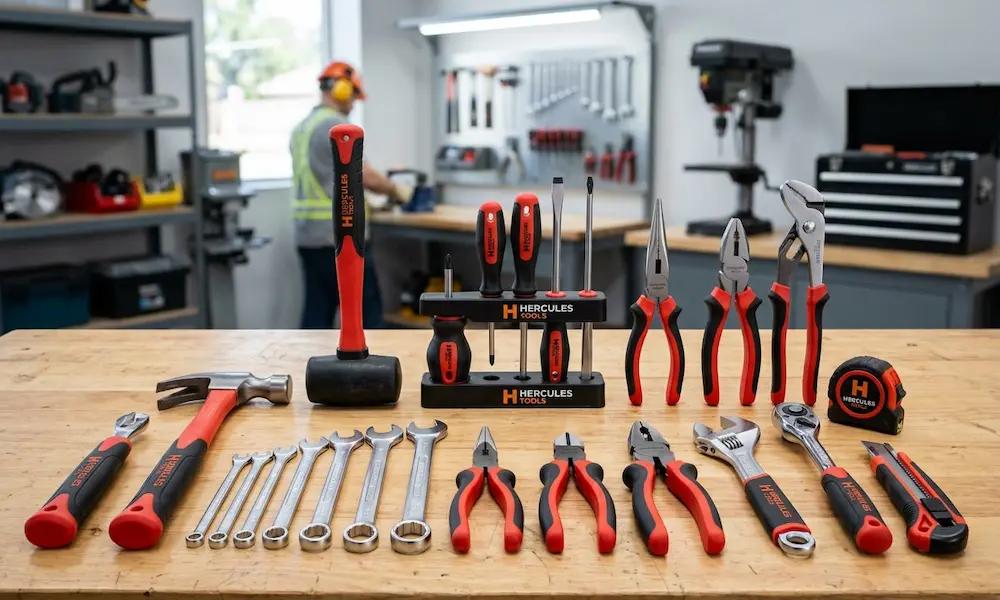
Harbor Freight’s biggest edge? Physical stores — walk in, swap a defective tool, walk out. VEVOR’s returns go through email support, which takes longer. Harbor Freight also has a more expansive cordless ecosystem through Bauer and Hercules.
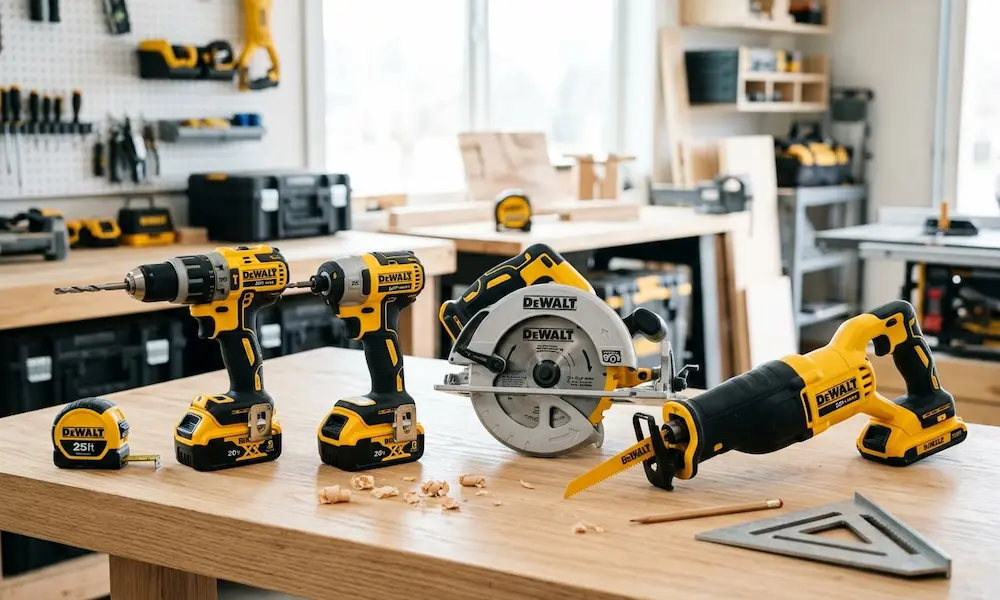
Premium brands like DeWalt and Milwaukee are engineered for six-plus hours of daily contractor use, backed by multi-year warranties and local service centers. If that describes your workload, the premium price is justified.
The Return and Refund Experience: What to Expect
Here’s where many buyers get frustrated. VEVOR is known for offering partial refunds — say, 40-60% back — instead of accepting a full return on damaged items.
Why? Heavy tools cost a lot to ship back internationally. The company often finds it cheaper to refund part of your money than to pay return freight. Some users who reject the partial offer report slow responses and end up filing credit card chargebacks.
The smart move: Buy VEVOR tools through Amazon or eBay. Both platforms give you a secondary layer of buyer protection with standardized return policies that bypass VEVOR’s direct support process.
Delivery itself is typically fast and reliable — most orders ship within 24 hours and arrive in 1-7 days via FedEx or UPS, free of charge.
| Payment Method | Typical Refund Time |
|---|---|
| Credit Card | 3-15 Business Days |
| PayPal | Up to 48 Hours |
| Klarna | Up to 14 Days |
VEVOR’s New Houston Flagship Store
In February 2026, VEVOR opened its first US brick-and-mortar store in Houston, Texas (10951 FM 1960 Rd W). This is a big deal.
The store features a hands-on “Pro Zone” where customers can test car jacks, power tools, and woodworking equipment before buying. It also runs a Buy Online, Pick Up In Store model — faster than shipping, and you see exactly what you’re getting.
If VEVOR expands this model to more cities, the brand’s biggest weakness — difficult returns — starts to disappear.
Who Should (and Shouldn’t) Buy VEVOR Tools
Buy VEVOR if you’re:
- A DIY homeowner who needs professional-level power for a single project
- A hobbyist machinist or woodworker who enjoys tuning and tweaking tools
- Running a small shop and need to equip it without a massive upfront investment
- Looking for specialty equipment (ultrasonic cleaners, shop tables, industrial vacuums) at a fair price
Skip VEVOR if you’re:
- A contractor using tools six or more hours a day
- Already invested in a major cordless battery ecosystem
- Buying anything in the heat appliance, steamer, or child safety categories
- Requiring sub-0.01mm measurement accuracy
Are VEVOR tools any good? Yes — genuinely, for the right job. Buy smart, buy through a marketplace, and know which categories to avoid. That’s really all there is to it.