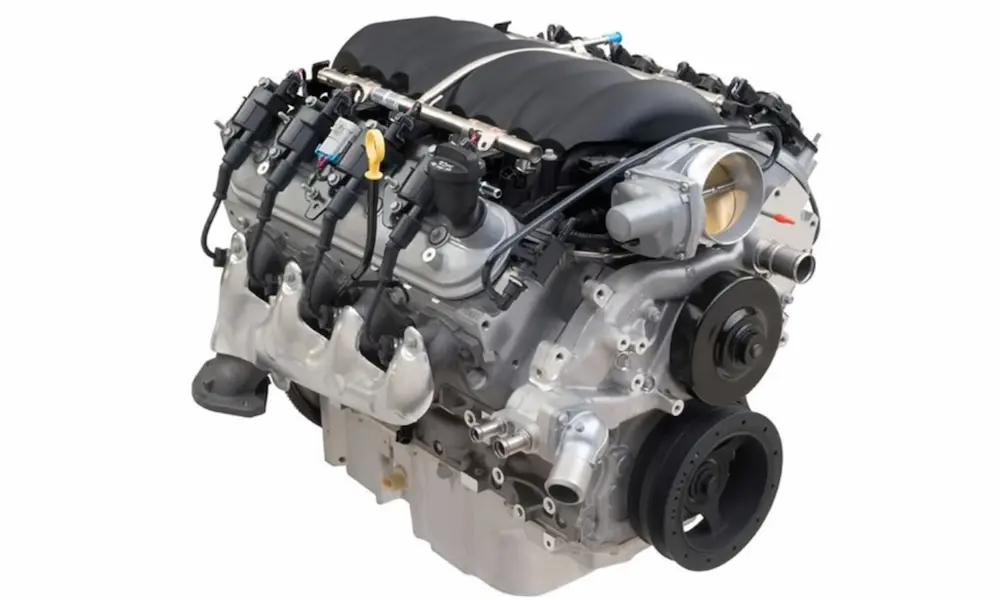
That rhythmic tapping from your engine bay is hard to ignore. It might be a simple fix — or a warning sign. This guide breaks down the best additive for lifter tick, how each product works, and which one fits your engine. Stick around, because the wrong choice can make things worse.
What’s Actually Causing That Tick?
Before you grab any bottle off the shelf, you need to understand what’s happening inside your engine.
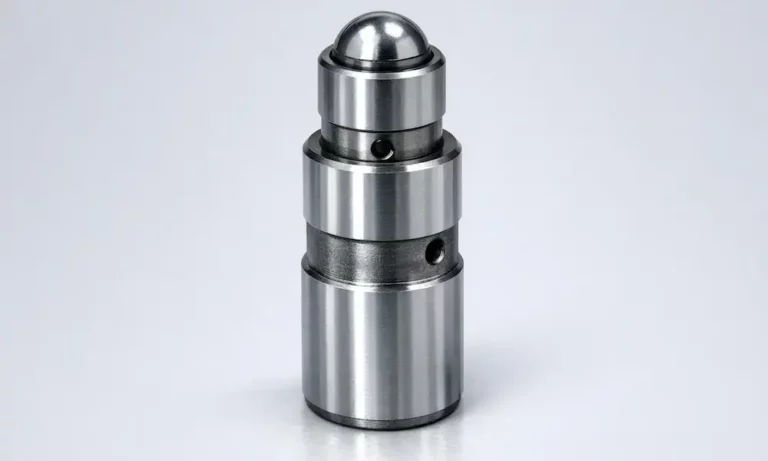
A hydraulic lifter uses oil pressure to maintain zero gap between the camshaft and valve. When it works correctly, you hear nothing. When it fails, the camshaft lobe slaps the lifter instead of pushing it smoothly — and that’s your tick.
The three most common culprits behind lifter noise are:
- Sludge and varnish buildup — old or degraded oil leaves deposits that gum up the lifter’s internal plunger
- A dirty or stuck check valve — a tiny piece of debris stops the valve from sealing, so oil bleeds out under pressure
- Oil that’s too thin or too thick — temperature extremes push your oil outside its ideal viscosity range
Here’s the good news: most lifter ticks aren’t mechanical failures. They’re lubrication problems — and that’s exactly what oil additives are designed to fix.
Is That Tick Really a Lifter? Check This First
Not every engine tap comes from a lifter. Misidentifying the noise leads to wasted money and a problem that keeps getting worse.
| Noise Type | Sound | Location | Clue |
|---|---|---|---|
| Lifter tick | Light, rhythmic tapping | Top of engine, near valve covers | Often quiets down at higher RPMs as oil pressure builds |
| Rod knock | Deep, heavy thud | Bottom of engine, crankcase | Gets dramatically louder under acceleration |
| Exhaust manifold leak | Sharp, panting tick | Side of engine | Loudest when cold; look for black soot around exhaust ports |
| Loose spark plug | Sharp, rhythmic pop | Cylinder head | May smell like raw fuel or exhaust |
| Piston slap | Hollow rattling | Cylinder block | Disappears as the engine warms up |
If the sound comes from near the valve covers, speeds up with engine RPM, and settles down once the engine is fully warm — you’ve got lifter tick. Time to treat it.
How Oil Additives Fix Lifter Noise
The best additive for lifter tick works by targeting one or more of these mechanisms:
Detergents and dispersants scrub varnish off the lifter’s internal surfaces and keep freed debris suspended in the oil so it drains out at your next oil change. Calcium- and magnesium-based detergents are the most common in quality formulas.
Solvents and penetrating agents go after hardened deposits that standard detergents can’t touch. Products like Sea Foam use lighter petroleum distillates that re-liquify old sludge and free stuck plungers.
Friction modifiers and nano-technology particles fill microscopic wear grooves on metal surfaces. Hot Shot’s Secret FR3 Nano Technology reduces friction by up to 30% compared to untreated oil.
Viscosity stabilizers thicken the oil film in worn engines where internal tolerances have grown too loose, stopping oil from bleeding out of the lifter’s high-pressure chamber.
The 6 Best Additives for Lifter Tick — Compared
1. Liqui Moly Hydraulic Lifter Additive (LM20004) — Best for European Engines

- Improves the lubrication properties of the oil
- Cleans valve bores
- Suitable for use in vehicles with turbochargers and vehicles with catalytic converters
- Prevents engine noises caused by hydraulic tappets
- Flash point: 60.0 degrees_celsius
If you drive a BMW, Mercedes-Benz, or anything from the VW Group, this is the go-to pick. Liqui Moly LM20004 is a concentrated detergent package engineered specifically to clean the tiny orifices inside hydraulic tappets and improve check valve seating.
It’s a “stay-in” treatment — you add it and leave it for the full oil change interval. Unlike aggressive solvents, it doesn’t change your oil’s viscosity, which matters enormously if your car calls for 0W-20 or 5W-30.
Liqui Moly’s own formulation guide confirms it’s fully compatible with turbocharged engines and catalytic converters.
Best for: BMW N52/N54, VW/Audi 2.0T, Mercedes M272, any European engine with tight oil spec requirements.
Use ratio: 300ml treats up to 6 liters of oil.
2. Sea Foam High Mileage Motor Treatment — Best for Neglected Engines


Sea Foam is the shock treatment for engines that have been pushed too long between oil changes. It’s solvent-heavy, which means it dissolves heavy sludge fast and frees lifters that are physically stuck.
The correct method: add 1 oz per quart of oil, then drive 100–300 miles before your scheduled oil change. The solvents loosen the deposits, the old oil carries them out, and your fresh fill starts clean.
The catch: using too much Sea Foam or running it too long can thin your oil, reducing its film strength. Don’t push it under heavy loads while the treatment is in the crankcase.
Best for: Older engines, vehicles with unknown service history, engines with confirmed sludge issues.
3. Rislone Engine Treatment — Best All-Around Daily Driver Pick

- The information below is per-pack only
- REDUCES FRICTION AND WEAR: Multi-grade formula allows the oil to flow freely and provides protection over a broader temperature range
- REMOVES AND PREVENTS SLUDGE: XTREME LUBE Maximum Performance removes sludge and other harmful deposits within engines that can alter tolerances, stick rings, cause noisy valves & lifters, and plug oil passages and screens
- QUIETS NOISY LIFTERS: The unique Rislone formula is designed to penetrate into bearing surfaces, piston rings and ring grooves, where sludge and varnish is likely to form. These deposits are gradually removed and held in suspension until they are trapped in the filter or removed with the next oil change
- QUIETS NOISY VALVES: Regular use of Rislone Engine Treatment, with oil and filter changes at the proper intervals, will keep such deposits to a minimum
Rislone has been making oil treatments since 1921, and their engine treatment formula earns its reputation for steady, safe cleaning. It’s not as aggressive as Sea Foam — it’s a gradual cleaner you leave in for the full oil change interval.
It combines a penetrating oil with a cleaning package that targets lifter bores and piston rings, then lays down an “Xtreme Lube” layer to reduce future friction. Mechanics consistently recommend it for GM 5.3L Vortec engines and Chrysler Hemi applications where persistent ticking is a known issue.
One honest note: some independent tests suggest Rislone can slightly raise oil acidity. For most engines on a normal service schedule, this isn’t a concern — but it’s worth knowing.
Best for: GM 5.3L Vortec, Chrysler Hemi 5.7L/6.4L, daily drivers that need gradual, steady cleaning.
4. Marvel Mystery Oil — Best for Cold Climates and Older Vehicles
No products found.
MMO is a thin, detergent-rich penetrating oil that’s been around for decades with good reason. It works as a cleaning catalyst — breaking down acidic combustion byproducts and preventing oil from thickening in cold temperatures.
The recommended method is replacing up to 20% of your oil capacity with MMO. It’s especially effective for cold-start ticking because it keeps oil flowing freely through lifter passages before normal operating temperature is reached.
The catch: MMO’s low viscosity means it’s not right for engines already running low oil pressure. Thinning the oil further in a worn engine can accelerate bearing wear.
Best for: Cold climates, classic cars, short-trip driving patterns where cold-start tick is the main complaint.
5. Hot Shot’s Secret Tick Fix + Protect — Best for Modern American V8s
Hot Shot’s Secret built Tick Fix specifically for the headaches of modern engine tech — Active Fuel Management (AFM), Multi-Displacement System (MDS), and stop-start systems.
The FR3 Nano Technology uses spherical particles to fill in microscopic wear on lifter surfaces, rebuilding a smooth contact layer at the molecular level. It’s formulated to meet GM’s dexos specification and is the top recommendation for AFM lifter issues on LS platform engines.
One honest caveat from the manufacturer: Tick Fix can’t repair a mechanically broken or collapsed lifter. If the internal spring is failed or the plunger bore is worn out, you need a hardware fix, not a chemical one.
Best for: GM LS 5.3L/6.2L with AFM, Chrysler Hemi, Jeep 4.0L inline-six.
6. Lucas Oil Stabilizer — Best for High-Mileage Trucks

- The information below is per-pack only
- World’s #1 synthetic oil additive
- Light, slick, and long-lasting with exceptional film strength
- Stabilizes oil pressure in modern electronically controlled engines
- Suitable for import and domestic engines requiring newer, lighter oils
Lucas doesn’t clean — it cushions. Lucas Oil Stabilizer increases the oil’s film strength and “cling” factor, which helps maintain pressure in engines where internal tolerances have grown loose over hundreds of thousands of miles.
It’s a favorite among owners of older trucks and heavy-duty equipment where the goal isn’t cleaning but keeping a worn engine quiet and functional.
The catch: Lucas is not recommended for engines with variable valve timing (VVT) or turbochargers. VVT systems rely on precise oil pressure and flow to actuate cam phasers. Thick oil can throw off that calibration and trigger a check engine light.
Best for: High-mileage trucks over 150,000 miles, naturally aspirated engines, older domestic V8s.
Quick Comparison: Which Additive Fits Your Situation?
| Product | Ratio | Treatment Window | Best Strength |
|---|---|---|---|
| Liqui Moly LM20004 | 300ml per 6L | Full oil change interval | Check valve cleaning; VVT-safe |
| Sea Foam High Mileage | 1 oz per quart | 100–300 miles before oil change | Fast sludge dissolution |
| Rislone Engine Treatment | 1 bottle per 4–6 qts | Full oil change interval | Gradual cleaning; friction reduction |
| Marvel Mystery Oil | 20% of oil capacity | Full interval or 300–500 miles | Cold-start flow; versatile use |
| Hot Shot’s Secret Tick Fix | 1 qt per 4–8 qts | Full oil change interval | Nano-wear protection; AFM focus |
| Lucas Oil Stabilizer | 20% of oil capacity | Full oil change interval | Pressure boost in worn engines |
Engine-Specific Recommendations
GM LS and Vortec 5.3L / 6.0L / 6.2L
The AFM lifters in these engines have a locking pin mechanism that’s extremely sensitive to carbon buildup. Hot Shot’s Secret Tick Fix and Rislone both show strong results clearing those narrow AFM oil galleries. On high-mileage examples over 200,000 miles, pairing Liqui Moly LM20004 with a slightly heavier oil grade (5W-40 synthetic) adds an extra layer of protection.
Chrysler Hemi 5.7L and 6.4L
“Hemi tick” can come from either hydraulic collapse or roller bearing wear on the lifter itself. Pure detergent cleaners won’t fix a metal-on-metal wear issue. Products with boundary-layer protection — specifically Hot Shot’s Secret with FR3 Nano Technology — are the better starting point. If the tick shows up only when the engine is hot, a viscosity stabilizer helps maintain oil film on the cam lobe.
BMW N52 and N54 Inline-Six
These engines trap air in the lifters during short-trip driving, which causes a distinctive cold-start tick. Liqui Moly LM20004 is the near-universal recommendation in the BMW community. Pair it with a 30-minute highway run at 3,000+ RPM to purge trapped air from the hydraulic elements.
High-Mileage Diesel Engines
Diesel soot thickens oil fast and clogs lifter passages. Dispersant-rich additives keep soot suspended so it doesn’t block internal orifices. Marvel Mystery Oil also earns consistent praise in the diesel world for cleaning upper cylinder components while improving cold-flow properties.
Risks Worth Knowing Before You Pour Anything In
Additives aren’t always harmless. A few things to keep in mind:
Viscosity dilution — Solvent-based products like Sea Foam and MMO thin your oil. Don’t drive hard or tow while the treatment is active. Drain it on schedule.
Oil foaming — Some thick stabilizers foam when spun by the crankshaft or forced through a turbo. Foamed oil is mostly air and has almost no lubricating capacity. If foamed oil reaches a lifter, it collapses instantly — louder than the tick you started with.
Seal issues — Aggressive cleaners can remove old sludge that was acting as a “filler” around hardened seals. That sometimes triggers immediate leaks from front or rear main seals, especially on older vehicles. Modern additives that include seal conditioners reduce this risk significantly.
Increased acidity — Some older formulations raise the oil’s total acid number over time. Independent testing has flagged this as a concern for sensitive bearing metals. Stick to reputable brands and don’t extend oil change intervals while using chemical treatments.
How to Treat Lifter Tick Step-by-Step
- Locate the noise with a mechanic’s stethoscope — confirm it’s coming from the valve cover area, not the crankcase
- Check if it clears when warm — if it does, you likely have a dirty or slow-to-prime lifter rather than a mechanical failure
- Verify oil pressure with a mechanical gauge — if pressure is low, an additive is a temporary fix, not a solution
- Pick your additive based on the engine and issue type (see table above)
- Add the product at the correct ratio and drive for the recommended interval
- Change your oil after treatment and assess — if the tick is gone, you’ve solved it
- If the tick persists after two treatment cycles, the lifter has likely suffered mechanical failure and needs physical replacement
Preventing Lifter Tick Before It Starts
The best additive for lifter tick is the one you never need to use.
Switch to full synthetic oil. Full synthetic maintains its viscosity and resists the thermal breakdown that creates varnish and sludge. In hot climates especially, synthetic oils stay stable far longer than conventional mineral oils.
Use a quality oil filter. A premium filter with a high filtration efficiency rating and a reliable anti-drainback valve prevents dry cold starts — which is when most incremental lifter wear happens. That anti-drainback valve keeps the oil galleries primed so the engine isn’t running “dry” for the first few seconds after startup.
Don’t ignore oil change intervals. Degraded oil is the number one cause of lifter contamination. Fresh, clean oil with its full detergent package is your best daily protection.
Stop-start and hybrid duty cycles deserve attention too. Every restart creates a brief low-pressure window. Products formulated specifically for stop-start technology — like Hot Shot’s Secret — provide extra startup protection that standard oil additives don’t.
A quiet engine isn’t just comfortable to drive — it’s an engine that’s working the way it was designed to.