Shopping for a used Silverado feels like defusing a bomb — one wrong year and you’re stuck with a truck that drinks oil faster than gas. This guide cuts straight to the best year for Chevy Silverado across every generation, budget, and use case. Stick around to the end, because the modern recall situation changes everything.
Why Model Year Actually Matters for the Silverado
Not all Silverados are built equal. Across four generations — the GMT800, GMT900, K2XX, and T1XX — GM introduced new tech, fixed old problems, and occasionally created brand-new ones. The pattern is almost clockwork: first-year models tend to struggle, while the final years of each platform shine brightest.
Knowing which year to target saves you thousands in repairs and headaches you didn’t sign up for.
The Best Year for Chevy Silverado: Quick Answer by Category
Before diving deep, here’s your cheat sheet:
| Use Case | Best Year | Why |
|---|---|---|
| Maximum reliability | 2006 | Final GMT800, proven Vortec V8, no AFM |
| Budget daily driver | 2012–2013 | AFM fixes done, modern safety, affordable |
| Modern truck, proven platform | 2018 | Last K2XX, all bugs resolved |
| Best fuel economy | 2021–2024 (Diesel) | 3.0L Duramax, 29 MPG highway, no DFM issues |
| Heavy-duty work | 2006–2007 (LBZ) or 2020+ (L5P) | Best Duramax generations |
Generation 1 (1999–2006): The Benchmark Nobody Beats
The GMT800 platform is where Silverado legends are born. GM spent 36 months developing this truck before it ever hit a showroom, and that patience paid off. The hydroformed front frame rails, iron-block Vortec V8 engines, and dead-simple 4L60-E transmission created a truck that regularly hits 200,000 to 300,000 miles without major surgery.
Why the 2006 Silverado Is the Reliability King
The 2006 model year is the sweet spot of the first generation — and arguably the single best year for Chevy Silverado ever made if durability is your priority.
Here’s what makes it stand out:
- Refined interior — GM addressed every squeaky, rattling complaint from 1999–2005
- Steering shaft and cooling system fixes were already baked in
- L33 “High Output” 5.3L option — aluminum block, higher compression, more power with zero sacrifice in longevity
- No cylinder deactivation — the system that killed thousands of later trucks simply doesn’t exist here
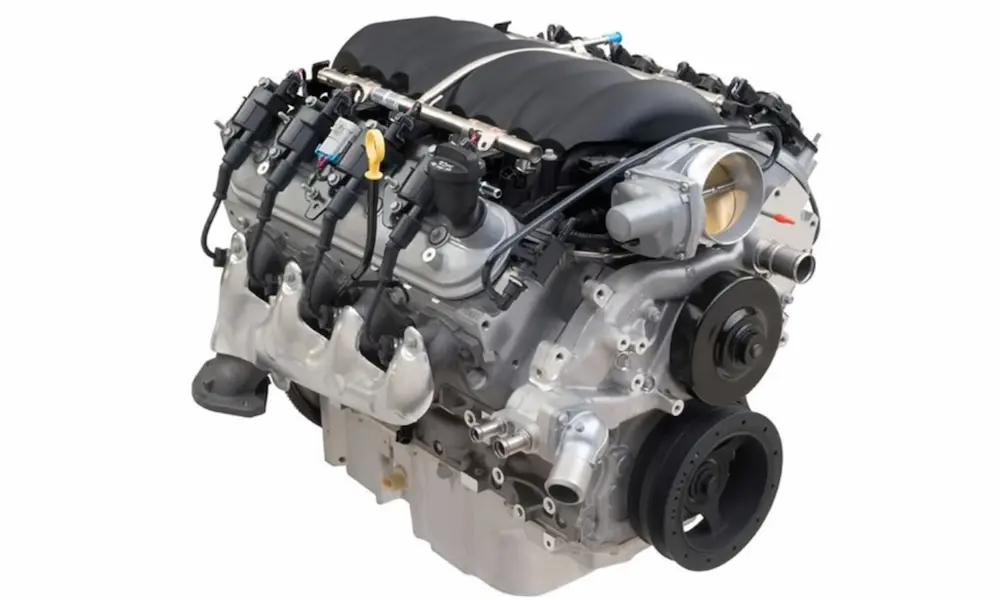
The 5.3L Vortec V8 in these trucks is genuinely one of the most reliable truck engines ever built. It’s a pushrod design that prioritizes torque and longevity over fuel economy gimmicks.
| Vortec Engine | Displacement | Horsepower | Torque | Reliability |
|---|---|---|---|---|
| Vortec 4800 | 4.8L V8 | 270–285 hp | 285–295 lb-ft | Excellent |
| Vortec 5300 | 5.3L V8 | 285–310 hp | 325–335 lb-ft | Industry benchmark |
| Vortec 6000 | 6.0L V8 | 300–345 hp | 360–380 lb-ft | Standard in HD models |
Years to Avoid in Generation 1
The 1999–2002 models are solid mechanically, but watch for failing instrument clusters and peeling interior trim. The 2003 and 2004 models saw over 1,000 NHTSA complaints each, mostly around electrical glitches and brake line corrosion. Nothing catastrophic — but annoying enough to steer toward a later model.
Generation 2 (2007–2013): Great Truck, Terrible Start
The GMT900 platform won the 2007 North American Truck of the Year award. The frame got 234% stiffer in torsional rigidity. The ride got smoother. Then Active Fuel Management (AFM) showed up and ruined the party for a few years.
The AFM Problem Explained Simply
AFM shuts off four of eight cylinders when you’re cruising to save fuel. Smart idea, rough execution. In 2007–2010 trucks, the system sprayed oil mist directly onto cylinder walls, which carbonized and caused piston rings to seize. The specialized lifters collapsed. Engines started burning more than a quart of oil every 1,000 miles.
Avoid 2007, 2008, and 2009 models unless you’ve seen a full service history that proves the AFM was already addressed.
The 2012 Silverado: Best Budget Pick
By 2011, GM fixed the AFM valve covers, updated the PCV system, and sorted the oil consumption nightmare. The 2012 Silverado hit a J.D. Power Quality and Reliability score of 86 out of 100 — proof that the engineering work landed.
The 2012 and 2013 models give you:
- Standard stability control and side curtain airbags
- Resolved AFM issues — no lifter ticking nightmares
- No direct injection — which means no carbon buildup on intake valves
- Affordable used pricing compared to newer trucks
It’s the best year for Chevy Silverado if your budget tops out around $20,000 and you want a truck that won’t eat your weekends alive.
Generation 3 (2014–2018): Brilliant Finish, Rough Start
The K2XX platform introduced high-strength steel frames, EcoTec3 engines with direct injection, and the premium High Country trim. It’s a genuinely impressive truck — when it works.
Never Buy the 2014 Silverado
The 2014 model year is the worst in Silverado history. Full stop.
As a first-year redesign, it arrived with more problems than solutions:
- A/C condenser failures at around 67,000 miles, averaging $900 to fix
- “Chevy Shake” — a brutal vibration tied to driveshaft balance and frame harmonics
- Transmission shuddering and stalling — more owner complaints than any other year
The 2014 Silverado did earn a five-star NHTSA overall crash test rating — safety was genuinely good. But mechanical reliability was a mess. Pass on it.
The 2018 Silverado: Best Modern Used Truck
Five years of platform refinement did exactly what you’d hope. By 2018, GM had:
- Resolved the 8-speed transmission shift complaints through software updates
- Fixed steering and A/C condenser issues from early production
- Added Apple CarPlay and Android Auto as standard features
The 2018 Silverado is consistently ranked as one of the most reliable modern Silverados. It’s the last year of the K2XX platform, so all the wrinkles are ironed out. If you want a truck that feels genuinely modern without gambling on recall-era issues, this is your pick.
Generation 4 (2019–Present): Impressive Tech, Early Growing Pains
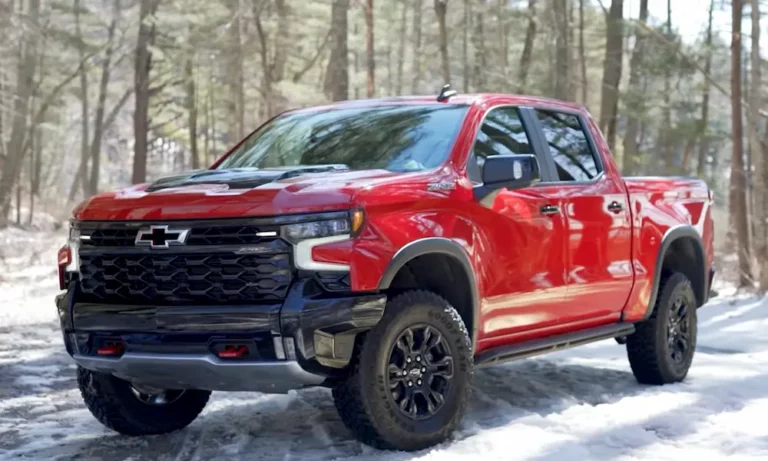
The T1XX platform dropped up to 450 pounds through aluminum doors, hood, and tailgate while keeping the steel frame and bed for durability. Dynamic Fuel Management (DFM) replaced AFM, now deactivating cylinders in 17 different patterns.
The problem? DFM brought back lifter failures, especially in 2019–2021 V8 models. Some engines failed at very low mileages.
The 2021 Silverado: When This Generation Gets Good
The 2021 model shows very few NHTSA complaints — making it one of the most reliable Silverados GM has ever produced. By 2021, the DFM hardware and software had matured enough to avoid the catastrophic failures of 2019 and 2020 trucks.
The Real Winner: 3.0L Duramax Diesel (2021–2024)
If you drive a lot of highway miles, the 3.0L Duramax inline-six diesel is the best powertrain in the current generation — and it sidesteps the DFM lifter problems entirely.
Real-world numbers from 2024 diesel Silverado testing:
- 23 MPG city
- 29 MPG highway
- 495 lb-ft of torque
- 13,300 lb towing capacity
That’s nearly double the city fuel economy of the 5.3L V8. The diesel engine construction is more robust, and it’s the standout reliability success of this entire generation.
| T1XX Engine | HP | Torque | Max Towing | Combined MPG |
|---|---|---|---|---|
| 2.7L Turbo I-4 | 310 | 430 lb-ft | 9,500 lbs | 20 MPG |
| 5.3L EcoTec3 V8 | 355 | 383 lb-ft | 11,500 lbs | 18 MPG |
| 6.2L EcoTec3 V8 | 420 | 460 lb-ft | 13,300 lbs | 17 MPG |
| 3.0L Duramax Diesel | 305 | 495 lb-ft | 13,300 lbs | 26 MPG |
The 2025 Recall Crisis: What Every Silverado Buyer Must Know Right Now
This section matters regardless of which year you’re buying.
The 6.2L V8 Engine Recall
In April 2025, GM recalled approximately 877,000 vehicles with the 6.2L L87 V8, covering 2019–2024 trucks. Manufacturing defects in connecting rods and crankshaft bearings cause sudden oil pressure loss — which can seize the engine while you’re driving.
Watch for these warning signs:
- Metallic knocking or tapping from the engine bay
- Low oil pressure warnings on the dashboard
- Metal shavings in the oil during routine service
GM’s fix involves an inspection and switching to 0W-40 oil for engines that pass. Failed engines face replacements costing up to $25,000 out of warranty.
The 10-Speed Transmission Recall
Over 500,000 trucks and SUVs with the 10-speed automatic face a separate recall for a valve body defect that can lock the rear wheels at highway speeds. GM’s software update detects wear early and forces limp mode before the dangerous downshift occurs. For diesel trucks built between 2020 and 2022, GM extended the warranty for this condition to 15 years or 150,000 miles.
If you’re buying a 2019–2024 Silverado with a 6.2L V8 or 10-speed transmission, confirm the recall work is completed before you hand over a dollar.
Heavy-Duty Silverado: Best Years for the 2500HD and 3500HD
The LBZ Duramax (2006–2007): The Holy Grail
The LBZ Duramax is what diesel enthusiasts argue about at 11pm on forums. It arrived before Diesel Particulate Filters complicated everything, paired with the bulletproof Allison 1000 6-speed transmission, and put out 360 hp and 650 lb-ft of torque.
It’s the best heavy-duty Silverado ever built for mechanical simplicity.
The L5P Duramax (2017–Present): Best Modern HD
The L5P redesigned the fuel system to eliminate the CP4 pump failures that plagued the LML generation. Current models push up to 470 hp and 975 lb-ft of torque. If you need a modern HD truck with full warranty coverage and serious towing muscle, 2020 and newer L5P trucks are your answer.
One engine worth mentioning: The 6.0L gas V8 in 2011–2019 2500HD trucks. It skipped the AFM system entirely, runs on a simple iron block, and is used in commercial fleets worldwide for a reason. It’s the quiet hero for buyers who don’t need diesel.
Rust: The Silent Killer of Great Silverados
A mechanically perfect 2006 Silverado means nothing if the rocker panels are Swiss cheese. GMT800 and GMT900 trucks are notorious for inside-out rust in the rockers and cab corners — moisture enters through the fender wells and gets trapped.
Three things to do right now if you own or buy an older Silverado:
- Flush the rocker panel drains with high-pressure water every season
- Apply oil-based undercoating like Woolwax, Krown, or Fluid Film annually — these creep into seams and stop oxidation where rubber coatings can’t reach
- Inspect the brake lines on 1999–2003 models and replace steel lines with nickel-copper if they show any rust
On newer AFM and DFM trucks, change your oil every 5,000 miles regardless of what the indicator says. The lifters that allow cylinder deactivation need exceptionally clean oil. Carbon buildup is what kills them, and extended oil intervals accelerate that process.
Your Final Buying Decision
The best year for Chevy Silverado isn’t one answer — it’s the right answer for your situation. The 2006 wins on pure durability. The 2012 wins on budget value. The 2018 wins for modern features without modern headaches. And the 2021–2024 diesel wins for anyone who sees a gas station as an enemy.
What all the best years share: they’re not first-year models, and they’re not carrying unresolved recalls. Buy at the end of a platform cycle, confirm any open recall work is done, and you’ll get one of the most dependable trucks on the road.