Picking the best year for a Chevy Traverse is trickier than it sounds. Some years are goldmines. Others are money pits. This guide breaks down every generation, flags the years to avoid, and tells you exactly which model to buy — and why. Read to the end before you hand over a single dollar.
Why the Chevy Traverse Has Such a Complicated History
The Traverse launched in 2009 and immediately won fans over with its massive interior. Three rows, minivan-level cargo space, car-like ride — families loved it. But underneath that roomy exterior lurked some serious mechanical headaches that took General Motors years to fix.
The good news? GM did fix them. Eventually. That’s what makes picking the right year so important.
First Generation (2009–2017): The Wild Years
The first generation ran for nine model years on the GM Lambda platform. It seated up to eight passengers and offered best-in-class cargo space. It also had some of the worst reliability scores in the segment during its early years.
2009–2012: The Years to Avoid
These four years share the same core problems, and they’re bad enough to walk away from entirely.
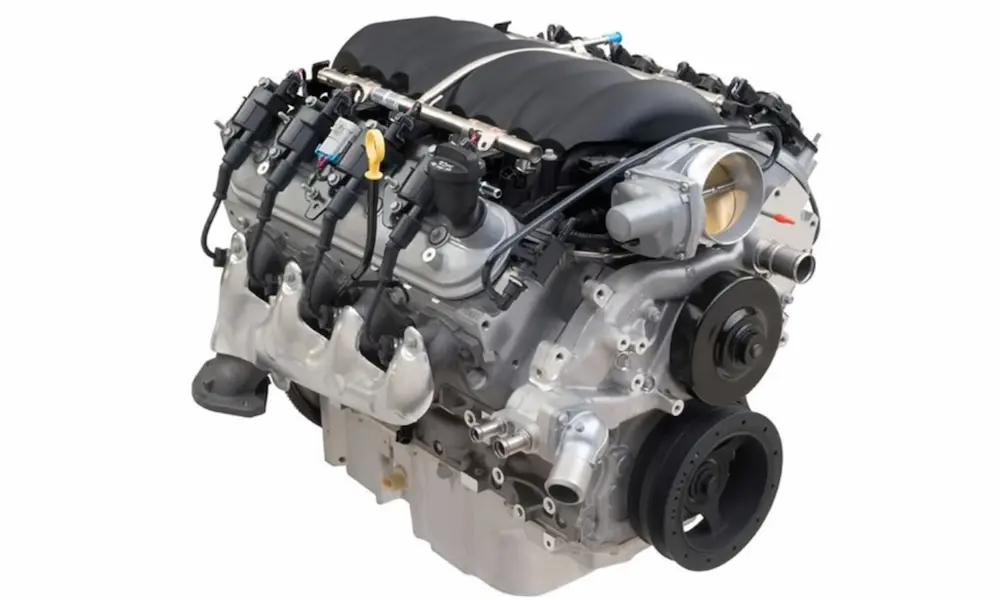
The 3.6-liter LLT V6 engine in these models had a timing chain design flaw that caused premature wear and engine failure — often right after the powertrain warranty expired around 90,000–100,000 miles. Repair bills hit $5,000 or more.
Here’s what made it worse: direct-injection engines naturally produce more soot. GM’s recommended 10,000-mile oil change intervals let that soot act like sandpaper on the timing chain components. The cams fell out of sync with the crankshaft, triggering “Reduced Engine Power” mode and sometimes causing piston-to-valve contact.
Transmission problems piled on top. The 6T75 six-speed automatic had a defective 3-5-reverse clutch wave plate that fractured under load — meaning you’d suddenly lose those gears and need a full rebuild. Early 2009–2011 models also had power steering racks and pumps that failed prematurely.
The 2011 model is specifically the worst of this group, logging the highest complaint volume and the most severe mechanical failures.
2013: The Turning Point
Chevrolet introduced a significant mid-cycle refresh in 2013 that went beyond new grille styling and Camaro-inspired taillights. GM reworked the transmission software and hardware, updated the timing chain materials, and introduced revised oil-life monitoring software that pushed owners toward more frequent maintenance intervals.
The 2013 model also introduced the 6.5-inch MyLink touchscreen and the first front-center airbag in the segment — a meaningful safety upgrade. Reliability scores improved noticeably from this point forward.
2015–2017: The First Generation Hits Its Stride
By 2015, the Traverse was a genuinely solid vehicle. The powertrain issues were largely resolved, Siri Eyes Free integration arrived in 2015, and 4G LTE connectivity with a built-in Wi-Fi hotspot came standard in 2016.
The 2017 model is the crown jewel of the first generation. As the final year before the full redesign, it carried five years’ worth of post-refresh engineering improvements. It’s free of the timing chain and transmission failures that plagued earlier years. It also offers the largest cargo volume in Traverse history — more than the newer generations. For budget buyers who need serious space, the 2017 is the pick.
| Model Year | Reliability Status | Key Issue |
|---|---|---|
| 2009 | Poor | Timing chain failure, transmission defect |
| 2010 | Poor | Engine failure, steering pump failure |
| 2011 | Worst rated | Highest complaint volume |
| 2012 | Below average | HVAC issues, steering problems |
| 2013 | Average (improving) | Mid-cycle refresh, initial improvement |
| 2014 | Average | Electrical quirks |
| 2015 | Good | Stable, mature platform |
| 2016 | Good | Consistently reliable |
| 2017 | Peak Gen 1 reliability | Final year, fully refined |
Second Generation (2018–2023): The Modern Traverse
The 2018 redesign moved the Traverse to the GM C1XX platform, cut 111 pounds, extended the wheelbase by two inches, and gave it a more truck-inspired look. The 3.6-liter LGX V6 now produced 310 horsepower and 266 lb-ft of torque paired with a new nine-speed automatic. Fuel economy improved significantly through smarter gear ratios and an intelligent stop-start system.
2018–2019: Early Bugs in a Better Machine
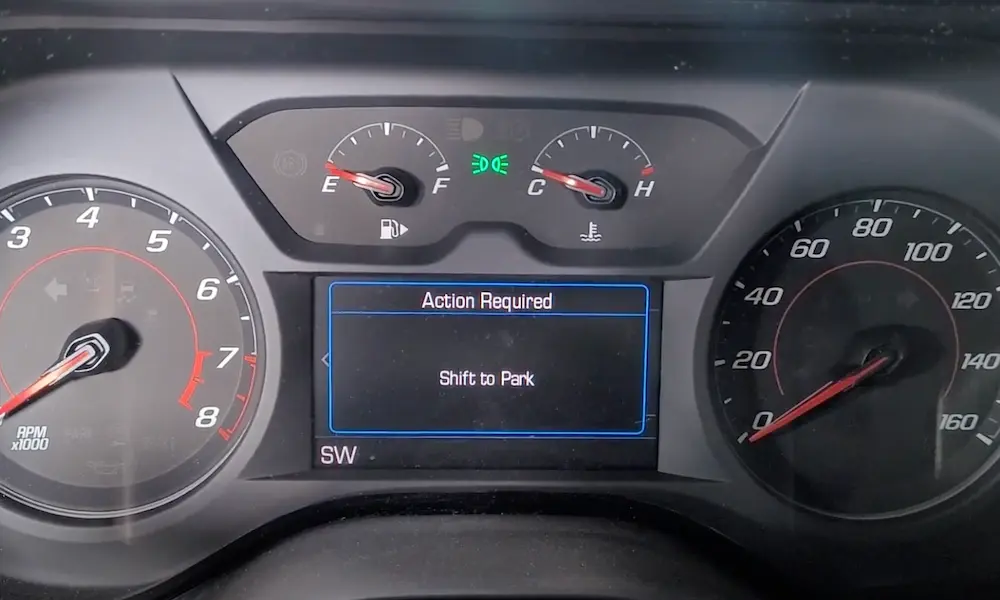
The second generation’s “Shift to Park” defect defined these early years. A faulty microswitch in the shifter assembly couldn’t detect that the car was in Park. That meant the engine wouldn’t shut off and the doors wouldn’t lock. It’s exactly as frustrating as it sounds.
This issue became widespread enough to trigger a class-action settlement in 2025, covering 2018–2019 models. GM issued TSB PIT5616A as a fix — a jumper harness (Part No. 84733196) to improve signal reliability between the shifter and the body control module. In stubborn cases, a full shifter assembly replacement was required.
The 2018 model also briefly offered a 2.0-liter turbocharged four-cylinder on the RS trim. It was quietly dropped after 2019 because buyers didn’t want a four-cylinder engine in a vehicle this large.
If you’re buying a used 2018 or 2019, verify that the “Shift to Park” fix has been completed before you sign anything.
2020–2021: Solid and Getting Better
By 2020, GM standardized the 3.6L V6 across all trims and dropped the four-cylinder entirely. The nine-speed transmission’s early calibration roughness had been ironed out through software updates, making it a far more refined unit than the 2018 launch version.
The 2021 model earned the IIHS Top Safety Pick designation for the first time, thanks to improved LED projector headlights and stronger performance in the demanding passenger-side small overlap front crash test. Driver assistance features also became standard on the Premier and High Country trims.
2022: The Best Year for Chevy Traverse — Full Stop
The 2022 Chevy Traverse is the single best year to buy. Here’s why:
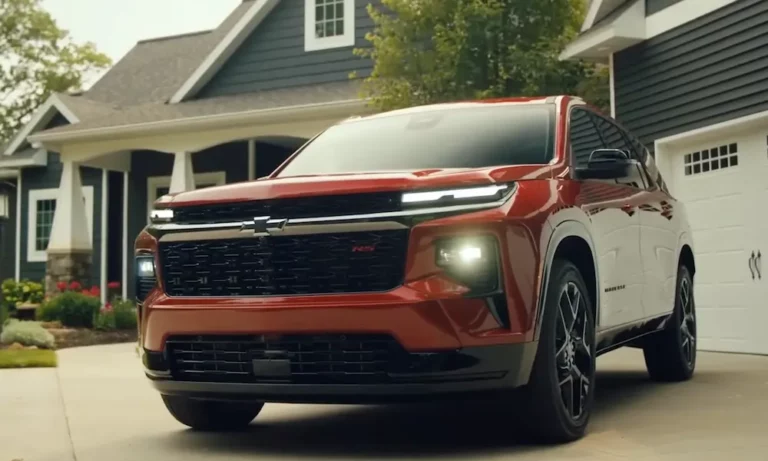
Chevrolet applied a mid-cycle refresh that brought slim LED headlamps front and back, a modernized exterior, and — most importantly — the “Chevy Safety Assist” suite as standard equipment across every trim level. That means Automatic Emergency Braking, Front Pedestrian Braking, and Lane Keep Assist on even the base model.
Before 2022, you had to buy up to a higher trim to get these features. That changed everything.
Add the fact that the C1XX platform was thoroughly proven by this point, the LGX V6 engine was at its most refined state, and the “Shift to Park” defect was long since resolved in production — and you get a vehicle that earns rave reviews from Consumer Reports without carrying any of the early-generation risks.
2023: Equally Great, Slightly Less Exciting
The 2023 is essentially a refined 2022 with no major changes. That’s actually a compliment. JD Power gave the 2023 Traverse strong consumer ratings and it represents a highly stable final year for the second generation. If you find a clean 2023 at a good price, don’t hesitate.
| Model Year | Key Upgrade | Reliability |
|---|---|---|
| 2018 | Full redesign, 9-speed auto | Lower (Shift to Park, tuning issues) |
| 2019 | 8-inch infotainment option | Lower (Shift to Park) |
| 2020 | V6 standardized across all trims | Good |
| 2021 | IIHS Top Safety Pick | Very Good |
| 2022 | Facelift + standard safety suite | Excellent ✅ Best Year |
| 2023 | Final Gen 2, no major changes | Excellent |
Third Generation (2024–Present): Turbocharged and Loaded
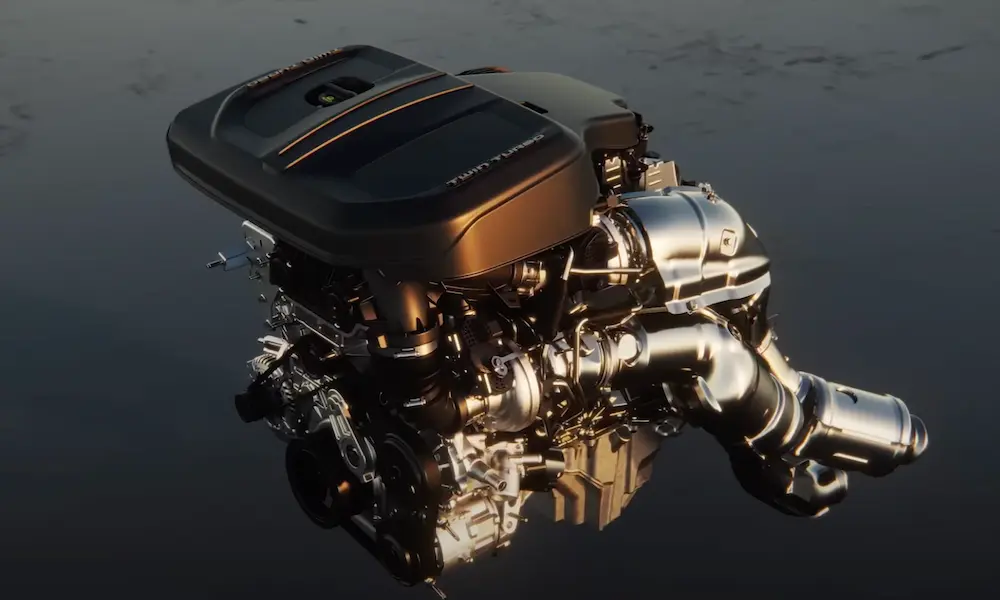
The 2024 redesign is a radical departure. GM ditched the V6 entirely and dropped in a 2.5-liter turbocharged four-cylinder. Despite having two fewer cylinders, it makes 328 horsepower and 326 lb-ft of torque — more torque than the V6 ever produced. The cabin now features a 17.7-inch touchscreen as standard on all trims from base LS to RS.
The standout addition is the Z71 trim — the first genuinely adventure-ready Traverse, featuring a one-inch suspension lift, a wider track, twin-clutch AWD, and hydraulic rebound dampers.
The 2025 model earned a 5-star NHTSA overall rating and the IIHS Top Safety Pick, adding Intersection Automatic Emergency Braking that catches cross-traffic threats traditional forward-facing systems miss.
The Early-Production Catch
Reliability trackers flag the 2024 as having lower predicted reliability than the late-model second-generation units. Owners report software glitches, infotainment freezes, and transmission fluid leaks from the torque converter housing — traced to loose pump bolts during assembly. A TSB was issued to correct this.
If you’re buying a used 2024, check that the VIN wasn’t part of that production batch, or confirm the bolt-tightening procedure is done. Consider an extended warranty or certified pre-owned (CPO) route for this generation.
The 2024 has also already depreciated 26% from its launch price, which ranges from $38,995 to over $57,000 for top trims. Waiting for a CPO unit makes financial sense.
Safety Benchmarks Across the Generations
Here’s how the Traverse performed in crash testing across three eras:
| Evaluation Category | 2012 (Gen 1) | 2021 (Gen 2) | 2025 (Gen 3) |
|---|---|---|---|
| Overall NHTSA Rating | 5 Stars | 5 Stars | 5 Stars |
| IIHS Small Overlap (Driver) | Not Tested | Good | Good |
| IIHS Small Overlap (Passenger) | Not Tested | Good | Good |
| Front Crash Prevention | Basic | Superior (available) | Superior (standard) |
| Headlight Performance | Poor | Acceptable | Good |
The jump from 2012 to 2021 is stark. NHTSA ratings stayed consistent, but the IIHS tests that actually simulate real-world crashes showed massive improvement. By 2022, standard safety tech closed the gap between trims entirely.
What the Traverse Is Worth Used
The Traverse depreciates faster than rivals like the Toyota Highlander or Honda Pilot. According to market data, a three-year-old Traverse averages around $32,282. A five-year-old example drops to roughly $24,660.
That steep depreciation curve is your friend in the used market. A 2022 Traverse with the full Chevy Safety Assist suite, a proven V6, and a refined interior won’t cost what it did new — and it won’t break down the way a 2010 will.
A well-maintained Traverse lasts approximately 13.5 years or 200,000 miles. Some owners push past 250,000 miles with disciplined fluid change schedules — especially for the transmission and AWD transfer case.
The Quick Verdict: Best and Worst Years at a Glance
Best year overall: 2022 — standardized safety tech, proven platform, refined V6, modern styling.
Best budget pick: 2017 — final first-gen year, largest cargo space, no timing chain risk.
Best for tech and performance: 2024 Z71 or RS — with an extended warranty.
Years to avoid:
- 2009–2012 — Timing chain failures and transmission wave plate fractures are expensive and common
- 2011 specifically — The single worst year by complaint volume
- 2018 — First-year “Shift to Park” defects; verify fix before buying