Got a Kia that’s been stolen or broken into? There’s real money on the table — and a hardware fix coming your way. This guide breaks down exactly who qualifies, how much you can get, and what steps to take before the deadlines hit. Stick around, because the details here could save you thousands.
Why Kia Vehicles Became a Theft Target
Here’s the short version: millions of Kia vehicles rolled off the lot without engine immobilizers. These tiny electronic devices prevent your car from starting without the right key signal. By 2015, 96% of other manufacturers had them standard. Kia? Only 26%.
That gap got weaponized on social media. A viral trend showed people starting these cars with a USB charging cord. Thefts exploded across the country, leaving owners with totaled cars, sky-high insurance premiums, and zero answers from the manufacturer.
The legal response was massive. Two separate settlements now offer money and fixes to affected owners — and one of them is still accepting claims.
Two Settlements, Two Different Opportunities
Don’t confuse these. They’re separate agreements with different rules, deadlines, and money pools.
| Settlement | Who Runs It | Claim Deadline | Fund Size |
|---|---|---|---|
| National Class Action | Federal court (Ninth Circuit) | April 28, 2025 — CLOSED | Multi-million dollar fund |
| Multistate Immobilizer Settlement | 35 state attorneys general | March 31, 2027 | $4.5 million |
If you missed the national deadline, the multistate settlement may still cover you — but only for thefts that happened after April 29, 2025.
The National Class Action Settlement: What Happened and What’s Next
The National Class Action, officially titled In re: Kia Hyundai Vehicle Theft Marketing, Sales Practices and Products Liability Litigation, reached final approval on October 1, 2024. Then objectors filed appeals and froze everything.
On January 8, 2026, the U.S. Court of Appeals for the Ninth Circuit issued two rulings that cleared those appeals. Payments have been on hold since. On May 27, 2026, jurisdiction transfers back to the district court, and the settlement administrator, Angeion Group, can start issuing payments.
If you filed before the April 2025 deadline, here’s what to do now:
- Keep your contact info current with Angeion Group
- Watch www.KiaTheftSettlement.com for payment updates
- Don’t file a new claim — that window is closed
Which Kia Models Qualify for the National Settlement
Your vehicle must use a traditional turn-key ignition and have been manufactured without an engine immobilizer. Here’s the full list of eligible models:
| Kia Model | Eligible Model Years |
|---|---|
| Forte | 2011 – 2021 |
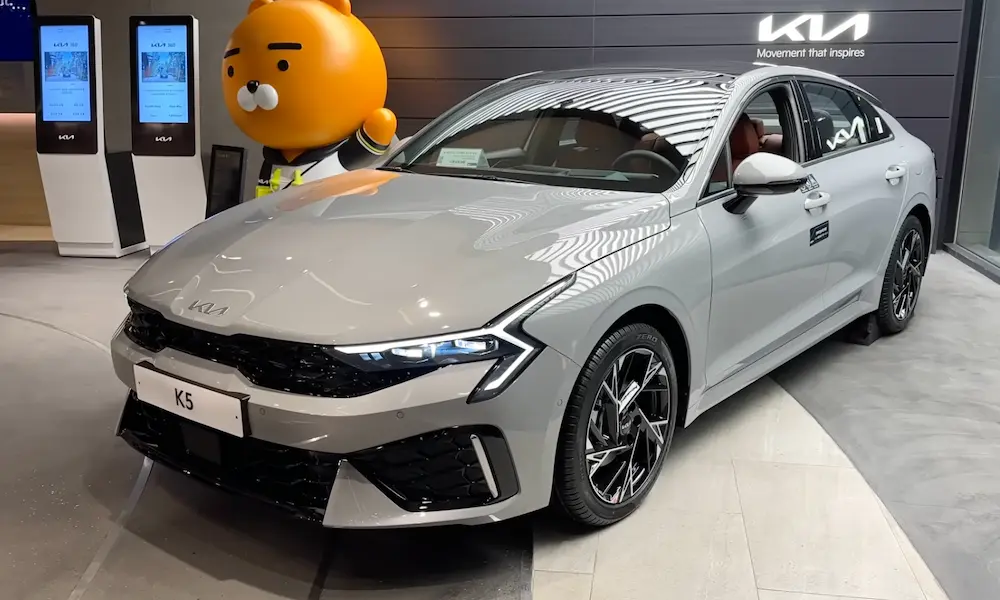
| K5 | 2021 – 2022 |
| Optima | 2011 – 2020 |
| Rio | 2011 – 2021 |
| Sedona | 2011 – 2021 |
| Seltos | 2021 – 2022 |
| Sorento | 2011 – 2022 |
| Soul | 2011 – 2022 |
| Sportage | 2011 – 2022 |
Vehicles purchased or leased in U.S. territories — Puerto Rico, the U.S. Virgin Islands, and Guam — also qualify.
How Much Money Does the National Settlement Pay?
The compensation structure is tiered based on your loss:
- Total loss vehicle: Up to 60% of your car’s Black Book value at the time of theft, including sales tax, licensing, and registration fees
- Damaged but not totaled: Up to 33% of Black Book value or $3,375 — whichever is greater
- Insurance deductible: Up to $375
- Miscellaneous expenses (towing, rental car, citations issued while the thief had your car): Up to $250
The Multistate Immobilizer Settlement: Still Open for Claims
This is the active settlement. Thirty-five state attorneys general, including those from Pennsylvania, Minnesota, California, and Washington, coordinated this agreement directly with Kia. The fund sits at $4.5 million, and claims are rolling in now.
Critical rule: To qualify, your theft or attempted theft must have happened on or after April 29, 2025. It also must have happened after you got the anti-theft software upgrade installed — or at least had an appointment scheduled.
That last part matters. The settlement treats the software as the primary defense. The money kicks in when that software wasn’t enough.
Multistate Settlement Payout Amounts
| Incident Type | Maximum Payout |
|---|---|
| Total vehicle loss | Up to $4,500 |
| Partial vehicle damage | Up to $2,250 |
| Attempted theft expenses | Up to $375 |
One important warning: the $4.5 million fund pays out on a rolling basis. Once it’s gone, it’s gone — even if the March 2027 deadline hasn’t passed. File early.
The Free Hardware Fix: Zinc Sleeve Installation
Beyond cash, the Multistate Settlement requires Kia to physically fix affected vehicles — for free. The solution is a zinc-reinforced ignition cylinder protector, sometimes called a zinc sleeve. It makes the ignition assembly much harder to break into using the methods that went viral online.
Here’s how the rollout works:
- Early 2026: Kia starts mailing notices to eligible owners
- One year from notice date: You have exactly 12 months to schedule and complete installation at an authorized dealership
- Cost to you: Zero
- Who gets it: All vehicles previously eligible for only the software update, plus those that weren’t eligible for software updates at all
This hardware upgrade matters. State attorneys general argued that software alone didn’t stop thieves from breaking in and causing damage. The zinc sleeve addresses the physical vulnerability directly.
The Anti-Theft Software Upgrade: Get This Done First
If you haven’t gotten the software upgrade yet, stop reading and book your appointment now. It’s a prerequisite for the Multistate Settlement, and it’s free.
The software changes how your ignition responds when the car is locked with the key fob — the engine won’t start without the physical key present. It directly blocks the USB hack method.
Here’s how to get it done:
- Check eligibility with your VIN at Kia’s anti-theft support page
- Schedule an appointment at an authorized Kia dealership
- Expect the installation to take one to two hours
- The dealer applies window stickers signaling the software is active — a visible theft deterrent
- Some newer connected models can receive updates over-the-air, but most turn-key vehicles need a physical visit
Keep your appointment confirmation. You’ll need it for any Multistate Settlement claim.
How to File a Multistate Settlement Claim Right Now
The process is straightforward, but the documentation requirements are strict. Here’s exactly what to do.
Step 1: Find Your VIN
Your 17-character Vehicle Identification Number (VIN) appears:
- On a placard on your dashboard, visible through the driver’s side windshield
- Inside the driver-side door jamb
- On your title, registration card, and insurance documents
Step 2: Confirm Eligibility
Visit www.HKMultistateimmobilizersettlement.com and enter your VIN. If your vehicle qualifies, you’ll get directed to the claim portal.
Step 3: Gather Your Documents
The claim form requires specific paperwork. Missing any of these can sink your claim:
- Proof of ownership: Title, registration, or insurance policy showing your name and VIN
- Police report: Filed at or near the time of the theft or attempt — must include the date and vehicle details
- Proof of total loss: Insurer notification, third-party estimate, repair receipts, or DMV transfer form if the vehicle was scrapped
- Expense receipts: Towing, rentals, glass repair — must show a business name, address, and phone number. Cash payments require a signed statement under penalty of perjury
- Proof of software upgrade or scheduled appointment: This is non-negotiable for the Multistate Settlement
Step 4: Submit and Track
Submit your claim through the portal or by mail. Then follow up.
Multistate Settlement Contact Info:
- Phone: 1-844-655-4191
- Email: [email protected]
- Mail: P.O. Box 369, East Brunswick, NJ 08816
National Class Action Contact Info (status checks only):
- Phone: 1-844-966-2773
- Email: [email protected]
- Mail: P.O. Box 6609, East Brunswick, NJ 08816
Other Kia Settlements You Might Be Missing
Your VIN might qualify for additional settlements that have nothing to do with theft. Run your number through these too.
ABS Module Fire Risk (HECU Settlement)
Certain Kia models have a defect in their Anti-Lock Brake System that can cause engine fires. The HECU settlement provides warranty extensions, free inspections, and compensation for fire-related losses. Check the FAQ here.
Affected models include:
| Model | Years |
|---|---|
| Sportage | 2008 – 2021 |
| Sorento | 2007 – 2015 |
| Optima | 2013 – 2015 |
| Stinger | 2018 – 2021 |
| Cadenza | 2017 – 2019 |
Theta II Engine Settlement
A separate settlement covers engines prone to sudden failure and fire. Qualifying vehicles get a lifetime warranty on the engine — provided the Knock Sensor Detection System software update has been installed. If you’ve had an engine failure, you have 90 days from the incident to submit a claim.
Check your VIN across all active settlement databases. Owners often qualify for multiple agreements and don’t realize it.
Your Action Plan Right Now
Don’t let deadlines pass while you’re sorting through the details. Here’s what to prioritize:
- Book the software upgrade today if you haven’t already — it’s required for the Multistate Settlement and takes under two hours
- File your Multistate claim early — the $4.5 million fund runs out when it runs out, deadline or not
- Watch May 27, 2026 — that’s when the National Class Action payments start moving
- Check all your VINs against the HECU and engine settlement databases too
- Keep every document related to any theft event — police reports, repair bills, appointment confirmations, all of it
The settlements exist because millions of Americans got caught holding the bag on a manufacturer’s security shortcut. The money and the fixes are there. You just have to claim them.