Shopping for a used Ford Edge? The wrong model year can cost you thousands in repairs. The right one? Years of reliable driving. This guide breaks down every generation, flags the problem years, and tells you exactly which models are worth your money.
Why the Model Year Matters So Much With the Ford Edge
The Ford Edge ran for 18 years before Ford ended production in April 2024. That’s a long time, and the quality changed a lot across those years.
Some years had engine disasters. Others had infotainment systems that crashed more often than a budget laptop. A few years, though, hit the sweet spot — reliable engines, solid tech, and minimal recalls.
Picking the best year for Ford Edge isn’t just about budget. It’s about knowing the full story behind each generation.
First Generation (2007–2014): Built on the CD3 Platform
The first-generation Edge rode on Ford’s CD3 platform, the same bones as the Mazda6 and Lincoln MKX. It used naturally aspirated V6 engines and a six-speed automatic built with General Motors. The pattern here is classic: rough start, steady improvement, strong finish.
2007–2008: Skip These Years
These two are the worst of the bunch. The NHTSA and CarComplaints.com logged over 1,000 complaints for the 2007 model alone. The main culprits:
- 6F50 six-speed transmission failures — often catastrophic, requiring full rebuilds costing $3,000–$4,000
- Takata airbag inflators — subject to one of the largest safety recalls in history due to rupture risk
- Brake booster diaphragm failures — owners reported a terrifying loss of stopping power with no warning
These aren’t minor annoyances. These are safety issues and wallet-destroyers. Walk away.
2009–2010: Decent, But Not Perfect
Ford made serious improvements here. Consumer complaints dropped nearly 90 percent compared to the 2007 model, and J.D. Power gave the 2009 Edge a quality and reliability score of 82 out of 100. That’s solid.
The catch? A recall for fuel tank corrosion. The seam welds on the fuel tank rusted and leaked. Ford fixed it through a nationwide recall program, but it’s worth verifying any used 2009–2010 has that repair completed before you buy.
2011–2013: Avoid Due to Tech Nightmares
Ford gave the Edge a facelift in 2011. New styling, better interior, and a sportier 305-horsepower 3.7L V6 in the Sport trim. Sounds great, right?
Then they added MyFord Touch.
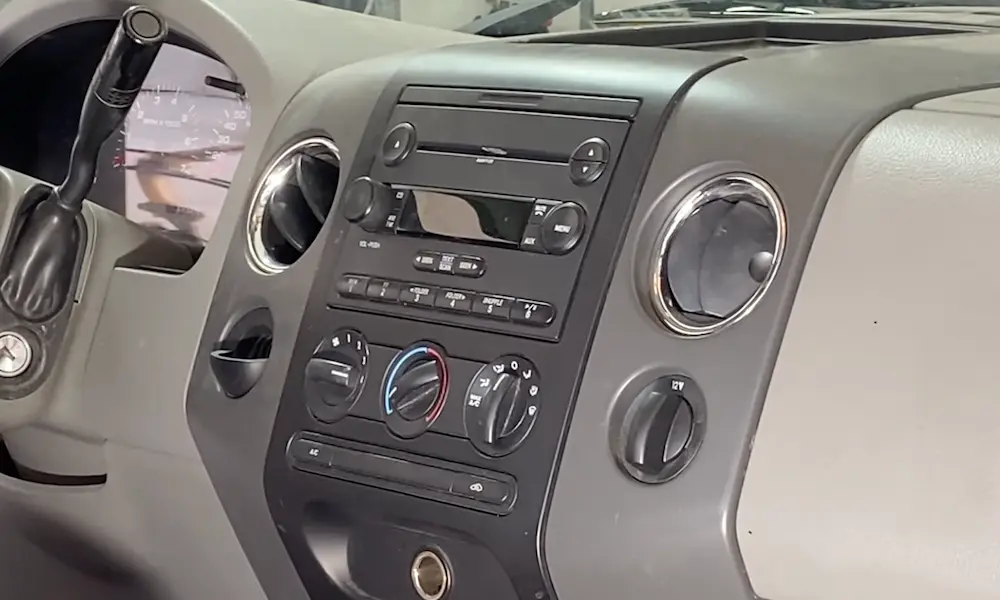
This capacitive touchscreen system replaced physical buttons for critical functions — including the windshield defroster and climate control. It was slow, unresponsive, and prone to full system crashes. The 2011 Edge alone racked up over 1,700 NHTSA complaints, covering everything from erratic shifting to electrical fires.
One specific bug became notorious during these years: the Door Ajar sensor failure. A faulty latch switch would convince the car the door was open — even when it was shut. The dome lights stayed on, the battery drained, and the automatic locks wouldn’t engage while driving. Annoying doesn’t cover it.
2014: The Best First-Generation Ford Edge
The 2014 model is the clear winner of the first generation. Ford had ironed out almost every problem by this point. Here’s how it scored:
| 2014 Ford Edge Reliability Metrics | J.D. Power Score |
|---|---|
| Overall Consumer Rating | 82/100 |
| Quality & Reliability | 84/100 |
| Driving Experience | 82/100 |
| Resale Value | 77/100 |
The 2014 Edge offers a refined, quiet cabin, solid acceleration, and the most stable version of the MyFord Touch system — which, while still not perfect, was far more dependable than earlier iterations. Owners praised the rear seating flexibility and overall comfort.
One known issue to plan for: the 3.5L V6 uses an internal water pump driven by the timing chain. If the seal fails, coolant mixes with engine oil — and that kills the engine fast. Mechanics recommend replacing the water pump and timing chain proactively around 100,000–125,000 miles before it becomes a catastrophe. Budget around $2,000 for this job, and factor it into your purchase price negotiation.
Second Generation (2015–2024): The CD4 Platform Era
The 2015 redesign brought a longer wheelbase, more interior space, and a smarter suspension setup. Ford also introduced turbocharged EcoBoost engines. The platform shared architecture with the Ford Fusion and brought genuinely modern tech.
But the early years of this generation carried a serious — and expensive — flaw.
2015–2018: The Coolant Intrusion Problem
The second-gen Edge launched with three engine choices:
- 2.0L EcoBoost four-cylinder (the popular pick)
- 3.5L Duratec V6 (carry-over from Gen 1)
- 2.7L twin-turbo EcoBoost V6 (Sport trim only)
The problem sits squarely with the 2.0L engine in 2015–2018 models. A design flaw in the engine block let coolant leak directly into cylinder #4. What you’d notice: white smoke from the exhaust, rough idling, and eventually — engine failure.
The fix, outlined in TSB 22-2229, is a complete long-block engine replacement. Cost: $5,800–$8,500 out of pocket.
These years also had cracked flexplate issues. The flexplate would rattle, then shatter, physically disconnecting the engine from the transmission. The 2017 model is often cited as the single worst year across the entire Edge lineup because of how often these failures hit and how expensive the repairs were relative to the car’s value.
If you’re looking at a 2015–2018 Edge with the 2.0L engine, get a compression test and coolant system inspection before buying. The 3.5L V6 in this generation still carries the internal water pump risk, and early 2.7L Sport models had oil pan leaks from plastic pans with faulty adhesive seals — a problem Ford addressed through a TSB in 2019.
2019: A Major Turning Point
The 2019 facelift was a genuine overhaul. Ford replaced the flawed 2.0L engine block with a redesigned version that eliminated the coolant intrusion points. They also swapped the aging six-speed automatic for a new eight-speed unit.
This year also introduced the Edge ST — the first Ford SUV developed by the Ford Performance team. It packed the 2.7L V6, tuned to 335 horsepower and 380 lb-ft of torque, with standard AWD and sport-tuned suspension.
One early hiccup: the new 8-speed transmission showed shuddering behavior at low speeds on some units. Ford resolved this through software updates. And 2019 was the first year Ford made the Co-Pilot360 safety suite standard — including automatic emergency braking, blind-spot monitoring, and lane-keeping assist.
2020: The Reliability Sweet Spot
The 2020 model year is a fan favorite among Edge owners and analysts alike. Here’s why it stands out:
- The 2019 engine and transmission updates were fully in place
- Physical buttons remained for climate control, seat heaters, and defroster
- No controversial touchscreen-only interface
- The 2.0L EcoBoost delivers 250 horsepower and up to 28–29 mpg highway
That last point about physical buttons matters more than it sounds. Owners who compared 2020 to 2021+ models consistently prefer the tactile controls for safety and ease of use while driving.
2021–2024: The Tech-Forward Years
In 2021, Ford updated the interior significantly with a 12-inch vertical touchscreen running the SYNC 4A system, which included wireless Apple CarPlay and Android Auto. By 2022, all-wheel drive became standard on every trim level.
| Feature | 1st Gen (2014) | 2nd Gen (2020) | 2nd Gen (2022+) |
|---|---|---|---|
| Platform | CD3 | CD4 | CD4 |
| Transmission | 6-Speed Auto | 8-Speed Auto | 8-Speed Auto |
| Standard Screen | 4.2″ or 8″ | 8″ (SYNC 3) | 12″ (SYNC 4A) |
| Safety Score | 8.0/10 | 10.0/10 | 10.0/10 |
| AWD | Optional | Optional | Standard |
The 2022 Edge earned a 9.2 out of 10 from iSeeCars and had just one minor recall for a rearview camera issue. The IIHS gave it top ratings across all crashworthiness categories, making it one of the safest used SUVs you can buy in its class.
Powertrain Guide: Which Engine to Choose
Your engine choice shapes the ownership experience as much as the model year does.
3.5L and 3.7L Duratec V6 (2007–2018)
Smooth, reliable power — but that internal water pump is a real risk. Plan for proactive replacement at 100,000–125,000 miles or budget for it if you’re buying high-mileage.
2.0L EcoBoost (2019–2024)
The fixed version is genuinely solid. Good power, great efficiency, manageable maintenance. Avoid pre-2019 versions entirely if you can.
2.7L EcoBoost V6 (2015–2024)
The most durable of the turbocharged options when maintained well. Watch for carbon buildup on intake valves from direct injection — a walnut blasting service every 60,000–80,000 miles keeps this in check. Early Sport models (2015–2017) need an oil pan inspection.
Real Ownership Costs: What to Expect
RepairPal rates the Ford Edge 3.5 out of 5.0 for reliability, ranking it 11th out of 26 mid-size SUVs. Here’s how it compares financially:
| Ownership Cost Comparison | Annual Maintenance | Repair Frequency | Severe Repair Probability |
|---|---|---|---|
| Ford Edge | $611 | 0.3x per year | 13% |
| Mid-Size SUV Average | $573 | 0.4x per year | 13% |
| All Vehicles Average | $652 | 0.4x per year | 12% |
One maintenance item almost every Edge owner overlooks: the Power Transfer Unit (PTU) fluid on AWD models. Ford markets it as a lifetime fluid, but exhaust heat literally cooks it into sludge. Mechanics strongly recommend replacing it every 30,000 miles — a simple job that prevents a $2,300 PTU replacement down the road.
The Best Year for Ford Edge: Your Buying Guide
Here’s the breakdown by what matters most to you:
Best value buy → 2014
The CD3 platform at its absolute best. Lower price point, proven reliability, and the water pump issue is a known, manageable cost — not a surprise.
Best all-around choice → 2020
Updated mechanicals, physical controls, proven reliability, and great fuel economy. This is the sweet spot for most buyers who want modern without the drama.
Best tech and safety → 2022
Standard AWD, 12-inch SYNC 4A screen, full Co-Pilot360 suite, and one of the cleanest recall records in the entire Edge lineup. The IIHS gave it top marks across all categories.
Years to Avoid: The Short List
Don’t overthink this part:
- 2007–2008 — Transmission failures, Takata airbag risk, brake issues
- 2011–2013 — Unstable MyFord Touch, electrical gremlins, Door Ajar sensor failures
- 2015–2018 with the 2.0L engine — Coolant intrusion risk up to $8,500 to fix
- 2017 specifically — The most complained-about year in the entire second generation
The Ford Edge has a lot going for it when you pick the right year. It’s comfortable, practical, and in its best versions, genuinely reliable. Get the model year right, and you’re set. Get it wrong, and you’re funding your mechanic’s vacation.