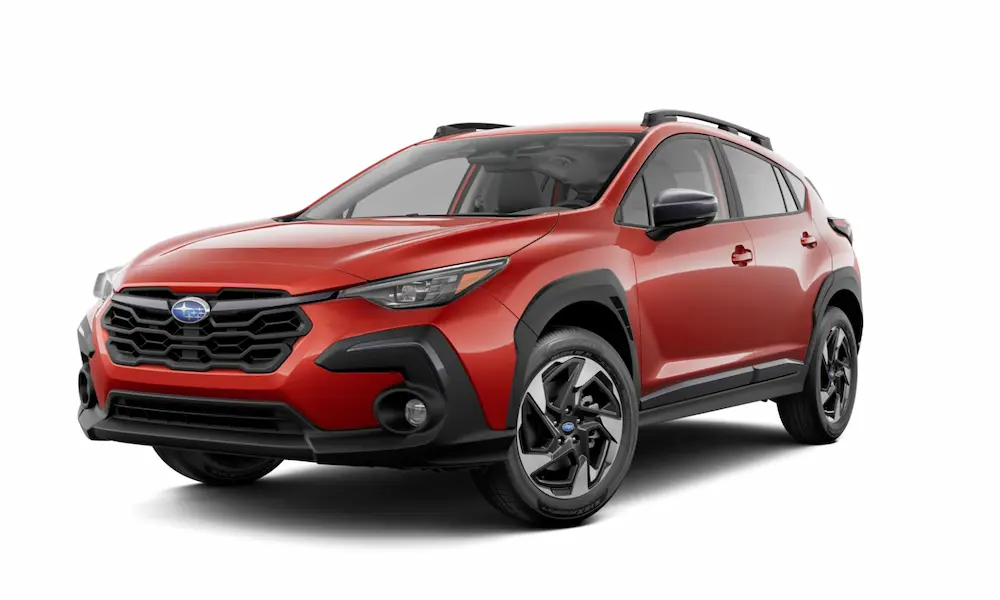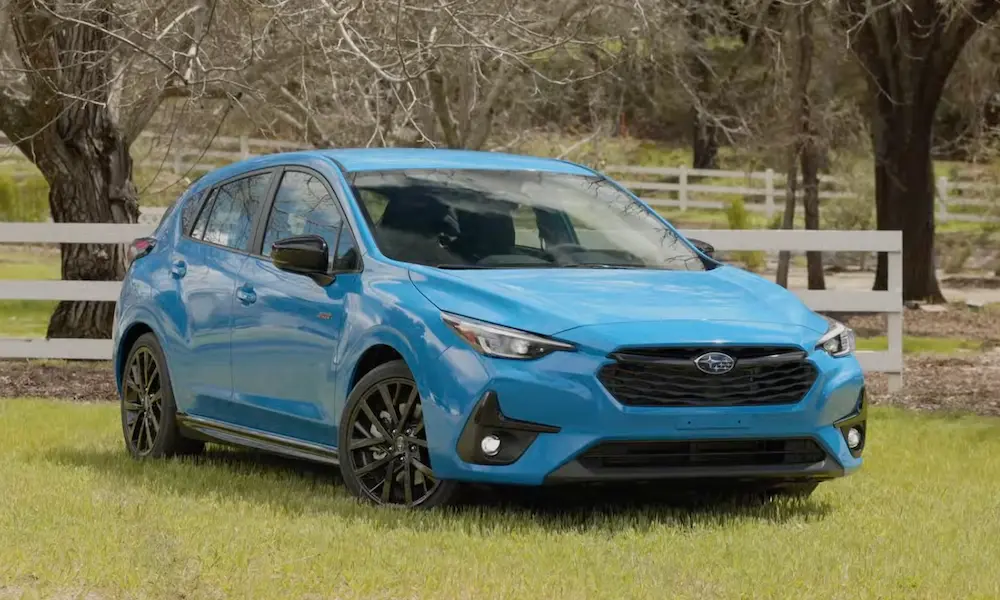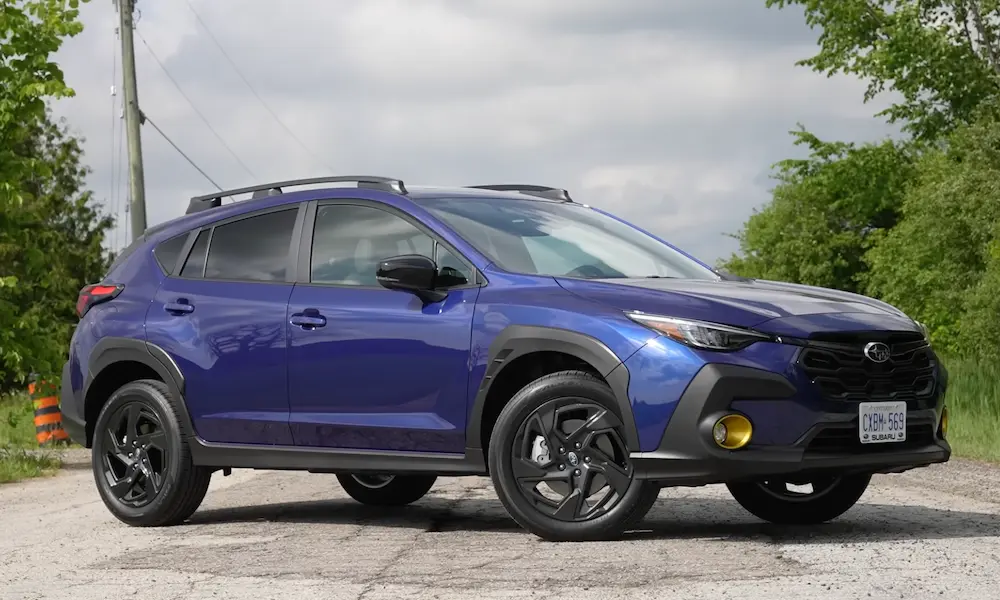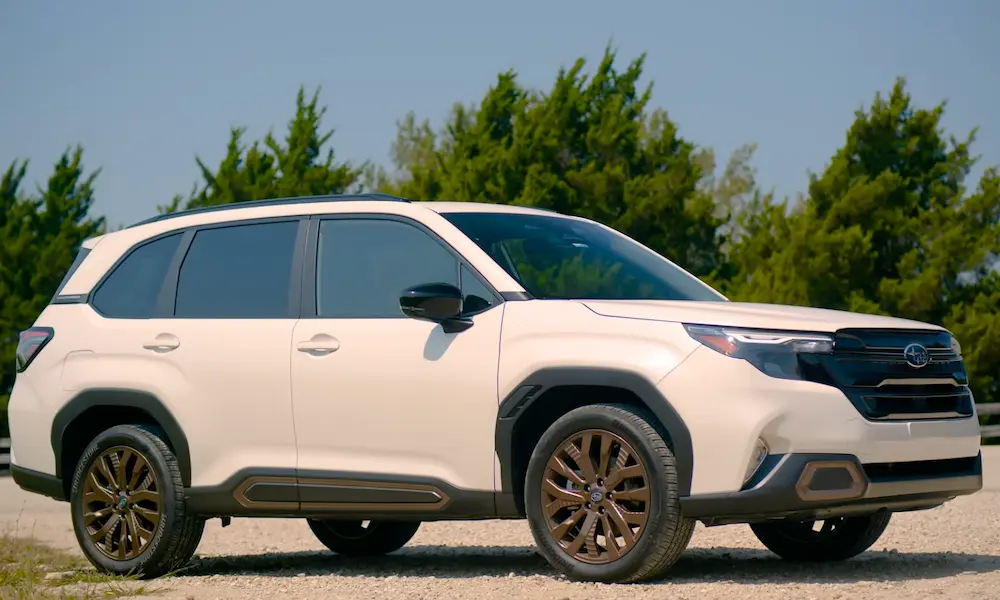
Shopping for a used Crosstrek but worried about getting stuck with a lemon? This guide breaks down every generation, flags the years to skip, and tells you exactly which model year gives you the most car for your money.
Why the Subaru Crosstrek Has Such a Loyal Following
The Crosstrek isn’t just popular because it looks good in hiking photos. According to RepairPal, it ranks 1st out of 26 compact SUVs for reliability, with an impressive 4.5 out of 5.0 rating. Owners average just 0.1 unscheduled shop visits per year — meaning most people only face an unexpected repair roughly once every decade.
That’s a strong track record. But not every model year earned those numbers equally.
| Metric | Subaru Crosstrek | Compact SUV Average |
|---|---|---|
| RepairPal Reliability Rating | 4.5 / 5.0 | 4.0 / 5.0 |
| Annual Repair Cost | $492 | $521 |
| Major Repair Probability | 7% | 11% |
| Unscheduled Shop Visits / Year | 0.1 | 0.3 |
Some years are genuinely great. Others will drain your wallet faster than a cracked windshield on a gravel road. Let’s go through each generation honestly.
First Generation (2013–2017): The Rocky Start That Smoothed Out
The first-gen Crosstrek launched with solid bones but some frustrating growing pains. Here’s how each year stacks up.
2013–2015: Skip These Years
These are the years most commonly flagged by mechanics and owners alike. The FB20 engine used low-tension piston rings to cut friction and boost fuel economy — but those rings struggled to scrape oil cleanly from the cylinder walls. The result? Oil burning at a rate Subaru defined as “normal” up to one-third of a quart every 1,200 miles.
That’s not a great definition of normal.
The CVT also showed early “hunting” behavior in these years, where the transmission struggled to find and hold the right ratio, especially on hills. If you find a 2013–2015 with pristine service records and a compression test, proceed carefully. Otherwise, keep scrolling.
2016–2017: First-Gen Sweet Spot
By 2016, Subaru had quietly updated the piston rings and refined the CVT calibration. The 2017 model in particular stands out as the peak of first-gen production, with the highest first-gen owner satisfaction scores.
Both years use a timing chain instead of a timing belt, so there’s no expensive belt service looming at 100k miles. The FB20 engine, while not perfect, is far more stable in 2016–2017 trim than its earlier versions.
Best first-gen pick: 2017
Second Generation (2018–2023): Big Improvements, One Rough Patch
The 2018 Crosstrek introduced the Subaru Global Platform, which improved safety ratings and structural rigidity significantly. It also brought direct injection (GDI) to the FB20 engine, boosting efficiency but introducing a new maintenance consideration: carbon buildup on intake valves.
With GDI, fuel no longer washes the back of the intake valves clean. Over time, oil vapors from the PCV system bake onto hot valve surfaces and form carbon deposits. The fix is periodic walnut blasting — a procedure you’ll want every 60,000 miles or so.
2018–2019: Proceed With Caution
These two years have the most documented issues of the second generation. Watch out for:
- Ignition coil and PCV valve recalls affecting multiple VINs
- Harman Kardon infotainment units prone to ghost touching, screen delamination, and full system freezes — a separate class action was filed over this
- Early assembly inconsistencies from the new platform rollout
They’re not hopeless, but you need a clean vehicle history report and confirmation that any open recalls were addressed.
2020–2021: The Best Years for a Used Subaru Crosstrek
If you want the single best answer to “what is the best year for Subaru Crosstrek,” the 2020 and 2021 models are your strongest options.
The 2020 Crosstrek had zero NHTSA recalls for the non-hybrid version — a rare achievement. Subaru had ironed out the Harman Kardon infotainment issues by switching to Denso hardware, and the platform was fully mature.
The 2021 model added the more powerful 2.5L FB25 engine to the Sport, Limited, and Wilderness trims. Industry analysts note the FB25 runs more torque at lower RPMs, reducing thermal stress during highway driving. That translates to a longer-lived engine over time.
Best used Crosstrek pick overall: 2021 with the FB25 engine
2022–2023: Refined and Reliable
These years represent the most polished version of the second generation. Nearly every early-gen issue had been resolved, and the 2023 model — as the final year before a full redesign — benefits from years of running improvements.
The one caveat that carries through all second-gen models: windshield fragility. Owners across 2019–2023 report cracks appearing from minor debris impacts. Subaru uses thinner glass for weight reduction, and the EyeSight camera system requires OEM glass for proper calibration — meaning replacements aren’t cheap.
A Subaru service bulletin published by NHTSA confirmed a windshield warranty extension to 8 years or 100,000 miles for affected vehicles. Check whether your target VIN qualifies at subaruwindshieldsettlement.com.
| Second-Gen Year | Reliability Verdict | Watch Out For |
|---|---|---|
| 2018–2019 | Caution | Recalls, Harman infotainment failures |
| 2020 | Excellent | Windshield fragility |
| 2021 | Excellent | Carbon buildup (GDI engine) |
| 2022–2023 | Very Good | Windshield fragility |
Third Generation (2024–Present): Great Bones, Still Breaking In
The 2024 redesign brought a bold new look and an 11.6-inch tablet-style touchscreen that dominates the dashboard. The mechanical foundations — the FB20/FB25 engine and updated CVT — are proven designs. But like any fresh redesign, the 2024 went through a burn-in phase.
Early 2024 owners reported minor assembly rattles, vibrating mirrors, and occasional software lag on startup. More importantly, Subaru moved several climate control functions into the touchscreen — meaning an electronic glitch could temporarily disable your HVAC.
The 2025 model has already addressed most of these teething issues. J.D. Power gave it a score of 83 out of 100 — categorized as “Great” — suggesting Subaru acted quickly on owner feedback.
If you want a new Crosstrek, the 2025 is the safer buy over the 2024.
The CVT: The One Thing That Can Break a Good Crosstrek
The Lineartronic CVT is a strong transmission — Subaru uses a metal chain rather than the rubber belts found in many competitor CVTs. But it has one major vulnerability: fluid neglect.
Many US owner’s manuals historically described CVT fluid as “lifetime,” requiring only inspection. Japanese and Canadian manuals told a different story, mandating changes every 30,000 to 60,000 miles, especially under “severe” conditions.
Severe conditions include:
- Mountain or hilly driving
- Frequent stop-and-go traffic
- Temperatures above 90°F or below freezing
- Towing or carrying heavy loads
That describes most North American drivers most of the time. When the CVT fluid breaks down by 100,000 miles, the chain and pulleys wear faster. The failure mode is often a solenoid in the valve body — not a full transmission meltdown — but dealerships quote $1,400 to $2,600 for a valve body replacement. An independent specialist can often fix a single failed solenoid for around $100 in parts.
The fix is simple: change CVT fluid every 30,000 to 60,000 miles, regardless of what the manual says.
AWD Reliability: Don’t Ignore Your Tires
The Crosstrek’s Symmetrical AWD system is one of its biggest selling points — and one of its most misunderstood maintenance needs. The AWD system monitors all four wheels simultaneously. If any tire has more than 2/32 of an inch difference in tread depth compared to the others, the system reads it as constant wheel slip and forces the center differential to work overtime.
The result is torque bind — overheating and premature differential failure. It’s preventable with tire rotation every 6,000 miles and replacing all four tires at once when tread wears down.
Don’t let a $180 tire decision cost you a $1,500 differential repair.
What Does a Crosstrek Actually Cost to Maintain?
The 10-year maintenance cost for a Crosstrek runs about $8,460 — roughly $294 more than the average SUV, but thousands less than European crossovers. Costs stay manageable in early years but climb steadily as the vehicle ages.
| Year of Ownership | Est. Maintenance Cost | Major Repair Probability |
|---|---|---|
| Year 1–2 | $339–$394 | 2–4% |
| Year 3–4 | $499–$639 | 5–8% |
| Year 5–6 | $773–$1,015 | 12–13% |
| Year 7–8 | $1,124–$1,178 | 14–19% |
| Year 9–10 | $1,226–$1,273 | 20–25% |
The biggest cost spikes come at the 30,000 and 60,000-mile service intervals. The 60k service includes spark plug replacement — which runs higher on a Boxer engine because the plugs sit sideways and often require loosening engine mounts to access properly. Budget $1,000–$1,200 for that visit.
High-Mileage Crosstreks: What to Expect Past 100k
Crosstreks regularly hit 200,000 miles with original major components — but past 100,000 miles, some wear items need attention.
| Component | Failure Signs | Estimated Repair Cost |
|---|---|---|
| Rear wheel bearings | Rhythmic humming while driving | $400–$600 per side |
| Front CV axles | Clicking noise on turns | $600–$1,100 per side |
| Suspension struts | Bouncy ride, visible oil leak | $800–$1,200 per pair |
| Cooling system hoses | Cracking or swelling | $300–$500 |
| Drive belt | Squealing on startup | $150–$250 |
The FB-series engine uses a timing chain, so there’s no timing belt to replace at 100k. The serpentine belt that drives the alternator and A/C compressor should be replaced around 100,000 miles to avoid getting stranded.
One unexpected maintenance quirk: Subaru uses soy-based wiring insulation on some models. Rodents find it appealing and have been known to chew through wiring harnesses, causing electrical gremlins that are difficult to diagnose. If you park outdoors in a wooded area, a wire loom protector is cheap insurance.
The Short Version: Best Year for Subaru Crosstrek by Goal
- Best used Crosstrek overall: 2021 (FB25 engine, zero recall drama, refined CVT)
- Best budget used pick: 2017 (peak first-gen, timing chain, updated rings)
- Best second-gen runner-up: 2020 (zero NHTSA recalls, Denso infotainment)
- Best new Crosstrek: 2025 (assembly issues resolved, 83/100 J.D. Power score)
- Years to avoid: 2013–2015 (oil consumption), 2018–2019 (recall cluster, infotainment failures)
The Crosstrek earns its reputation — but it rewards owners who treat it like the AWD, Boxer-engine vehicle it actually is. Change the fluids, rotate the tires religiously, and budget for that windshield replacement. Do those things, and you’ll likely still be driving it well past the odometer hitting six figures.