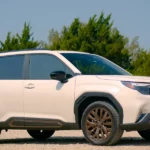
Shopping for a used Honda Pilot? The wrong model year can cost you thousands. This guide breaks down every generation so you can spot the best years for Honda Pilot reliability — and dodge the lemons hiding in plain sight.
Why Model Year Actually Matters for the Honda Pilot
Not all Honda Pilots are equal. Honda has produced four distinct generations since 2003, and each one tells a different reliability story. Some years came packed with transmission nightmares. Others rolled out near-perfect from the factory.
RepairPal gives the Honda Pilot a 3.5 out of 5.0 reliability score, placing it 13th out of 26 midsize SUVs. That’s “above average” — but the data hides a lot of variation between specific years.
Pilots average 0.51 unscheduled shop visits per year (slightly above the class average of 0.4). The good news? Only 13% of Pilots face a “severe” repair — meaning the platform rarely hits owners with catastrophic bills, as long as they buy the right year.
First Generation (2003–2008): Big Problems, Then a Big Comeback
The 2003–2005 Pilots: Avoid These
The 2003 Honda Pilot is one of the most problematic vehicles Honda ever built. Two major failures define this era:
Transmission meltdown: The 5-speed automatic had a design flaw in the second-gear clutch pack. Under towing or mountain driving loads, heat destroyed the friction material before most Pilots hit 100,000 miles. Honda issued a recall and added an external oil jet — but many units were already toast.
The “Strawberry Milkshake” defect (2005): This one’s as bad as it sounds. The internal barrier between the radiator’s engine coolant and transmission fluid would corrode and fail. The two fluids mixed into a thick, frothy sludge that wiped out the transmission’s valve body and friction linings. Fixing it meant replacing the radiator, transmission, and all cooling lines — often $3,000–$5,000+. This cross-contamination failure remains one of the most costly issues in Pilot history.
The 2005 model also racked up 15 airbag recalls. Skip it.
The 2006–2008 Pilots: Hidden Gems
Honda quietly fixed most of the early problems by 2006. Shift logic improved. Cooling systems got reinforced. The 2008 model earned a J.D. Power reliability score of 85/100 — the best of its generation.
| Model Year | J.D. Power Score | Key Issues |
|---|---|---|
| 2003 | Low (unrated) | Transmission failure, ignition switch, torque converter noise |
| 2005 | Low (unrated) | Radiator/ATF cross-contamination, 15 airbag recalls |
| 2008 | 85/100 | Minor oil consumption on FWD, some paint peeling |
Best years from Gen 1: 2007 and 2008
Second Generation (2009–2015): VCM Is the Villain Here
Honda redesigned the Pilot for 2009 with a more utilitarian look and a wider rollout of Variable Cylinder Management (VCM) technology. The transmission woes faded. But a new headache arrived.
What VCM Does (and Why It Goes Wrong)
VCM shuts off two or three cylinders during highway cruising to save fuel. In theory, smart engineering. In practice, it created thermal imbalances inside the engine. Deactivated cylinders ran cold, causing piston rings to lose tension or clog with carbon buildup.
The result: oil slipped past the rings, fouled spark plugs, caused misfires, and burned up to a quart of oil every 1,000 miles. The problem was severe enough to trigger a class-action lawsuit and a Honda warranty extension covering 2009–2013 models.
Many owners now install a VCM Muzzler or VCMTuner device to keep all six cylinders firing at all times. It’s a cheap fix ($50–$80) that prevents a potentially very expensive engine rebuild.
Which Second-Gen Years Hold Up Best?
The 2012, 2014, and 2015 model years stand out as the most dependable in this generation. By 2014, Honda had updated piston ring materials and pushed out software patches that cut VCM failures significantly. The 2015 Pilot is the most refined version of Gen 2 — high reliability, strong value retention, and no major design changes ahead of the 2016 overhaul.
| Model Year | Reliability Profile | Key Issues |
|---|---|---|
| 2009–2011 | Below Average | Stuck piston rings, oil burning, spark plug fouling |
| 2012–2013 | Average | Some VCM improvements, transitional period |
| 2015 | Above Average | Most refined Gen 2, excellent long-term value |
Best years from Gen 2: 2014 and 2015
Third Generation (2016–2022): Tech Complexity Creates New Problems
The 2016 redesign brought a sleeker look, direct injection, and a new ZF-sourced 9-speed automatic on higher trims. Early results were rough.
The 2016 Pilot: The Most Complained-About Year in Pilot History
The 2016 model holds the record for the highest volume of owner complaints of any Pilot ever built. Three problem areas dominated:
ZF 9-speed transmission: Touring, Elite, and Black Edition trims used this ZF-sourced unit. Owners reported harsh shifts, a “hunting” sensation where the gearbox couldn’t pick the right gear, and an intrusive auto start-stop system. Lower trims with the 6-speed automatic fared much better.
GDI carbon buildup: The 2016 was the first Pilot to use gasoline direct injection exclusively. Unlike port injection (where fuel washes valves clean), GDI engines build up carbon deposits on intake valves. Left unchecked, this restricts airflow and kills power over time. Periodic “walnut blasting” (a specialized cleaning procedure) keeps it in check.
Electrical gremlins: Infotainment blackouts, false collision avoidance braking, and sensor failures showed up frequently in 2016–2018 models.
| Transmission | Trims | Common Issues |
|---|---|---|
| 6-Speed Automatic | LX, EX, EX-L | Generally reliable, slightly coarse gear spacing |
| 9-Speed ZF | Touring, Elite, Black Edition | Harsh shifts, gear hunting, start-stop problems |
Gen 3’s Redemption Arc: 2021 and 2022
Honda progressively addressed the third-gen’s issues through software updates and hardware revisions. By 2021 and 2022, reliability scores climbed back to solid levels. These two years represent the best-refined versions of the third generation — with the electrical bugs mostly squashed and the transmission calibration improved.
Best years from Gen 3: 2021 and 2022
Fourth Generation (2023–Present): A Fresh Start
The 2023 redesign was Honda’s deliberate course correction after years of criticism. Two big engineering changes defined this generation.
New Engine, New Transmission
The 2023–2025 Pilot swaps to a Dual Overhead Cam (DOHC) 3.5-liter V6 — a departure from the older SOHC setup. The new design eliminates the complex VTEC rocker-arm assembly in favor of a cleaner hydraulic cam-phasing system. Less complexity, better thermal management.
Honda also ditched both the old 6-speed and the troublesome ZF 9-speed. Every 2023+ trim now gets an in-house 10-speed automatic. Early J.D. Power data shows strong initial quality, with owners specifically praising smooth gear transitions and the absence of the “hunting” behavior that plagued Gen 3.
Early Recalls Worth Knowing About
The fourth gen isn’t perfect yet. Several recalls have popped up for assembly-line issues:
| Recall ID | Issue | Fix |
|---|---|---|
| 25V391000 | Brake pedal shifts out of position | Brake pedal assembly inspection/replacement |
| 25V031000 | Engine stall from FI-ECU software error | Fuel injection software reprogramming |
| 24V900000 | Fuel filler neck separation — fire hazard | Filler tube inspection and repair |
| 25V056000 | 3rd-row seat belt misrouting | Dealer rerouting of seat belt assembly |
There’s also TSB 23-NA-029, which covers water leaks from the front windshield and rear hatch caused by improper factory sealant application. If you buy a 2023, ask your dealer to check for this.
These are early-production growing pains — not indicators of fundamental design failure. The underlying platform looks strong.
What Does a Honda Pilot Actually Cost to Own?
RepairPal puts average annual maintenance costs for the Honda Pilot at $542 — below the $573 midsize SUV average and well under the $652 all-vehicle average.
| Vehicle | Avg. Annual Cost | 10-Year Estimated Total |
|---|---|---|
| Honda Pilot | $542 | $11,000 |
| Toyota Highlander | $489 | $7,890 |
| Mazda CX-90 | $431 | $7,524 |
| Honda CR-V | $407 | N/A |
| Midsize SUV Average | $573 | N/A |
The Pilot costs a bit more to maintain than the Highlander or CX-90 long-term. But it trades that gap with more cargo space, stronger AWD capability, and decades of proven reliability data backing up its platform.
iSeeCars data shows the Honda Pilot has a 30% chance of reaching 200,000 miles — well above average for the class. And 62.6% of Pilots are still on the road past 200,000 miles compared to just 45.3% for similar full-size SUVs.
Four Maintenance Habits That Protect Every Pilot
No matter which year you buy, these habits separate Pilots that hit 250,000 miles from ones that don’t:
- Replace the timing belt on schedule. All pre-2023 Pilots use a timing belt (not a chain). Miss the 100,000-mile or 7-year interval and you risk catastrophic engine destruction. This is the single biggest maintenance mistake on older Pilots.
- Change transmission fluid at 30,000–40,000 miles. Honda’s Maintenance Minder recommends longer intervals, but experienced techs suggest more aggressive ATF changes — especially on AWD models under regular load.
- Disable VCM on 2009–2022 models. Install a VCM Muzzler or VCMTuner on any Pilot from this era. It’s a small upfront cost that prevents piston ring wear and engine mount failure.
- Proactively replace the radiator on first-gen models. On 2003–2008 Pilots, replacing the radiator around the 10-year or 150,000-mile mark stops the Strawberry Milkshake failure before it wipes out your transmission.
Best Years for Honda Pilot: Quick Reference Guide
Here’s the honest summary for used car shoppers:
Buy these years:
- 2008 — Best of Gen 1, JD Power score of 85, early problems fixed
- 2014–2015 — Refined Gen 2, VCM updates in place, excellent long-term value
- 2021–2022 — Best of Gen 3, electrical issues resolved, proven platform
- 2024–2025 — Gen 4 with recall fixes applied, strong early quality data
Avoid these years:
- 2003–2005 — Transmission failures, Strawberry Milkshake defect, excessive recalls
- 2009–2011 — High VCM-related oil burning, piston ring failures
- 2016–2018 — Most complained-about years in Pilot history, ZF 9-speed problems
The Honda Pilot isn’t a “set it and forget it” SUV — no vehicle is. But buy the right year, stay on top of fluids and timing belt service, and this platform will comfortably push 200,000 miles and beyond.