Shopping for a used Toyota Corolla sounds simple — until you realize some years are goldmines and others are money pits. This guide breaks down the best years for Toyota Corolla by generation, flags the ones to avoid, and helps you find the sweet spot between reliability, safety, and value. Read to the end, because the answer depends entirely on what you need.
Why the Toyota Corolla’s Year Matters More Than You Think
Not all Corollas are created equal. The same nameplate that earned a reputation for selling over 50 million units worldwide also had years marked by oil-burning engines, failing transmissions, and airbag recalls. Knowing which years shine — and which to skip — saves you from expensive surprises.
Here’s a quick look at how each generation stacks up before we dig into specifics:
| Generation | Years | Overall Reliability | Best Pick |
|---|---|---|---|
| 8th Gen | 1998–2002 | Moderate | Avoid early years |
| 9th Gen | 2003–2008 | High (post-2003) | 2004–2008 |
| 10th Gen | 2009–2013 | Mixed to High | 2011–2013 |
| 11th Gen | 2014–2019 | Very High | 2016–2019 |
| 12th Gen | 2020–Present | High | 2021–2022 |
The 9th Generation Sweet Spot: 2004–2008
If you want a dead-simple, dirt-cheap, go-forever Corolla, this is your era. The 9th generation nailed the formula for affordable, long-haul reliability.
Why 2004 Is the Crown Jewel
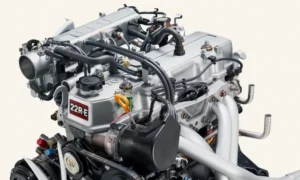
The 2004 model earns what CarComplaints calls the “Seal of Awesome.” Owners regularly hit 250,000 miles with nothing more than routine fluid changes, brake pads, and spark plugs. That’s not luck — that’s a refined 1.8-liter 1ZZ-FE engine that Toyota finally got right after fixing the nasty oil sludge issues that plagued earlier 1998–2002 versions.
By 2004, Toyota sorted its oil circulation problems. The result was a lightweight aluminum engine that ran clean and rarely complained.
The Trade-Off: Safety Is Basic
These older Corollas aren’t perfect. Side-curtain airbags and stability control were often optional or missing entirely on lower trims. IIHS side-impact testing gave models without optional side airbags a “Poor” rating. If you’re buying one for a teen driver, budget for the premium trim with the optional airbag package — or consider a newer year.
Fuel economy holds up well though: 30+ MPG combined puts these older models on par with many modern non-hybrid compacts.
Typical repair costs for a 2007 LE (parts & labor):
| Repair | Estimated Cost |
|---|---|
| Clutch Replacement | $1,839 – $2,325 |
| Ignition Switch | $387 – $482 |
| PCV Valve | $200 – $291 |
| Average Annual Repair | $222 – $272 |
Years to Skip in the 9th Gen: The 2003 Problem
The first year of the 9th generation was rough. Early 2003 models had significant transmission failure rates and lingering oil sludge problems carried over from the 8th generation. The 2003 fix came mid-cycle, so the safest move is starting at 2004.
The 10th Generation: Mixed Bag (2009–2013)
The 10th generation brought a bigger car, better safety gear, and — unfortunately — a troubled engine that still haunts used-car shoppers today.
Avoid the 2009–2010 Models
The 2009 Corolla is statistically the most problematic in recent history. Here’s why:
- The optional 2.4-liter 2AZ-FE engine had defective piston rings that burned oil at a terrifying rate — sometimes a quart every 1,000 miles
- Engine damage often happened before owners even noticed
- The 2010 model added a fire risk from a faulty master power window switch that could melt and potentially ignite
- Both years saw complaints about “steering drift” at highway speeds
These aren’t minor annoyances. They’re wallet-destroying, safety-compromising failures. Walk away.
The 2011–2013 Rebound
Toyota fixed its mistakes fast. By 2011, the 1.8-liter 2ZR-FE engine replaced the problematic 2.4-liter, and electronic steering was recalibrated to fix the highway wander. Consumer Reports gave 2011 and 2013 models a perfect 5/5 reliability rating.
The 2013 is particularly special. It’s the last year of the 10th generation — meaning Toyota had squeezed out every bug and refined every system. In Toyota terms, “no significant changes” in a final model year means the platform reached maturity. That’s exactly what you want.
Toyota also made Vehicle Stability Control (VSC) and Traction Control (TRAC) standard across all trims from 2010 onward, which meaningfully improved safety scores for late 10th-gen models.
The 11th Generation: The Reliability Pinnacle (2014–2019)
This is where the Corolla became genuinely hard to beat. The 11th generation is widely regarded as the most consistently reliable era across the entire lineup. Even its weakest years outperform most competitors.
Avoid the 2014 Model Year
The 2014 Corolla introduced the Continuously Variable Transmission (CVT), bumping fuel economy to 32 MPG combined. But that first CVT implementation felt rough — drivers complained about a “rubber band effect” during acceleration. The transmission didn’t fail catastrophically, but the driving experience frustrated a lot of owners.
Skip 2014. Let Toyota iron out the software.
2016–2019: The Best of the Best
By 2016, Toyota refined the CVT software and complaints dropped sharply. Then in 2017, something big happened: Toyota Safety Sense (TSS-P) became standard on every Corolla. That bundle included:
- Pre-Collision System with Pedestrian Detection
- Lane Departure Alert with Steering Assist
- Automatic High Beams
- Dynamic Radar Cruise Control
This was a game-changer. Toyota forced competitors to add advanced safety features as standard equipment rather than pricey add-ons. For used-car buyers, a 2017–2019 Corolla gives you modern active safety tech at an older-car price.
The 2019 Corolla topped J.D. Power’s compact car reliability rankings with a Quality & Reliability score of 92 out of 100. That’s the number to remember.
The 12th Generation: Modern Tech, Smarter Buy (2020–Present)
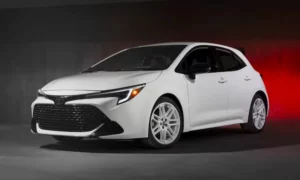
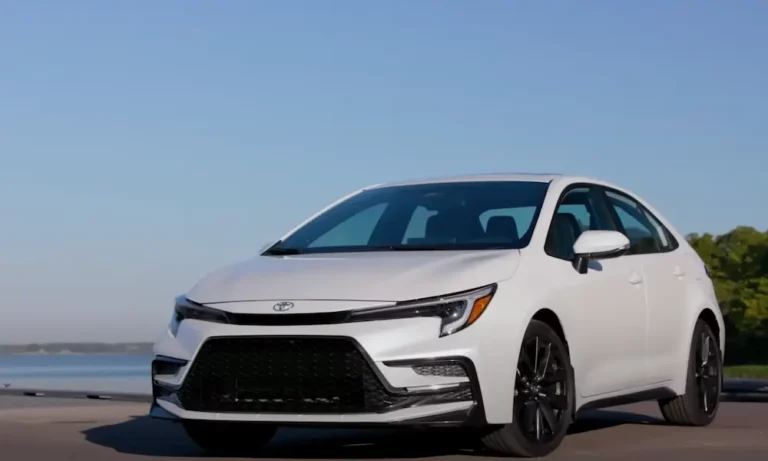
The 2020 redesign brought Toyota’s TNGA modular platform — lower center of gravity, stiffer chassis, and for the first time, a proper Corolla Hybrid for the North American market.
Skip the 2020, Buy the 2021
The 2020 model earned a 4/5 reliability score from Consumer Reports — solid, but not perfect. Early complaints flagged a cramped rear seat and a smaller trunk opening. The 2021 jumped back to a perfect 5/5 with improvements across engine, electrical, and body integrity categories.
The 2021 also marked the first year with both Apple CarPlay and Android Auto as standard. If connectivity matters to you, 2021 is your floor.
The Hybrid Makes a Compelling Case
The Corolla Hybrid uses the proven 1.8-liter Atkinson-cycle engine from the Gen-4 Prius — a powertrain with millions of miles logged in commercial taxi fleets. Results:
| Drivetrain | MPG (Combined) | Range | Tank |
|---|---|---|---|
| Hybrid LE (FWD) | 50 MPG | 565 miles | 11.3 gal |
| Gasoline LE | 35 MPG | 462 miles | 13.2 gal |
| Hybrid SE (AWD) | 44–47 MPG | ~500 miles | 11.3 gal |
The hybrid battery lasts an estimated 10 to 15 years or 150,000 miles, and Toyota backs it with a 10-year/150,000-mile warranty. If you drive a lot, the fuel savings alone can offset a higher purchase price quickly.
The Takata Airbag Recall: A Non-Negotiable Check
Before buying any Corolla from 2003 to 2013, verify the Takata airbag recall was completed. This was the largest automotive recall in history, involving inflators that could rupture during deployment and spray metal fragments at occupants.
Toyota prioritized repairs based on regional heat and humidity exposure. Check the VIN before you buy — this isn’t optional. The NHTSA Takata recall page lets you search by VIN in seconds.
The Connectivity Divide: What Year Gets You CarPlay?
Toyota was late to the smartphone integration party. Here’s the honest breakdown:
| Model Year | Apple CarPlay | Android Auto |
|---|---|---|
| 2018 | ❌ (Entune only) | ❌ |
| 2019 | ✅ (Hatchback only) | ❌ |
| 2020 | ✅ (Sedan & Hatch) | ❌ |
| 2021 | ✅ | ✅ |
| 2022+ | ✅ Wireless | ✅ Wireless |
If CarPlay and Android Auto both matter, the 2021 model is your minimum starting point.
What It Actually Costs to Own a Corolla
The average annual repair cost for a Toyota Corolla is $362 — compared to $526 for a typical compact car. That gap adds up fast over five years of ownership.
Here’s what common high-mileage repairs look like:
| Repair | Estimated Cost | Typical Mileage |
|---|---|---|
| MAF Sensor Cleaning/Replacement | $150 – $300 | 100,000+ |
| Starter Motor Replacement | $300 – $500 | 120,000+ |
| Radiator Fan Motor | $692 – $816 | 150,000+ |
| Timing Chain Tensioner | $305 – $383 | 150,000+ |
Resale value holds strong too. A 2013 LE still fetches around $7,675 on the used market. A 2007 LE still pulls $4,850. That’s remarkable depreciation resistance for vehicles this age.
The Best Years for Toyota Corolla: Your Quick Decision Guide
Here’s the straight answer based on your priorities:
Best budget buy: 2004–2008 — mechanical simplicity, cheap to fix, just don’t expect modern safety tech
Best value sweet spot: 2013 — mature 10th-gen platform, stability control standard, no CVT complaints yet
Best overall used car: 2019 — TSS-P active safety standard, refined CVT, top J.D. Power reliability scores, Apple CarPlay on the hatch
Best modern choice: 2021–2022 Hybrid — full smartphone compatibility, AWD option, 50 MPG, proven hybrid system
Years to avoid no matter what: 2003, 2009, 2010, 2014
The Corolla’s track record speaks for itself. Pick the right year, check the Takata recall status, and you’re buying one of the most dependable cars ever built. The data doesn’t lie — the best years for Toyota Corolla are well-documented, and most of them are sitting right now on used-car lots at prices that still make practical sense.