Wondering how many miles the Chevy 6.6 gas engine can realistically handle? The L8T has a reputation, but the real numbers might surprise you. Stick around — this breakdown covers everything from the engineering behind its durability to the maintenance habits that separate a 150,000-mile truck from a 300,000-mile one.
What Is the Chevy 6.6 Gas Engine (L8T)?
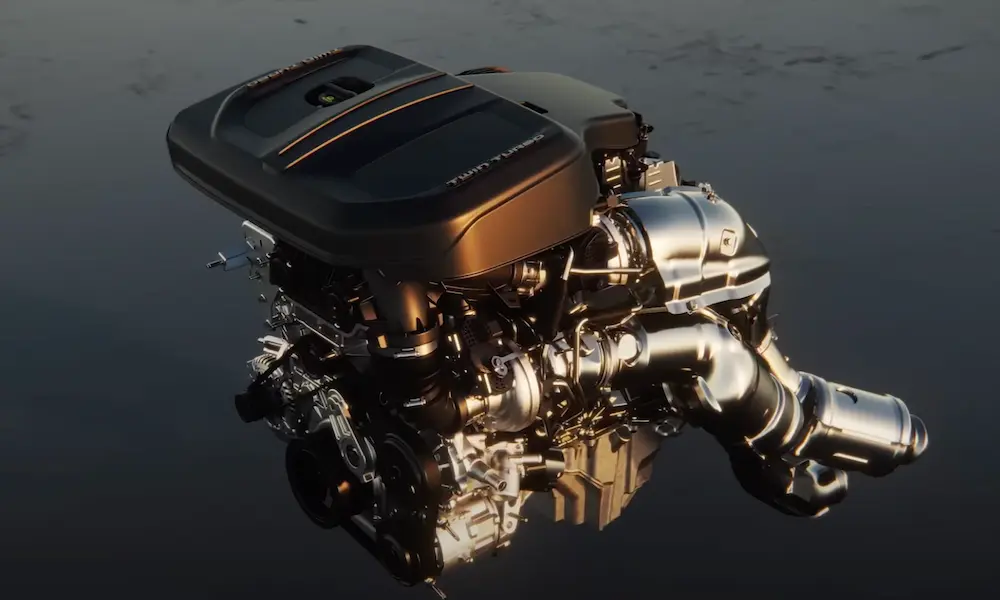
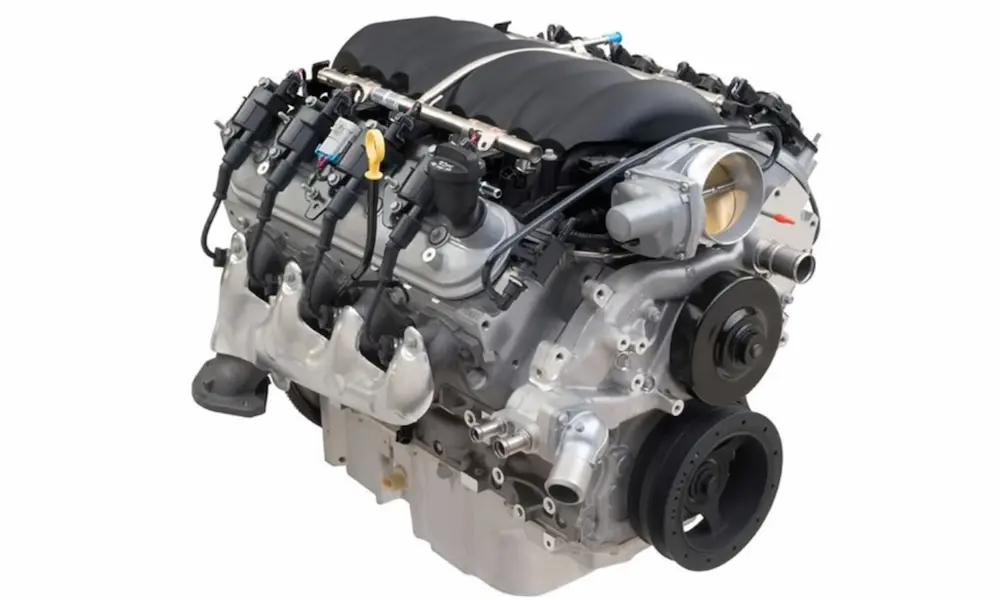
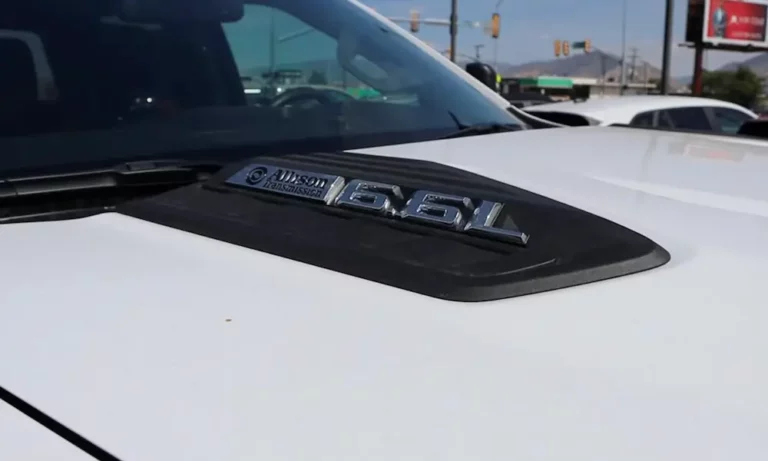
GM introduced the 6.6L L8T V8 in 2020 to replace the older 6.0L Vortec in the Silverado 2500HD and 3500HD. It’s not a bored-out version of the light-duty 5.3L or 6.2L. It’s a completely different animal built specifically for heavy hauling, fleet use, and commercial work.
The biggest clue? GM used a cast-iron block instead of aluminum. That’s a statement. It means they prioritized durability over weight savings — exactly what you want in an engine that spends its life pulling 10,000-lb trailers up mountain grades.
Chevy 6.6 Gas Engine Life Expectancy: The Short Answer
The Chevy 6.6 gas engine life expectancy sits between 200,000 and 300,000 miles under normal conditions. With proper maintenance and no abuse, hitting 300,000 miles is a realistic goal — not a fantasy.
This estimate comes from a mix of GM’s own durability testing and real-world reports from fleet operators and everyday owners. According to Reddit owners who track their odometers, several 2500HD trucks have already crossed the 250,000-mile mark with only routine maintenance.
For context, the 6.0L Vortec it replaced regularly hit 300,000+ miles in fleet service. The L8T uses better materials and eliminates the lifter problems that caused headaches in some later 6.0L units — so the outlook is genuinely good.
Why the L8T Is Built to Last
Cast-Iron Block and Six-Bolt Main Caps
The cast-iron block and deep-skirt design give the L8T structural rigidity that aluminum simply can’t match at this duty level. The sides of the block extend well below the crankshaft centerline, which keeps everything tight and stable under heavy load.
The main bearing caps use a six-bolt, cross-bolted configuration — four vertical bolts plus two horizontal ones that tie into the block’s side walls. This stops the crankshaft from flexing or the caps from “walking” under high-torque pulls. Less movement means less wear over hundreds of thousands of miles.
Forged Internals Built for Punishment
Here’s a quick look at what’s inside:
| Component | Material | Why It Matters |
|---|---|---|
| Crankshaft | Hardened forged steel | Handles high-torque stress without fatigue |
| Connecting rods | Forged powder metal | Strong and balanced for long-stroke use |
| Pistons | Hypereutectic aluminum | Resists heat distortion under sustained load |
| Exhaust valves | Inconel alloy | Maintains seal even at extreme temperatures |
| Camshaft | Billet steel | Paired with a heavy-duty timing chain |
The forged steel crankshaft includes extra center counterweights that GM added after early durability testing revealed harmonic vibration issues. Those counterweights prevent fatigue cracks in the crank over time — a detail that matters a lot at 200,000 miles.
No AFM Means No Lifter Drama
This is one of the L8T’s biggest advantages for long-term reliability. The engine skips the Active Fuel Management (AFM) and Dynamic Fuel Management (DFM) cylinder deactivation systems entirely.
Those systems use special hydraulic lifters that collapse to deactivate cylinders. They’re a documented failure point in the 5.3L and older 6.0L engines. Collapsed lifters lead to bent pushrods, damaged camshafts, and expensive rebuilds.
The L8T uses standard hydraulic roller lifters — proven, simple, and much less likely to fail. Fleet managers love this engine partly because of what it doesn’t have.
Piston Cooling Jets Keep Temps in Check
Under sustained towing, pistons get brutally hot. The L8T uses oil squirters that spray cooled engine oil onto the underside of each piston crown. This does two things:
- Prevents the hypereutectic aluminum pistons from softening under extreme heat
- Lowers combustion chamber temps enough to run a 10.8:1 compression ratio on regular 87-octane fuel
This is standard equipment on a production truck engine — that’s impressive.
The One Thing That Needs Your Attention: Carbon Buildup
The L8T uses Direct Injection (DI), spraying fuel directly into the combustion chamber at up to 2,900 psi. That’s great for power and efficiency, but it creates a maintenance challenge.
In port-injected engines, fuel washes over the intake valves constantly, keeping them clean. With DI, fuel never touches the valves. Oil vapors from the PCV system bake onto the hot valve surfaces over time, forming carbon deposits.
According to NHTSA service bulletins, GM acknowledges this and has incorporated a specialized baffle in the rocker covers to reduce oil pulled into the PCV system. But it’s not a complete fix.
Signs of significant carbon buildup include:
- Rough idle after the engine warms up
- Intermittent misfires (codes P0300–P0308), especially cold starts
- Gradual power loss and reduced fuel economy
Carbon buildup typically doesn’t become a real problem until after 50,000 miles. A periodic induction cleaning using GM’s Upper Engine and Fuel Injector Cleaner keeps things in check.
Chevy 6.6 vs. Ford 7.3L vs. Ram 6.4L: Who Goes the Distance?
All three engines target 300,000 miles, but they take very different paths to get there:
| Engine | Fuel Delivery | Cylinder Deactivation | Main Weakness |
|---|---|---|---|
| Chevy 6.6L L8T | Direct Injection | None | Carbon buildup on intake valves |
| Ford 7.3L Godzilla | Port Injection | None | Early reports of cylinder scoring and lifter failure under 150k |
| Ram 6.4L Hemi | Port Injection | MDS (active) | Lifter and camshaft failure from cylinder deactivation |
The Ford 7.3L avoids carbon buildup thanks to port injection, but some early units have shown premature internal wear. The Ram’s MDS system carries the same deactivation risks the Chevy L8T deliberately avoids. The L8T sits in the middle — the most demanding in terms of fuel system maintenance, but arguably the toughest core mechanically.
Oil Consumption: Normal or a Red Flag?
Many L8T owners report using 1 to 2 quarts of oil between 7,500-mile service intervals, especially during heavy towing. GM considers this within normal parameters, though it surprises owners used to older engines that never touched a drop.
The cause comes down to low-tension piston rings designed to reduce internal friction, plus high operating temperatures that increase oil vaporization under load. That vapor gets pulled through the PCV system and burned.
The fix isn’t complicated: check your oil regularly. Running the L8T low on oil is one of the few ways to cause serious bearing or crankshaft damage. Don’t skip the dipstick.
Maintenance Schedule That Protects Your Miles
Your maintenance habits matter as much as the engine’s engineering. Most 2500HD and 3500HD trucks fall under “Severe Service” — that means you should tighten up your intervals compared to the standard schedule.
| Maintenance Task | Standard Interval | Severe Service Interval |
|---|---|---|
| Engine oil & filter (Dexos2 5W-30) | 7,500 miles / yearly | 5,000 miles |
| Air filter replacement | 30,000 miles | 15,000 miles |
| Transmission fluid change | 60,000 miles | 45,000 miles |
| Spark plug replacement | 90,000–97,500 miles | 90,000 miles |
| Coolant system flush | 150,000 miles | 150,000 miles |
| Transfer case fluid (4WD) | 97,500 miles | 75,000 miles |
For trucks that idle a lot — service vehicles, utility trucks — fleet managers recommend tracking engine hours in addition to miles. 200 hours of idling is roughly equivalent to 3,000 miles of normal driving in terms of wear.
The Transmission Factor: 6-Speed vs. 10-Speed
The Chevy 6.6 gas engine life expectancy doesn’t exist in isolation. The transmission you’re paired with plays a real role.
- 2020–2023 trucks (6L90 six-speed): A proven unit, but the wide gear ratios force the engine to work harder during towing. High-mileage owners report the 6L90 may need a rebuild around 140,000–160,000 miles — often before the engine needs anything significant.
- 2024+ trucks (10L1000 ten-speed): The extra gears let the engine stay in its power band at roughly 1,000 fewer RPM during highway towing compared to the six-speed. Fewer cumulative revolutions over time means less wear on the rings, valvetrain, and bearings.
If you’re in a 2020–2023 truck, stay on top of your transmission fluid changes religiously. That transmission is often the limiting factor, not the engine.
Known Weak Spots to Watch
The L8T’s block, crank, and heads are rock solid. But a few peripheral items deserve attention:
Sensors and emissions components: NOx sensors and oxygen sensors occasionally fail early, especially on trucks that idle a lot. A failed sensor can trigger limp mode or cause poor fuel mixture that damages spark plugs and catalytic converters. Don’t ignore a Check Engine light.
Exhaust manifold leaks: Large V8s can develop leaks at the manifold-to-head interface over time. You’ll hear a ticking or hissing sound when the engine is cold. Left unaddressed, it can lead to burnt valves from incorrect backpressure.
Timing chain wear: Rare before 200,000 miles, but possible afterward. Watch for rattling from the front of the engine at startup. Consistent oil changes at the right interval keep the hydraulic tensioner fed with proper pressure — and that’s what protects the chain.
Fuel Quality: Don’t Skip This Part
GM specifically recommends Top Tier Detergent Gasoline for the L8T. These fuels carry detergent concentrations above the minimum EPA requirements, keeping the high-pressure injectors clean and maintaining a proper spray pattern.
A degraded injector spray pattern causes “wall wetting” — liquid fuel hitting the cylinder walls and washing away the protective oil film. That accelerates piston ring and bore wear faster than almost anything else.
GM also recommends adding GM Fuel System Treatment PLUS to a tank of fuel at every oil change. It removes combustion chamber deposits that regular fuel misses. For a direct-injected engine chasing 300,000 miles, this is cheap insurance.
Real-World Mileage Reports From Actual Owners
The lab data is one thing. Here’s what owners are actually seeing:
- Fleet managers running L8T-powered Silverado 2500HD trucks in commercial service have reported odometers past 250,000 miles with only routine maintenance and minor external repairs like water pumps and radiators.
- Owners who regularly tow 10,000+ lb trailers commonly hit 150,000–175,000 miles without measurable power or compression loss.
- One 2020 Silverado 2500HD work truck reached 250,000 miles before fleet retirement. Every issue along the way was external to the engine block — AC compressors, cooling system components, standard wear items.
The pattern is consistent: the core of the engine outlasts everything around it. The L8T will likely outlive its sensors, emissions system, and possibly the chassis before the block itself gives out.
The Bottom Line on Chevy 6.6 Gas Engine Life Expectancy
The Chevy 6.6 gas engine life expectancy is genuinely 200,000 to 300,000 miles — and 300,000 is achievable, not just marketing copy. The cast-iron block, forged internals, Inconel exhaust valves, and the deliberate decision to skip cylinder deactivation all point to an engine built for the long haul.
Your job is straightforward:
- Check your oil between changes — this engine can consume oil under load
- Use Top Tier fuel and GM’s fuel system additive at oil changes
- Stay current on induction cleaning after 50,000 miles to control carbon buildup
- Tighten your maintenance intervals if you tow regularly or idle often
- Don’t skip transmission service if you’re in a 2020–2023 with the six-speed
Do those things consistently, and the L8T’s “core” — the block, crank, rods, and heads — will very likely outlast every other component on the truck.