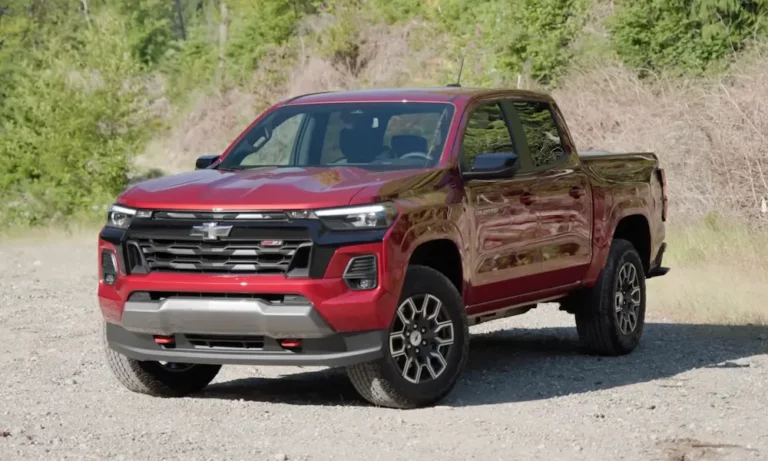
Are you experiencing that unsettling vibration in your Chevy Colorado that feels like driving over rumble strips? That frustrating shudder when accelerating might be your torque converter failing. This common issue affects thousands of Colorado owners, particularly those with 2017-2019 models equipped with 8-speed transmissions. We’ll walk you through everything from identifying symptoms to understanding replacement costs and potential solutions.
What’s Causing the Chevy Colorado Torque Converter Problem?
The torque converter issues in Chevy Colorado trucks primarily stem from design flaws in GM’s 8-speed automatic transmissions (8L45 and 8L90). While initially blamed on contaminated transmission fluid, the problem runs deeper than GM first admitted.
The heart of the issue involves the torque converter clutch (TCC) failing to properly engage and disengage. This creates the notorious shuddering sensation that’s plagued so many owners. In 2019, GM issued Technical Service Bulletin 18-NA-355, addressing these “torque converter clutch shudder conditions” – but many owners found this was just a temporary fix.
Affected models include:
- 2017-2019 Colorado (highest risk)
- Some 2015-2016 models
- Even some 2020+ models continue to report issues
The problem is so widespread that multiple class action lawsuits have targeted GM over these transmission problems, covering approximately 800,000 vehicles.
How to Identify a Failing Torque Converter
The Classic Shudder Symptom
The most telltale sign is a vibration or shuddering feeling that typically occurs:
- At speeds between 25-80 mph
- During light throttle acceleration
- When the torque converter clutch engages
Many owners describe it as similar to driving over rumble strips on the highway, even when on smooth pavement. This sensation is so distinctive that it’s become instantly recognizable to Colorado owners and mechanics alike.
Other Warning Signs to Watch For
Beyond the shudder, watch for these symptoms that suggest your torque converter is failing:
- Slipping Between Gears: Your transmission struggles to stay engaged, particularly when accelerating or shifting from reverse to drive.
- Hard Shifting: Especially noticeable during cold starts. The transition between first and second gear feels clunky or harsh. Some drivers report downshifts so violent they feel like being rear-ended.
- Transmission Overheating: Your dashboard may display transmission temperature warnings as the failing converter generates excessive heat.
- Strange Noises: Listen for whirring, whining, or grinding sounds from the transmission area, particularly when in gear.
- Check Engine Light: The P0741 code (TCC solenoid performance) often appears when the converter is failing.
If you’re experiencing these symptoms, don’t wait. The problem typically worsens over time, and early intervention might save you thousands in repair costs.
Replacement Costs: What to Expect
Replacing a torque converter in a Chevy Colorado isn’t cheap, and prices vary dramatically depending on who does the work:
Cost Breakdown by Service Provider
| Service Provider | Parts Cost | Labor Cost | Total Cost |
|---|---|---|---|
| DIY Replacement | $150-500 | Your time | $200-600 |
| Independent Shop | $200-500 | $400-500 | $600-1,000 |
| Dealership | $300-600 | $3,300-4,800 | $3,600-5,400+ |
Some dealership quotes have reached as high as $8,000 for complete torque converter replacement. Why such a huge price difference? It’s all about labor.
Why It’s So Labor-Intensive
Replacing a torque converter requires complete transmission removal, which typically takes 5-20 hours depending on:
- Vehicle configuration
- Whether complications arise
- Technician experience
- Shop equipment
Diesel models often require additional steps, including loosening engine mounts to access the starter. This labor-intensive process explains why professional installation costs so much more than the parts themselves.
The Replacement Process Explained
What Professional Mechanics Do
The torque converter replacement process follows these steps:
- Vehicle Preparation: The truck is lifted and secured on jack stands or a lift.
- Component Removal: The mechanic removes the driveshaft, exhaust components, transmission pan, and other obstructing parts.
- Transmission Separation: All electrical connections, cooler lines, and bell housing bolts are disconnected.
- Torque Converter Access: The starter is removed to access torque converter mounting bolts.
- Converter Replacement: The new converter is installed with proper alignment and fluid priming.
- Reassembly: The entire process is reversed, with new transmission fluid and filter installed.
DIY Considerations: Proceed with Caution
While ambitious DIYers can tackle this job, you’ll need:
- Advanced automotive tools including a transmission jack
- Proper lifting equipment rated for vehicle weight
- Knowledge of torque specifications and fluid requirements
- Ability to properly prime and align the new converter
The complexity and potential for expensive mistakes make professional installation advisable for most owners. One small error can lead to catastrophic transmission damage.
Fluid Solutions: The First Line of Defense
The Mobil 1 Solution
Before replacing the torque converter, many owners find success with GM’s fluid solution. This involves switching from the original Dexron VI fluid to Mobil 1 Synthetic LV ATF HP.
This newer formulation addresses the chemical incompatibility that caused the original shuddering problems. The success rate is highest when the issue is caught early, with many owners reporting immediate improvement.
The Complete Flush Procedure
TSB 18-NA-355 requires more than a simple drain and fill. The proper procedure includes:
- Complete fluid exchange using specialized equipment
- Installation of the updated Mobil 1 LV ATF HP fluid
- Up to 200 miles of driving for full effectiveness
- Multiple thermal cycles for complete adaptation
The success rate with this procedure ranges from 60-80%, with many owners reporting temporary improvement followed by the return of symptoms several thousand miles later.
Long-Term Reliability Concerns
The Reality of Repeat Failures
Here’s what many Colorado owners don’t initially realize: torque converter replacements often fail again within 30,000-50,000 miles. This suggests the root cause extends beyond just the converter itself to include:
- Valve body issues
- Programming problems
- Fundamental transmission design flaws
This pattern has led many transmission specialists to recommend comprehensive rebuilds using upgraded components rather than simple converter replacement. While more expensive initially, these solutions may provide better long-term reliability.
Transmission Specialists vs. Dealerships
Many owners report better long-term results when using specialized transmission shops rather than dealerships. These specialists often:
- Use aftermarket converters with upgraded lockup clutches
- Install transmission cooler upgrades to reduce operating temperatures
- Perform valve body modifications to improve shift quality
While these solutions typically aren’t covered under warranty, they may provide more lasting repairs than the standard dealership approach.
Model Year Considerations: Which Colorados Are Most Affected?
2017-2019: The Problem Years
These model years represent the highest risk period, with widespread 8-speed transmission problems. The 2017-2019 model years are specifically covered by TSB 18-NA-355 and most class action litigation.
If you own one of these models, being proactive about transmission maintenance is crucial.
2015-2016 Models: Generally Better
Earlier Colorado models with 6-speed transmissions (6L50) generally have fewer torque converter issues. When problems occur, they typically involve hard shifting and control module failures rather than converter shudder.
2020+ Models: Improved But Not Perfect
While GM claims to have addressed the issues in later production, reports of continued problems persist. Some 2020+ models received updated programming and different torque converters, but the fundamental transmission design remains similar.
Maintenance Tips to Prevent Torque Converter Failure
Proactive Fluid Maintenance
The most effective preventive measure is regular transmission fluid service:
- Change fluid every 30,000-45,000 miles (more frequently for severe duty)
- Use only Mobil 1 LV ATF HP fluid
- Ensure complete fluid exchanges, not just partial drain and fills
- Consider adding an auxiliary transmission cooler for heavy usage
Driving Habits That Extend Converter Life
How you drive significantly impacts torque converter longevity:
- Avoid prolonged stop-and-go traffic when possible
- Limit excessive towing to manufacturer specifications
- Prevent transmission overheating by allowing cool-down periods
- Avoid aggressive acceleration, especially from a cold start
Early Intervention is Key
The most important thing to remember: address shuddering symptoms immediately. Early fluid changes often resolve the issue before converter damage occurs, potentially saving thousands in repair costs.
Warranty Coverage and Support Options
Standard Warranty Coverage
For newer vehicles still under warranty:
- 5-year/60,000-mile powertrain warranty should cover repairs
- TSB procedures are typically covered regardless of mileage
- Extended warranties often include torque converter replacement
Outside Warranty Options
For those beyond the standard warranty:
- Some owners report “goodwill” coverage by GM even outside warranty periods
- Class action settlements may provide partial reimbursement
- Service contracts can provide coverage for transmission repairs
Documenting Your Case
If you’re experiencing these issues, document everything:
- Keep all service records and receipts
- Record videos demonstrating the shudder when safe to do so
- Note dates, mileages, and conditions when problems occur
- Report issues to both your dealer and to the NHTSA
This documentation is crucial for warranty claims and potential legal remedies.
Real Solutions for Colorado Owners
If You’re Already Experiencing Shudder
- First, try the TSB fluid flush with Mobil 1 LV ATF HP
- If problems persist, get multiple quotes (dealership and independents)
- Consider transmission specialists who offer upgraded rebuilds
- Check if your vehicle qualifies for warranty coverage or class action benefits
For Prospective Colorado Buyers
- Research the specific model year and transmission type
- Verify any used Colorado has had TSB work completed
- Budget for potential transmission repairs down the road
- Consider models with different transmission options if available
The Bottom Line on Chevy Colorado Torque Converter Replacement
The torque converter issue represents one of the most significant reliability concerns for Chevy Colorado owners, particularly those with 2017-2019 models. While solutions exist, from fluid changes to complete replacement, the inconsistent success rates and high potential for repeat failures make this a frustrating problem.
With replacement costs ranging from $600 to over $5,000, it’s worth exploring all options before proceeding. Many owners find that independent transmission specialists provide more cost-effective and lasting repairs than dealerships, while some cases may qualify for warranty coverage or legal remedies through ongoing class actions.
By understanding the symptoms, process, and options available, you can make informed decisions about your Colorado’s transmission health and potentially save thousands in unnecessary repairs.