Lost your Chevy keys? The panic is real – and so is the potential hit to your wallet. Chevrolet dealership key replacement costs can range from $50 for a basic key to over $500 for advanced smart keys. But the price varies dramatically based on your vehicle’s age, key type, and where you go for help. Let’s break down the real costs and your best alternatives.
Types of Chevy Keys and Their Replacement Costs
Modern Chevrolet vehicles use three main key systems, each with different price points:
Basic Mechanical Keys
These old-school keys for older Chevy models are the cheapest option:
- Dealership cost: $25-$100
- What you’re paying for: Simple metal key cutting
- Vehicles: Primarily pre-2000 models
Basic keys don’t contain electronics, so they’re relatively inexpensive. However, they’re increasingly rare in newer Chevys, with most models after 2010 using more advanced technology.
Transponder Keys
Introduced in the late 1990s, these keys contain a security chip that must communicate with your vehicle:
- Dealership cost: $200-$400
- What you’re paying for: Key cutting + chip + programming
- Vehicles: Most Chevy models from 2000-2015
One Chevy Equinox owner reported a dealership quote of $350 for a transponder key replacement. The chip inside must be programmed specifically to your car’s computer system, which significantly increases the cost.
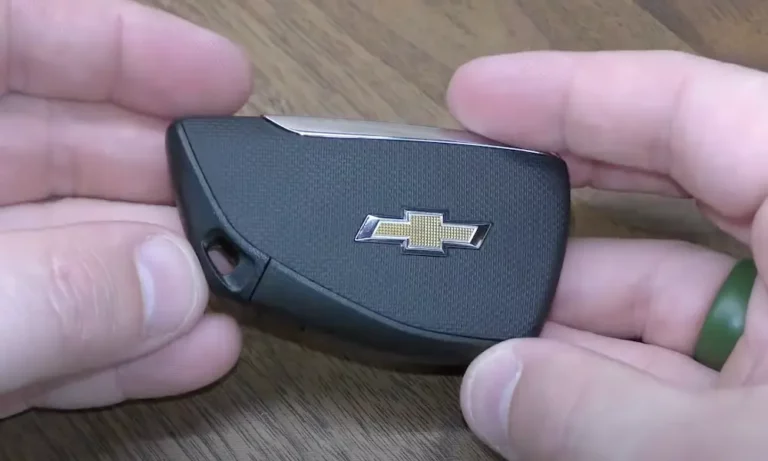
Smart Key Fobs
The most advanced (and expensive) option for newer models:
- Dealership cost: $300-$500+
- What you’re paying for: Complex electronics + specialized programming + proximity features
- Vehicles: Most Chevy models from 2015 onward
Smart fobs for models like the Silverado or Bolt EV require specialized programming equipment. For example, the 2023 Bolt EUV’s proximity fob costs $495 when replaced through an official Chevy dealer.
Chevrolet Model-Specific Key Replacement Costs
Different Chevy models have varying key replacement costs due to technology differences:
| Chevy Model | Key Type | Dealership Cost | Third-Party Cost |
|---|---|---|---|
| Silverado (2014-2022) | Smart Key Fob | $350-$500 | $69-$150 |
| Bolt EV/EUV (2023) | Proximity Smart Fob | $495 | $70-$150 |
| Corvette (2014-2016) | 6-Button Smart Fob | $349 | $250 |
| Equinox (2021) | Transponder Fob | $350 | $100-$200 |
| Impala (2018) | Standard Fob | $250-$350 | $50-$100 |
Chevrolet Silverado
The popular Silverado truck uses advanced key systems that come with hefty replacement costs:
- Dealership replacements for 2014-2022 models average $350-$500
- Third-party providers offer OEM fobs for $69-$150, though programming fees are additional
- The HYQ4EA fob (433MHz) costs around $18 online versus $138 at dealerships
Chevrolet Bolt EV/EUV
Electric vehicles like the Bolt use high-tech smart keys:
- Dealerships charge approximately $495 for 2023 models
- Tech-savvy owners using online guides with aftermarket fobs can reduce costs to around $70 – an 85% savings
Chevrolet Corvette
The luxury Corvette sports car uses premium multi-function remotes:
- A 2014-2016 Corvette’s 6-button smart fob costs approximately $349 at dealerships
- Online vendors offer similar fobs for around $250, though programming is still needed
Why Dealership Key Replacement Costs So Much
When you see that $400 quote for a small piece of plastic, you might wonder what you’re actually paying for:
Genuine OEM Parts
Dealerships use only original equipment manufacturer (OEM) parts, which cost significantly more:
- A Chevy Silverado OEM fob costs $250-$500 at dealerships
- Identical third-party fobs run $100-$200
- Dealerships justify markups through guaranteed compatibility and manufacturer warranties
Specialized Programming Equipment
Modern Chevy keys require dealer-specific technology:
- Programming fees add $50-$150 to the base key cost
- Dealerships invest in proprietary software that aftermarket shops may not have
- Some Griffin Buick GMC locations charge $80 for programming alongside the fob price
Labor Rates
Dealership service departments charge premium labor rates:
- Urban dealerships often charge $150-$200 per hour
- Even simple key programming may be billed at minimum time increments
- One customer reported paying $358 for trunk lock repairs at a dealership
Security Verification
Chevrolet enforces strict security protocols before issuing replacement keys:
- You’ll need to provide your title, ID, and vehicle registration
- This administrative process takes time but protects against theft
- Some customers pay premium prices for expedited service
Alternative Options to Save Money
You don’t have to pay full dealership prices for a replacement Chevy key. Consider these alternatives:
Automotive Locksmiths
Professional locksmiths can often provide significant savings:
- They typically charge 30-50% less than dealerships
- A 2023 Bolt EUV owner saved $300 by using a locksmith ($70 for the fob vs. $495 dealership quote)
- However, locksmiths may lack equipment for 2014+ models with encrypted systems
Online Retailers + Local Programming
Combining online purchases with local programming can save hundreds:
- Websites like Keyless Entry Remote Inc. sell OEM Chevrolet fobs for $100-$250
- Local auto shops or locksmiths can often program these for $50-$100
- A 2018 Impala owner programmed an online-purchased fob for just $50, avoiding dealership fees
DIY Programming Options
Some Chevrolet models allow owner programming:
- Older Chevrolets (pre-2014) can be programmed via ignition cycling sequences
- Instructions are often available online or in your owner’s manual
- Newer models with advanced encryption usually require professional tools
Cost-Saving Strategies to Try
Use these tactics to minimize what you’ll pay for replacement keys:
Negotiate with the Dealership
Dealership prices aren’t always fixed:
- A Buick/GMC customer challenged a $357 quote, ultimately paying only $150
- Get quotes from multiple dealers and use them as leverage
- Ask about using your own fob if you purchase one online
Check Insurance and Warranty Coverage
Your existing coverage might help with key replacement:
- Some insurance policies cover lost or stolen keys
- Extended warranties often include key replacement benefits
- A Bolt EV owner’s “key fob replacement” warranty reduced their out-of-pocket cost to $0
Preventive Measures
Avoid the whole problem with some smart precautions:
- Store backup keys in safe locations
- Replace fob batteries every 2-3 years ($5-$25 cost)
- Consider registering with Chevrolet’s OnStar service for remote support if keys are lost
Common Problems with Chevy Key Replacements
Even when paying full price, customers sometimes encounter issues:
Programming Complications
Some owners report problems even after dealership service:
- Newer models with advanced encryption may require multiple programming attempts
- Security systems can sometimes “lock out” after failed programming
- Software updates may be needed before programming will work
Scheduling Delays
Dealerships often can’t provide immediate service:
- High-demand parts like Silverado fobs may be backordered
- Security verification processes can take 1-3 business days
- Some owners report waiting weeks for specialized keys
Compatibility Issues with Aftermarket Options
Non-dealer solutions sometimes create problems:
- Not all aftermarket fobs work with all Chevy models
- Some third-party keys may work initially but fail after software updates
- Certain security features may be limited with non-OEM keys
Making Your Decision: Dealer vs. Alternatives
When deciding where to get your Chevy key replaced, consider:
Choose the dealership if:
- You need a guaranteed solution with full warranty
- Your vehicle is newer (2018+) with advanced security features
- You have insurance/warranty coverage for the replacement
- Time is more important than money
Choose alternatives if:
- You’re comfortable researching compatible parts
- Your vehicle is older (pre-2018) with simpler key technology
- You’re on a tight budget and can wait for parts to arrive
- You have access to a reputable locksmith with automotive expertise
Whatever option you choose, always verify compatibility before purchasing and keep a spare key in a safe place to avoid future replacement hassles.