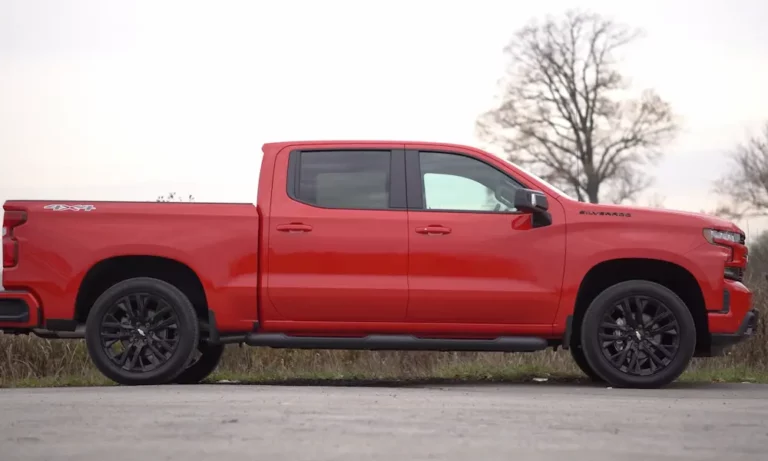
You’ve got that annoying check engine light on your dash and your Chevy isn’t running right. If your mechanic mentioned the words “knock sensor,” you might be facing a $400 repair bill—but don’t panic! With some basic tools and this guide, you can tackle this job yourself for as little as $60. I’ll walk you through everything from symptoms to step-by-step replacement.
What Is a Knock Sensor and Why Does It Matter?
A knock sensor is your engine’s early warning system. It listens for engine knock (that pinging sound) and tells your car’s computer to adjust timing to prevent damage. When it fails, your engine performance suffers while your fuel consumption increases.
Think of it as your engine’s hearing aid—when it goes bad, your car literally can’t hear the problems developing inside the cylinders.
Common Signs Your Chevy’s Knock Sensor Is Failing
Before tearing into your engine, make sure you’re dealing with a knock sensor issue. Here are the telltale symptoms:
| Symptom | What You’ll Notice | Why It Happens |
|---|---|---|
| Check Engine Light | Dashboard warning light illuminated | Computer detects abnormal sensor signals |
| Engine Knocking | Metallic pinging sound, especially during acceleration | Engine timing isn’t adjusting properly |
| Poor Performance | Sluggish acceleration, lack of power | Engine running in “safe mode” with conservative timing |
| Bad Fuel Economy | More trips to the gas station | Inefficient combustion from improper timing |
| Rough Idle | Engine vibrates or runs unevenly at stops | Incorrect air/fuel mixture and timing |
If you’ve scanned your vehicle and found codes P0325, P0326, or P0327, you’re almost certainly dealing with a knock sensor issue.
Where Is the Knock Sensor Located on Chevy Vehicles?
The location varies by model and year, but here’s a quick guide:
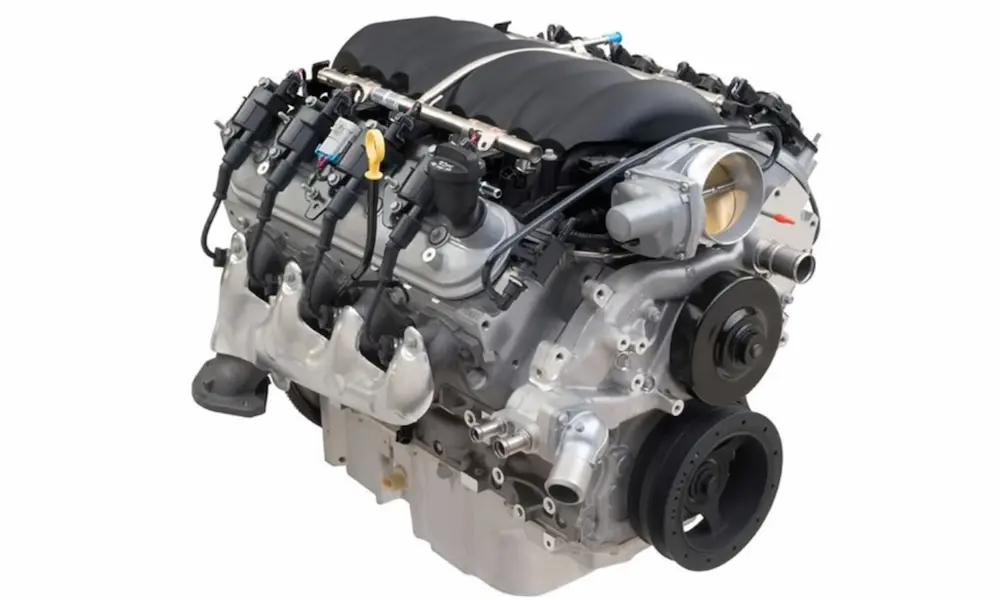
- 1999-2006 Silverado/Sierra (4.8L, 5.3L, 6.0L): Two sensors under the intake manifold in the “valley” of the V8
- 2007-2013 Silverado/Sierra: On the sides of the engine block, one on each side
- Chevrolet Tahoe, Suburban: Similar to Silverado locations based on year
- TrailBlazer and other smaller Chevys: Often under the intake or on the side of the block
For valley-mounted sensors, you’re looking at removing the intake manifold—a bigger job but still doable.
Tools You’ll Need for the Job
Before starting, gather these tools:
- Socket set with 8mm, 10mm, 13mm, and 22mm sockets
- Torque wrench (capable of 15 ft-lbs/20 Nm)
- Socket extensions and universal joint
- Flathead screwdriver
- Clean rags
- Dielectric grease
- Scotch-Brite pad or wire brush (for cleaning sensor mounting surfaces)
- Vacuum (to remove debris)
- RTV silicone (optional, for water protection)
Detailed Step-by-Step Replacement Process
I’ll focus on the common Silverado/Sierra V8 procedure, but the principles apply to most Chevy models.
1. Preparation
- Disconnect the negative battery terminal
- Let the engine cool completely (this job is much more comfortable on a cool engine)
- Take photos of the engine bay before disassembly to help with reassembly
- Have a clean workspace for parts
2. Accessing the Knock Sensors
For 1999-2006 Silverados with valley-mounted sensors:
- Remove the engine cover and air intake assembly
- Disconnect all electrical connectors from the intake manifold
- Remove vacuum lines and mark their locations
- Disconnect the fuel lines (if necessary)
- Remove the intake manifold bolts in the reverse order of the torque sequence
- Carefully lift off the intake manifold to expose the valley
For side-mounted sensors (2007+ models):
- You may need to remove splash shields or move components like the starter to gain access
- The sensors are typically visible on the sides of the engine block
3. Removing the Old Knock Sensors
- Locate the knock sensors (typically black with a single wire connector)
- Disconnect the electrical connectors by pressing the tab and pulling
- Inspect the wiring harness for damage—brittle or corroded harnesses should be replaced
- Use a 22mm socket to remove the knock sensors by turning counterclockwise
4. Cleaning and Preparation
This step is critical and often overlooked:
- Clean the sensor mounting surfaces thoroughly with a Scotch-Brite pad
- Vacuum away all debris and wipe with a clean rag
- Check for oil or coolant leaks that might affect the new sensors
- Apply a small amount of dielectric grease to the new sensor connectors
5. Installing New Knock Sensors
- Thread in the new sensors by hand to avoid cross-threading
- Tighten with a torque wrench to exactly 15 ft-lbs (20 Nm)—this is crucial for proper operation!
- Connect the wiring harness to the sensors until you hear a click
- If you’re in a wet climate, consider applying a small bead of RTV silicone around the rear sensor to prevent water intrusion
6. Reassembly
For valley-mounted sensors:
- Clean the intake manifold gasket surfaces
- Install a new gasket if the old one is damaged
- Carefully lower the intake manifold back into place
- Install manifold bolts and tighten in the proper sequence:
- First pass: 44 inch-pounds
- Final pass: 89 inch-pounds
- Reconnect all electrical connectors, vacuum lines, and fuel lines
- Reinstall the air intake assembly and engine cover
7. Final Steps
- Reconnect the negative battery terminal
- Clear any check engine codes with a scan tool
- Start the engine and check for leaks
- Take the vehicle for a test drive to ensure proper operation
DIY vs. Professional Replacement: Cost Comparison
| Expense Category | DIY Cost | Professional Cost |
|---|---|---|
| Parts (sensors) | $30-$50 each | $70-$150 each |
| Wiring harness (recommended) | $20-$40 | $50-$80 |
| Labor | $0 | $126-$185 |
| Total Cost | $60-$100 | $203-$400 |
By doing this job yourself, you’ll save $150-$300 on average. Not bad for a few hours of work!
Tips for a Successful Knock Sensor Replacement
- Always replace both sensors on V8 engines, even if only one is triggering codes
- Replace the wiring harness if it’s brittle, cracked, or over 10 years old
- OEM sensors (AC Delco or GM) typically last longer than aftermarket parts
- Proper torque is critical—under-tightening or over-tightening will cause problems
- Take your time cleaning the sensor mounting surfaces for best results
- Apply dielectric grease to electrical connections to prevent corrosion
- Clear the check engine light after replacement to reset the system
Common Mistakes to Avoid
- Skipping the torque wrench: Hand-tightening isn’t accurate enough for these sensitive components
- Reusing old harnesses: This is like putting new bulbs in a lamp with frayed wires
- Not cleaning mounting surfaces: Debris can cause false readings
- Breaking intake manifold bolts: Use penetrating oil on rusty bolts and take it slow
- Ignoring water intrusion: In wet climates, protect rear sensors with RTV silicone
Troubleshooting After Replacement
If your check engine light returns shortly after replacement, check these common issues:
- Sensor not torqued to specification (15 ft-lbs)
- Poor electrical connection at the sensor
- Damaged wiring harness
- Incorrect sensor (make sure it’s specific to your Chevy model)
- Debris or contamination on the sensor mounting surface
When Will You Need to Replace Knock Sensors Again?
With quality parts and proper installation, your new knock sensors should last 80,000-100,000 miles. However, factors like harsh driving conditions, engine modifications, or using low-quality fuel can shorten their lifespan.
Regular maintenance checks can help identify potential issues before they cause significant problems.
Chevy Models and Their Knock Sensor Peculiarities
- Silverado/Sierra trucks: Most straightforward, well-documented procedures
- Tahoe/Suburban: Similar to Silverado but sometimes tighter working spaces
- TrailBlazer: Often requires removing more components for access
- Corvette: May require special tools and more careful handling of components
- Malibu/Impala: Usually easier access but may have tighter clearances
Each model has slightly different procedures, but the core principles remain the same.
Replacing your Chevy’s knock sensors might seem intimidating at first, but with patience and attention to detail, it’s a satisfying DIY project that saves serious money. Remember that proper torque and clean installation are the keys to success—get those right, and your Chevy will thank you with better performance and improved fuel economy.
So grab your tools, set aside an afternoon, and tackle this repair with confidence. Your wallet (and your engine) will thank you!