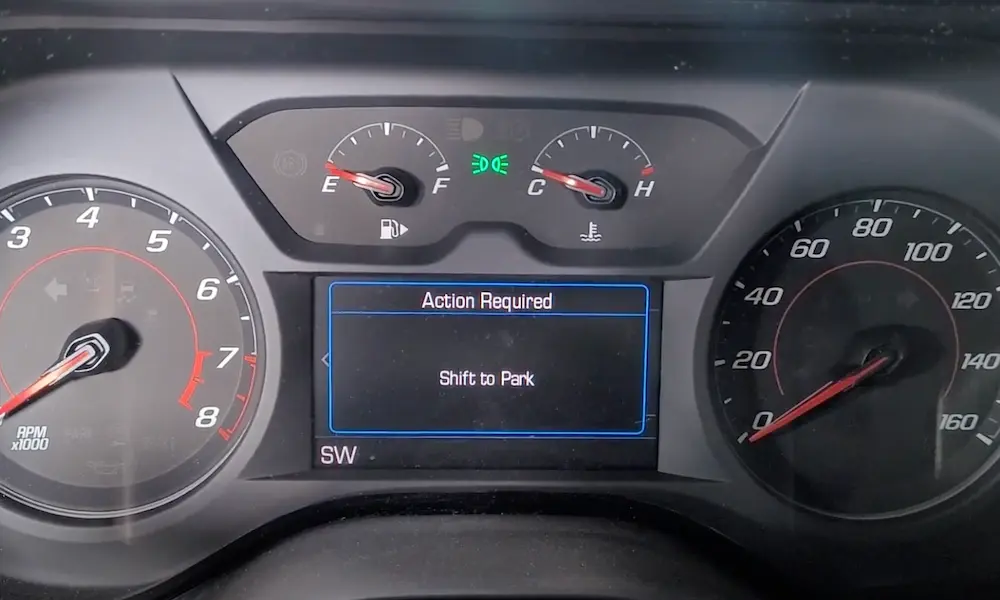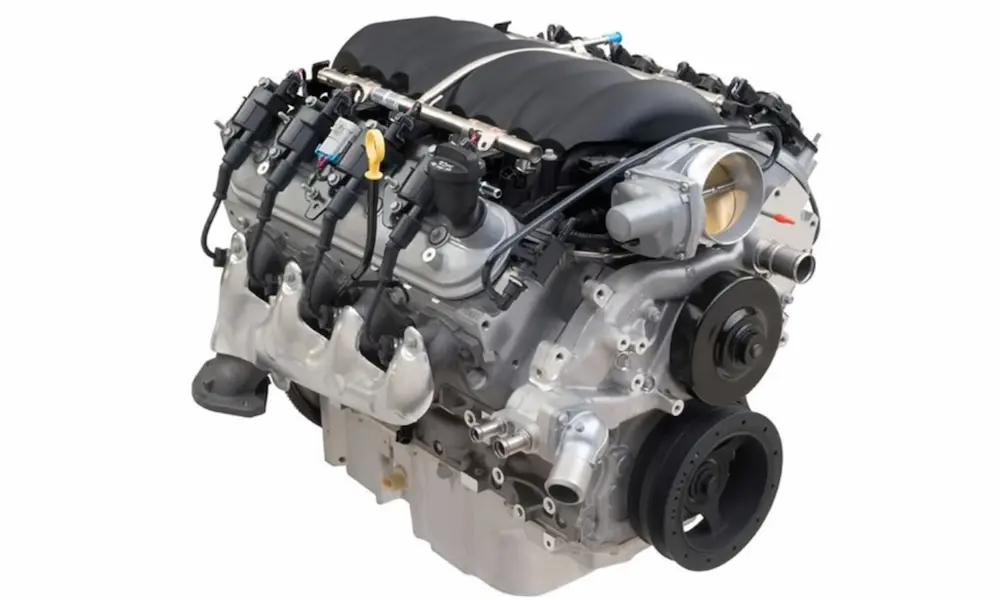
Got a check engine light and a P0102 code on your Chevy? It sounds scarier than it usually is — but ignoring it will cost you. This post walks you through exactly what the chevy P0102 code means, why your specific Chevy triggers it, and how to fix it without throwing parts at the problem blindly. Read to the end before you buy anything.
What Is the Chevy P0102 Code?
The chevy P0102 code means your Engine Control Module (ECM) detected a signal from the Mass Air Flow (MAF) sensor that’s too low for the engine’s operating conditions. The MAF sensor measures how much air enters the engine so the ECM can inject the right amount of fuel. When that signal drops below a minimum threshold, the ECM logs P0102 and lights up your check engine light.
Think of the MAF sensor as your engine’s nose. It sniffs the incoming air and tells the brain exactly how much fuel to add. When it stops reporting correctly, everything downstream goes sideways — fuel trims, shift quality, fuel economy, all of it.
How the MAF Sensor Actually Works
Most Chevrolets use a hot-wire or hot-film MAF sensor. A tiny platinum wire or film inside the sensor heats up to a fixed temperature above the incoming air. As air rushes past, it cools the wire. The sensor’s internal circuit cranks up the current to maintain that temperature. That current change gets translated into a digital frequency signal — measured in Hertz (Hz) — that the ECM reads as grams per second (g/s).
Here’s what normal looks like on a healthy Chevy:
- Idle (5.3L V8): ~5–7 g/s, around 2,400 Hz
- 2,500 RPM: Signal rises smoothly and linearly
- Snap throttle (WOT): Frequency can spike toward 8,000 Hz or higher
The P0102 code triggers when the frequency drops below 10 Hz while the engine runs above 300 RPM. That’s a reading so low it’s physically impossible for a running engine — which tells the ECM something broke, not just fluctuated.
How the ECM Decides to Set the Code
The ECM doesn’t panic over one bad reading. It uses a Type B diagnostic logic, meaning it waits for multiple failures before turning on the MIL (check engine light).
| ECM Diagnostic Parameter | Typical Value |
|---|---|
| Minimum engine speed to run test | >300 RPM |
| Minimum system voltage | >10V |
| Failure threshold (frequency) | <10 Hz |
| Sample rate | 1 sample every 100ms |
| Failures required to set MIL | ~30 failures in a 40-test window |
| Time delay before code sets | ~3 seconds |
This design filters out electrical noise. If P0102 shows up in your code reader, it’s a real, persistent problem — not a one-time glitch.
The Most Common Causes of Chevy P0102
1. Contaminated MAF Sensor
This is the most frequent culprit. Oil from over-oiled aftermarket air filters — like oiled cotton gauze filters — gets sucked onto the hot wire and bakes into a thin insulating film. That film slows heat transfer, making the sensor think less air is flowing than actually is.
Other contaminants include:
- Dust from a poorly seated air filter
- Silicone from improper gasket sealants
- Carbon and oil mist from the PCV system
2. Electrical Failures in the MAF Circuit
The MAF sensor runs on a three-wire or five-wire connector. Each wire has a specific job:
- Pink wire (12V power): A blown fuse kills the sensor completely
- Black/White wire (ground): High resistance here drops the signal
- Yellow wire (signal): A short to ground sends the ECM a 0 Hz reading instantly, triggering P0102
A short on the signal wire is one of the fastest ways to set this code with zero warning.
3. Vacuum Leaks Downstream of the MAF
If unmetered air sneaks into the engine after the MAF sensor, the sensor only sees part of the actual airflow. At idle — when the throttle plate is nearly closed — a significant vacuum leak can drop the MAF signal close to zero.
| Vacuum Leak Source | How It Affects MAF Reading |
|---|---|
| Cracked intake snorkel/boot | Air bypasses the MAF entirely |
| Intake manifold gasket failure | Internal leaks draw unmetered air |
| Brake booster diaphragm failure | Leak pulls air through the pedal area |
| Cracked PCV hoses | Crankcase air enters unmetered |
| EVAP purge valve stuck open | Vapors enter the intake at idle |
Chevy-Specific P0102 Problems You Need to Know
2017–2019 Silverado: The Harness Short (TSB 18-NA-217)
If you own a 2017–2018 Silverado or 2019 Silverado LD with a 5.3L (L83) or 6.2L (L86) engine and you’re seeing P0102 alongside P0097 or cruise control dropout, don’t replace the MAF sensor yet.
According to NHTSA Technical Service Bulletin 18-NA-217, the real problem is a short in circuit 5294 near the fuel composition sensor connector. The harness rubs against metal components over time, wears through the insulation, and shorts to ground — blowing fuse #43, which powers the MAF sensor. No power to the MAF means no signal, which means P0102.
The fix: raise the vehicle, inspect the harness at the fuel comp sensor, repair the wire, and wrap it with double-layered woven polyester electrical tape. Replacing the MAF sensor won’t fix this.
2010–2017 Chevy Equinox: PCV Contamination on the 2.4L Ecotec
The 2.4L Ecotec in the Equinox has a well-known PCV system problem. The PCV orifice inside the intake manifold clogs with carbon or freezes in cold weather. Crankcase pressure builds up and forces oil-laden vapor through the fresh air intake tube and onto the MAF sensor.
Cleaning the sensor might clear the P0102 temporarily. But if the underlying oil consumption issue isn’t fixed — which often requires piston and ring replacement — the sensor keeps getting contaminated. It’s a symptom, not the root cause.
Turbocharged 1.5L Malibu and Equinox: Charge Air Leaks
In newer turbocharged Chevys, the MAF sits upstream of the turbo. A split in the charge air cooler piping after the turbo can cause such wild MAF signal swings that P0102 triggers. Check all intercooler hoses before condemning the sensor.
How to Diagnose Chevy P0102 Correctly
Step 1: Read Live MAF Data with a Scan Tool
Connect an OBD-II scanner and watch the MAF PID with the engine running.
- At idle: A 5.3L should read ~5–7 g/s. A rough rule of thumb — g/s at idle should roughly equal the engine’s displacement in liters
- At 2,500 RPM: The value should rise smoothly and stay steady
- Snap throttle: Should spike sharply, then recover cleanly
If the value sits near zero, stays flat, or swings erratically, you’ve confirmed the sensor or circuit has a real problem.
Step 2: Test the Circuit with a Digital Multimeter
Unplug the MAF connector and test each wire with the key on:
| Wire | Expected Reading | What Failure Means |
|---|---|---|
| Pink (power) | 12V | Blown fuse or broken wire |
| Black/White (ground) | <0.1V drop to ground | High resistance in ground path |
| Yellow (signal) | Varying Hz with RPM | Internal sensor failure |
Set your multimeter to Hz mode on the signal wire. If power and ground check out but the yellow wire shows 0 Hz with the engine running, the sensor is done.
Step 3: Smoke Test for Vacuum Leaks
If the circuits are fine but MAF readings are still low at idle, rent or borrow a smoke machine. Connect it to the intake and watch for smoke escaping anywhere downstream — intake boots, throttle body gaskets, intake manifold. GMT800 and GMT900 Silverados are particularly prone to intake manifold gasket leaks.
Cleaning vs. Replacing the MAF Sensor
Cleaning the Sensor
If contamination is the issue, you can clean the sensor — but do it carefully. The platinum wires are incredibly fragile.
What to use: Only a dedicated MAF sensor cleaner like CRC MAF Sensor Cleaner. It’s hexane-based and leaves zero residue.
What to avoid: Carb cleaner, brake cleaner, WD-40, compressed air — any of these can destroy the sensing element’s coating or crack the plastic housing.
How to clean it:
- Remove the sensor from the intake duct
- Hold it so the cleaner runs off onto a clean towel
- Apply 10–15 short bursts to the wires and film
- Let it air dry completely — at least 10 minutes — before reinstalling
Replacing the Sensor
When replacement is necessary, don’t cheap out on a generic part. The ECM calibration maps precisely to the OE sensor’s frequency-to-airflow curve. Many budget aftermarket sensors clear P0102 but introduce P0101 or fuel trim codes (P0171, P0174) because their output curve doesn’t match GM’s spec. Stick with ACDelco, Hitachi, or Delphi.
What Happens If You Ignore the Chevy P0102 Code
Driving with P0102 isn’t just a check engine light annoyance. The consequences compound fast:
Catalytic converter damage: The ECM defaults to a rich fuel mixture in fail-safe mode. Excess unburned fuel dumps into the catalytic converter and ignites inside the ceramic honeycomb. Temperatures soar high enough to melt the catalyst substrate, turning a $300 sensor fix into a $1,500+ exhaust job.
Transmission damage: Your Chevy’s transmission uses the MAF signal to calculate engine load for shift pressure. A low or missing MAF reading pushes the TCM to default to maximum line pressure, causing harsh, clunking shifts that wear out clutch packs and can damage U-joints.
Repair Cost Breakdown
| Repair Type | Parts Cost | Labor | Total (Shop) |
|---|---|---|---|
| MAF sensor cleaning | ~$12 | 0.5 hrs | $75–$120 |
| OE MAF sensor replacement | $180–$280 | 0.5 hrs | $250–$400 |
| Intake manifold gasket repair | $50–$90 | 3.5–5.0 hrs | $500–$850 |
| Wiring harness repair (TSB fix) | ~$10 | 1.5–2.5 hrs | $200–$400 |
| Air filter replacement | $25–$55 | 0.2 hrs | $40–$90 |
Dealerships charge more per hour but have access to GM’s full Technical Service Bulletin database — which matters a lot on tricky harness-related P0102 cases like the Silverado TSB above.
Prevention: Keep the Code From Coming Back
- Replace your air filter on schedule — every 15,000–30,000 miles depending on conditions
- If you use an oiled performance filter, don’t over-oil it and let it fully drain before installation
- Check your PCV system hoses at every oil change
- After any intake work, double-check that the intake boot seats fully and the clamps are tight
- Only use dedicated MAF cleaner — never anything else
The chevy P0102 code is fixable at home in most cases. Start with the fuse, check the harness, test live data, clean or replace the sensor, and smoke-test for leaks before anything else. That order saves you money almost every time.