You’ve done everything right. You’ve bled your Silverado’s brakes multiple times, followed the manual to the letter, and yet that brake pedal still feels like you’re stepping on a wet sponge. Don’t worry – you’re not losing your mind, and your mechanical skills aren’t to blame. Silverado trucks have a notorious reputation for being extraordinarily difficult to bleed properly.
I’ll walk you through exactly why this happens and what you can do about it – even if you’re a DIY mechanic with limited tools.
Why Silverado Brakes Are Uniquely Challenging to Bleed
When you press your brake pedal, it should feel firm and responsive. If it feels soft or spongy, air is trapped somewhere in your brake system. In most vehicles, bleeding the brakes at each wheel removes this air.
But Silverados are different.
The problem lies specifically with the Anti-lock Braking System (ABS) module (also called the Brake Pressure Modulator Valve). This component contains multiple solenoids, small chambers, and valves that can harbor air bubbles in places conventional bleeding simply can’t reach.
You might bleed crystal-clear fluid from every wheel, and your pedal will still feel soft. That’s because air remains trapped in the ABS module itself, not in the lines going to your wheels.
The Conventional Bleeding Method (And Why It Fails)
The standard brake bleeding process follows these steps:
- Start with the wheel farthest from the master cylinder (usually passenger rear)
- Move to the next farthest (driver rear)
- Continue to passenger front
- Finish with driver front
For each wheel, you:
- Have a helper pump the brake pedal
- Open the bleeder valve
- Let fluid and air escape
- Close the valve
- Repeat until no air bubbles appear
This works perfectly for most vehicles. For Silverados with ABS, however, you’ll often get clear fluid with no visible bubbles, yet the pedal still feels spongy. That’s because the conventional method can’t access the air trapped in the ABS module’s internal chambers.
The ABS Module: Where Air Hides in Your Silverado
The ABS module is essentially a small hydraulic control unit with numerous internal passages and solenoids. These internal components are electronically controlled and only open during specific conditions – most notably when the ABS is actually activating during emergency braking.
Here’s the problem: most of these passages remain closed during normal operation and during conventional bleeding. When air gets trapped inside these normally closed sections, it has nowhere to go during standard bleeding procedures.
This issue affects most Chevy trucks with ABS systems manufactured since 1995. It’s not a design flaw per se, but rather a consequence of the complex hydraulic system that makes your ABS function properly.
When You’re Most Likely to Encounter This Problem
You’re most likely to face these brake bleeding headaches in these specific scenarios:
- After replacing the master cylinder: Air inevitably enters the system, and some makes its way into the ABS module.
- After caliper replacement: Even careful bleeding at the calipers won’t remove air from the ABS unit.
- After brake line repairs: Especially if lines connected to or near the ABS module were disconnected.
- After ABS module service: Direct work on the module guarantees air introduction into those hard-to-bleed chambers.
- After long periods without brake fluid changes: Old, moisture-contaminated fluid makes bleeding more difficult across the entire system.
A 2011 Silverado 1500 owner described this frustration perfectly: “”Replaced front calipers, bled the system thoroughly multiple times, but the pedal still feels soft. Fluid coming out of the bleeder valves is clear without bubbles, but something’s still not right.””
What You’ll Need for Proper Silverado Brake Bleeding
To properly bleed a Silverado’s brakes, you’ll need specialized equipment that goes beyond the basic wrench and clear tube:
Essential Equipment:
- Pressure Bleeder: Not just any pressure bleeder, but preferably one designed for GM vehicles. This applies consistent pressure throughout the system, helping to dislodge stubborn air pockets.
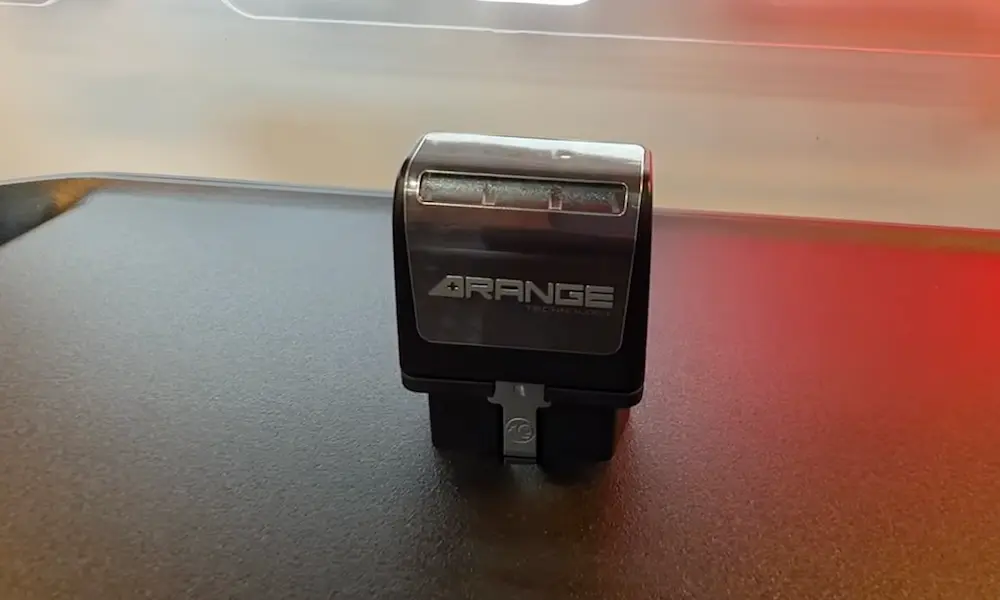
- Diagnostic Scan Tool with ABS Function: This is the critical piece most DIYers lack. You need a scan tool that can electronically activate the ABS module’s solenoids to open those normally closed passages where air hides.
Quality scan tools with this capability include:
- Autel MP808TS
- Launch X431
- Snap-on ZEUS
- OEM-level GM Tech2 (if you can find one)
Budget for $300-$1,000 for a decent scan tool with ABS bleeding capabilities.
Professional vs. DIY Solutions: Making the Right Choice
Let’s be honest about your options:
Professional Service Advantages:
- Technicians have the proper diagnostic tools and pressure bleeders
- They know the specific bleeding sequences for Silverados
- Eliminates risk of damaging expensive ABS components
- Often faster and more reliable than DIY attempts
DIY Approaches (from least to most effective):
- Repeated Conventional Bleeding: Sometimes air will eventually work its way out if you bleed the system multiple times over several days. This is time-consuming and not consistently effective.
- DIY ABS Activation: Some owners report limited success by having a helper rapidly pump the brakes while driving in reverse and then suddenly stopping on a slippery surface (like wet grass) to trigger the ABS. This method is inconsistent and potentially unsafe.
- Investing in Equipment: If you regularly work on GM vehicles, purchasing a quality scan tool and pressure bleeder might be economical over time.
The Professional Bleeding Procedure for Silverados
If you visit a professional shop, here’s what they’ll likely do:
- Connect a pressure bleeder to the master cylinder reservoir
- Attach a diagnostic scan tool to the OBD-II port
- Use the scan tool to command the ABS module to cycle its solenoids (called an “”ABS modulator bleed”” or “”active brake control module bleed””)
- Bleed the wheels in a diagonal pattern (left front/right rear, then right front/left rear) rather than the traditional sequence
- Possibly reposition brake lines between the master cylinder and ABS module to help purge stubborn air bubbles
This comprehensive approach ensures all air is removed from the entire brake system, including those hidden chambers in the ABS module.
Specialized Techniques for Stubborn Bleeding Problems
If standard methods fail, these advanced techniques have proven effective:
Diagonal Pair Bleeding
This GM-recommended technique involves bleeding diagonal pairs of wheels (left front/right rear followed by right front/left rear). This balanced approach works better with Silverado’s hydraulic design to purge air from complex pathways.
| Bleeding Order | Traditional Method | Diagonal Method |
|---|---|---|
| First | Passenger Rear | Passenger Front & Driver Rear |
| Second | Driver Rear | Driver Front & Passenger Rear |
| Third | Passenger Front | Not Applicable |
| Fourth | Driver Front | Not Applicable |
Master Cylinder Line Manipulation
This advanced technique (detailed in a GM service bulletin) involves:
- Carefully loosening fittings between master cylinder and ABS module
- Repositioning these lines temporarily below the reservoir fluid level
- Completing the bleeding procedure
- Returning lines to original positions
This should only be attempted by skilled mechanics, as improper execution can introduce more air into the system.
Real-World Success Stories
A 2002 Silverado owner shared this eye-opening experience:
“”I replaced front calipers and flex lines, then bled the system repeatedly. Fluid was crystal clear at all bleeders, but the pedal still felt terrible. My mechanic friend finally hooked up his scan tool and ran the ABS bleeding sequence. After that, the pedal was rock solid. He explained that the tool electronically opens valves in the ABS module that stay closed during normal bleeding.””
Another owner with a 2007 Silverado reported:
“”After three unsuccessful attempts at conventional bleeding, I took it to the dealer. They used their scan tool to cycle the ABS module while pressure bleeding. Fixed in 45 minutes what I couldn’t fix in three days of trying.””
Prevention: Avoiding Future Bleeding Headaches
Here are practical steps to prevent future brake bleeding problems:
- Regular fluid maintenance: Change your brake fluid every 2-3 years as recommended by GM. Fresh fluid is less likely to cause bleeding difficulties.
- Minimize air introduction: When replacing components, keep the master cylinder reservoir full throughout the procedure and work quickly when disconnecting hydraulic connections.
- Bench bleed new master cylinders: Always bench bleed a new master cylinder before installation to remove air before it can enter the ABS module.
- Consider the investment: If you frequently work on your Silverado, investing in quality bleeding equipment becomes economical compared to repeated trips to the shop.
- Keep service records: Document all brake work to help troubleshoot future issues that might relate to incomplete bleeding.
When to Call the Professionals
Despite your best DIY efforts, there are clear signs it’s time to seek professional help:
- You’ve bled the system multiple times with no improvement
- The brake pedal remains spongy despite clear fluid at all bleeders
- You recently replaced the master cylinder or ABS module
- The ABS light is illuminated on the dashboard
- You experience any unusual brake behavior (pulling, pulsating, etc.)
The average cost for professional brake bleeding at a dealership runs $150-$300, depending on your location. While not cheap, this is often money well spent considering the safety-critical nature of your braking system.
The Bottom Line on Silverado Brake Bleeding
Chevy Silverado brake bleeding problems aren’t your fault – they’re an inherent characteristic of the vehicle’s complex ABS system. The specialized equipment required makes proper bleeding challenging for DIY mechanics without professional tools.
For occasional DIYers, the most cost-effective solution is likely a single visit to a qualified shop with the proper equipment. Those committed to Silverado ownership long-term might consider investing in the necessary diagnostic tools if brake work will be a recurring project.
Either way, understanding these unique requirements helps set appropriate expectations and ensures your truck’s braking system functions safely and effectively for the long haul.