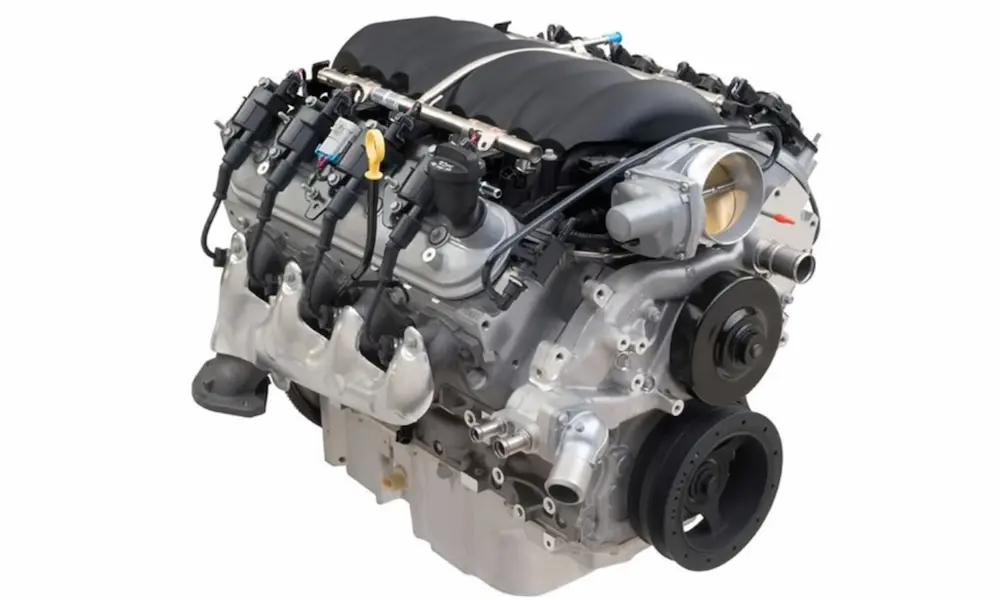
Ever wondered why your Chevy engine feels rough when cruising on the highway? Or maybe you’ve noticed your truck burning through oil faster than it should? You’re not alone. Chevrolet’s cylinder deactivation technology, designed to save fuel, has become a headache for many owners. I’ll break down everything you need to know about these issues and how to address them—potentially saving you thousands in unexpected repair bills.
What Is Cylinder Deactivation Technology?
Chevrolet’s cylinder deactivation technology—officially called Active Fuel Management (AFM) or Dynamic Fuel Management (DFM) in newer models—allows V8 engines to run on just 4 cylinders when full power isn’t needed. Think of it as your truck going into “eco mode” automatically.
When you’re maintaining a steady speed or light load:
- The engine control module detects reduced power needs
- Special solenoids redirect oil pressure to collapsible lifters
- Four cylinders temporarily stop firing
- Your V8 effectively becomes a 4-cylinder engine
- Fuel consumption drops by up to 30%
While this sounds great on paper, the constant switching between 8 and 4 cylinders creates significant mechanical stress. The system relies on numerous components that must work perfectly together—specialized lifters, solenoids, sensors, and control modules. When any of these fail, bigger problems emerge.
Common AFM/DFM Problems in Chevrolet Vehicles
Lifter Failures: The Most Expensive Problem
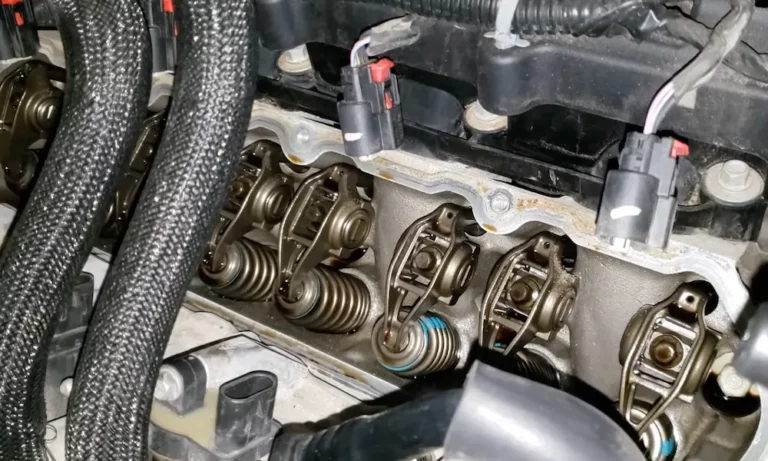
The most notorious issue with Chevy’s cylinder deactivation technology is premature lifter failure. These specialized components bear the brunt of the switching mechanism and frequently break down.
Key facts about lifter failures:
- Most common in 5.3L V8 engines
- Particularly affects lifters on the passenger side
- Can occur even in low-mileage vehicles
- Often happens without warning
- Repair costs typically run $2,000-$4,000
When lifters fail, they often collapse or break, causing a domino effect of damage throughout the engine. The metal debris can contaminate oil passages and score cylinder walls. In severe cases, complete engine replacement becomes necessary.
Excessive Oil Consumption
Have you found yourself adding oil between changes? Cylinder deactivation often leads to increased oil consumption through several mechanisms:
- Pressure imbalances when cylinders deactivate
- Oil leaking past worn AFM lifters
- Oil entering combustion chambers during transitions
- Burning oil in active cylinders under higher load
Many owners report their vehicles consuming a quart of oil every 1,000-2,000 miles—far more than the normal consumption rate. This excessive oil consumption not only costs money but can lead to engine damage if levels drop too low.
Performance and Driveability Issues
Even before catastrophic failures occur, AFM/DFM problems manifest as annoying driveability issues:
- Rough idle: The engine stumbles or feels uneven, especially during cylinder transitions
- Hesitation during acceleration: Power delivery lags when the system tries to reactivate cylinders
- Excessive vibration: The engine produces unusual vibrations in 4-cylinder mode
- Ticking or knocking noises: Early warning signs of lifter problems
These issues aren’t just annoyances—they’re early indicators of developing problems that could lead to more serious failures down the road.
Which Chevrolet Models Are Most Affected?
While not every Chevy with cylinder deactivation experiences problems, certain models and engines show higher failure rates:
| Model Years | Affected Models | Engine Types | Common Issues |
|---|---|---|---|
| 2005-2014 | Silverado, Tahoe, Suburban | 5.3L V8 with AFM | Lifter failures, oil consumption |
| 2014-2018 | Silverado, Sierra, SUVs | 5.3L, 6.2L with AFM | Enhanced AFM but persistent issues |
| 2019+ | Silverado, Sierra, SUVs | 5.3L, 6.2L with DFM | Improved but still experiencing failures |
The 5.3L V8 appears most susceptible to AFM-related problems, though issues have been documented across various displacement engines using the technology.
Warning Signs of AFM/DFM Failure
Catching problems early can save you from catastrophic engine damage. Watch for these warning signs:
Dashboard Warning Lights
Your vehicle’s computer monitors the AFM/DFM system and will alert you when problems arise:
- Check Engine Light illumination
- Engine power reduction warnings
- Oil pressure warnings
When these lights appear, don’t ignore them. Use a diagnostic scanner to check for trouble codes related to misfires, lifter operation, or oil pressure issues.
Unusual Sounds
Your ears can be your best diagnostic tool. Pay attention to:
- Ticking noises from the valve train (especially during warm-up)
- Knocking sounds during acceleration
- Rattling noises when transitioning between cylinder modes
- Changes in the engine’s normal sound pattern
These sounds often indicate lifters that are beginning to fail or valves not operating correctly during cylinder transitions.
Performance Changes
How your vehicle drives can tip you off to developing AFM/DFM issues:
- Hesitation when accelerating from cruising speed
- Rough transitions between 8 and 4 cylinder modes
- Surging or bucking during steady highway driving
- Poor fuel economy (ironically, failing AFM can increase consumption)
If maintenance and tune-ups don’t resolve these issues, the AFM system might be the culprit.
Solutions for AFM/DFM Problems
If you’re facing cylinder deactivation issues, you have several options based on your situation and budget.
AFM/DFM Disablers: The Popular Fix
Many Chevy owners opt to disable the cylinder deactivation system entirely. This approach:
- Keeps the engine running on all 8 cylinders permanently
- Eliminates the mechanical stress of cylinder switching
- Prevents lifter failures and related damage
- Typically costs $200-600 depending on the product
Disablers come in several forms:
- Plug-in modules that intercept signals from the ECU
- Tuning devices that reprogram the engine computer
- Wire harness modifications that interrupt solenoid activation
The downside? You’ll lose the fuel economy benefits of cylinder deactivation, typically 1-2 MPG. However, most owners consider this a worthwhile trade-off compared to potential repair costs.
Preventive Maintenance Strategies
If you prefer to keep your AFM/DFM system active, these maintenance practices can reduce failure risks:
- More frequent oil changes: Every 3,000-5,000 miles instead of following extended intervals
- Higher quality oil: Use full synthetic oil with the proper viscosity rating
- Fuel system treatments: Regular fuel system cleaners help remove carbon buildup
- Regular spark plug inspection/replacement: Ensures proper combustion in all cylinders
- Avoiding extended periods of highway cruising in 4-cylinder mode
While these practices won’t guarantee protection against failures, they can significantly reduce risks and extend component life.
Complete Lifter Replacement
If you’ve already experienced lifter failure, a complete replacement of the AFM lifters and related components might be necessary:
- Replace all lifters, not just failed ones
- Replace the lifter valley cover and oil deflector
- Thoroughly clean the engine to remove metal debris
- Consider upgrading to improved aftermarket lifters
This is an expensive repair ($2,000-$4,000) but restores the system to proper function. Some owners use this opportunity to switch to non-AFM lifters and install a disabler, preventing future recurrence.
The Cost-Benefit Analysis
Making an informed decision about your AFM/DFM system requires weighing several factors:
Repair Costs vs. Prevention
The math is relatively straightforward:
- AFM disabler: $200-600
- Decreased fuel economy: Approximately $100-300 per year (depending on mileage)
- Lifter replacement: $2,000-$4,000
- Potential engine replacement: $5,000-$8,000
For most owners, the preventive approach makes financial sense, especially for vehicles with higher mileage or those used for towing.
Long-term Reliability Impact
Your decision affects your vehicle’s longevity:
- Disabling AFM/DFM removes a major failure point
- Engine components experience more consistent operating conditions
- Reduced oil consumption preserves engine lubrication
- Eliminates potential for catastrophic lifter-related failures
Many owners report their engines running smoother and more reliably after disabling the system, even beyond the prevention of lifter failures.
Real-World Experiences
Chevrolet forums and social media groups are filled with owners sharing their AFM/DFM experiences. Common themes include:
- Vehicles experiencing lifter failures around 80,000-120,000 miles
- Substantial repair bills, often just outside warranty periods
- Satisfaction with AFM disablers as preventive solutions
- Improved driveability after addressing AFM issues
- Regrets about not taking preventive action earlier
While not every vehicle will experience problems, the frequency of reports suggests the issue is systemic rather than isolated.
Making the Right Decision for Your Chevy
If you own a Chevrolet with AFM/DFM technology, consider your situation:
For newer vehicles under warranty:
- Monitor for early warning signs
- Document any symptoms with your dealer
- Consider a disabler once warranty coverage ends
For vehicles with 50,000+ miles:
- Weigh the preventive benefits against the fuel economy loss
- Research specific disabler options for your model
- Consider professional installation to avoid complications
For vehicles already showing symptoms:
- Get a professional diagnosis to confirm AFM issues
- Decide between repair and disablement based on vehicle value
- Address problems promptly before they escalate
Remember that while cylinder deactivation technology aims to improve efficiency, reliability often proves more valuable in the long run. The peace of mind from preventing a major engine failure typically outweighs the modest fuel savings.
Choosing the Right AFM/DFM Disabler
If you’ve decided to disable your Chevy’s cylinder deactivation system, selecting the right product matters:
Popular Disabler Options
Several manufacturers offer reliable solutions:
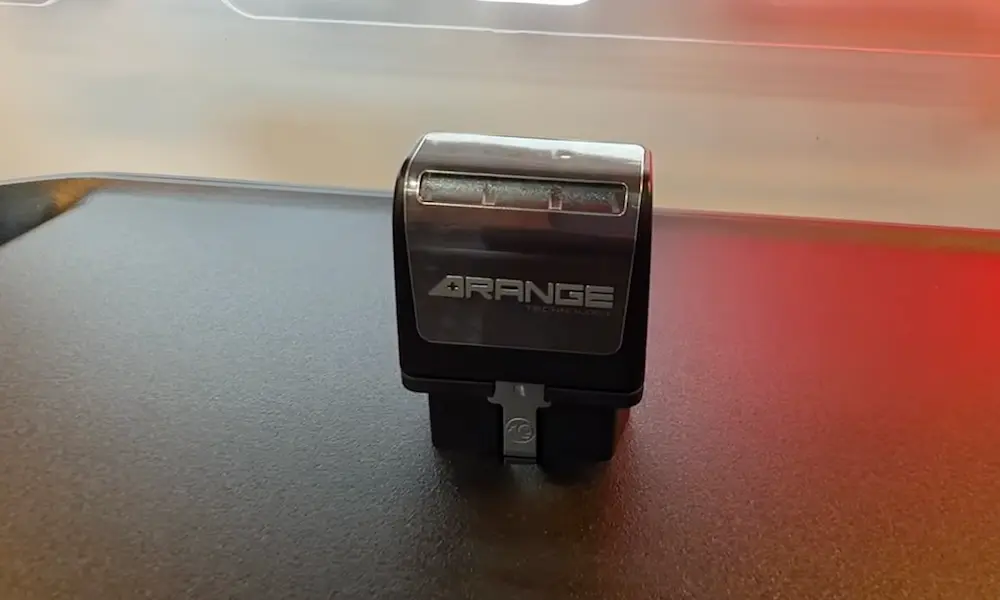
- Range Technology AFM Disabler
- DiabloSport tuners with AFM deletion
- Superchips programmers with cylinder deactivation control
Look for products specific to your vehicle’s year, model, and engine for the best compatibility and results.
Installation Considerations
While some disablers are simple plug-and-play devices, others require more technical knowledge:
- Basic disablers connect to the OBD-II port under the dashboard
- More advanced solutions may require ECU reprogramming
- Some options involve physical modifications to wiring or components
For drivers without technical experience, professional installation ensures proper function and avoids potential issues with vehicle electronics.
The Future of Cylinder Deactivation
Despite the problems experienced with earlier AFM/DFM systems, cylinder deactivation technology continues to evolve:
- Newer DFM systems offer more sophisticated control
- GM has made incremental improvements to component durability
- Future designs may address current reliability concerns
However, for owners of affected vehicles, waiting for technology to improve isn’t practical when facing potential failures today.
Remember that maintaining your vehicle’s reliability often requires making informed decisions that prioritize long-term dependability over short-term efficiency gains. For many Chevy owners, addressing cylinder deactivation issues proactively has proven the wiser choice.