Is your Silverado’s check engine light glaring at you from the dashboard? Don’t panic. That amber warning is actually your truck’s way of communicating specific issues that need attention. While it might seem intimidating, understanding these codes can save you time, money, and prevent more serious problems down the road.
What Are Chevy Silverado Check Engine Light Codes?
Check engine light codes (also called Diagnostic Trouble Codes or DTCs) are alphanumeric codes stored by your Silverado’s onboard computer when it detects a problem. These codes follow a standardized format used across all vehicles since 1996, known as OBD-II (On-Board Diagnostics II).
Each code starts with a letter followed by four numbers. The first letter tells you which system has the issue:
- P = Powertrain (engine, transmission)
- B = Body (airbags, power seats)
- C = Chassis (steering, suspension)
- U = Network (computer communication)
For Silverados, most check engine light codes start with “P” since they relate to engine and transmission issues. The OBD-II system stores these codes until they’re cleared with a scanner or the issue is fixed.
How to Read Chevy Silverado Check Engine Light Codes
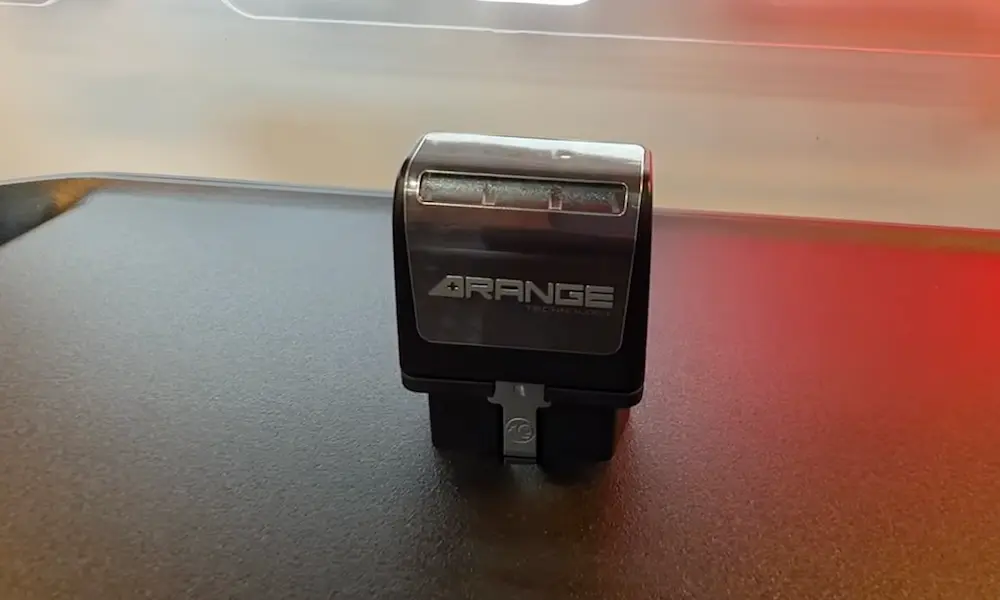
Using an OBD-II Scanner
The easiest way to read check engine codes is with an OBD-II scanner. Here’s how:
- Locate your truck’s OBD-II port (usually under the dashboard on the driver’s side)
- Connect your scanner to the port
- Turn the ignition to “ON” position without starting the engine
- Follow your scanner’s instructions to retrieve the codes
You can buy a basic code reader for $20-50 at auto parts stores, or more advanced scanners for $100+. Many auto parts stores will also scan your codes for free.
Reading Codes Without a Scanner
No scanner? Some older Silverados allow you to retrieve codes without special tools:
- Turn the key to “ON” position (don’t start the engine)
- Press the accelerator pedal all the way down for about 5 seconds
- Release the pedal and watch for the check engine light to flash
- Count the flashes to determine the code numbers
This method is less reliable than using a scanner but can help in a pinch. The ignition cycle method varies between model years, so check your owner’s manual for specific instructions.
5 Most Common Chevy Silverado Check Engine Light Codes
1. P0171: System Too Lean (Bank 1)
This common code means your engine is receiving too much air or not enough fuel in cylinder bank 1.
Symptoms:
- Rough idle
- Hesitation during acceleration
- Poor fuel economy
- Engine stalling
Potential Causes:
- Vacuum leaks in intake manifold or hoses
- Dirty or faulty mass airflow sensor (MAF)
- Clogged fuel injectors
- Failing fuel pump
- Bad oxygen sensors
DIY Fix:
First, check for obvious vacuum leaks by listening for hissing sounds around the engine. Inspect all air intake hoses for cracks or loose connections. For 5.3L engines, verify fuel pressure is between 55-62 psi. Clean the MAF sensor with MAF-specific cleaner, as dirt can cause incorrect readings.
2. P0300: Random/Multiple Cylinder Misfire Detected
This code indicates misfires occurring across multiple cylinders rather than just one specific cylinder.
Symptoms:
- Engine running rough
- Jerking or stumbling during acceleration
- Decreased power and performance
- Increased fuel consumption
Potential Causes:
- Worn spark plugs
- Failed ignition coils
- Clogged fuel injectors
- Low fuel pressure
- Vacuum leaks
- Bad spark plug wires (older models)
DIY Fix:
Start by inspecting and replacing spark plugs if they’re worn or fouled. Check ignition coils with a multimeter—resistance outside manufacturer specifications indicates failure. Many Silverado owners fix this issue by replacing both spark plugs and coils as preventative maintenance around 100,000 miles.
3. P0446: Evaporative Emission Control System Vent Valve Malfunction
This code relates to your Silverado’s evaporative emissions system that prevents fuel vapors from escaping into the atmosphere.
Symptoms:
- Check engine light only (typically no drivability issues)
- Possibly difficulty refueling (pump shutting off repeatedly)
Potential Causes:
- Faulty vent valve solenoid
- Blocked vent hose
- Damaged EVAP canister
- Electrical wiring issues
DIY Fix:
The vent valve is typically located near the fuel tank. Access the valve, check the electrical connector for corrosion or damage, and inspect the vent hose for blockages. In many cases, simply replacing the vent valve solenoid resolves this issue.
4. P2135: Throttle/Pedal Position Sensor “A” Correlation
This code appears when there’s a discrepancy between the two throttle position sensors in your Silverado’s electronic throttle body.
Symptoms:
- Reduced engine power (limp mode)
- Poor acceleration
- Inconsistent idle
- Stalling
Potential Causes:
- Dirty throttle body
- Faulty throttle position sensor
- Damaged wiring to throttle body
- Failed throttle body assembly
DIY Fix:
First, try cleaning the throttle body with throttle body cleaner. If that doesn’t work, check the wiring connector for damage or corrosion. In many cases, a complete throttle body replacement is necessary, especially on higher mileage trucks.
5. P0521: Engine Oil Pressure Sensor/Switch Circuit Range/Performance
This code indicates an issue with the oil pressure sensor or its circuit.
Symptoms:
- Fluctuating or incorrect oil pressure gauge readings
- Oil pressure warning light
- Engine may enter reduced power mode
Potential Causes:
- Faulty oil pressure sensor
- Wiring issues to the sensor
- Actual low oil pressure (more serious)
DIY Fix:
First, check your oil level and condition. If those are good, the sensor itself is likely the culprit. The oil pressure sensor is typically located near the oil filter housing. Replace the sensor and clear the code. If the problem returns, further investigation of actual oil pressure with a mechanical gauge is warranted.
Essential Tools for Diagnosing Chevy Silverado Check Engine Codes
| Tool | Price Range | When to Use |
|---|---|---|
| Basic OBD-II Scanner | $20-50 | Reading and clearing basic codes |
| Advanced Scanner | $100-300 | Viewing live data, advanced diagnostics |
| Multimeter | $15-50 | Testing sensors and electrical circuits |
| Fuel Pressure Tester | $30-100 | Diagnosing fuel system issues |
| Compression Tester | $25-60 | Testing engine cylinder compression |
Step-by-Step Guide to Clearing Check Engine Light Codes
Once you’ve fixed the issue causing the check engine light, you’ll need to clear the code:
- Connect your OBD-II scanner to the diagnostic port
- Turn the ignition to “ON” without starting the engine
- Follow scanner instructions to erase or clear codes
- Turn the ignition off and disconnect the scanner
- Start the engine and check that the light remains off
Be aware that clearing codes also erases important “readiness monitors” that are needed to pass emissions testing in many states. You’ll need to drive your truck for several days under various conditions (highway, city, idle) before these monitors reset and you can pass an emissions test.
Preventing Future Check Engine Light Issues
Regular maintenance can prevent many check engine light codes from appearing:
- Change your oil regularly – Follow Chevrolet’s recommended intervals (typically every 5,000-7,500 miles)
- Replace the air filter – Clean air means better sensor readings and performance
- Use quality fuel – Name-brand gas with proper detergents helps prevent fuel system issues
- Tighten your gas cap – Many emissions codes are triggered by a loose gas cap
- Follow the maintenance schedule – Replace spark plugs, filters, and other components at recommended intervals
When a Check Engine Light Requires Immediate Attention
While most check engine lights don’t indicate an emergency, pull over immediately if:
- The light is flashing instead of solid (indicates severe misfire that can damage catalytic converter)
- Engine is overheating, misfiring badly, or making unusual noises
- You notice smoke, burning smells, or fluid leaks
- The truck loses power suddenly or stalls
In these cases, it’s best to have your Silverado towed to a repair facility rather than risk further damage.
Interpreting More Advanced Code Categories
Beyond the most common codes, there are patterns to help you understand what’s happening:
- P0100-P0199: Air/fuel measurement and metering
- P0200-P0299: Fuel and air injection systems
- P0300-P0399: Ignition system and misfires
- P0400-P0499: Emissions control systems
- P0500-P0599: Vehicle speed, idle control, and auxiliary systems
Understanding these patterns can help you narrow down the source of problems when multiple codes appear.
Dealing with check engine light codes in your Chevy Silverado doesn’t have to be stressful. With the right tools and knowledge, you can diagnose and often fix these issues yourself, maintaining your truck’s performance and reliability for years to come. When in doubt, remember that the check engine light is simply your Silverado’s way of asking for help before small problems become big ones.