If your Silverado is slipping gears, shuddering on the highway, or just locked up your rear wheels at 65 mph — this post is for you. Chevy Silverado transmission problems have affected hundreds of thousands of trucks across multiple generations. Whether you own a 2007 model or a brand-new 2024, there’s a good chance your transmission has a known weakness. Read this to the end before you spend a single dollar at the dealer.
A Quick Look at Which Transmission You’re Dealing With
Before you can fix a problem, you need to know what’s under the hood. The Silverado has used four major automatic transmission families over the past two decades, and each one carries its own set of headaches.
| Transmission | Gear Count | Model Years | Main Problem |
|---|---|---|---|
| 4L60E | 4-Speed | Pre-2007 | Harsh 1-2 shifts, gear slippage |
| 6L80 / 6L90 | 6-Speed | 2007–2014+ | Overheating, valve body wear |
| 8L45 / 8L90 | 8-Speed | 2015–2019+ | Torque converter shudder (“Chevy Shake”) |
| 10L80 / 10L1000 | 10-Speed | 2019–Present | Rear-wheel lockup at highway speeds |
Each step up in gear count was supposed to improve fuel economy. And it did — but it also added complexity that has come with a serious cost to durability.
The 6L80 and 6L90: The Workhorse With a Fatal Flaw
These two transmissions powered Silverados for over a decade, and many of them are still on the road. They’re capable units — until they’re not.
The Torque Converter Problem
The factory torque converter in the 6L80 uses a cheap clutch assembly that wears out faster than it should. When the friction material breaks down, it sends metal debris straight into your transmission fluid. That debris then scores the internal pump gears and clogs the pressure valves.
Once pump pressure drops, your clutch packs can’t hold. That’s when you get “rev flare” — the engine revs up between gear changes instead of shifting cleanly. Left unchecked, your clutch plates burn, the fluid turns black, and you’re looking at a full rebuild.
Valve Body Erosion and Limp Mode
The 6L80’s valve body is cast aluminum, but the valves themselves are steel. Every time those steel valves cycle — thousands of times per day — they slowly wear out the aluminum bores around them. Over time, hydraulic pressure “bleeds” across circuits it shouldn’t touch. The result? Delayed shifts, unpredictable behavior, or full limp mode — where the truck locks into one gear and won’t come out until you restart.
The onboard computer module (TEHCM) sits right inside the valve body and suffers the same fate. Erratic pressure can rupture its internal diaphragms, and at that point, you’ve lost shift control entirely.
What the Symptoms Look Like
| Symptom | Likely Cause | Urgency |
|---|---|---|
| Harsh 1-2 shift | Pressure solenoid or software issue | Moderate — get it checked |
| Rev flare on 3-5 shift | Burnt clutch pack or pressure loss | Critical — stop driving |
| Whining noise from transmission | Pump gear wear | High — repair soon |
| Slow to engage Drive or Reverse | Valve body leak or worn seals | Moderate |
| Stuck in one gear (limp mode) | Pump failure or total fluid loss | Terminal — tow it |
The 8-Speed “Chevy Shake”: It’s Not in Your Head
If you own a 2015–2019 Silverado with the 8L90 or 8L45 transmission, you may have felt a vibration between 25 and 80 mph under light throttle. It feels like driving over rumble strips. GM owners named it the “Chevy Shake”, and it’s very real.
Why the Fluid Is Actually the Problem
The original Dexron VI fluid in these units is hygroscopic — it absorbs moisture from the air. That moisture changes the fluid’s friction properties, which stops the torque converter clutch from locking up smoothly. Instead, it slips and grabs in rapid cycles, sending vibration through the driveshaft, floorboards, and steering wheel.
The cycle becomes self-destructive. Vibration creates heat. Heat degrades the fluid faster. The clutch lining glazes over or falls apart, and debris enters the valve body. What started as a fluid chemistry issue turns into a mechanical failure.
TSB 18-NA-355: GM’s Official Fix
GM issued Technical Service Bulletin 18-NA-355, which calls for a complete fluid flush using Mobil 1 Synthetic LV ATF HP (the blue label bottle). This fluid resists moisture and holds its friction properties at higher temperatures.
The flush works — sometimes. But if the clutch lining is already damaged, the shudder comes back within months. At that point, you need a full torque converter replacement, which runs $2,000 to $4,000 out of pocket. Many owners have gone through multiple flushes before getting a proper diagnosis.
Early 8L90 Pump Failures (2015–2017)
On top of the shudder issue, early 8L90 units had high rates of internal pump failure. The converter hub wears unevenly, and without good internal cooling, the entire pump loses pressure between 40,000 and 80,000 miles. You’ll usually hear a loud whining from the bellhousing area before it goes — consider that your warning. Once the pump fails, metal debris floods the gear train and a full replacement is your only option.
The 10-Speed Transmission: A Safety Problem, Not Just a Reliability Problem
The 10L80 (Silverado 1500) and 10L1000 (HD trucks) were supposed to be the final word on Silverado transmission issues. Instead, they introduced a defect that can lock up your rear wheels at highway speed.
How the Lockup Actually Happens
The transmission’s valve body wears over time, causing internal fluid leaks. Those leaks trick the system into engaging two gears at the same time — a condition called dual clutch engagement. When that happens during a downshift at speed, the output shaft binds. The rear wheels lock up without warning. GM logged at least 1,888 field reports of rear-wheel lockups between January 2020 and August 2024.
For a truck towing a trailer at 70 mph, that’s not a transmission problem — it’s a crash waiting to happen.
The November 2024 Recall and the February 2026 “Do-Over”
In November 2024, GM recalled nearly 462,000 trucks and SUVs with Duramax diesel engines. The fix was a software update for the Transmission Control Module (TCM). The new software monitors valve body wear and limits the truck to fifth gear if it detects a problem — showing a “reduced propulsion” warning on the dash.
That sounds reasonable. But in February 2026, GM issued a second recall for 1,055 trucks after technicians had installed the wrong software version during the first recall. The incorrect software didn’t actually detect wear, leaving those owners at risk the whole time. The recall also expanded to include an additional 43,000 vehicles with the shift-by-wire system.
You can check whether your specific VIN is under an open recall directly at NHTSA’s official vehicle recall lookup tool.
A Note on the “Allison” Label
Many HD Silverado owners feel reassured by the Allison branding on their 10-speed. Don’t be. Allison Transmission has publicly stated it had no involvement in manufacturing, quality control, or the supply chain for these units. GM and Ford co-developed the 10L1000. The “Allison” name is a marketing badge, not an engineering guarantee on these trucks.
Heat Is Killing Your Transmission
Across every generation of Silverado transmission, excessive heat is the number-one cause of early failure. The factory thermostat prevents fluid from reaching the external cooler until it hits 190°F to 200°F — which makes sense for cold starts, but it also means your transmission runs dangerously hot during towing or in warm climates.
The “Pill Flip” Fix
Many owners and independent shops solve this with a modification called the “pill flip” or by installing a dedicated bypass kit like the Sure-Cool STL010. Reversing or replacing the thermostat component lets fluid flow to the cooler immediately on startup.
| Thermal Strategy | Operating Temp | Risk Level |
|---|---|---|
| Factory OEM Thermostat | 190°F – 210°F | High — slowly cooks internal seals |
| STL010 Aftermarket Bypass | 130°F – 160°F | Low — immediate cooling |
| Updated GM TSB Valve | 160°F – 170°F | Medium — better, but not best |
Transmission specialists generally agree: keeping fluid below 175°F is the single most effective way to prevent valve body erosion and seal failure. If you tow regularly or live anywhere south of Tennessee, the factory cooler strategy isn’t cutting it.
What Repairs Actually Cost
Let’s talk money. These aren’t cheap fixes.
| Service | What’s Involved | Estimated Cost | Downtime |
|---|---|---|---|
| Fluid Flush (TSB) | 12–16 qts synthetic ATF + filter | $250 – $450 | 2–4 hours |
| Valve Body Replacement | Upper/lower valve body + software | $1,500 – $3,000 | 1–3 days |
| Torque Converter | Billet unit + fluid + labor | $2,000 – $3,500 | 2–4 days |
| Full Rebuild (Independent) | Clutches, seals, re-machining | $3,800 – $6,000 | 1–2 weeks |
| Full Replacement (Dealer) | Remanufactured unit + 3-year warranty | $5,500 – $8,500 | 2–8 weeks |
Parts backorders have made the wait times worse. In 2024 and 2025, many owners reported their trucks sitting at the dealer for months waiting on backordered valve bodies. For contractors and tradespeople, that downtime costs more than the repair itself.
The Legal Side: Lawsuits, Class Actions, and Lemon Laws
GM has faced — and continues to face — serious legal pressure over these transmission problems.
The 8-Speed Class Action
The Speerly et al. v. General Motors case sought to represent roughly 800,000 owners across 26 states, arguing that the 8-speed transmissions were fundamentally defective and that GM knew it. In June 2025, the 6th U.S. Circuit Court of Appeals decertified the class in a 9-7 decision, ruling that individual experiences and state laws varied too much for a single lawsuit to work cleanly. GM won the battle, not the war — owners can still sue individually or in smaller groups.
10-Speed Lemon Law Claims
Because the rear-wheel lockup issue is a direct safety risk, 10-speed transmission lawsuits have stronger footing under state Lemon Laws. Some 2024 Silverado owners have already secured GM buybacks after their trucks spent over 50 days in the shop. One important warning though: GM’s initial buyback offer letters often exclude towing costs, rental charges, and registration fees — which can add up to $4,500 or more in overlooked expenses. Don’t sign anything without reviewing every line item.
How to Protect Your Silverado’s Transmission Right Now
You don’t have to wait for a failure. Here’s what smart owners are doing proactively:
- Switch the fluid. Dexron VI absorbs moisture. Replace it with Mobil 1 Synthetic LV ATF HP (blue label) in any 8-speed or 10-speed unit.
- Service it more often. GM says 45,000–100,000 miles. Independent specialists say every 30,000 miles if you tow or drive in heat.
- Install a thermal bypass. The Sure-Cool STL010 bypass kit keeps operating temps in the safe zone immediately from startup.
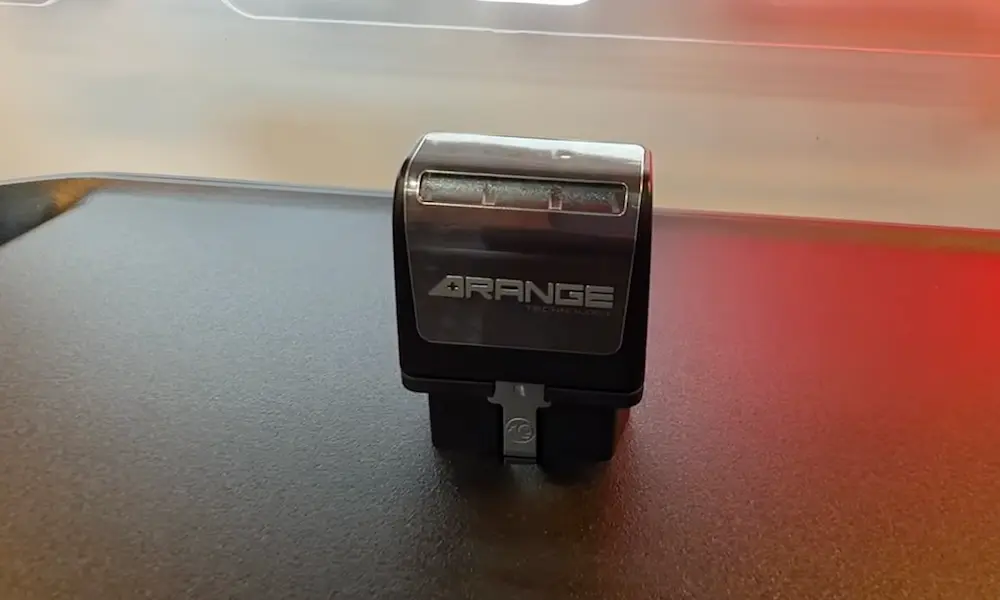
- Disable AFM/DFM. Active Fuel Management causes the transmission to constantly hunt for gears. Disabling it with a tuner or plug-in module reduces clutch cycling and extends converter life.
- Upgrade the pan. A cast aluminum deep pan adds extra fluid capacity and seals better than the factory stamped metal version.
- Check your recall status. Go to NHTSA.gov’s recall database and enter your VIN. If your truck has an open recall, get it to the dealer — and make sure they install the correct software version after the 2026 do-over fiasco.
For high-tow applications, billet torque converters and 300M steel intermediate shafts give you the durability the factory parts never had. These aren’t cheap upgrades, but they’re far less expensive than a $7,000 replacement transmission.