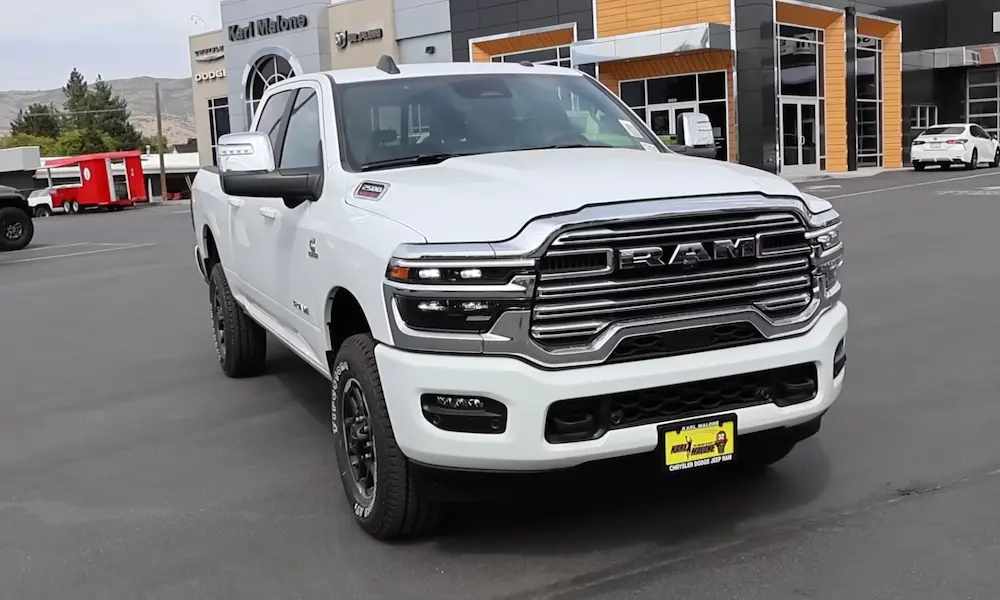
Ever been driving your Ram truck when suddenly the radio cuts out and a “Battery Saver Mode” message appears? This feature isn’t just an annoying interruption—it’s your vehicle’s way of preventing you from getting stranded. But what exactly triggers it, and how can you fix it for good?
I’ve gathered everything you need to know about this common Ram truck issue, from quick fixes to permanent solutions. Whether you’re dealing with this problem right now or want to prevent it in the future, this guide will help you understand and solve your Dodge Ram’s battery saver mode.
What Is Battery Saver Mode on Dodge Ram Trucks?
Battery saver mode is a protective system designed to prevent your Ram truck from completely draining its battery. When your vehicle detects that the electrical system can’t maintain proper voltage levels, it automatically starts shutting down non-essential functions to conserve power.
Think of it as your truck’s survival mode. Rather than letting the battery drain completely (which could leave you stranded), your Ram strategically cuts power to comfort features while maintaining critical systems.
How to Know When Battery Saver Mode Is Activated
You’ll know your Dodge Ram has entered battery saver mode when:
- A “Battery Saver Mode” message appears on your instrument cluster
- Your radio and infotainment system suddenly shut down
- Touch screen functions become limited or grayed out
- Climate control systems stop working or reduce function
- Heated seats and steering wheel turn off
- Interior and exterior lighting dims
- High beam headlights may be disabled
The most noticeable sign is usually the sudden loss of your radio and infotainment system, followed by the warning message.
What Battery Saver Mode Actually Does
When your Ram truck activates battery saver mode, it performs what technicians call “load shedding” – selectively shutting down systems that drain power but aren’t essential for basic transportation. The systems typically affected include:
| Systems Disabled | Systems That Remain Active |
|---|---|
| Radio/Entertainment | Engine Operation |
| Air Conditioning | Basic Headlights |
| Heated Seats | Turn Signals |
| High Beam Headlights | Critical Safety Systems |
| Touch Screen Features | Brake Lights |
| Trailer Brakes (Ram 5500) | Power Steering |
In more severe cases, you might notice dim headlights or reduced performance from other electrical systems as your truck tries desperately to conserve power.
Common Causes of Battery Saver Mode in Ram Trucks
1. Weak or Failing Battery
The most common culprit behind battery saver mode is a failing battery. Your Ram’s battery is typically considered healthy when it maintains at least 12.4 volts when the engine is off. Batteries generally last 4-5 years before needing replacement, though this varies based on climate and use.
Signs of a failing battery include:
- Slow engine cranking
- Repeated battery saver mode activations
- Battery not holding charge overnight
- Voltage reading below 12.4V when tested
2. Diesel Engine Grid Heater Load
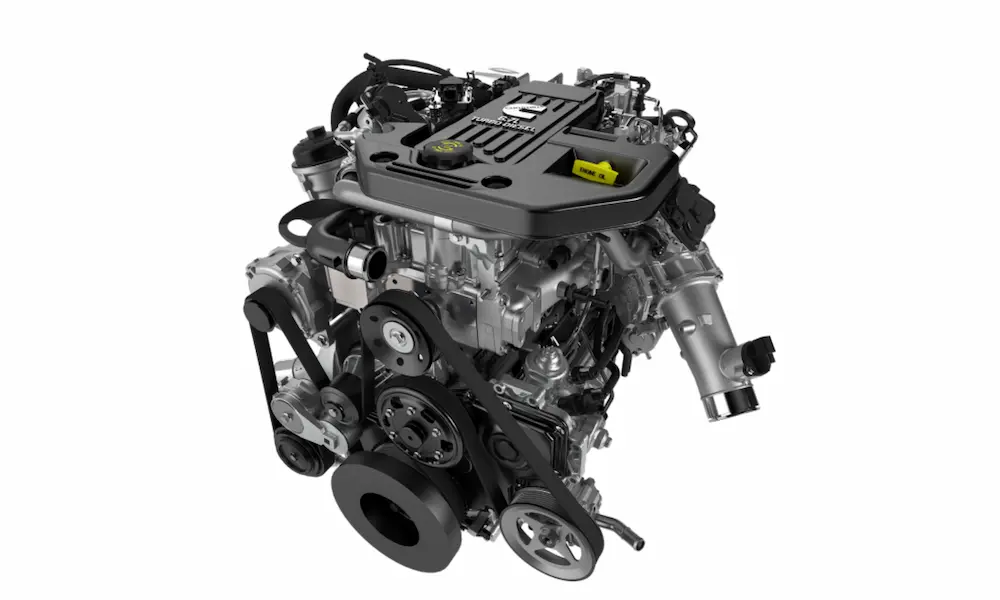
If you drive a Ram with a Cummins diesel engine, you have an additional component that can trigger battery saver mode: the grid heater. This electrical heating element warms incoming air during cold starts and draws massive current.
Even with healthy batteries, the high power demand from the grid heater can cause voltage to drop temporarily, especially in freezing temperatures. This often explains why diesel Ram owners experience battery saver mode primarily during the first cold start of the day.
3. Alternator Problems
Your alternator is responsible for recharging the battery while the engine runs. When it starts to fail, your truck can’t maintain proper voltage, triggering battery saver mode. Signs of alternator problems include:
- Battery warning light on the dashboard
- Battery saver mode activates while driving
- Headlights dim when idling but brighten when revving
- Voltage reading below 13.5V with the engine running
4. Intelligent Battery Sensor (IBS) Issues
Modern Ram trucks use an Intelligent Battery Sensor mounted on the negative battery terminal. This device monitors current flow, battery health, and charging status. When the IBS malfunctions, it can incorrectly trigger battery saver mode even when everything is actually fine.
This is often the culprit when battery saver mode activates despite a new battery and healthy alternator.
5. Loose or Corroded Connections
Sometimes the problem isn’t the components themselves but the connections between them. Corrosion, loose terminals, or damaged wiring can create resistance that prevents proper charging and power delivery.
Why Battery Saver Mode Often Happens in Cold Weather
Have you noticed your Ram’s battery saver mode tends to activate more in winter? There’s a good reason for this:
- Cold batteries have reduced chemical efficiency and output capacity
- Diesel grid heaters (if equipped) draw maximum power during cold starts
- The starter motor requires more power to crank a cold engine with thick oil
- You’re more likely to use high-draw accessories like heated seats and defrosters
Many Ram owners report battery saver mode happens primarily during the first cold start of the day, with subsequent warm starts being problem-free.
How to Diagnose the Cause of Battery Saver Mode
Basic Electrical System Testing
Before replacing parts, perform these simple tests:
- Check battery voltage: With the engine off, a healthy battery should read above 12.4V with a multimeter
- Test charging system: With the engine running at idle, voltage should be between 13.5-14.7V
- Inspect connections: Look for corrosion, loose connections, or damaged cables at the battery terminals
Comprehensive Battery Testing
A multimeter only tells part of the story. A battery might show proper voltage when tested but still fail under load. For thorough diagnosis:
- Have the battery load-tested at an auto parts store (usually free)
- Check for parasitic drains that might be depleting your battery overnight
- Measure cold cranking amps (CCA) to verify battery capacity
Alternator Output Testing
To properly test your alternator:
- Start the engine and let it idle
- Connect a multimeter to the battery terminals
- Check voltage (should be 13.5-14.7V)
- Turn on headlights, blower motor, and radio
- Voltage should remain above 13.5V even with accessories running
How to Fix Dodge Ram Battery Saver Mode
Quick Temporary Fixes
If you’re currently experiencing battery saver mode:
- Restart your truck: Often simply restarting the engine will reset the system temporarily
- Drive for 15-20 minutes: This allows the alternator time to recharge the battery
- Disconnect then reconnect the battery: This can reset the electrical system (but may require radio and clock reprogramming)
Remember these are temporary fixes that address the symptom, not the underlying cause.
Permanent Solutions
Based on your diagnosis, here are the permanent fixes:
For Battery Issues:
- Replace aging batteries (typically both in dual-battery diesel setups)
- Consider upgrading to a higher capacity battery if you use many accessories
- In extreme climates, a battery warmer can help maintain performance
For Alternator Problems:
- Replace failing alternator with OEM or quality aftermarket unit
- Check and repair alternator wiring harness if damaged
- Verify proper belt tension is maintained
For IBS Sensor Issues:
- Replace the Intelligent Battery Sensor if tests indicate it’s faulty
- Some owners reset the IBS after battery replacement to recalibrate the system
For Connection Problems:
- Clean battery terminals with a wire brush and baking soda solution
- Tighten all electrical connections at the battery, starter, and alternator
- Apply dielectric grease to terminals to prevent future corrosion
Preventative Maintenance to Avoid Battery Saver Mode
To reduce the chances of experiencing battery saver mode:
- Regular battery testing: Have your batteries load-tested every 6 months
- Keep connections clean: Inspect and clean battery terminals twice yearly
- Drive regularly: Short trips don’t fully recharge batteries; aim for occasional drives of 20+ minutes
- Consider a battery tender: If your truck sits for extended periods, a quality battery maintainer will prevent discharge
- Address warning signs early: Investigate at the first sign of electrical issues rather than waiting for complete failure
What About Dual Battery Systems in Diesel Rams?
Diesel Ram trucks come equipped with dual batteries, which adds complexity to diagnosing battery saver mode issues. Both batteries work together as a system, and a failure in either one can trigger battery saver mode.
Key points for diesel Ram owners:
- Always replace both batteries at the same time with matching pairs
- Ensure both batteries have the same date code and specifications
- The grid heater puts extreme demands on your electrical system during cold starts
- Consider upgrading to higher capacity batteries if you regularly experience cold starts below 20°F
The Bottom Line on Dodge Ram Battery Saver Mode
Battery saver mode in your Dodge Ram isn’t a malfunction—it’s a protective feature doing exactly what it was designed to do. While it might be annoying when your radio suddenly cuts out, it’s actually preventing a much worse scenario where you could be left stranded with a completely dead electrical system.
By understanding what triggers battery saver mode and following the diagnostic steps outlined above, you can identify and fix the underlying issues. Most cases can be resolved with basic maintenance or component replacement, getting your Ram back to reliable operation without those unexpected “Battery Saver Mode” warnings.
Remember that this system serves as an early warning. When it activates, it’s telling you something needs attention before you end up with a truck that won’t start at all.