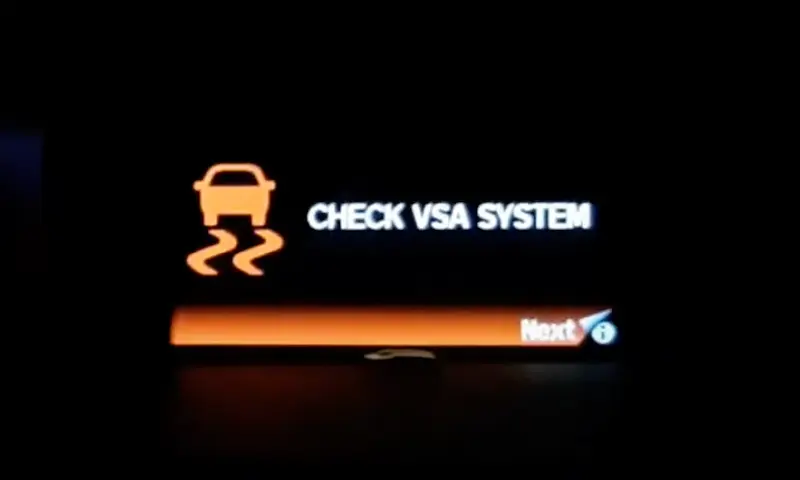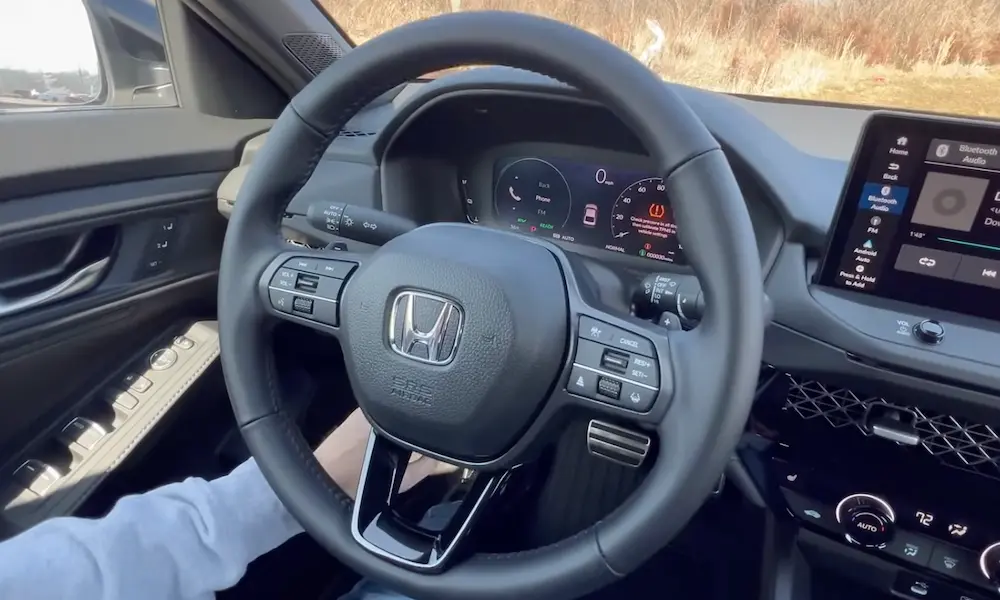
Is your Honda Civic displaying the dreaded “Check Emission System” warning? You’re not dealing with just another annoying dashboard light. This specific alert points to problems that can affect your car’s performance, fuel efficiency, and ability to pass emissions tests.
I’ll walk you through everything you need to know about this common Honda Civic issue—from what triggers the warning to how you can fix it yourself (often for under $50!). Let’s decode what your car is trying to tell you and get you back on the road without expensive mechanic visits.
What Does “Check Emission System” Mean on a Honda Civic?
When your Honda Civic displays the “Check Emission System” message, it’s telling you there’s a malfunction in one of the components designed to reduce harmful pollutants. This warning typically appears alongside the check engine light and means your car’s computer has detected an issue that’s causing emissions to exceed normal limits.
Unlike general check engine lights, this specific warning points directly to the emission control system, which includes oxygen sensors, the catalytic converter, EVAP system, and related components. The good news is that many emission system problems have simple, affordable fixes—if you know what to look for.
Most Common Causes of Emission System Warnings in Honda Civics
Cracked Air Intake Hose: The #1 Culprit
The most frequent cause of emission system warnings in Honda Civics (especially 2012-2015 models) is a damaged air cleaner intake hose. This seemingly minor part connects your air filter to the throttle body and commonly develops cracks near the rear of the engine bay.
When the air intake hose cracks, it creates a vacuum leak that throws off your engine’s air-fuel ratio. Your car’s computer detects this as an emission problem because the engine runs too “lean” (too much air, not enough fuel).
Signs of a cracked intake hose include:
- Code P0171 (System Too Lean) when scanned
- Rough acceleration or jerky performance
- Hissing sounds from the engine bay
- Failed emissions tests
The fix is surprisingly simple—replacement hoses cost around $40, and you can install one yourself in about 30 minutes with basic tools. Many Honda owners are shocked that such an inexpensive part can trigger such a concerning warning.
Faulty Gas Cap: The Simplest Fix
Before diving into complex repairs, check your gas cap! A loose, damaged, or missing gas cap is one of the easiest emission system problems to fix. The gas cap maintains pressure in your fuel system and prevents gasoline vapors from escaping.
When your gas cap isn’t sealing properly, your car’s evaporative emission control system (EVAP) detects the leak and triggers the warning. Always make sure you tighten your gas cap until it clicks (usually 3-4 clicks). If the warning persists, the cap may need replacement—a $15-30 fix that takes seconds.
Oxygen Sensor Problems
Oxygen (O2) sensors monitor exhaust gases and help your engine’s computer optimize the air-fuel mixture. When these sensors fail, your Civic can’t properly regulate emissions.
Honda Civics typically have both upstream (before the catalytic converter) and downstream sensors. Common symptoms of failing O2 sensors include:
- Poor gas mileage
- Rough idle
- Failed emissions tests
- Diagnostic codes P0420 or P2097
Replacing oxygen sensors costs $150-300 per sensor, depending on which one needs replacement and whether you do it yourself. While more expensive than some other fixes, new O2 sensors often pay for themselves through improved fuel economy.
EVAP System Leaks
The Evaporative Emission Control (EVAP) system captures fuel vapors from your gas tank and routes them to the engine. This complex system includes multiple components that can fail:
| Component | Function | Common Issues |
|---|---|---|
| Purge valve | Controls vapor flow to engine | Sticking open/closed |
| Charcoal canister | Stores fuel vapors | Clogging, damage |
| Vent solenoid | Controls system testing | Electrical failure |
| EVAP hoses | Connect components | Cracking, disconnection |
EVAP problems typically trigger codes P0440, P0442, P0456, or P1457. While diagnosing EVAP issues can be tricky without special equipment, repairs often involve replacing a specific component rather than the entire system.
How to Diagnose Your Honda Civic Emission Problem
Step 1: Check the Simple Stuff First
Before spending money on parts or a mechanic, check these easy items:
- Gas cap: Make sure it’s tight and the rubber seal is intact
- Air filter: A clogged filter can trigger emission problems
- Look for obvious damage: Inspect visible hoses and connections
- Check your oil level: Low oil can affect emissions
Step 2: Get the Trouble Codes
The most efficient way to diagnose emission problems is to retrieve the specific trouble codes stored in your Honda’s computer. You can:
- Use an OBD-II scanner (available at auto parts stores for $20-100)
- Have a parts store scan your car for free (AutoZone, O’Reilly, etc.)
- Use a Bluetooth OBD-II adapter and smartphone app
Common Honda Civic emission-related codes include:
- P0171: System Too Lean (often the cracked intake hose)
- P0420: Catalyst System Efficiency Below Threshold (catalytic converter or O2 sensors)
- P0442/P0456: EVAP System Leak (gas cap or EVAP components)
- P1457: EVAP System Leakage (canister system issues)
These codes point you toward the specific system that needs attention rather than guessing.
Step 3: Visual Inspection Based on Codes
Once you have the trouble codes, perform a targeted inspection:
For P0171 (System Too Lean):
- Check the air intake hose for cracks or tears
- Look for disconnected vacuum lines
- Inspect the PCV (Positive Crankcase Ventilation) system
For EVAP codes:
- Check all visible fuel system hoses
- Inspect the charcoal canister and connections
- Test the purge valve function
For P0420 and O2 sensor codes:
- Check for exhaust leaks
- Inspect oxygen sensor wiring connections
- Look for signs of catalytic converter damage
DIY Fixes for Common Honda Civic Emission Problems
Replacing the Air Intake Hose
If you’ve diagnosed a cracked air intake hose (common with code P0171), here’s how to replace it:
- Purchase the correct replacement hose for your model year
- Remove the airbox cover and filter (typically held by clips)
- Loosen the clamps securing the intake hose
- Remove the old hose, noting its orientation
- Install the new hose, ensuring proper alignment
- Reattach clamps and the airbox components
This repair typically takes 30 minutes and requires only basic tools like screwdrivers. The most important part is finding the crack, which often appears near bends in the hose or connection points.
PCV System Maintenance
The Positive Crankcase Ventilation (PCV) system can affect emissions when it fails. To check and maintain this system:
- Locate the PCV valve (typically on the valve cover)
- Remove it and shake it—a functioning valve will rattle
- Inspect PCV hoses for cracks or oil contamination
- Replace the valve if it doesn’t rattle or is clogged with sludge
A new PCV valve costs $20-50 and can improve engine performance and emissions. This maintenance task is often overlooked but can prevent more serious problems.
Oxygen Sensor Replacement
While more involved than some other repairs, replacing oxygen sensors is within most DIY mechanics’ abilities:
- Identify which sensor needs replacement (bank 1, sensor 1 or 2)
- Purchase the correct OEM or quality aftermarket sensor
- Allow the engine to cool completely
- Disconnect the electrical connector to the sensor
- Remove the old sensor using an oxygen sensor socket
- Apply anti-seize compound to the threads of the new sensor
- Install and tighten to specifications
- Reconnect the electrical connector
Note that oxygen sensors often become difficult to remove after years of heat exposure. Penetrating oil and proper tools make this job much easier.
Preventing Future Emission System Problems
Keep your Honda Civic’s emission system healthy with these preventive measures:
- Follow the maintenance schedule in your owner’s manual
- Use quality fuel from reputable stations
- Replace the air filter regularly (every 15,000-30,000 miles)
- Address check engine lights promptly before damage spreads
- Use proper oil weight and change at recommended intervals
- Keep your battery in good condition (electrical issues can trigger false warnings)
These simple habits can prevent many emission system problems and extend your vehicle’s lifespan.
Dealing with Emissions Testing After Repairs
After fixing emission system problems, you may need to complete a “drive cycle” before taking your Civic for an emissions test. This process resets the monitoring systems that evaluate emission performance.
A typical Honda drive cycle involves:
- Starting with a cold engine
- Driving at steady highway speeds for 10-15 minutes
- Performing several accelerations and decelerations
- Idling for a specified period
- Driving at moderate speeds with minimal stops
The specific requirements vary by state and model year, but most Honda Civics need 50-100 miles of varied driving to complete all emission monitors.
Tools You’ll Need for Emission System Repairs
If you plan to tackle emission repairs yourself, these tools will make the job easier:
- OBD-II scanner
- Basic socket and wrench set
- Pliers and screwdrivers
- Flashlight or work light
- Oxygen sensor socket (for O2 sensor replacement)
- Safety glasses and gloves
- Jack and jack stands (for accessing undercarriage components)
Many auto parts stores loan or rent specialized tools for free with a deposit.
Honda Civic emission system warnings can be frustrating, but they’re often fixable without breaking the bank. Whether it’s a simple cracked hose or a more complex sensor issue, understanding the common causes and solutions puts you in control of the repair process. With proper diagnosis and maintenance, your Civic will run cleaner, perform better, and pass emissions tests with flying colors.