Is your Dodge Ram’s dashboard suddenly showing a gas cap warning light? This common issue can range from a simple loose cap to more complex problems with your truck’s emissions system. The good news is that many fixes are straightforward, and you might not need an expensive trip to the dealer. Let’s dive into why this light comes on and how you can fix it.
What Does the Gas Cap Light Actually Mean?
The gas cap light on your Dodge Ram isn’t just telling you about your gas cap—it’s warning you about a potential issue with your truck’s Evaporative Emissions Control (EVAP) system. This system keeps fuel vapors from escaping into the atmosphere by capturing and redirecting them to the engine.
When the light turns on, your truck’s computer has detected a leak somewhere in this sealed system. While a loose gas cap is often the culprit, it can also signal other problems within the EVAP system.
Most Common Causes of the Gas Cap Warning Light
Loose or Damaged Gas Cap
The simplest explanation is usually the right one. About 60% of gas cap warning lights are triggered by—you guessed it—problems with the actual gas cap:
- Cap not tightened properly (listen for three clicks when tightening)
- Damaged rubber gasket on the cap
- Cracked or warped cap
- Wrong aftermarket cap that doesn’t fit correctly
After filling up, make sure you turn the cap until you hear multiple clicks. This creates the airtight seal your EVAP system needs to function properly.
Faulty EVAP System Components
If your gas cap is fine, the problem likely lies deeper in the EVAP system:
- Leak Detection Pump/ESIM: This component pressurizes the system to check for leaks and is a common failure point in Dodge Rams.
- Purge Valve Issues: A stuck or failing purge valve can trigger the warning light. This valve controls when fuel vapors move from the charcoal canister to the engine.
- Cracked Hoses or Connections: Years of engine heat and road exposure can crack the rubber hoses in your EVAP system.
- Charcoal Canister Problems: This component absorbs and stores fuel vapors and can become damaged or saturated over time.
Sensor and Electrical Issues
Sometimes the problem isn’t mechanical but electrical:
- Faulty fuel tank pressure sensors
- Corroded wiring connections
- Computer glitches in the Powertrain Control Module (PCM)
How to Diagnose Your Gas Cap Light Issue
Step 1: Check the Actual Gas Cap
Before doing anything complicated:
- Pull over and turn off your engine
- Remove your gas cap completely
- Inspect the rubber gasket for cracks or damage
- Reinstall the cap, turning until you hear three clicks
- Drive for 50-100 miles to see if the system resets itself
This simple fix works in many cases, so try it first before moving to more complex solutions.
Step 2: Use an OBD-II Scanner for Trouble Codes
If the light remains on after checking your gas cap, it’s time to check for specific error codes:
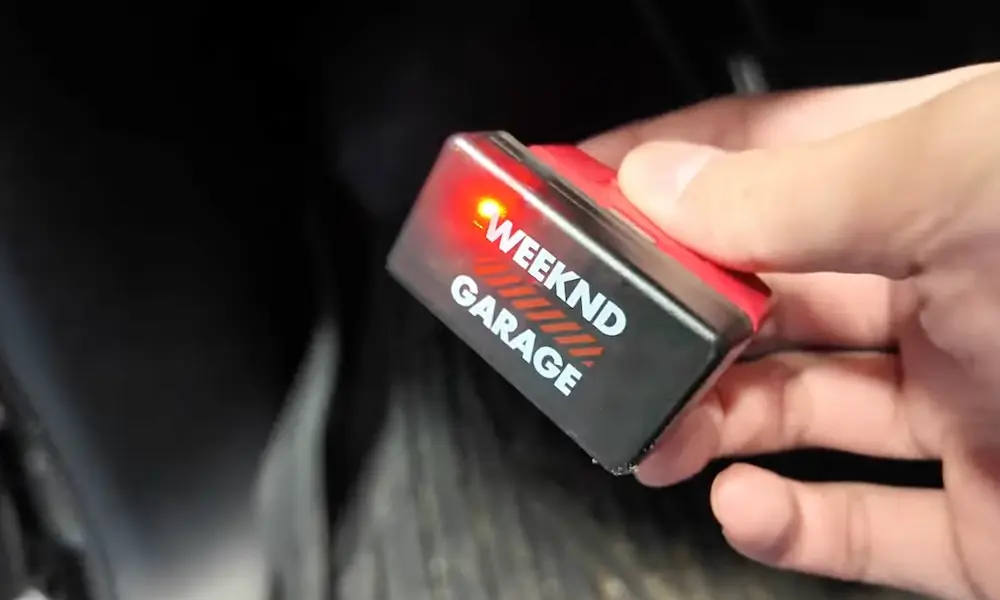
- Connect an OBD-II scanner to your truck’s diagnostic port (usually under the dashboard)
- Look for these common codes:
- P0456: Small EVAP leak detected
- P0457: Large EVAP leak detected
- P0440: General EVAP system failure
- P0442: Medium EVAP leak detected
These codes can narrow down where to look next. For example, code P0456 often indicates a small leak in the evaporative emissions system, while P0457 suggests a larger issue like a disconnected hose.
Step 3: Inspect EVAP System Components
With your code in hand, you can target specific components:
- Check all visible hoses for cracks, especially those near the fuel tank and engine
- Inspect the purge valve, usually located near the intake manifold
- Look for loose connections throughout the system
- Test the Leak Detection Pump (ESIM) if accessible
How to Fix Your Dodge Ram Gas Cap Light Issues
Replacing the Gas Cap
If your cap is damaged or worn:
- Purchase an OEM (factory) gas cap for your specific Dodge Ram year and model
- Remove the old cap completely
- Install the new cap, turning until you hear three clicks
- Reset the system (see methods below)
Avoid cheap aftermarket caps—they often don’t seal properly and can cause recurring warning lights.
Replacing the Leak Detection Pump (ESIM)
The ESIM is a common failure point in Dodge Rams and might need replacement:
- Locate the ESIM near the fuel tank (usually mounted to the tank or nearby frame)
- Disconnect the electrical connector
- Remove the vapor hose
- Unclip the pump from its mounting bracket
- Install the new unit in reverse order
This component is often accessible without removing the fuel tank. For visual guidance, check out this helpful tutorial video showing the process.
Fixing Purge Valve Issues
A stuck or failing purge valve often triggers gas cap warnings:
- Locate the purge valve (typically mounted on the intake manifold or nearby)
- Disconnect the electrical connector
- Remove the vacuum lines
- Unbolt the valve
- Install the new valve, reconnecting all lines and the electrical connector
For a demonstration of purge valve testing and replacement, this video walkthrough provides excellent guidance.
Repairing Hoses and Connections
Cracked or disconnected hoses need immediate attention:
- Trace all visible EVAP hoses, looking for cracks or loose connections
- Replace any damaged sections with fuel-resistant hose of the correct diameter
- Secure all connections with appropriate clamps
- Use a smoke machine if available to identify hidden leaks
Professional shops often use smoke testing to find elusive leaks in the EVAP system.
How to Reset the Gas Cap Light
After fixing the issue, you’ll need to reset the warning light:
Method 1: Battery Disconnect
- Turn off your engine
- Disconnect the negative battery terminal
- Wait 15-20 minutes (this allows the computer to fully reset)
- Reconnect the battery
- Start your truck and check if the light is gone
Method 2: Use an OBD-II Scanner
- Connect your scanner to the diagnostic port
- Select “Clear Codes” or “Reset ECU”
- Follow the scanner’s prompts to complete the reset
- Disconnect the scanner and start your truck
Method 3: Drive Cycle Reset
Sometimes the system will reset itself after a specific driving pattern:
- Fill your gas tank
- Ensure your gas cap is properly tightened
- Drive normally for 50-100 miles, including both city and highway conditions
- The system may automatically reset if no leaks are detected
This driving cycle often allows the computer to run all its tests and clear the warning.
Preventing Future Gas Cap Light Issues
Once you’ve fixed your current problem, take these steps to prevent it from happening again:
- Always tighten your gas cap properly after refueling
- Replace your gas cap every 4-5 years as preventative maintenance
- Use only OEM parts for EVAP system repairs
- Check EVAP hoses annually for signs of cracking or wear
- Keep your fuel level above 1/4 tank to reduce strain on the EVAP system
When Should You Visit a Mechanic?
While many gas cap light issues can be DIY fixes, some situations call for professional help:
- You’ve tried all the above steps and the light remains on
- Your OBD-II scanner shows multiple or complex EVAP codes
- You notice a strong fuel smell along with the warning light
- Your truck shows decreased fuel economy or performance issues
- You lack the tools or confidence to access components near the fuel tank
Professional mechanics have specialized equipment like smoke machines that can detect even the smallest leaks in hard-to-reach places.
Comparison of Common Dodge Ram EVAP System Issues
| Component | Symptoms | Typical Repair Cost | DIY Difficulty |
|---|---|---|---|
| Gas Cap | Check gas cap light, occasional fuel smell | $15-$25 | Very Easy |
| ESIM/Leak Detection Pump | P0456 code, intermittent warning light | $100-$200 + labor | Moderate |
| Purge Valve | P0440/P0443 codes, rough idle | $50-$150 + labor | Moderate |
| EVAP Hoses | Fuel smell, P0456/P0457 codes | $20-$100 + labor | Easy to Moderate |
| Charcoal Canister | Strong fuel odor, multiple codes | $200-$400 + labor | Difficult |
EVAP System Warning Signs by Severity
| Warning Sign | Likely Issue | Need to Address | Impact on Vehicle |
|---|---|---|---|
| Gas cap light only | Loose gas cap or minor leak | Within 1-2 weeks | Minimal – slightly reduced fuel economy |
| Gas cap light + Check Engine light | Moderate EVAP leak | Within 1 week | Moderate – reduced fuel economy, possible emissions test failure |
| Gas cap light + Check Engine light + Fuel smell | Major EVAP system failure | Immediately | Serious – safety hazard, significantly reduced fuel economy, emissions failure |
Remember that EVAP issues might seem minor, but they’re important to fix. Beyond just turning off that annoying light, proper repairs help the environment by preventing fuel vapors from escaping, improve your fuel economy, and ensure your Dodge Ram passes emissions testing.
By addressing gas cap light warnings promptly and using quality parts for repairs, you’ll keep your truck running efficiently for years to come.