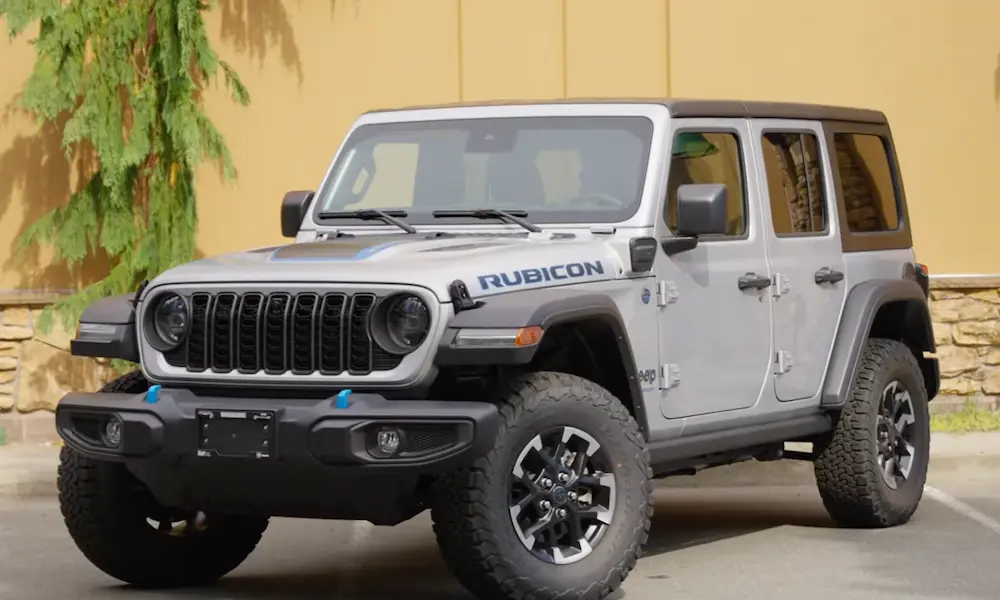
That pesky gas cap light in your Jeep Wrangler isn’t just annoying—it’s trying to tell you something important about your vehicle’s emissions system. Whether you’re seeing it for the first time or it’s become an unwelcome regular on your dashboard, you’re about to discover exactly what causes it and how to make it go away for good. Stick around to learn the DIY fixes that could save you hundreds at the mechanic.
What Does the Gas Cap Light Mean in a Jeep Wrangler?
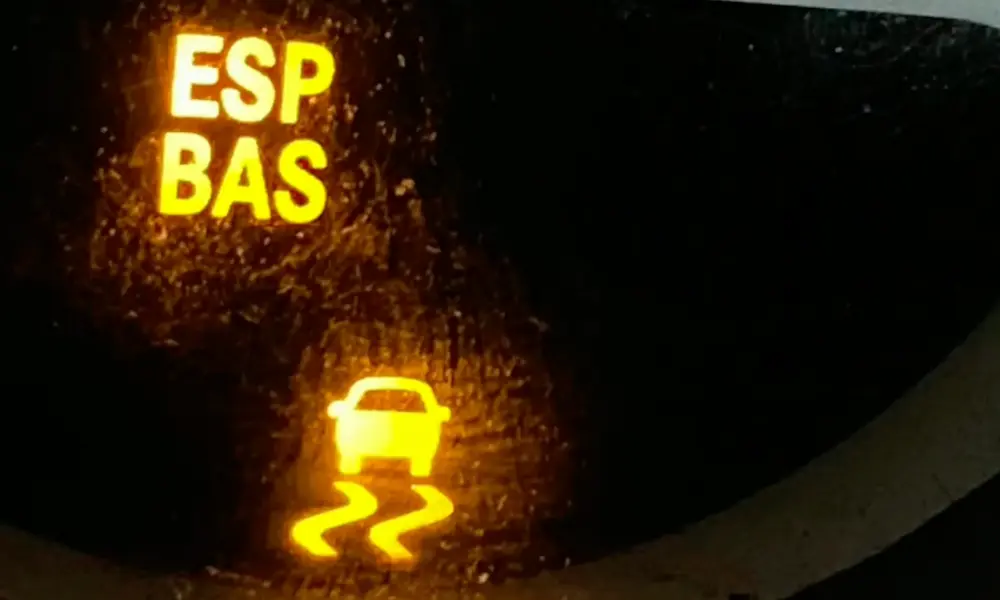
When your Jeep Wrangler’s gas cap light illuminates on your dashboard, it’s warning you about a potential issue in your evaporative emissions control (EVAP) system. This system prevents fuel vapors from escaping into the atmosphere by containing them within a sealed network.
The light typically appears alongside diagnostic trouble codes like P0455 (large EVAP leak) or P0456 (small EVAP leak). These codes help pinpoint exactly where your Jeep’s system might be failing. Your Wrangler is essentially telling you, “Hey, fuel vapors that should stay contained are escaping somewhere!”
Common Causes of the Jeep Wrangler Gas Cap Light
1. Loose or Faulty Gas Cap
The most frequent culprit is surprisingly simple—your gas cap. Modern Jeep Wranglers use a pressure-sensitive system that can detect even minor leaks. When your gas cap is loose, cracked, or has worn seals, it can’t maintain the necessary vacuum in the fuel system.
For example, some 2021 Jeep Wrangler Rubicon owners reported persistent gas cap lights with vehicles that had barely 1,000 miles. The problem? Defective OEM caps that needed replacement.
2. Faulty Purge Valve
The purge valve regulates fuel vapor flow between the charcoal canister and engine intake. When it fails, it can mimic a gas cap leak.
To test if your purge valve is the problem:
- Remove the valve
- Try to blow through it
- If air passes through easily when it shouldn’t, you’ve found your culprit
The valve location varies by model:
- JK (2007-2018): Between the battery and fuse box
- JL (2018-present): Near the rear passenger wheel well
3. Cracked or Disconnected EVAP Hoses
Small, easily overlooked cracks in your EVAP hoses can trigger the gas cap light. These hoses connect various components of your emissions system, including:
- The fuel tank
- The charcoal canister
- The purge valve
In JK models, rubber hoses that rub against the battery or chassis are especially prone to wear over time.
4. Faulty Leak Detection Pump (ESIM Module)
The Evaporative System Integrity Module (ESIM) monitors pressure in your EVAP system. When it fails, it can trigger false gas cap light warnings.
The module is located on the driver’s side near the rear axle and is secured by an O-ring that often degrades over time. Many Jeep owners have discovered that aftermarket ESIMs tend to be less reliable than OEM parts.
5. Battery-Related EVAP Problems
In a surprising twist, some 2019 Jeep Wrangler JL owners have found relief from persistent P0456 codes only after replacing both main and auxiliary batteries. Weak batteries can disrupt the EVAP system’s sensitive electrical components.
How to Diagnose Your Jeep Wrangler Gas Cap Light
Step 1: Check the Gas Cap First
Before diving into complex repairs, start with the simplest solution:
- Remove your gas cap
- Inspect the cap for cracks or worn seals
- Reinstall, making sure it clicks three times when tightening
- If the cap looks damaged, replace it with an OEM cap
Step 2: Scan for Trouble Codes
Connect an OBD2 scanner to retrieve specific codes:
- Common codes include P0455 and P0456
- These codes will help narrow down your search
- Clear the codes after inspection and see if they return
An INNOVA 5610 scanner or similar tool can be invaluable for this process.
Step 3: Visual Inspection of the EVAP System
Perform a thorough visual check:
- Look for disconnected hoses
- Check for cracks or damage near the purge valve
- Inspect the area around the fuel tank
- Examine the charcoal canister and connections
Step 4: Professional Smoke Testing
If visual inspection doesn’t reveal the problem, smoke testing is the next step:
- A professional introduces smoke into the EVAP system
- Leaks become visible as smoke escapes
- This test typically costs around $110 at shops
- Many Jeep owners have found hidden leaks this way that weren’t visible otherwise
How to Fix Your Jeep Wrangler Gas Cap Light Issues
Replacing the Gas Cap
- Purchase an OEM gas cap for your specific Jeep Wrangler model year
- Remove the old cap
- Install the new cap, ensuring it clicks three times
- Clear the trouble codes with an OBD2 scanner
- Drive normally for a few days to see if the light returns
For older Jeeps (2007-2010 JK series), some owners have had temporary success applying a small amount of vaseline to the cap’s O-ring to restore the seal.
Purge Valve Replacement
For JK Models (2007-2018):
- Locate the valve between the battery and fuse box
- Disconnect the electrical connector
- Remove the vacuum lines
- Remove the valve from its mounting bracket
- Install the new purge valve
- Reconnect all hoses and electrical connections
For JL Models (2018-present):
- Access the valve via the rear passenger wheel well
- You may need to remove part of the fender liner
- Replace the valve following the same basic steps
ESIM Module Replacement
- Locate the module under the vehicle near the fuel tank
- Remove the old module (it typically twists out)
- Replace the O-ring that seals it
- Install the new module with a clockwise twist
- Ensure it’s securely seated
Repairing EVAP Hoses
- Identify the damaged hose
- If it’s a simple disconnection, reconnect it securely
- If cracked, replace the entire hose section
- For hard-to-find leaks, a smoke test is your best option
Fuel Tank Rollover Valve Repairs
Some lifted Jeeps develop cracks at the valve-tank junction:
- For temporary fixes, epoxy and metal pins can work
- For permanent solutions, tank replacement may be necessary
How to Reset the Gas Cap Light After Repairs
After fixing the underlying issue, you’ll need to reset the system:
Method 1: Drive Cycle Reset
- Fix the actual problem first
- Clear trouble codes with an OBD2 scanner
- Drive your Jeep through a complete drive cycle:
- Start with a cold engine
- Drive at highway speeds for at least 10 minutes
- Include some city driving with stops and starts
- This allows the computer to run all its tests
Method 2: Manual Reset (Some Models)
On some Jeep models, you can:
- Turn the ignition to ON (don’t start the engine)
- Press the odometer reset button three times
- Turn the ignition off
- Start the engine to see if the light is cleared
When Unusual Solutions Might Work
Some Jeep owners have reported success with unconventional fixes:
Battery Check for JL Models
If you have a 2018 or newer Wrangler with persistent gas cap warnings:
- Have both your main and auxiliary batteries tested
- Weak batteries can cause false EVAP codes
- Replace if necessary
Temperature-Related Issues
Some Jeeps exhibit EVAP problems only in certain temperatures:
- Pay attention to when the light appears
- If it’s always in very hot or very cold weather, mention this to your mechanic
- Seasonal issues often point to contracting/expanding components
Comparing OEM vs. Aftermarket Parts for EVAP Repairs
| Part Type | OEM Parts | Aftermarket Parts |
|---|---|---|
| Gas Cap | $15-25 | $8-15 |
| Purge Valve | $70-120 | $35-75 |
| ESIM Module | $90-150 | $40-80 |
| EVAP Hoses | $30-60 per section | $15-30 per section |
Many Jeep owners report that OEM parts provide longer-lasting fixes for EVAP system problems. While aftermarket parts are cheaper, they may lead to recurring issues, especially with sensitive components like the ESIM module.
Cost Comparison: DIY vs. Professional Repairs
| Repair Type | DIY Cost | Shop Cost | Potential Savings |
|---|---|---|---|
| Gas Cap Replacement | $15-25 | $50-75 | $35-50 |
| Purge Valve Replacement | $70-120 | $200-300 | $130-180 |
| ESIM Module Replacement | $90-150 | $250-350 | $160-200 |
| Smoke Test | N/A (specialized equipment) | $100-150 | Professional service recommended |
| Complete EVAP System Repair | $100-300 | $350-700 | $250-400 |
With basic tools and intermediate mechanical skills, most Jeep owners can handle these repairs themselves and save significantly.
Tools You’ll Need for DIY EVAP Repairs
For tackling gas cap light issues on your own, you’ll need:
- OBD2 scanner capable of reading and clearing codes
- Basic socket set and screwdrivers
- Pliers for hose clamps
- Flashlight for inspecting hard-to-see areas
- Jack and jack stands (for accessing undercarriage components)
- Replacement parts appropriate for your specific model year
Completing these repairs yourself not only saves money but also gives you valuable knowledge about your Jeep’s emissions system that will help with future diagnostics.
With these detailed steps and insights, you’re well-equipped to tackle that annoying gas cap light in your Jeep Wrangler. Remember that most issues start simple, so check the easiest fixes first before diving into complex repairs.