Thinking about buying a Ford with the 2.3 EcoBoost engine? Or maybe you already own one and want to stay ahead of potential issues? The 2.3-liter EcoBoost has powered popular models like the Mustang, Explorer, Ranger, and Bronco since 2015, delivering impressive performance and fuel economy. But behind that punchy turbo lies some well-documented problems you should understand.
I’ve researched technical service bulletins, owner forums, and industry reports to create this comprehensive guide to Ford’s 2.3 EcoBoost problems. Let’s dive into what goes wrong, which model years to avoid, and how to protect your investment.
Head Gasket Failures: The Most Serious Issue
Head gasket failures represent the most expensive and frustrating problem affecting Ford 2.3 EcoBoost engines, particularly in 2015-2019 models. The issue became widely known through the Ford Focus RS, where dozens of engines experienced coolant leaks due to incorrectly installed head gaskets during production.
Here’s what happens: Ford mistakenly used Mustang-specific head gaskets in Focus RS applications despite having different coolant passage designs. This manufacturing error led to premature engine failure in many vehicles.
Watch for these symptoms:
- White smoke from exhaust
- Rapid coolant loss without visible leaks
- Engine overheating
- Misfires during cold starts or under load
- Sweet coolant smell in exhaust
These failures typically occur between 20,000-80,000 miles and often require complete engine replacement rather than simple head gasket repair due to damage to the aluminum block. That’s a $5,000-$8,000 repair in most cases.
Ford addressed the Focus RS issue through a service recall in 2018, offering free pressure testing and head gasket replacement for affected vehicles. However, the broader problem wasn’t fully resolved across all 2.3 EcoBoost applications until mid-2020, when Ford implemented an improved block design that corrected the cooling channel issues.
Carbon Buildup: The Direct Injection Problem
All Ford 2.3 EcoBoost engines made before 2024 suffer from carbon buildup on intake valves. This isn’t a design flaw but rather an inherent issue with direct injection engines. Here’s why it happens:
In direct injection systems, fuel is sprayed directly into the combustion chamber rather than over the intake valves. Without fuel washing over the valves, oil vapor from the PCV system accumulates on valve surfaces, creating carbon deposits that restrict airflow.
The problem typically becomes noticeable between 80,000-120,000 miles with these symptoms:
- Rough idle
- Power loss (especially at higher RPMs)
- Misfires in high-mileage vehicles
- Reduced fuel efficiency
- Difficulty starting
The buildup is particularly severe in cylinders two and three due to the intake manifold design that directs more oil vapor to these cylinders.
Professional cleaning through walnut blasting has become the standard solution, requiring intake manifold removal and costing $400-800 in labor. Ford addressed this issue beginning in 2024 by implementing dual fuel injection systems that combine direct and port injection, significantly reducing carbon accumulation.
Turbocharger Failures and Performance Issues
Turbocharger problems primarily affected 2015-2017 model years, with symptoms including:
- Sudden loss of power/acceleration
- Increased fuel consumption
- Whistling or grinding noises from the turbo area
- Loss of boost pressure
- Blue smoke indicating oil leakage into exhaust
These failures often result from excessive heat and wear in high-pressure turbo systems. The stock turbocharger wastegate actuators can fail prematurely, causing boost pressure issues and potential engine damage.
Another performance issue involves the intercooler system in early models, which proves inadequate for sustained high-performance driving. This leads to heat soak and reduced power output during aggressive driving sessions. The problem becomes particularly noticeable in modified vehicles, as the factory intercooler quickly becomes overwhelmed when boost levels increase.
Cooling System and Overheating Concerns
Overheating issues plague Ford 2.3 EcoBoost engines across all model years, with the problem becoming more pronounced in higher-mileage vehicles. The 2.3-liter version appears more susceptible to overheating compared to larger EcoBoost engines like the 2.7-liter, likely due to its higher power density and smaller cooling capacity.
Symptoms of cooling system problems include:
- Rising temperature gauge readings
- Coolant boiling or leaking from overflow tanks
- Loss of power when the engine enters protection mode
- Low coolant warnings
The overheating often stems from:
- Coolant leaks (internal or external)
- Head gasket failures allowing combustion gases into cooling system
- Inadequate cooling system maintenance
- Thermostat malfunctions
Ford has released several technical service bulletins addressing cooling system issues, with solutions ranging from software updates to component replacements.
Oil System Issues and Leaks
Oil leaks represent a widespread but typically minor issue affecting Ford 2.3 EcoBoost engines throughout their service life. The most common leak points include:
- Timing cover (most common)
- Valve cover gaskets
- Oil pan gaskets
- Various seals throughout the engine
While most oil leaks begin as minor seepage, they can escalate if left unaddressed. The timing cover area is particularly prone to leakage, with many owners reporting wet areas around the front timing cover bolts and gaskets. These leaks typically become noticeable between 50,000-100,000 miles.
One owner on a Mustang forum described a persistent oil leak from the top rear of the engine that required multiple dealer visits to diagnose. The issue turned out to be a faulty valve cover gasket, a relatively common problem.
Fuel System and Ignition Problems
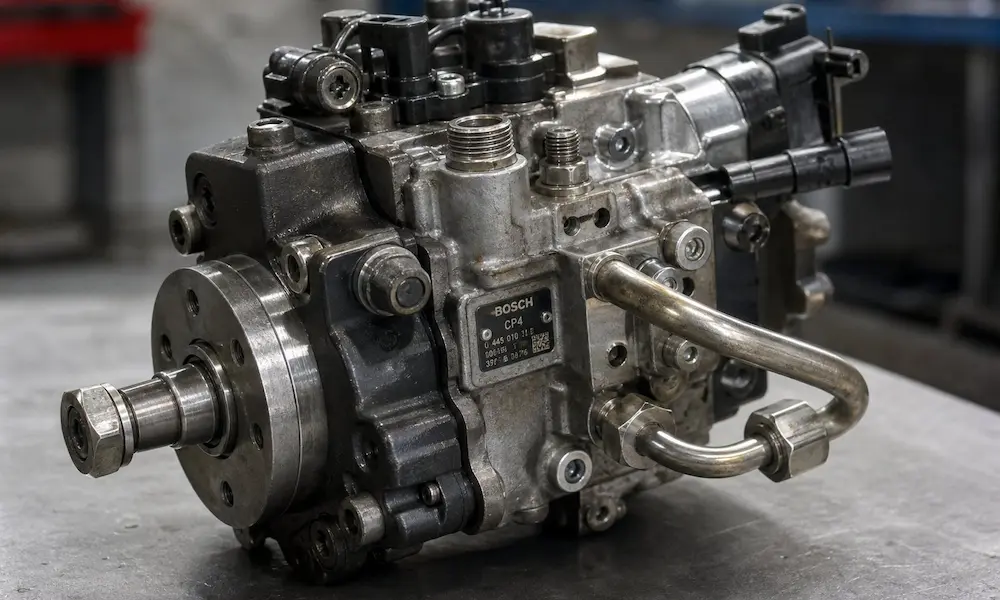
High-Pressure Fuel Pump Failures
High-pressure fuel pump failures occur across all model years, typically manifesting between 60,000-120,000 miles. Symptoms include:
- Hard starting or engine stalling
- Reduced power under acceleration
- Fuel pressure-related diagnostic trouble codes
The direct injection system places significant demands on the high-pressure fuel pump, leading to premature wear in some cases. Replacement costs typically range from $800-1,200 including parts and labor.
Ignition Coil and Spark Plug Issues
Ignition coil and spark plug failures are common, particularly in high-mileage vehicles. These failures cause:
- Check engine light activation
- Misfires during acceleration
- Rough idling
- Engine stalling
Ford recommends spark plug replacement every 60,000-100,000 miles, with high-quality OEM or equivalent components essential for reliability. The turbocharged nature of these engines places additional stress on ignition components compared to naturally aspirated engines.
Manufacturing Defects and Recalls
A significant manufacturing issue affected certain 2023 Ford Bronco, Ranger, and Explorer models built between December 2022 and January 2023. A damaged tool during engine block machining caused insufficient sealing at the main oil gallery plug, resulting in oil leaks that could lead to engine failure and vehicle fires. Ford addressed this through Customer Satisfaction Program 23B08, offering complete engine replacement at no charge to owners.
Multiple Technical Service Bulletins have addressed various issues, including:
- Engine misfires with diagnostic trouble codes P0301-P0304
- Fuel filling problems due to PCM software
- High-altitude operation concerns
The National Highway Traffic Safety Administration (NHTSA) has documented several technical service bulletins related to the 2.3 EcoBoost, covering everything from oil consumption to calibration updates.
Model Year Reliability Assessment
Worst Years to Avoid (2015-2017)
The earliest model years suffer from the most severe problems, including:
- Widespread head gasket failures
- Turbocharger issues
- Early teething problems associated with a new engine design
These years carry the highest risk of catastrophic engine failure and expensive repairs. Owner forums document numerous cases of complete engine failures before reaching 100,000 miles.
Proceed with Caution (2018-2019)
While some improvements were implemented, head gasket issues continued to affect these model years, though to a lesser extent than earlier versions. Carbon buildup also becomes more apparent as these engines reach higher mileages.
One Reddit user summarized the experience: “My 2018 had the head gasket replaced at 45k miles. It’s been fine since then, but I wouldn’t buy without a warranty.” This sentiment reflects the improved but still concerning reliability of these model years.
Good Reliability (2020-2023)
The mid-2020 production timing marked a significant turning point with the implementation of improved head gasket designs that largely resolved the coolant intrusion problems. These model years represent a good balance of maturity and reliability, though they still suffer from carbon buildup issues due to direct injection-only fuel systems.
Owners report fewer catastrophic failures and better overall dependability, with most issues being maintenance-related rather than design flaws.
Most Reliable (2024-2025)
The latest model years feature the new MPC (Multi-Port and Direct Injection) version of the 2.3 EcoBoost engine, which incorporates both direct and port fuel injection systems. This dual injection setup significantly reduces carbon buildup while maintaining the performance advantages of direct injection.
Additional improvements include:
- More responsive twin-scroll turbocharger with electronic wastegate
- Enhanced engine management systems
- Updated cooling system design
Early reports from automotive experts suggest these represent the most reliable EcoBoost engines produced to date.
Preventive Maintenance and Solutions
Essential Maintenance Schedule
Regular maintenance proves critical for Ford 2.3 EcoBoost longevity:
| Maintenance Item | Interval | Cost Estimate |
|---|---|---|
| Oil changes (synthetic) | 5,000-7,500 miles | $80-120 |
| Coolant system flush | 30,000-50,000 miles | $150-250 |
| Spark plug replacement | 60,000-100,000 miles | $250-350 |
| Carbon cleaning (pre-2024) | 80,000-100,000 miles | $400-800 |
| Turbo inspection | 60,000 miles | $100-150 |
Carbon Buildup Prevention
For pre-2024 models without port injection, consider these preventive measures:
- Use premium fuel (91+ octane)
- Add quality fuel system cleaners every 5,000 miles
- Install an oil catch can to reduce oil vapor entering the intake system
- Schedule professional carbon cleaning (walnut blasting) every 80,000-100,000 miles
Cooling System Protection
To avoid expensive cooling system failures:
- Check coolant level regularly (at least monthly)
- Use only Ford-approved coolant
- Replace thermostat at first sign of temperature irregularities
- Consider an aftermarket intercooler for high-performance applications
- Address any overheating symptoms immediately
Legal Actions and Consumer Protection
Multiple class-action lawsuits have been filed against Ford regarding EcoBoost engine defects, particularly focusing on coolant intrusion issues and head gasket failures. The Vanessa Miller case addresses 1.5L, 1.6L, and 2.0L EcoBoost engines, while the Trevor Nelson case specifically targets 2.3L EcoBoost engines purchased nationwide.
These lawsuits allege that Ford failed to adequately address underlying coolant intrusion issues, instead implementing “Band-Aid” solutions such as software recalibration and coolant level sensors that don’t resolve the fundamental problems.
Owners experiencing persistent issues may have rights under lemon law provisions, particularly if problems occur within warranty periods. The Kilpatrick-Townsend law firm continues to document owner complaints related to EcoBoost engine failures.
Current Market Recommendations
For New Vehicle Buyers
If you’re shopping for a new Ford with the 2.3 EcoBoost:
- The 2024-2025 models represent the best choice, featuring the dual injection system that solves the carbon buildup issue
- Ensure the vehicle has the latest software updates from the factory
- Consider an extended warranty for additional peace of mind
For Used Vehicle Shoppers
When looking at used Ford vehicles with the 2.3 EcoBoost:
- 2020-2023 models offer good reliability at potentially lower prices (budget for eventual carbon cleaning)
- Avoid 2015-2017 models unless significantly discounted and thoroughly inspected
- Always get a pre-purchase inspection focusing on:
- Cooling system pressure testing
- Compression testing
- Oil analysis
- Turbocharger operation
For Current Owners
If you already own a Ford with the 2.3 EcoBoost:
- Stay vigilant about regular maintenance, especially oil changes
- Address any unusual sounds, performance issues, or warning lights promptly
- Consider preventive carbon cleaning if your vehicle is approaching 80,000 miles
- Join model-specific forums to stay informed about common issues and solutions
Engine Modifications and Tuning Considerations
Many owners enhance their 2.3 EcoBoost engines with aftermarket modifications. While these can increase performance, they also impact reliability. Here’s what you should know:
Safe Modification Options
These modifications generally maintain reliability while improving performance:
- Cat-back exhaust systems
- High-flow air filters
- Intercooler upgrades (highly recommended for any power increase)
- Quality catch cans to reduce oil consumption and carbon buildup
Higher-Risk Modifications
These modifications increase stress on engine components:
- Aggressive ECU tuning with significantly increased boost
- Downpipes without proper tuning
- Budget turbocharger upgrades
- Ethanol/E85 fuel without supporting modifications
One forum member shared: “I ran a moderate tune on my 2018 for 40,000 miles with no issues, but added an intercooler, catch can, and stayed religious about oil changes. Friends who pushed harder had problems within months.”
Real-World Owner Experiences
Owner experiences vary widely depending on model year, maintenance, and driving habits:
A 2016 Mustang EcoBoost owner reported: “My engine failed at 62,000 miles with a blown head gasket. Ford covered part of the repair since it was a known issue, but I still paid $2,200 out of pocket.”
In contrast, a 2021 Bronco owner shared: “27,000 miles so far without a single issue. Regular oil changes with full synthetic and I don’t push it too hard when cold.”
Another perspective from a 2018 Ranger owner: “Had carbon buildup cleaned at 85,000 miles and it made a huge difference in power and fuel economy. Cost $650 but worth every penny.”
These varied experiences highlight the importance of maintenance, model year selection, and addressing small issues before they become major problems.
The Ford 2.3 EcoBoost has evolved significantly since its troubled introduction. Understanding the specific issues affecting different model years enables informed decision-making for both current and prospective owners. With proper maintenance and awareness of potential problems, these engines can deliver the performance they’re designed for while avoiding costly repairs.