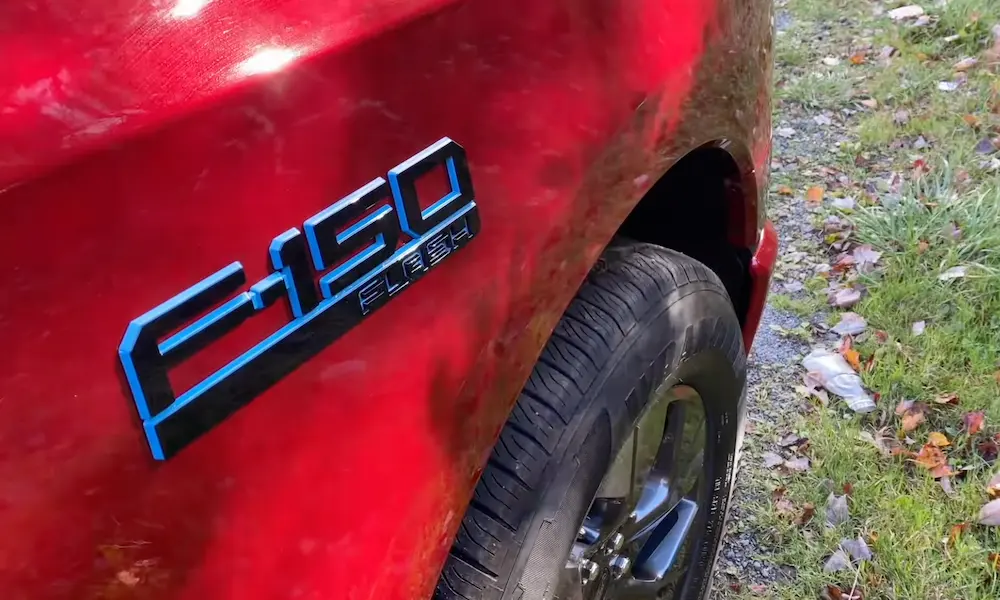
So you’re eyeing a Ford F-150 with the 2.7 EcoBoost, or maybe you already own one and something feels off. Either way, this engine has a complicated reputation — brilliant performance on one hand, some real head-scratchers on the other. Stick around, because knowing these Ford 2.7 EcoBoost problems before they hit your wallet could save you thousands.
Gen 1 vs. Gen 2: The Year Your Truck Was Built Matters More Than You Think
Not all 2.7 EcoBoost engines are equal. Ford built two distinct versions, and the differences go way beyond a spec sheet.
Generation 1 (2015–2017) pushed out 325 horsepower and 375 lb-ft of torque. It used direct injection only, which meant fuel never touched the intake valves. That sounds fine until carbon starts piling up like plaque on teeth — and nobody’s flossing.
Generation 2 (2018–present) bumped torque to 400 lb-ft and added port fuel injection alongside direct injection. That combo lets fuel wash the intake valves clean. Ford also swapped the single timing chain for a dual-chain setup and added a variable-displacement oil pump. It’s a meaningfully better engine — though it introduced its own quirks, like the controversial “wet” oil pump belt.
| Feature | Gen 1 (2015–2017) | Gen 2 (2018–Present) |
|---|---|---|
| Injection Type | Direct Only | Port + Direct |
| Timing Drive | Single Chain | Dual Chain |
| Torque Output | 375 lb-ft | 400 lb-ft |
| Oil Pump Drive | Standard | Wet Belt |
Knowing your generation tells you exactly which Ford 2.7 EcoBoost problems to watch for. Let’s break them down.
The Intake Valve Recall That Destroyed Engines at 2,500 Miles
This one’s serious. In 2021, reports surfaced of catastrophic engine failures happening at shockingly low mileages. We’re talking engines grenading before 5,000 miles. The NHTSA launched an investigation, and Ford issued safety recall 24S55, affecting 90,736 vehicles including the F-150, Bronco, Explorer, Edge, Lincoln Aviator, and Nautilus.
The culprit? A metallurgical defect in intake valves made from an alloy called Silchrome Lite. If those valves got overheated during manufacturing, the material turned brittle. Under the heat and pressure of normal combustion, the valve stems snapped at the keeper grooves and dropped straight into the engine. The result was total destruction — pistons, cylinders, cylinder heads — all of it gone.
| Detail | Recall 24S55 Facts |
|---|---|
| Root Cause | Brittle Silchrome Lite intake valves |
| Failure Point | Stem fracture at keeper grooves |
| Resulting Damage | Pistons, cylinders, and heads destroyed |
| Vehicles Affected | 90,736 (F-150, Bronco, Explorer, Edge, Aviator, Nautilus) |
| Build Window | May 1 – October 31, 2021 |
| Average Failure Mileage | ~2,500 miles |
Ford’s fix involves a high-RPM stress test at the dealership. The logic: force a defective valve to fail in a controlled setting rather than on the highway. Vehicles that survive get returned to the owner. Those that don’t get a new engine. Check Ford’s recall page to see if your VIN is affected.
The Plastic Oil Pan Problem Nobody Warned You About
Here’s one of the most common — and most annoying — Ford 2.7 EcoBoost problems: oil leaks from the plastic oil pan.
Early engines used a composite oil pan sealed with RTV silicone. The problem is that plastic and metal expand and contract at different rates when the engine heats up and cools down. That constant movement breaks the RTV seal over time, and oil starts weeping out.
Ford issued TSB 19-2205 to address it, then followed up with the updated TSB 23-2083 when technicians kept struggling to get the reseal to hold. The issue? The CGI block is so porous that oil soaks into the surface and prevents RTV from bonding properly. Ford’s solution requires a special cleaning wipe that creates a microscopic conversion coating on the metal first.
Gen 2 engines moved to a press-in rubber gasket, which handles thermal cycling much better. For 2015–2017 owners, TSB 23-2083 outlines a retrofit to the newer gasketed pan — though it’s not a quick job. The PCV system also needs updating to match the new pan’s baffle design, which often means replacing the valve covers too.
| Pan Type | Models | How It Fails | Fix |
|---|---|---|---|
| RTV Silicone | 2015–2017 | Seal breaks from heat cycles | Reseal per TSB 19-2205 or retrofit |
| Press-In Gasket | 2018–Present | Improper torque during install | Replace pan and gasket |
Beyond visible leaks, some owners report high oil consumption with no puddle on the driveway. That usually points to oil getting sucked through the PCV system into the intake. A cracked valve cover baffle or stuck PCV valve will do it — and if it goes unchecked, you’ll get blue exhaust smoke and accelerated carbon buildup.
Blue Smoke on Startup: The Turbo Oil Line Issue
If your 2.7 EcoBoost puffs blue or white smoke on a cold start — especially after sitting overnight — don’t panic, but don’t ignore it either.
The most likely cause is oil draining backward through the left turbocharger’s oil supply tube while the engine sits. Ford addressed this in TSB 19-2188 and TSB 20-2207. The fix is a revised oil supply tube with an internal check valve that stops gravity from draining oil into the turbine housing.
It sounds cosmetic, but it’s not something to brush off. Over time, pooled oil can migrate into the charge air cooler (intercooler). If enough accumulates and gets ingested suddenly, you’re looking at a potential hydro-lock — that’s when liquid enters a cylinder, the piston can’t compress it, and something mechanical gives way catastrophically.
Turbocharger Coolant Line Leaks
The turbos also connect to the cooling system through “jiffy-tite” fittings that use O-rings. Heat cycles cause those O-rings to harden and shrink, leading to slow coolant loss with no obvious external drip. These lines sit in one of the worst spots in the engine bay for access. Some dealers pull the entire cab off the frame to reach them properly — which tells you everything about the repair cost once you’re out of warranty.
| Symptom | Likely Cause | What’s Happening |
|---|---|---|
| Blue smoke on cold start | Left turbo oil supply line | Oil drains into turbine housing overnight |
| Sweet exhaust smell | Turbo coolant line O-ring | Coolant leaking at jiffy-tite fittings |
| Whining + boost loss | Turbo bearing failure | Lubrication starvation or debris ingestion |
Carbon Buildup on Intake Valves (Gen 1 Only)
If you own a 2015–2017 2.7 EcoBoost, carbon buildup on the intake valves is your biggest long-term threat. Because direct injection sprays fuel directly into the combustion chamber, no fuel ever washes across the intake valves. Oil vapor from the PCV system coats the valves instead, and it bakes into hard carbon deposits over thousands of miles.
Symptoms show up gradually:
- Rough idle that gets worse over time
- Hesitation or stumble during acceleration
- Reduced fuel economy
- P0300-series misfire codes that new plugs don’t fix
Intake cleaner sprays help as prevention, but once deposits build up heavily, the only real fix is walnut blasting — where crushed walnut shells are blasted through the intake ports to physically scour the valves clean. It works, but it’s a labor-intensive shop job.
This issue is largely solved in Gen 2 engines. The port injection system sprays fuel into the intake ports under certain load conditions, which constantly washes the valves. If you’re shopping for a used 2.7 EcoBoost, this alone is a solid reason to prioritize a 2018 or newer model.
The Gen 2 Wet Oil Pump Belt: Ford’s “Lifetime” Part That Isn’t
The second-generation 2.7 EcoBoost uses a Kevlar-reinforced rubber belt — submerged in engine oil — to drive the oil pump. Ford calls it a lifetime part with no replacement interval. Most experienced technicians disagree.
The belt doesn’t typically snap. It degrades slowly. As the rubber breaks down, it sheds microscopic particles into the oil. Those particles clog the oil pump pickup screen. When the pickup screen clogs, oil pressure drops. Low oil pressure destroys turbocharger bearings and main bearings. At that point, you’re buying a new engine.
The Reddit community of high-mileage 2.7 owners has been tracking this closely, and the consensus is clear: change the belt every 100,000 miles as preventative maintenance, especially if you do lots of short trips. Short trips mean moisture and unburned fuel accumulate in the oil, which accelerates belt breakdown.
The belt’s lifespan is also directly tied to oil quality. Ford’s WSS-M2C948-B specification isn’t a suggestion — it includes additives specifically formulated to protect this belt’s rubber compound.
Spark Plugs and Ignition Coils: Replace Them Early
The factory 100,000-mile spark plug interval is too generous for a turbocharged engine. The heat and pressure inside a boosted cylinder eat through electrode material faster than a naturally aspirated engine. As the gap widens, the ignition coil has to work harder to fire the plug. Eventually it either fails outright or arcs through the coil boot to the cylinder head.
The classic symptom: misfires that only happen under load — merging onto a freeway, towing, climbing a grade. That’s spark blowout.
Most reliability-focused owners replace spark plugs every 30,000 to 45,000 miles. Ignition coils are good for around 100,000 miles, but inspect the boots regularly for cracking.
| Part | Recommended Interval | Why It Matters |
|---|---|---|
| Spark Plugs | 30,000–45,000 miles | Prevents coil stress and load misfires |
| Ignition Coils | ~100,000 miles | Boot cracking causes arcing and misfires |
| Engine Oil | Every 5,000 miles | Protects VCT phasers and wet belt |
Electrical Gremlins and the Battery Connection Nobody Talks About
The 2.7 EcoBoost’s engine management system is heavily software-driven, and it’s fussier about battery health than most people realize. A battery sitting at 12.2 volts — even one that still starts the truck fine — can trigger a cascade of weird electrical behavior: flickering dash lights, power windows acting up, erroneous fault codes for the steering column or door modules.
Before chasing sensor failures or module faults, check the battery first. It’s free, and it fixes the problem more often than you’d expect.
Critical sensors to monitor include the MAP sensor (boost management), oxygen sensors (fuel trim), and camshaft position sensors (VCT control). If the engine drops into limp mode out of nowhere, one of these is usually the first suspect.
The One Maintenance Rule That Separates High-Mileage Engines from Junkers
Many 2.7 EcoBoost owners hit 200,000 miles without major repairs. The ones that don’t usually have one thing in common: they stretched oil changes too long.
The Intelligent Oil Life Monitor might say you’ve got miles left, but for a turbocharged engine with a wet oil pump belt and VCT phasers, 5,000-mile oil changes with a full synthetic meeting Ford’s WSS-M2C948-B spec is the baseline. Turbochargers shear oil at a molecular level. Heat breaks down the additives that protect the wet belt and the variable camshaft timing system. Extended intervals aren’t savings — they’re deferred damage.
Pair that with 30,000–45,000 mile spark plug changes, transmission fluid changes at 60,000 miles (not the factory 150,000), and timely attention to any oil or coolant leaks, and the 2.7 EcoBoost is genuinely capable of going the distance.
The Ford 2.7 EcoBoost problems outlined here aren’t dealbreakers — they’re a checklist. Know your generation, stay ahead of maintenance, and this engine rewards you with strong performance that punches well above what a 2.7-liter has any right to deliver.