Shopping for a Super Duty and wondering what the base V8 can actually do? The Ford 6.8 V8 specs reveal a capable workhorse that’s more than just a placeholder engine. Let’s break down what makes this destroked Godzilla variant worth your attention.
What Makes the Ford 6.8 V8 Special?
The 6.8L V8 is essentially a short-stroked version of Ford’s 7.3L “Godzilla” engine. Think of it as the Godzilla’s more efficient little brother. Ford engineered this engine to replace the aging 6.2L Boss, creating a modern pushrod V8 that balances old-school simplicity with new-school tech.
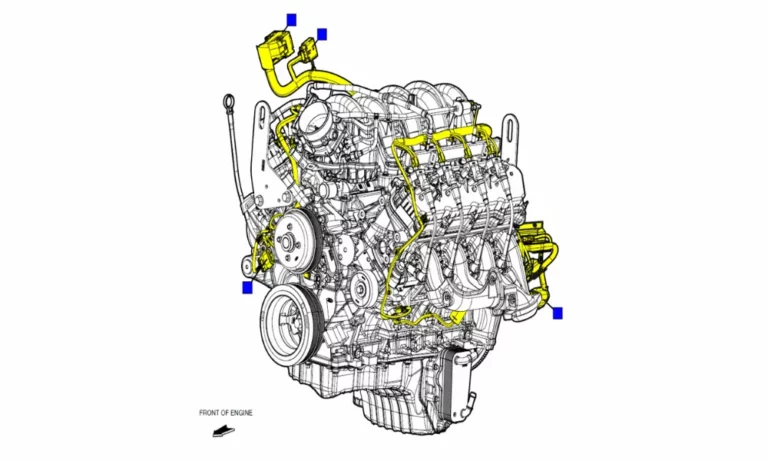
Here’s what you’re getting under the hood: a cast iron block paired with aluminum cylinder heads, traditional pushrod design, and dual equal variable camshaft timing. It’s not trying to reinvent the wheel—it’s just making a really good wheel that won’t break.
Ford 6.8 V8 Specs: The Numbers That Matter
Let’s talk raw performance. The 6.8L V8 cranks out 405 horsepower at 5,000 rpm and 445 lb-ft of torque at 4,000 rpm. Those aren’t earth-shattering numbers compared to diesel options, but they’re solid for a gas engine in this class.
| Specification | Value |
|---|---|
| Displacement | 6.8L (415 cubic inches) |
| Bore x Stroke | 4.22″ x 3.68″ |
| Compression Ratio | 10.8:1 |
| Horsepower | 405 hp @ 5,000 rpm |
| Torque | 445 lb-ft @ 4,000 rpm |
| Fuel Type | 87 octane regular gas |
| Oil Capacity | 8 quarts (SAE 5W-30) |
| Dry Weight | 824 lbs |
The compression ratio sits at 10.8:1, slightly higher than the 7.3L’s 10.5:1. This helps squeeze more efficiency from every drop of regular unleaded gas.
Engine Design: Why Ford Went Old-School
Ford could’ve built another overhead cam engine. Instead, they stuck with pushrod architecture. Why? Because simpler often means tougher.
The engine shares the same 4.22-inch bore as the 7.3L Godzilla but uses a shorter 3.68-inch stroke. This design choice creates an engine that revs a bit more freely while maintaining excellent low-end grunt for towing.
Key engineering features include:
- Deep-skirt cast iron block with cross-bolted main bearings
- 10 main bearings for extra durability
- Forged steel crankshaft built to handle punishment
- Piston cooling jets to prevent overheating under load
- Variable displacement oil pump for better fuel economy
- Port fuel injection for reliable performance
The firing order is 1-5-4-8-6-3-7-2, which helps balance vibrations across the V8 configuration.
Real-World Performance: What It’s Like to Drive
Numbers on paper don’t tell the whole story. The 6.8L V8 excels at delivering torque where you actually need it—between 2,000 and 4,500 rpm. That’s perfect for pulling trailers or hauling heavy loads.
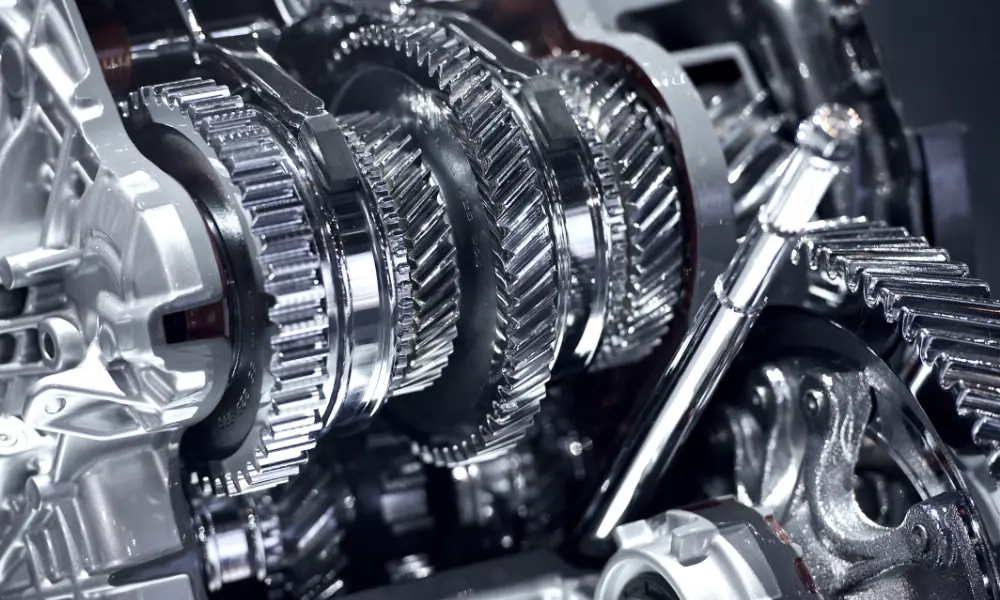
Ford pairs this engine exclusively with their TorqShift 10-speed automatic transmission, which does an excellent job finding the right gear. You get selectable drive modes including Normal, Tow/Haul, Eco, and Deep Sand/Snow.
Capability highlights:
- Towing capacity: 14,000 to 18,000 lbs depending on configuration
- Payload: Up to 8,000 lbs when properly equipped
- Fuel economy: Around 15-16 mpg highway unloaded
- Peak torque delivery optimized for working, not racing
The engine feels smooth and responsive during daily driving. It doesn’t have the diesel’s low-end shove, but it also doesn’t cost diesel money at the pump or during maintenance.
Where You’ll Find This Engine
The 6.8L V8 comes standard on multiple Ford Super Duty trucks starting with 2023 models. It’s the base engine across XL, XLT, and Lariat trim levels.
Current applications:
- Ford F-250 Super Duty (2023-present)
- Ford F-350 Super Duty (2023-present)
- Ford F-450 Super Duty (2023-present)
- Ford F-550 Super Duty (select configurations)
Starting with 2024 models, the engine supports flex-fuel operation for E85 ethanol blends. That’s handy if you live where E85 is cheaper and readily available.
You can spec it with either 2WD or 4WD drivetrains, giving you flexibility based on your needs.
6.8L vs 7.3L Godzilla: Which Should You Choose?
The elephant in the room: should you upgrade to the 7.3L Godzilla? It depends on what you’re doing.
| Feature | 6.8L V8 | 7.3L Godzilla |
|---|---|---|
| Horsepower | 405 hp | 430 hp |
| Torque | 445 lb-ft | 475 lb-ft |
| Fuel Economy | 15-16 mpg highway | 14-15 mpg highway |
| Standard On | XL, XLT, Lariat | Premium trims |
| Weight | Lighter | Heavier |
The 7.3L gives you 25 more horsepower and 30 additional lb-ft of torque. But the 6.8L returns about 1-2 mpg better fuel economy and comes standard on lower trim levels, saving you money upfront.
If you’re regularly maxing out towing capacity or need every last bit of power, the 7.3L makes sense. For most folks doing normal truck stuff—weekend warrior towing, occasional heavy hauling, daily driving—the 6.8L delivers plenty of capability while keeping more cash in your wallet.
The lighter weight of the 6.8L also reduces front axle loading, which can improve handling and tire wear over time.
Maintenance: Keeping Your 6.8L Running Strong
One advantage of pushrod design? Easier maintenance. The traditional layout gives you better access to valvetrain components compared to overhead cam engines.
Key maintenance specs:
- Oil changes: Follow Ford’s heavy-duty service schedule
- Spark plug gap: 1.3mm (0.051 inches)
- Ignition system: Individual coil-on-plug design
- Recommended oil: SAE 5W-30
Early reports from owners and mechanics suggest the 6.8L maintains Ford’s reputation for durability. The engine uses conservative tuning and robust internal components, prioritizing longevity over peak performance numbers.
The variable displacement oil pump adjusts pressure based on engine demands, reducing parasitic losses and improving fuel economy. It’s a small detail that makes a real-world difference.
Reliability: What Owners Are Saying
Since the engine launched in 2023 models, it’s still relatively new. However, early feedback from owners has been generally positive.
Common praise points:
- Smooth power delivery throughout the rev range
- Reliable starting in cold weather
- Good fuel economy for a heavy-duty gas engine
- Simple design means fewer potential failure points
The pushrod architecture shares DNA with proven Ford V8 designs that have accumulated millions of trouble-free miles. That’s reassuring if you’re planning to keep your truck long-term.
Ford built this engine for work truck duty, which means it’s engineered to handle consistent heavy use rather than occasional weekend adventures.
Technical Deep Dive: What’s Under the Surface
For the mechanically curious, here’s what makes the 6.8L V8 tick.
The dual equal variable camshaft timing system adjusts cam phasing on both intake and exhaust sides. This technology, borrowed from modern overhead cam engines, helps broaden the torque curve and improve fuel efficiency across different operating conditions.
The engine uses port fuel injection rather than direct injection. While direct injection offers some efficiency advantages, port fuel injection provides excellent reliability and simpler maintenance. You won’t deal with carbon buildup issues common in direct injection engines.
Piston cooling jets spray oil onto the underside of pistons during heavy loads. This extra cooling prevents detonation and extends engine life when you’re towing in hot conditions or climbing mountain passes.
The forged steel crankshaft is supported by 10 main bearings—more than many V8s use. This distributes forces more evenly, reducing wear and extending durability.
Fuel Economy: What to Expect at the Pump
Let’s be honest: you don’t buy a Super Duty expecting Prius-like fuel economy. But the 6.8L V8 is reasonably efficient for what it is.
Expect around 15-16 mpg on the highway when running empty. City driving typically falls in the 11-13 mpg range. Towing heavy drops those numbers considerably—7-10 mpg isn’t unusual when pulling near max capacity.
The ability to run on regular 87 octane gas saves money compared to engines requiring premium fuel. Over the life of ownership, that adds up significantly.
The flex-fuel capability in 2024+ models gives you options. If E85 is substantially cheaper in your area, you can save money despite the slight efficiency penalty ethanol brings.
Who Should Choose the 6.8L V8?
This engine makes sense for several buyer profiles:
Budget-conscious buyers who want reliable V8 power without paying premium trim prices. The 6.8L comes standard on lower trims, letting you spec other features instead.
Weekend towers who occasionally haul boats, campers, or trailers but don’t need maximum capacity. The 14,000-18,000 lb towing range covers most recreational needs.
Fleet buyers seeking simple, maintainable trucks for commercial use. The pushrod design means lower long-term service costs.
Gas engine loyalists who want to avoid diesel complexity and maintenance costs. Modern diesel emissions systems are complex and expensive to repair.
If you’re constantly maxing out capability or need absolute peak performance, step up to the 7.3L or consider a diesel. But most Super Duty buyers will find the 6.8L V8 provides all the power they actually use.
The Bottom Line on Ford 6.8 V8 Specs
The Ford 6.8 V8 specs reveal an engine that’s smarter than it first appears. It’s not chasing horsepower bragging rights or trying to beat diesels at their own game. Instead, it’s a thoughtfully engineered workhorse that delivers reliable power, decent efficiency, and proven durability.
At 405 horsepower and 445 lb-ft of torque, it’s got plenty of muscle for real-world truck tasks. The traditional pushrod design keeps maintenance straightforward and costs down. Paired with Ford’s 10-speed transmission, it delivers smooth performance whether you’re commuting empty or towing heavy.
Is it the most exciting engine option? No. But it’s often the smartest choice for buyers who want dependable capability without the premium price tag or diesel complexity. Sometimes the best tool isn’t the flashiest one—it’s the one that does the job reliably, day after day.