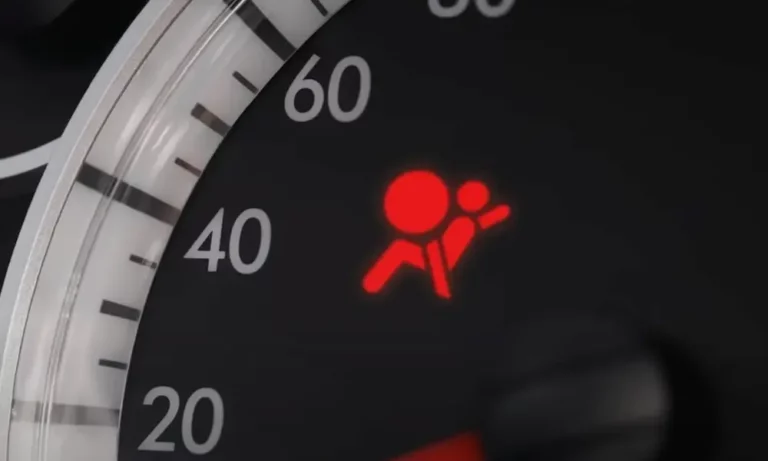
Is your Ford’s airbag light suddenly glowing on your dashboard? Don’t panic, but don’t ignore it either. That little warning light is trying to tell you something important about your vehicle’s safety system.
When the airbag light stays on in your Ford, it indicates a potential problem with the Supplemental Restraint System (SRS) that needs attention. Let’s dive into what causes this issue, how to diagnose it, and what you can do to get it fixed properly.
What Does the Ford Airbag Light Mean?
The airbag light in your Ford is part of your vehicle’s onboard diagnostic system. During normal operation, this light should briefly illuminate when you start your car and then turn off within a few seconds. If it stays on or begins flashing while driving, your car is telling you there’s a malfunction within the airbag system.
The warning typically appears as:
- A side view of a person with a seat belt and a circle (representing an airbag)
- The letters “SRS” (Supplemental Restraint System)
- Simply “AIRBAG” in text
While you can technically drive with this light on, it’s not safe. The airbag system might not function correctly in a crash, which puts you and your passengers at risk.
Common Causes of Ford Airbag Light Issues
1. Faulty Seat Sensors
One of the most common culprits in Ford vehicles is problematic seat occupancy sensors. These sensors detect if someone is sitting in the passenger seat and estimate their weight to determine if the airbag should deploy during a collision.
When these sensors fail or lose communication with the airbag control module, your warning light turns on. This is especially common in:
- F-150s
- Ford Fusions
- Ford Escapes
- Ford Explorers
2. Clock Spring Failure
A damaged clock spring in the steering wheel is another frequent cause of airbag light issues in Fords. The clock spring is a spiral-wound electrical connection that maintains contact with the driver’s airbag while allowing the steering wheel to rotate.
When this component wears out or becomes damaged, it creates poor electrical connections and triggers the warning light. Ford has even issued recalls for clock spring issues on certain models, particularly 2013-2017 F-Series Super Duty trucks.
Signs of a bad clock spring include:
- Airbag light on
- Non-functioning steering wheel controls
- Intermittent horn operation
- Clicking noises when turning the wheel
3. Loose or Corroded Connections
The connections under your Ford’s seats, especially where the airbag system connects to sensors, can become loose or corroded. This problem is more common in areas with:
- High humidity
- Road salt exposure
- Frequent water puddles or flooding
Inspect the connections under both driver and passenger seats for proper seating and corrosion.
4. Low Battery Voltage
A recently drained or replaced car battery can sometimes trigger the airbag light. The SRS system has a backup power supply that may become depleted, causing the warning to appear.
This issue often resolves once the main battery is fully charged, but may require a system reset to clear the warning light.
5. Crash Sensors Problems
Impact sensors that detect collisions can malfunction or become damaged. Interestingly, even minor accidents that don’t deploy the airbags can trigger these sensors, resulting in the warning light.
6. Water Damage
If your Ford has experienced flooding or significant water damage, the airbag control module (typically located under the seats) can become corroded or shorted out. This prevents proper system operation and triggers the warning light.
Diagnostic Trouble Codes for Ford Airbag Issues
Ford airbag systems use specific diagnostic trouble codes (DTCs) to identify problems. These codes can only be read with a scanner capable of accessing the SRS system. Common codes include:
| Code | Description |
|---|---|
| B0001 | Driver’s airbag circuit fault (high resistance/open circuit) |
| B0078-B0080 | Seat belt pretensioner issues |
| B1193/B1231 | Crash data stored in the control module |
| U0154 | Lost communication with occupant classification sensor |
| Codes 32-35 | Driver and passenger airbag circuit problems |
| Code 51 | Internal thermal fuse blown due to short to ground |
How to Diagnose a Ford Airbag Light
Using an OBD-II Scanner
A proper diagnosis requires an OBD-II scanner that can access airbag system codes. Not all scanners have this capability – you’ll need either:
- An enhanced diagnostic tool
- Ford-specific software like FORScan
- A professional-grade scan tool
Professional diagnosis typically costs $50-$150 and is the safest approach given the sensitivity of airbag systems.
Basic Troubleshooting Steps
Before heading to a mechanic, you can try these simple steps:
- Restart your vehicle: Sometimes a temporary electrical glitch causes the light to illuminate, and a restart might fix it.
- Check seat connections: Inspect the wiring harnesses under both front seats. Look for:
- Disconnected plugs
- Damaged wires
- Corrosion on connectors
- Clear the passenger seat: Remove objects from the passenger seat that might confuse the occupancy sensor. Heavy packages or electronics can sometimes trick the system.
- Inspect seatbelt connections: Make sure all seatbelt connectors are properly fastened, as some Ford models have seatbelt sensors connected to the airbag system.
Resetting Your Ford Airbag Light
After fixing the underlying problem, the airbag system usually needs professional resetting using specialized equipment. This process:
- Clears stored fault codes
- Recalibrates the system
- Turns off the warning light
While some suggest disconnecting the battery for 15 minutes to reset the system, this method only works in limited cases and isn’t recommended by Ford. The proper reset procedure requires dealership equipment or a high-end scan tool.
Ford Airbag System Repair Costs
Repair costs vary significantly depending on the specific issue:
| Repair | Estimated Cost |
|---|---|
| Diagnostic scan | $50-$150 |
| Clock spring replacement | $211-$246 (parts and labor) |
| Seat sensor replacement | $200-$600 |
| Airbag control module reset | $50-$150 |
| Control module replacement | $805-$866 |
| Complete airbag replacement | $1,500-$6,000 per airbag |
Model-Specific Ford Airbag Light Issues
Different Ford models can experience unique airbag light problems:
Ford F-150 Series
F-150s commonly experience issues with:
- Passenger occupancy sensor failures
- Clock spring problems
- Wiring harness issues under the seats
The F-150 airbag control module is located under the center console and can be damaged by water or physical impact.
Ford Fusion
Fusion models often experience:
- Seat track position sensor failures
- Passenger detection sensor issues
- Communication errors between sensors and the control module
Many Fusion owners report that the airbag light comes on after someone sits in the passenger seat, indicating occupancy sensor issues.
Ford Explorer
Common Explorer airbag light issues include:
- Side curtain airbag sensor faults
- Seat belt pretensioner problems
- Water damage to control modules
Ford Escape
Escape owners frequently report:
- Passenger presence sensor failures
- Wiring harness damage under seats
- Clock spring deterioration
Safety Recommendations
Never ignore an airbag warning light in your Ford. The system is designed to protect you and your passengers during a crash, and a malfunctioning system could mean the difference between minor injuries and severe trauma.
While checking connections is relatively safe, most airbag repairs should be left to certified professionals due to:
- System complexity
- Risk of accidental deployment
- Legal liability concerns
- Specialized tools required
Ford explicitly recommends having any airbag system issues diagnosed and repaired as soon as possible. The airbag system involves high-voltage components and explosive charges that require special handling and safety procedures.
What To Do If Your Ford Airbag Light Is On
- Don’t panic, but don’t ignore it: The light indicates a problem, but it doesn’t mean immediate danger.
- Try basic troubleshooting: Check for obvious issues like loose connections under seats.
- Get a proper diagnosis: Visit a Ford dealer or qualified mechanic with the right diagnostic equipment.
- Address the issue promptly: Don’t delay repairs, as doing so jeopardizes your safety system.
- After repairs, verify the fix: Make sure the light turns off and stays off after the repair.
- Check your VIN for recalls: Some Ford models have had recalls for airbag issues, so check the NHTSA website to see if your vehicle is affected.
A functioning airbag system is crucial for your safety on the road. While the diagnostic and repair process might seem expensive or inconvenient, the protection these systems provide during an accident is invaluable. Don’t take chances with your safety—address that airbag light as soon as it appears.