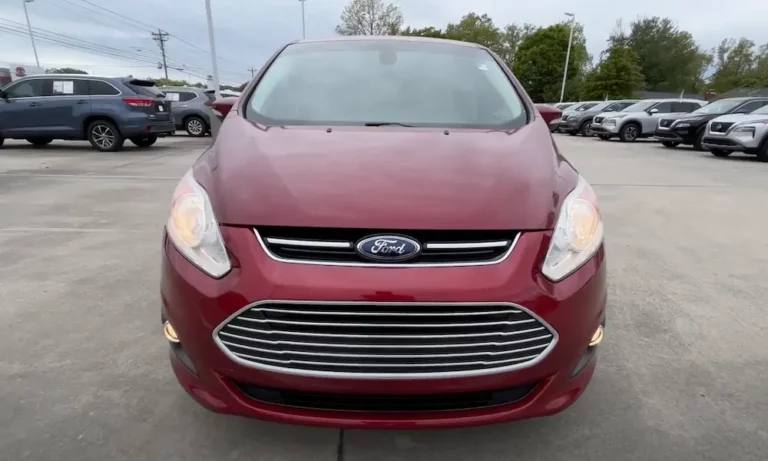
Thinking about a Ford C-Max Hybrid? While this fuel-efficient vehicle offers impressive economy and versatility, it’s not without its share of headaches. These common issues could affect your ownership experience and wallet. Let’s dive into the problems you might face with this otherwise practical hybrid vehicle and how you can prepare for them.
Transmission Troubles: The Biggest Concern
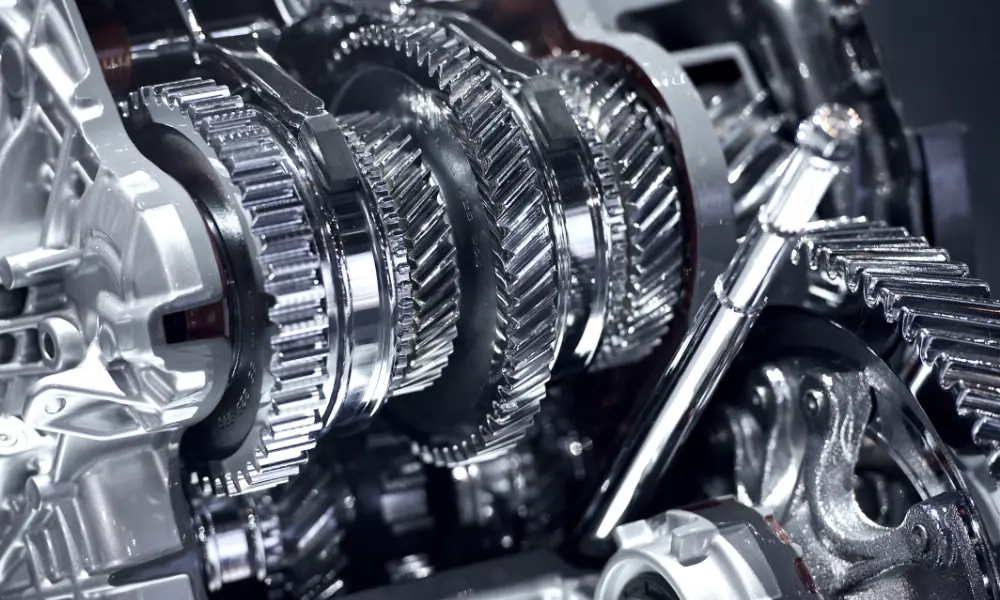
The HF35 continuously variable transmission (CVT) in 2013-2015 C-Max Hybrids is notorious for premature failure. This isn’t a minor issue—it’s potentially a budget-busting repair waiting to happen.
You’ll likely first notice grinding or whining noises during acceleration, often followed by that dreaded check-engine light. The culprit? A failing transfer-shaft bearing that can eventually lead to complete loss of drive.
Ford addressed this through Service Bulletin TSB 14B07, which covers warranty repairs when the bearing fails. But if you’re out of warranty, brace yourself for a significant hit: repair costs range from $3,000 to $7,200, depending on damage severity.
Long-term data paints an even grimmer picture—roughly 75% of these transmissions fail by 90,000-116,000 miles, with the average rebuild costing around $4,000.
| Model Year | Typical Failure Mileage | Average Repair Cost |
|---|---|---|
| 2013-2014 | 60,000-80,000 miles | $3,000-$7,000 |
| 2015 | 60,000-90,000 miles | Similar costs |
| 2016-2017 | 59,000-68,000 miles | $3,500-$5,000 |
Electrical Issues That Leave You Stranded
Beyond the high-voltage hybrid system, the 12-volt auxiliary battery and associated electronics are frequent failure points in the C-Max.
Battery drain problems are particularly common. The 2013 model alone generated 42 complaints about dead batteries, with drivers frequently finding themselves stranded with no warning. These issues have continued in later model years as well.
The infotainment system and APIM (Accessory Protocol Interface Module) frequently malfunction, causing:
- Blank or resetting screens
- Dropped Bluetooth connections
- Inoperable cruise control
Replacing the APIM module costs more than $1,500 if you’re outside warranty coverage.
Perhaps most concerning is the Electronic Power Assist Steering (EPAS) failure, reported 15 times on 2013 models alone. This causes sudden loss of steering assist—a potentially dangerous situation when driving.
Brake System Failures Impact Safety and Economy
The C-Max Hybrid’s braking system presents multiple problems that affect both safety and fuel efficiency.
Brake booster pump failures are particularly problematic because they disable the regenerative braking system—a crucial component for hybrid efficiency. When this happens, the vehicle is forced into constant gas-engine mode, slashing fuel economy from around 40 mpg to just 20 mpg.
The repair isn’t cheap either, costing approximately $1,000 at dealerships. Many independent shops decline to work on hybrid systems, limiting your repair options.
Owners also report:
- Premature rotor and pad wear
- Brake pulsation and vibration
- Squeaking brakes
- Complete parking brake failures on some 2017 models
Cooling System Deficiencies
The C-Max has thermal management issues that become particularly problematic in hot climates.
A major design flaw is the lack of an engine temperature gauge, which prevents drivers from noticing overheating until damage occurs. Highway driving in high temperatures can lead to transmission damage requiring over $1,500 in repairs for fluid replacement, filters, and cooling system work.
Coolant pump leaks are another common issue in the Mk2 C-Max (2011-2019) and many hybrid variants. These leaks cause localized overheating that can progress to serious (and expensive) head gasket problems if not addressed promptly.
Critical Recalls You Should Know About
Several safety recalls have been issued for the C-Max Hybrid:
The shift-cable bushing recall (22S43) affects 2013-2018 models. This defect can cause the shifter cable bushing to degrade, potentially allowing the transmission to be in a different gear than what’s shown on the shifter. Ford dealers will add a protective cap and replace the bushing free of charge.
The 2016 models faced recalls for improperly welded left-hand floor pans, which required dealer inspection and repair.
If you own a C-Max, verify these recalls have been addressed on your vehicle for safety and proper operation.
Additional Problems Worth Noting
Tire and wheel fasteners present unexpected headaches for many owners. The 2017 models in particular suffer from premature front tire sidewall failures and swelling lug nuts that require replacement.
Exterior trim and weather seals deteriorate over time, with loose door frame seals causing excessive wind noise and lower body moldings peeling away on high-mileage vehicles.
Base models lack features many drivers now consider essential, including backup cameras and smartphone integration (Apple CarPlay/Android Auto) unless upgraded at purchase.
What to Do Before Buying a Used C-Max Hybrid
If you’re considering a used C-Max despite these issues, take these critical steps:
- Check the vehicle history to confirm TSB 14B07 service and recall 22S43 have been performed.
- Consider an extended warranty that covers powertrain or hybrid components beyond 80,000 miles (when most expensive failures occur).
- Get a pre-purchase inspection from a technician experienced with hybrid systems. They should test specifically for transmission noises, 12V battery health, and EPAS function.
- Inspect the cooling system thoroughly, checking coolant pump service records and ensuring radiator hoses and fans operate correctly.
- Test drive the vehicle with specific attention to any transmission noises, brake performance, and electronics functionality.
Armed with knowledge of these common failure points, you can better evaluate whether a Ford C-Max Hybrid is right for you, or negotiate a better price that accounts for likely future repairs.
Remember that while these problems are common, not every C-Max will experience them all. Proper maintenance and addressing issues early can help extend the life of most components.