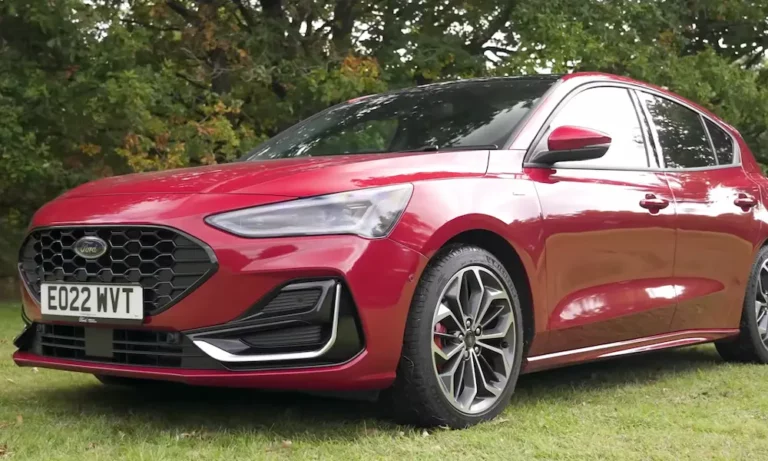
Thinking about buying a Ford Focus Hybrid or already own one? While these fuel-efficient vehicles offer excellent economy, they aren’t without their share of headaches. From electrical gremlins to transmission woes, certain issues pop up regularly in both the self-charging hybrid and mild-hybrid variants. Let’s dive into the most common Ford Focus hybrid problems and what you can do about them.
48V Hybrid System Electrical Faults
The heart of any hybrid vehicle is its electrical system, and the Ford Focus hybrid is no exception. The 48V system in both self-charging (HEV) and mild-hybrid (MHEV) models can develop several frustrating issues:
Battery Cable Problems
One serious issue affects 2023 HEV models built between May 24-26, 2023. Loose 48V battery cables may detach, creating a dangerous situation where components can overheat, arc, or even catch fire.
What to watch for:
- Warning lights on your dashboard
- Unusual smell of overheating components
- Loss of hybrid functionality
Ford issued recall 23S34 to address this problem, requiring technicians to inspect and properly torque the cable connections. If you own a 2023 model, check with your dealer to confirm this recall work has been completed.
Terminal Nut Issues in MHEV Models
The 2020 MHEV models built between June 25 and November 30, 2020, have their own electrical headache – under-torqued battery terminal nuts that can lead to electrical faults, localized overheating, or melting components.
This problem typically manifests as:
- Loss of hybrid assist functionality
- Local overheating around battery connections
- Warning lights on the dashboard
Ford addressed this through recall 21S01, which involves tightening the terminal nut to specification and inspecting surrounding components for damage.
The “Deep Sleep” Battery Drain Problem
Perhaps the most aggravating everyday issue for Focus MHEV owners is the notorious “deep sleep” battery drain. Many owners report that after just a few days of sitting unused, their car enters a state where the 12V battery drains so severely that the vehicle won’t unlock or start via key fob.
The original equipment manufacturer (OEM) battery (often Rombat) discharges to around 12.06V at rest, compared to a healthy 12.55V in properly functioning units.
To combat this problem, owners have found success with:
- Using a trickle-charge maintenance charger when the car will be parked for more than two days
- Upgrading to a higher-capacity AGM battery from manufacturers like Varta or Yuasa
- Selecting the largest battery tray size the car can accommodate
PowerShift Dual-Clutch Transmission Problems
The Ford Focus “PowerShift” dry-clutch transmission has developed a reputation for trouble, with many hybrid owners experiencing:
- Jerking sensation when shifting from second to third gear
- Noticeable “shudder” when starting from a stop
- Generally rough or unpredictable shifting behavior
According to reliability data, the average repair cost for these transmission issues hovers around $429, typically requiring either a software update or complete clutch pack replacement.
The good news is that Ford has extended warranty coverage for many of these transmission components in response to widespread complaints. If you experience these symptoms, document them thoroughly and contact your Ford dealer.
Battery Management and Software Glitches
Beyond hardware issues, the Ford Focus hybrid models can suffer from software gremlins that affect battery management and overall performance.
Common software-related problems include:
- Warning lights for the charging system appearing intermittently
- Hybrid system fault messages
- EV mode becoming temporarily unavailable
- Improper battery charging or state-of-charge reporting
These issues usually require dealer intervention to apply software updates that recalibrate state-of-charge thresholds and improve electrical contactor control. While frustrating, these updates generally resolve the problems once properly applied.
Powertrain Control Module Failures
Some Focus hybrid owners experience more severe electrical issues related to the Transmission Control Module (TCM), resulting in:
- The car becoming stuck in “limp-home” mode with limited functionality
- Persistent check-engine lights that don’t clear with standard diagnostics
- Complete loss of certain transmission functions
These problems can be particularly frustrating due to long diagnostic delays and back-orders for replacement modules. If your vehicle is still within the recall period, Ford should replace the TCM under extended warranty coverage.
Infotainment and Minor Electrical Complaints
While less critical than powertrain issues, many Ford Focus hybrid owners report frustrating problems with the vehicle’s technology systems:
SYNC Module Corruption
The SYNC infotainment system can occasionally become corrupted, leading to:
- Unresponsive touchscreens
- Audio system glitches
- Navigation errors
The typical fix involves either disconnecting and reconnecting the 12V battery to force a reset, or in more severe cases, module replacement by a dealer.
Steering Assist Module Issues
Some model years have experienced problems with the power steering assist module, resulting in:
- Inconsistent steering feel
- Warning messages about steering assist
- In rare cases, complete loss of power steering
Ford has issued recalls for affected vehicles, with dealers replacing or reprogramming the steering module software as needed. You can check if your vehicle requires this work by contacting your dealer with your VIN or checking Ford’s recall verification site.
How to Keep Your Ford Focus Hybrid Running Smoothly
Despite these common problems, many Focus hybrid owners enjoy reliable service from their vehicles when properly maintained. Here are key steps to keep your hybrid running well:
1. Verify Recall Compliance
Ensure all applicable hybrid battery and transmission recalls (particularly codes 21S01, 23S34, and others relevant to your model year) have been addressed by an authorized Ford dealer. Don’t assume previous owners have completed all recall work.
| Model Year | Key Recalls to Check |
|---|---|
| 2020 MHEV | 21S01 (Battery terminal nut) |
| 2023 HEV | 23S34 (48V battery cable) |
| All years | Check Ford’s recall site with your VIN |
2. Prioritize Battery Health
To prevent the common battery drain issues:
- Consider proactively upgrading to a higher-capacity AGM 12V battery
- Install a trickle charger for periods when the vehicle will sit unused for more than a day or two
- Have battery connections checked and cleaned during regular service intervals
3. Pay Attention to Transmission Care
If you own a model with the dual-clutch transmission:
- Ensure all software updates are current
- Address any jerking or shuddering symptoms early, before they worsen
- Consider having the transmission fluid checked more frequently than the recommended intervals
4. Stay Current with Software Updates
Given the frequency of software-related issues:
- Ask your dealer to check for available updates during each service
- Don’t ignore seemingly minor electrical anomalies, as they may indicate the need for a software patch
- Keep records of all software updates applied to your vehicle
The Hybrid Battery Connection Issue Table
For those experiencing electrical problems, this troubleshooting guide may help identify common connection points that fail:
| Connection Point | Common Symptoms | DIY Check |
|---|---|---|
| 48V Battery Terminals | Warning lights, hybrid system unavailable | Visual inspection for corrosion or loose nuts |
| 12V Battery Connections | Car won’t start after sitting, “deep sleep” | Check terminal tightness and cleanliness |
| Hybrid Control Module Connections | Intermittent hybrid function | Look for connector corrosion (dealer diagnosis usually required) |
| Ground Points | Multiple electrical gremlins | Check for tight, clean ground connections |
The Reality of Ford Focus Hybrid Ownership
While this article highlights problems you might encounter, many Focus hybrid owners enjoy trouble-free driving. The key is awareness and proactive maintenance.
With proper care—particularly attention to battery connections and staying current with software updates—the Focus hybrid can deliver years of efficient, economical transportation. Just be prepared to address the common issues we’ve covered, especially if purchasing a used model with unknown service history.
When considering a pre-owned Focus hybrid, a thorough pre-purchase inspection by a technician familiar with these models is invaluable. Have them specifically check for the electrical and transmission issues we’ve discussed, potentially saving you significant headaches down the road.