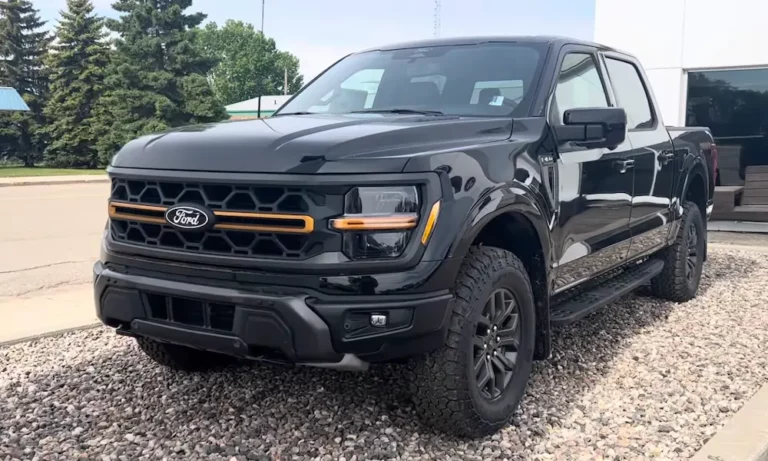
Have you noticed an unusual humming sound coming from your Ford F150 while cruising down the highway? That mysterious noise might be more than just an annoyance—it could signal a developing problem that needs attention. I’ll walk you through the most common causes of that persistent humming noise and show you how to get your truck back to its quiet, smooth-riding self.
Wheel Bearing Failure: The #1 Culprit
When your F150 starts humming, wheel bearings are often to blame. These crucial components support your truck’s weight while allowing the wheels to spin freely. When they wear out, they make their presence known.
Wheel bearing issues affect about 60% of F150 owners reporting humming noises, making them the most common culprit. The 2015-2020 F150 generation seems particularly prone to front hub assembly failures around the 45,000-50,000 mile mark.
How to spot wheel bearing problems:
- The humming gets louder as you drive faster (typically noticeable around 40-50 mph)
- The noise changes when turning—usually getting louder when turning toward the affected side
- The sound becomes more pronounced at highway speeds
- You might feel slight vibration through the steering wheel
If you suspect wheel bearings, try this simple test: while driving at a moderate speed, gently turn left and then right. If the noise gets louder during one of these turns, you’ve likely found your problem side. The bearing opposite to your turn direction (the one bearing more weight) is probably failing.
The fix typically costs $200-$400 per side including parts and labor, with MOOG hub assemblies being a popular replacement option at about $105 each if you’re doing the work yourself.
IWE System Problems: The 4WD F150 Special
If you own a 4WD F150, your humming noise might be coming from the IWE (Integrated Wheel End) system. This clever setup automatically engages and disengages your front hubs when switching between 2WD and 4WD, but it’s prone to several failure points.
The IWE system uses vacuum pressure to function properly, and when components fail, your truck will let you know with some distinctive sounds. Many owners describe it as a “whomp, whomp” noise that syncs with tire rotation.
Here’s how to tell if your IWE system is the problem:
- You hear grinding or humming primarily in 2WD mode
- The noise often disappears when you switch to 4WD
- It’s most noticeable during acceleration and at lower speeds (15-30 mph)
- The sound seems to come from the front end
The IWE system can fail in several ways:
- Vacuum leaks in the lines or connections
- A faulty IWE solenoid (part #7L1Z-9H465-B)
- Bad check valve causing vacuum loss
- Worn IWE actuators at the hubs themselves
The good news? Some IWE fixes are surprisingly easy and affordable. The solenoid and check valve typically cost $50-$100 and can be replaced in under 5 minutes without special tools. The vacuum lines are also inexpensive, though accessing them can be more involved.
For a quick diagnostic test, try switching between 2WD and 4WD while driving. If the noise changes or disappears in 4WD mode, you’ve likely found your culprit in the IWE system.
Differential and Drivetrain Issues: The Power Transmitters
Your F150’s differentials allow the wheels to rotate at different speeds while turning. When they develop problems, they often announce it with a distinctive humming.
Rear Differential Problems
The rear differential, particularly in trucks with the 9.75″ rear axle, can develop pinion bearing failures that create humming or whining noises. Signs include:
- Humming or whining that increases with speed
- Noise present during both acceleration and coasting
- Metal shavings visible if you check the differential fluid
Rear differential issues typically cost $800-$1,500 to rebuild, making this one of the more expensive fixes on our list.
Front Differential Issues
For 4WD models, the front differential can also cause humming sounds. Some owners report needing front differential rebuilds around 50,000-60,000 miles. The symptoms mirror those of rear differential problems but are located at the front of the vehicle.
Tire-Related Humming: The Simple Fix
Before diving into expensive repairs, don’t overlook the obvious—your tires might be the source of that humming noise.
Uneven tire wear, especially a condition called “cupping,” can create a humming sound that changes with speed. This is often caused by:
- Improper alignment
- Worn suspension components
- Lack of regular tire rotation
- Incorrect tire pressure
Tire noise typically:
- Correlates directly with vehicle speed
- Sounds more pronounced with windows down
- Changes when driving on different road surfaces
The fix might be as simple as rotating your tires or as involved as replacing them if the wear is severe. A good alignment might also solve the problem and prevent it from returning.
Transmission Problems: Feeling the Rumble
The transmission in your F150—especially the 6R80 automatic—can sometimes develop a torque converter shudder that creates a rumbling or humming sound. This typically occurs:
- Under light acceleration in higher gears
- Between 40-60 mph
- Often feeling like you’re driving over rumble strips
A transmission issue requires professional diagnosis, as the fix could range from a simple fluid exchange to a more complex repair. Costs vary widely from $200 for a fluid service to over $2,000 for major repairs.
U-Joint Failure: The Connection Points
Universal joints (U-joints) connect your transmission to the differential through the driveshaft. When they wear out, they can create humming noises along with:
- Clunking sounds when shifting between drive and reverse
- Squeaking at low speeds (under 10 mph)
- Vibrations you can feel throughout the truck
U-joint replacement typically costs between $200-$450 and is considered regular maintenance on trucks, especially those used for towing or hauling.
How to Diagnose Your F150’s Humming Noise
Finding the exact source of a humming noise can be tricky, but these steps will help you narrow it down:
Step 1: Listen Carefully and Note Patterns
Pay close attention to exactly when the noise occurs:
- Does it change with speed?
- Is it affected by acceleration or coasting?
- Does turning make it better or worse?
- Does it happen in all drive modes?
Step 2: Perform Basic Visual Inspections
Even without mechanical expertise, you can check:
- Tire wear patterns (look for scalloping or uneven wear)
- Visible leaks around differentials or transmission
- Damaged vacuum lines (for IWE issues)
- Loose heat shields or exhaust components
Step 3: Try These Specific Tests
For wheel bearings:
- Jack up the vehicle and check for wheel play by grabbing at 12 and 6 o’clock positions
- Spin the wheel by hand and listen for grinding or rough spots
For IWE issues:
- Test the difference between 2WD and 4WD modes
- Inspect vacuum lines for cracks
- Check if the IWE solenoid is receiving power
For differential problems:
- Check the fluid for metal particles or a burnt smell
- Listen for noise changes during turns versus straight driving
Repair Costs Breakdown
Here’s what you can expect to pay for the most common F150 humming noise repairs:
| Issue | DIY Cost | Professional Repair Cost | Repair Difficulty |
|---|---|---|---|
| Wheel Bearings | $100-200 per side | $200-400 per side | Moderate |
| IWE Solenoid/Check Valve | $50-100 | $200-300 | Easy |
| IWE Hub Actuators | $120-200 per side | $300-500 per side | Moderate |
| Differential Rebuild | Not recommended | $800-1,500 | Difficult |
| U-Joint Replacement | $50-100 | $200-450 | Moderate |
| Tire Replacement | N/A | $600-1,200 (set of 4) | N/A |
Prevention Tips for F150 Owners
Keep your Ford F150 humming-free with these preventative measures:
-
Regular Fluid Checks: Differential and transmission fluids should be changed according to Ford’s maintenance schedule or more frequently if you tow.
-
Tire Rotation: Every 5,000-7,000 miles to ensure even wear.
-
IWE System Maintenance: For 4WD models, occasionally driving in 4WD mode helps keep components lubricated and functioning.
-
Listen for Early Warning Signs: Address unusual noises when they first appear before they develop into major problems.
-
Wheel Bearing Inspections: Have your wheel bearings checked during routine brake service, especially as your F150 approaches 50,000 miles.
The Bottom Line on F150 Humming Noises
That humming noise in your Ford F150 is your truck’s way of telling you something needs attention. By understanding the most likely causes—wheel bearings, IWE system issues, differential problems, tire wear, or drivetrain components—you can make an informed decision about repairs.
The key is identifying the specific conditions when the noise occurs, as this will help pinpoint whether the issue is related to wheel bearings, the IWE system, drivetrain components, or other causes. Don’t ignore these sounds, as continued driving can lead to more expensive repairs down the road.
With the right diagnosis and timely repair, you’ll have your F150 back to its quiet, smooth-running self in no time. And that’s music to any truck owner’s ears.