Looking for a GM engine without Active Fuel Management (AFM)? You’re not alone. Since 2005, GM has been installing cylinder deactivation technology in many of their engines, but plenty of options remain for those who prefer traditional, full-time V8 power. I’ll show you exactly which engines skip the AFM/DFM systems and why that might matter for your next vehicle or engine swap.
What is AFM and Why Avoid It?
Active Fuel Management (AFM), also called Dynamic Fuel Management (DFM) in newer models, is GM’s cylinder deactivation technology that shuts down cylinders during light load conditions to improve fuel economy. While the technology has improved over time, many enthusiasts and high-mileage drivers prefer engines without these systems due to potential reliability concerns, including:
- Lifter failures
- Excessive oil consumption
- Rough idle transitions
- Premature camshaft wear
Let’s explore which GM engines come without this technology.
Heavy-Duty Gasoline Engines Without AFM
L8T 6.6L V8 (2020-Present)
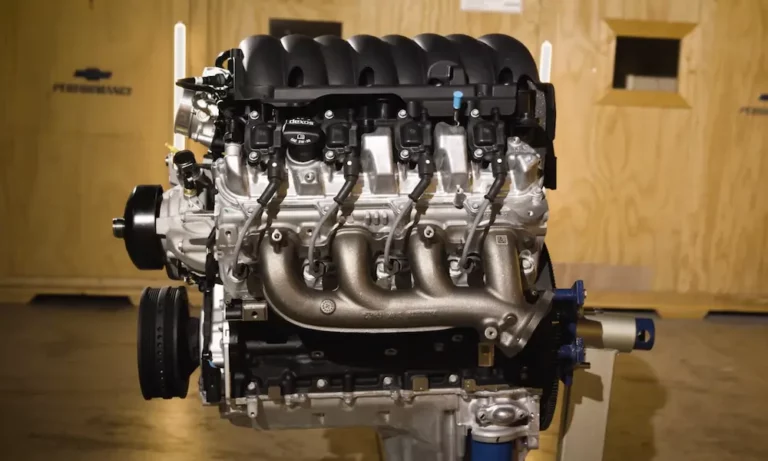
The L8T 6.6L V8 is GM’s newest heavy-duty gasoline engine, and it intentionally excludes both AFM and DFM technologies. This workhorse produces 401 horsepower and 464 lb-ft of torque while running on regular 87-octane fuel.
Key specs and features:
- Cast-iron block for maximum durability
- Direct injection for improved efficiency
- Six-bolt main bearing caps
- Forged steel crankshaft
- Found in Silverado/Sierra 2500HD and 3500HD trucks
GM specifically designed the L8T without cylinder deactivation because heavy-duty truck customers prioritize longevity over slight fuel economy improvements. This engine is built to handle demanding work applications while potentially lasting 300,000+ miles.
L96 and LY6 6.0L V8 Engines
The older 6.0L truck engines also deserve attention:
- L96 (2010-2017): This non-AFM workhorse offers flex-fuel capability and a robust cast-iron block
- LY6 (2007-2009): Features Variable Valve Timing but no AFM, making it particularly desirable for performance builds
Both engines use rectangular-port cylinder heads similar to the LS3 and have become popular choices for engine swaps due to their strength and simplicity compared to AFM-equipped alternatives.
Diesel Engines: Naturally AFM-Free
All GM diesel engines operate without cylinder deactivation technology. Notable options include:
LM2 3.0L Duramax (2020-2022)
This inline-six diesel delivers impressive fuel economy without relying on cylinder deactivation:
- 277 horsepower and 460 lb-ft of torque
- 30+ MPG highway capability
- Aluminum construction saves approximately 25% weight
- Available in half-ton trucks and SUVs
Other Diesel Options Without AFM
- LZ0 3.0L Duramax (2023-present): The updated version of the 3.0L inline-six
- L5P 6.6L Duramax (2017-present): The heavy-duty diesel option with massive torque
Diesel engines achieve their efficiency through inherent combustion characteristics and turbocharging rather than cylinder deactivation.
Performance Engines: Power Without Compromise
GM’s performance engines typically avoid AFM technology to maximize power delivery and driving enjoyment.
Naturally Aspirated Performance V8s
LS3 6.2L V8 (2008-2013 in Corvette, 2010-2015 in Camaro SS with manual transmission)
- 430 horsepower and 424 lb-ft of torque
- No AFM technology in manual transmission applications
- Note: The L99 variant (used with automatic transmissions) does include AFM
LS7 7.0L V8 (2006-2015)
- 505 horsepower naturally aspirated
- Unique dry-sump oiling system
- Titanium connecting rods
- Used in Corvette Z06
- No cylinder deactivation systems
Supercharged Performance V8s
GM’s supercharged engines also skip AFM technology:
- LSA 6.2L supercharged V8 (2009-2015): 556-640 horsepower in Camaro ZL1 and CTS-V
- LS9 6.2L supercharged V8 (2009-2013): 638 horsepower in C6 Corvette ZR1
- LT5 6.2L supercharged V8 (2019): 755 horsepower in C7 Corvette ZR1 – the only Gen V engine without AFM hardware
Gen III LS Engines: The AFM-Free Foundation
All Generation III LS engines produced before 2005 operate without AFM, as the technology wasn’t introduced until that model year. These engines remain highly popular for swaps and builds due to their simplicity and reliability.
| Engine | Displacement | Years | Applications | Key Features |
|---|---|---|---|---|
| LS1 | 5.7L | 1997-2004 | Corvette, Camaro, GTO | Original LS engine, all-aluminum |
| LS6 | 5.7L | 2001-2004 | Corvette Z06, CTS-V | High-performance, 385-405 hp |
| LM7 | 5.3L | 1999-2007 | Trucks, SUVs | Iron block, aluminum heads |
| LR4 | 4.8L | 1999-2007 | Trucks, vans | Smallest LS displacement |
| LQ4/LQ9 | 6.0L | 2001-2007 | Trucks, SUVs | High-output truck engines |
These engines use simpler valvetrain designs without special AFM lifters or the Lifter Oil Manifold Assembly (LOMA) required for cylinder deactivation.
Special Cases and Exceptions
COVID-Era Engines Without AFM Software
During 2021-2022, semiconductor shortages forced GM to build some L83 5.3L V8 engines without the necessary chips to operate DFM. These engines contain all the DFM hardware but lack the software to activate the system, effectively making them non-DFM engines. Owners received a $50 credit on their window sticker for the missing technology.
V6 Engine Considerations
Most modern GM V6 engines include some form of cylinder deactivation:
- LGX 3.6L V6 (2016-present): Includes AFM that can deactivate two cylinders
- LFX 3.6L V6 (2012-2016): Doesn’t include AFM, making it preferred by some enthusiasts
How to Identify AFM vs Non-AFM Engines
Several methods can help identify whether a GM engine has AFM:
Valley Cover Inspection: AFM engines use a ribbed Lifter Oil Manifold Assembly (LOMA) with solenoids and electrical connectors, while non-AFM engines have smooth valley covers.
Engine Block Features: All Gen IV blocks have AFM towers cast in, but they’re only functional on AFM-equipped engines.
Owner’s Manual and Window Sticker: AFM-equipped vehicles typically mention the technology in documentation.
VIN Code Analysis: The eighth digit of the VIN indicates engine type and can help determine AFM status.
Reliability Advantages of Non-AFM Engines
Engines without AFM avoid several well-documented issues:
- Lifter failures are virtually eliminated
- Oil consumption remains consistent
- No rough idle transitions when cylinders activate/deactivate
- Reduced risk of premature camshaft wear
Non-AFM engines typically offer better long-term reliability, especially in demanding applications like towing, commercial use, or high-mileage driving. This explains why GM specifically excludes these systems from their heavy-duty commercial-grade engines.
Best Non-AFM Options for Different Needs
For Maximum Reliability in Trucks
- L8T 6.6L V8 (2020-present)
- L96 6.0L V8 (2010-2017)
- Any Duramax diesel option
For Performance Applications
- LS7 7.0L V8 (2006-2015)
- LS3 6.2L V8 (manual transmission variants)
- LT5 6.2L supercharged V8 (2019)
For Engine Swaps
- Pre-2005 Gen III LS engines (LS1, LS6, LQ4)
- LY6 6.0L V8 (2007-2009)
GM’s Rationale for Non-AFM Engines
GM continues to produce engines without AFM for several key reasons:
- Specialized Applications: Heavy-duty work trucks prioritize durability over fuel economy
- Performance Vehicles: Enthusiast vehicles benefit from consistent power delivery
- Diesel Options: Already efficient without cylinder deactivation
- Commercial Use: Fleet vehicles need maximum reliability
While fuel economy regulations push manufacturers toward technologies like AFM, GM recognizes that certain applications demand the simplicity and durability of traditional full-time V8 operation.
Finding Vehicles With Non-AFM Engines Today
If you’re shopping for a newer GM vehicle without AFM/DFM, focus on:
- Heavy-duty trucks (2500HD/3500HD) with the 6.6L gasoline engine
- Any GM vehicle with a diesel engine option
- Performance models like the Corvette Z06
- Used vehicles with the specific non-AFM engines listed above
For those looking at used vehicles, trucks and SUVs from before 2007 will generally be AFM-free, though fuel economy will be lower than newer models.
GM offers numerous engine options without Active Fuel Management for drivers seeking traditional V8 operation. Whether you prioritize reliability, consistent performance, or simplified maintenance, understanding these alternatives helps you make informed decisions for your next vehicle purchase or engine swap project.