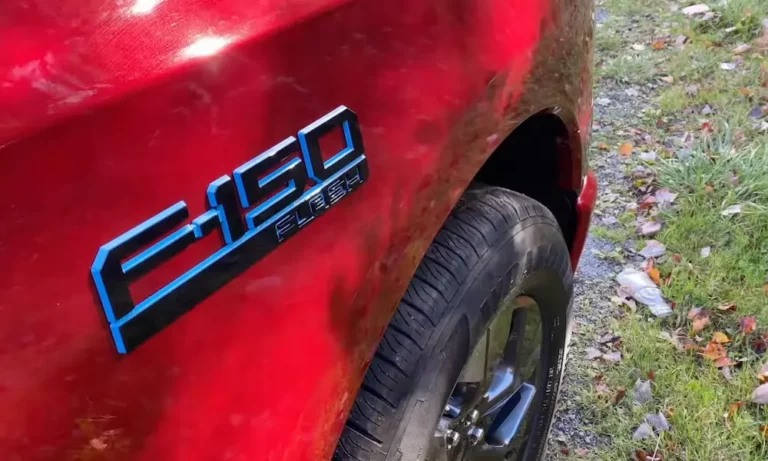
Hearing that dreaded click when you turn your key but your F150 won’t fire up? Your truck’s starter might be calling it quits. While dealerships charge $400+ for labor alone, you can tackle this job yourself with basic tools and a few hours of your time. This guide breaks down everything you need to know about replacing your F150’s starter—from identifying symptoms to tightening that final bolt.
What Does the Starter Do in Your F150?
Your Ford F150’s starter is essentially a powerful electric motor that kicks your engine into action. Located on the passenger side of the engine block where it meets the transmission, this component serves one critical purpose: it engages with your truck’s flywheel to turn the crankshaft and start the combustion process.
Think of your starter as the morning alarm clock for your engine. When you turn the key, it springs into action, spinning the engine until it can run on its own. Without a functioning starter, you’ve got a 5,000-pound paperweight sitting in your driveway.
How to Tell When Your F150 Starter Is Failing
Before tearing into your truck, make sure the starter is actually the culprit. Here are the telltale signs that your F150’s starter needs replacement:
The Click of Doom
Turn the key and hear a single loud click? That’s usually the solenoid trying to engage a dead starter motor. While a clicking sound can sometimes indicate battery issues, if your battery is good but the engine won’t turn over, your starter is likely the problem.
Strange Noises During Starting
Pay attention to these troubling sounds:
- Grinding noise: The starter gear isn’t properly engaging with the flywheel
- Whirring without engine turnover: The starter is spinning but not connecting to the engine
- High-pitched screeching: Internal components are failing
Inconsistent Performance
Does your F150 start perfectly sometimes but leave you stranded other times? This intermittent behavior points to a starter with failing internal components. As starters deteriorate, they become unreliable before failing completely.
Smoke or Burning Smell
If you notice smoke coming from the engine area or smell something burning when trying to start your truck, turn the key off immediately. An electrical short in the starter can cause these dangerous symptoms.
What You’ll Pay for a Ford F150 Starter Replacement
One of the best reasons to DIY this job is the significant cost savings. Here’s the breakdown:
| Expense Category | DIY Cost | Professional Cost |
|---|---|---|
| Starter Unit | $150-450 | $320-500 |
| Labor | $0 | $90-300 |
| Additional Parts | $10-20 | Included |
| Total Range | $160-470 | $410-800 |
The wide price range for starter units reflects differences between:
- OEM vs. aftermarket parts
- Standard vs. high-torque options
- Remanufactured vs. new units
By doing this job yourself, you’ll save at least $250 on average—money better spent on other truck upgrades or that fishing trip you’ve been planning.
Tools You’ll Need for an F150 Starter Replacement
Gather these tools before starting the job:
Must-Have Tools
- Socket set with 10mm, 13mm sockets
- Ratchet with 3/8″ and 1/2″ drives
- Socket extensions (6″ and 12″)
- Floor jack and jack stands
- Torque wrench
- Work gloves and safety glasses
- Wire brush or sandpaper
- Clean rags
Nice-to-Have Extras
- Magnetic pickup tool (for dropped bolts)
- Headlamp or work light
- Penetrating oil (for stubborn bolts)
- Digital multimeter (for testing)
A complete socket set is crucial since you’ll be working in tight spaces with limited access. The extensions will help you reach bolts that are awkwardly positioned behind other components.
Step-by-Step F150 Starter Replacement Guide
Safety First: Prep Work
- Park your F150 on level ground and engage the parking brake
- Disconnect the negative battery terminal (black) using a wrench
- Place wheel chocks behind the rear tires
- Raise the front of the truck using a floor jack and secure with jack stands
This safety preparation is non-negotiable. Working under a vehicle supported only by a jack is extremely dangerous, and failing to disconnect the battery could result in electrical shorts or even fire.
Locating and Accessing the Starter
Your F150’s starter is on the passenger side of the engine, near where the engine meets the transmission. You’ll need to work from underneath the truck to access it properly.
For most F150 models (especially 2004-2014), you’ll see the starter mounted with two bolts to the engine block. Depending on your truck’s configuration and year, you might need to move some components aside for better access.
Removing the Old Starter
- Identify all electrical connections going to the starter
- Remove the protective covers over electrical terminals (if present)
- Disconnect and label the wiring:
- Main power wire (usually with a 13mm nut)
- Ignition/solenoid wire (usually smaller, with 10mm nut)
- Ground connection (if separate)
- Support the starter with one hand while removing mounting bolts
- Carefully lower the starter out from its mounting location
Take photos with your phone before disconnecting anything if you’re concerned about remembering the proper connections. The starter is heavy (10-15 pounds), so be prepared when removing the final bolt.
Installing the New Starter
- Clean the mounting surface on the engine block with a wire brush
- Compare the new starter to the old one to verify it’s the correct replacement
- Lift the new starter into position and align with mounting holes
- Thread the mounting bolts by hand first to avoid cross-threading
- Tighten mounting bolts to 18 ft-lbs (or manufacturer’s specification)
- Reconnect all electrical connections:
- Large power cable to the main terminal
- Smaller wire to the solenoid/ignition terminal
- Ground wire (if separate)
- Ensure all connections are tight and secure
Testing Your Work
- Double-check all connections are tight
- Reconnect the battery’s negative terminal
- Get in the driver’s seat and turn the key to start
- Listen for smooth engagement and startup
Your engine should start right up with no unusual noises. If you hear grinding or the engine doesn’t turn over, recheck your connections and mounting bolts.
Common F150 Starter Replacement Challenges
Tight Access in Different Model Years
| F150 Generation | Years | Access Challenges | Tips |
|---|---|---|---|
| 10th Generation | 1997-2003 | Limited clearance near exhaust | Remove heat shield first |
| 11th Generation | 2004-2008 | Tight wiring routing | Label connections carefully |
| 12th Generation | 2009-2014 | Crowded engine bay | Use long extensions |
| 13th Generation | 2015-2020 | Complex wiring harnesses | Take photos before disassembly |
Dealing with Stuck Bolts
Bolts that have been in place for years can be stubborn. If you encounter a bolt that won’t budge:
- Spray with penetrating oil and wait 15 minutes
- Use a breaker bar for extra leverage
- Tap the socket with a hammer to break corrosion
- Apply heat with a heat gun as a last resort (be careful of surrounding components)
Never force a bolt that feels cross-threaded. Back it out and start again with proper alignment.
Selecting the Right Starter for Your F150
Not all starters are created equal. Consider these factors when choosing a replacement:
OEM vs. Aftermarket
Ford original equipment manufacturers (OEM) starters typically cost more but offer guaranteed fitment and reliability. Reputable aftermarket brands like Bosch, Denso, and ACDelco provide good alternatives at lower prices.
Standard vs. High-Torque
If you’ve modified your F150 with a larger engine or live in extremely cold climates, consider a high-torque starter. These units provide more cranking power but cost $50-100 more than standard starters.
New vs. Remanufactured
Remanufactured starters are rebuilt units that have been restored to like-new condition. They typically cost 30-40% less than new units and often come with warranties comparable to new starters. For most F150 owners, a quality remanufactured starter from a reputable brand is the sweet spot of value and reliability.
Preventative Maintenance to Extend Starter Life
Your new starter will last longer if you follow these simple practices:
- Keep battery connections clean and tight to ensure proper voltage
- Avoid “grinding” the starter when the engine doesn’t catch immediately
- Address any oil leaks that could contaminate the starter
- Use the proper engine oil weight for your climate to reduce starting resistance
- Replace your battery when it shows signs of weakness
Most F150 starters should last 100,000-150,000 miles with proper care. By maintaining your truck’s electrical system, you’ll extend the life of your new starter significantly.
Troubleshooting After Installation
If your F150 doesn’t start correctly after your replacement job, check these common issues:
Engine Cranks Slowly
- Battery may be weak or connections loose
- Starter may be improperly secured to engine block
- Wrong starter specification for your engine
Grinding Noise During Starting
- Starter not properly aligned with flywheel
- Damaged teeth on flywheel
- Incorrect starter for your specific F150 model
Clicking But No Crank
- Loose electrical connections
- Insufficient battery power
- Defective replacement starter
No Sound When Turning Key
- Bad connection at ignition switch
- Broken wiring to starter
- Failed neutral safety switch
Most post-installation problems stem from electrical connections or improper mounting. Double-check all your work before assuming you received a defective starter.
By following this comprehensive guide, you can successfully replace your Ford F150’s starter and save hundreds of dollars in the process. The job typically takes 2-4 hours for first-timers, and the satisfaction of fixing your truck yourself is priceless.