That amber wrench icon just lit up your F150’s dashboard, and you’re wondering if you should pull over right now or if it can wait. Here’s the straight answer: your truck’s computer detected something wrong with the powertrain—and ignoring it could leave you stranded or facing a massive repair bill. Let’s break down what’s happening, what it’ll cost to fix, and how to avoid getting ripped off.
The Wrench Light Isn’t Your Check Engine Light
Don’t confuse these two. Your Check Engine Light deals with emissions stuff—catalytic converters, oxygen sensors, that sort of thing. The Ford F150 wrench light is different. It means your truck detected a serious problem with how power gets from the engine to the wheels.
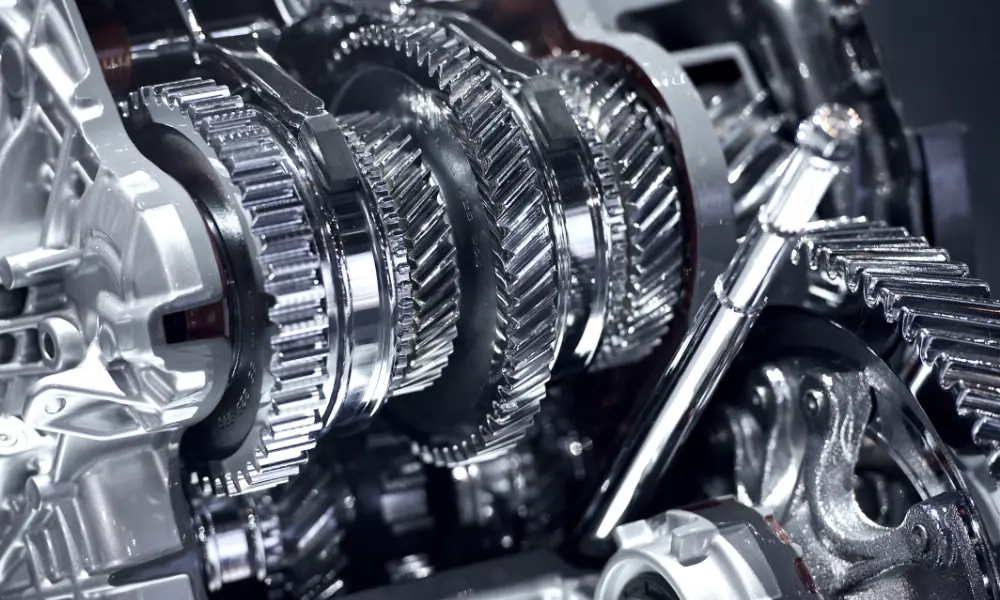
When this light pops on, your F150 enters “limp mode.” You’ll notice the throttle feels dead, the transmission won’t shift past third or fourth gear, and highway speeds become impossible. This isn’t a glitch—it’s your truck protecting itself from catastrophic damage.
The powertrain control module cut power because something’s genuinely wrong. Drive it hard anyway, and you’re looking at a grenaded transmission or seized engine components.
What Causes the Wrench Light in Different F150 Generations
Your truck’s age determines what’s likely broken. Ford’s engineering evolved across three major generations, and each has its own Achilles’ heel.
2009-2014 Models: The Transmission Sensor Nightmare
If you’re driving a 12th-gen F150, there’s a 70% chance your wrench light stems from the 6R80 transmission’s molded lead frame. This part houses three critical sensors buried inside the transmission pan.
The output speed sensor fails when metal shavings from normal clutch wear stick to its magnetic core. The sensor reports bad data, and your truck thinks it stopped moving while you’re doing 65 mph on the interstate. Ford recalled 1.5 million trucks for this exact issue—not to replace the part, but to update the software so it wouldn’t slam into first gear and lock up your rear wheels.
Here’s the frustrating part: Ford’s Customer Satisfaction Program 19N01 extended the warranty to 10 years or 150,000 miles. But if you bought a 2013 model, that warranty expired in 2023. You’re paying out of pocket now—$1,200 to $1,600 for a repair that should’ve been a recall.
The other common culprit is the electronic throttle body. The throttle position sensor uses two resistive tracks that wear out after 100,000+ miles. When they disagree on where the throttle plate sits, the computer shuts down the throttle motor entirely. Your truck idles but won’t accelerate.
2015-2020 Models: The 10-Speed Transmission Disaster
The 13th-gen F150 brought the 10R80 transmission—a technological marvel that’s also a maintenance money pit. The most expensive wrench light repair on any F150 involves the CDF clutch drum.
Inside this rotating assembly sits a pressed bushing that supports the input shaft. Under thermal stress and hydraulic pressure, this bushing migrates out of position and blocks the oil passages feeding clutches C, D, and F. When these clutches can’t engage properly, you’ll feel harsh shifts, hear grinding, and see the wrench light.
Ford finally acknowledged this in Technical Service Bulletin 24-2046. The fix requires pulling the entire transmission, tearing it apart, and replacing the drum with a redesigned version. Labor alone runs 15+ hours. Total cost? $6,000 to $9,500 if you’re out of warranty.
Another 10R80 issue hits the auxiliary transmission fluid pump. This electric pump maintains hydraulic pressure when your engine shuts off at red lights (auto start-stop). When it fails, you’ll get code P0C2A, the wrench light, and a message saying “Auto Start-Stop Not Available.” The good news: this pump bolts to the outside of the transmission. A shop can swap it in under an hour for $350-$500.
2021-Present Models: Hybrid and Electric Gremlins
The 14th generation introduced electrification, which means new failure points in the 12-volt system.
The PowerBoost hybrid runs two 12V batteries—one under the hood, one under the rear seat. They connect through a battery isolator switch that frequently fails on 2021-2022 models. TSB 23-2031 documents this problem. When the isolator dies, you’ll see the wrench light and code P2C44.
Your hybrid system refuses to engage because it can’t verify backup power for critical safety systems like brakes and steering. The isolator itself costs $60-$100 and takes an hour to replace—but it was constantly backordered through 2022-2023.
The F150 Lightning throws the wrench light when the battery management system detects voltage imbalance between cell modules. The truck limits power output to 30% to prevent thermal runaway. Ironically, if the tiny 12V battery that powers the contactors goes bad, your Lightning won’t “start” even with a full main battery.
How to Actually Diagnose This (The Right Way)
Walk into AutoZone with a wrench light, and they’ll scan it for free. They’ll tell you “no codes found” because their cheap scanner can’t read transmission or body control modules—only federally mandated emissions codes.
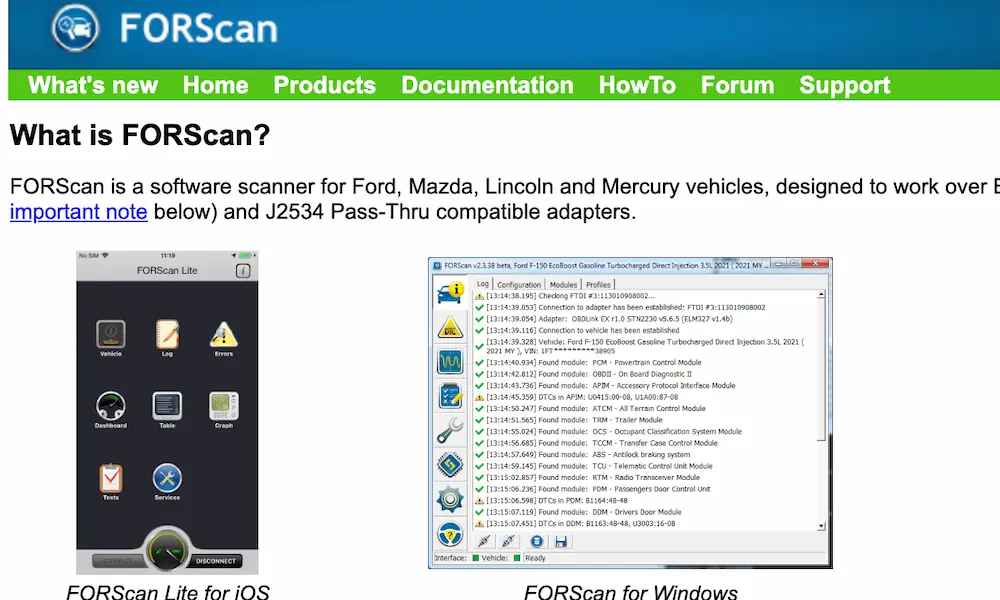
The wrench light codes live in Ford’s proprietary system. You need either a $5,000 dealer scan tool or a $50 OBD adapter running FORScan software. FORScan gives you dealer-level access to every module in your truck.
Here’s what to look for:
P0720 or P0722 = Output speed sensor circuit (12th gen lead frame)
P2135 = Throttle position sensor correlation (worn throttle body)
P0741 + P1744 = Torque converter slip (10R80 CDF drum)
P0C2A = Auxiliary transmission pump circuit
P2C44 = Battery isolator control circuit (PowerBoost hybrid)
You can buy an OBDLink EX adapter for about $50 and download FORScan for free. This setup lets you read live data, run service procedures, and clear codes without paying $150 for a dealer scan.
What It’ll Actually Cost You
Repair costs swing wildly depending on what broke and whether you’re still under warranty.
| Problem | Years Affected | DIY Parts Cost | Shop Cost | Can You DIY? |
|---|---|---|---|---|
| Throttle body replacement | 2009-2020 | $150-$250 | $450-$600 | Yes—2 bolts and a 10-minute relearn |
| Auxiliary trans pump | 2015-2020 | $80-$120 | $350-$500 | Yes—external access, no fluid drain |
| Lead frame assembly | 2009-2014 | $300-$500 | $1,200-$1,600 | Maybe—requires pan drop and refill |
| Battery isolator | 2021-2023 | $60-$100 | $250-$400 | Yes—simple electrical swap |
| CDF clutch drum | 2017-2024 | $1,000+ | $6,000-$9,500 | No—needs specialized trans tools |
The throttle body is the easiest DIY fix. Disconnect the air tube, unplug the harness, remove two bolts, swap the part. Then you’ll need to run a “throttle body relearn” procedure through FORScan or by following the pedal dance: key on (engine off), floor the gas for 10 seconds, turn key off, wait 15 seconds, repeat three times.
The lead frame requires dropping the transmission pan, which means 6+ quarts of ATF spill everywhere. You’ll also need a fluid fill pump since the 6R80 doesn’t have a traditional dipstick tube. Doable in your driveway, but messy.
The CDF drum? Don’t even think about it unless you own a transmission jack, a full socket set, air tools, and have rebuilt transmissions before. This is a $6,000+ repair for a reason.
The “Reset Trick” Doesn’t Fix Anything
You’ll find YouTube videos claiming you can clear the wrench light by holding the gas and brake pedals simultaneously for 30 seconds. This is total nonsense.
That pedal procedure resets the oil life monitor—nothing else. Some people swear it works because cycling the ignition can move a “current” fault code into “history” status, temporarily turning off the light. But the moment the sensor glitches again or the clutch slips, the light comes right back.
The wrench light isn’t a suggestion. It’s your truck telling you something mechanically failed. You can’t reset your way out of a broken output speed sensor or a migrating bushing.
Should You Keep Driving?
Here’s the rule: if the wrench light is solid and your truck is in limp mode, you can drive it a few miles to a safe location or a repair shop. Don’t push it. The whole point of limp mode is preventing catastrophic damage—but it assumes you’re limping to safety, not driving cross-country at 45 mph.
If the light is flashing, pull over immediately. A flashing wrench typically indicates an active transmission overheat condition or a throttle system that’s cycling between working and failing. Continuing to drive risks destroying internal clutches or frying the throttle control module.
Some failures are intermittent. The light comes on, you restart the truck, and it’s gone. This happens with corroded connectors or sensors on the edge of failure. Don’t assume it’s fixed—it’ll come back, usually at the worst possible time. Get it scanned and logged even if the light isn’t currently on.
What About Extended Warranties?
If you bought an aftermarket warranty, read the fine print before you celebrate. Most exclude “wear items” and “software updates.” The lead frame might be covered, but if the dealer says they need to reprogram the PCM as part of the repair, the warranty company will deny the claim.
Factory powertrain warranties cover most of these issues for 5 years/60,000 miles. If you’re close to that limit and experiencing symptoms, get it documented at the dealer before the warranty expires. Even if they don’t fix it immediately, having it on record can help if the problem worsens a month after your warranty ends.
Ford’s been hit with multiple class-action lawsuits over the 10R80 transmission. If you’ve paid for a CDF drum replacement out of pocket, join the lawsuit—you might get a partial refund.
Generation-Specific Quick Reference
Own a 2009-2014? Your biggest risk is the lead frame. If you’re past the CSP expiration date, budget $1,200-$1,600. Check your throttle body for carbon buildup while you’re troubleshooting.
Own a 2015-2020? The 10R80 is a ticking time bomb. If you’re under 60K miles, push the dealer hard on warranty coverage for any shifting issues. Change your transmission fluid every 50K miles even though Ford says it’s “lifetime”—heat kills the 10-speed.
Own a 2021-2023 PowerBoost? Keep an eye on both 12V batteries. If you see “Deep Sleep Mode” messages or sluggish cranking, test the isolator before it strands you. The part’s cheap; the tow bill isn’t.
Own a Lightning? Your 12V battery health is critical. The main battery could be at 100%, but if the 12V dies, the HV contactors won’t close. Carry a jump pack rated for lithium batteries.
Final Word: Don’t Ignore It
The Ford F150 wrench light isn’t like a low tire pressure warning you can put off until next week. It’s your truck’s last-ditch effort to prevent you from destroying the transmission, locking up the throttle, or losing hybrid functionality.
Scan it with proper equipment, identify the actual fault, and fix it before limp mode becomes no mode. A $500 throttle body today beats a $9,000 transmission rebuild next month.
And if your dealer quotes you $1,200 for a lead frame on a 2013 with 80K miles, remind them about CSP 19N01. Some dealerships “forget” the warranty extension exists. Print the NHTSA bulletin and bring it with you.
Your truck’s trying to tell you something. Listen to it.